Can You Program TPMS Sensors Yourself The Real Answer
Can you program TPMS sensors yourself? The short answer is yes, but it depends on your vehicle, tools, and knowledge level. Many car owners successfully program TPMS sensors at home with the right equipment and guidance. This guide walks you through everything you need to know about TPMS programming, from basic concepts to hands-on steps.
Have you ever seen that little light on your dashboard shaped like a horseshoe with an exclamation mark? That is your tire pressure warning light, and it means your tire pressure monitoring system needs attention. Many drivers panic when this light comes on, but the truth is, you might be able to fix it yourself.
The question can you program TPMS sensors yourself comes up all the time in car forums and garage conversations. The answer is more straightforward than most people think. With the right TPMS tool and a bit of patience, you can handle TPMS programming in your own driveway.
This article breaks down everything you need to know. We will cover what TPMS sensors are, how they work, what tools you need, and the exact steps to program them. Whether you drive a sedan, truck, or SUV, this guide has you covered.
Key Takeaways
- DIY TPMS programming is possible: Many vehicles allow you to program sensors yourself with the right tools.
- You need a TPMS tool or OBD scanner: These devices activate and pair new sensors with your vehicle’s system.
- Direct and indirect TPMS work differently: Understanding your system type is essential before starting.
- Common mistakes cause relearn failures: Avoid skipping steps or using incompatible sensors.
- Professional help may be needed: Complex vehicles or stubborn systems sometimes require a mechanic.
- Sensor battery life matters: Dead batteries are the most common reason for TPMS failures.
- Aftermarket sensors can work: But you must ensure compatibility with your vehicle make and model.
📑 Table of Contents
What Is TPMS and How Does It Work?
Before you can program TPMS sensors, you need to understand what they do. A tire pressure monitoring system keeps track of the air pressure inside your tires. When pressure drops below a safe level, the system sends a warning to your dashboard.
There are two main types of tire pressure monitoring systems:
- Direct TPMS: Each wheel has a physical sensor mounted on the valve stem. This sensor measures the exact pressure and sends a signal to your car’s computer.
- Indirect TPMS: This system uses your vehicle’s ABS sensors to detect when a tire is spinning differently due to low pressure. It does not have physical sensors inside the tire.
Most modern vehicles use direct TPMS because it gives more accurate readings. If your car has direct TPMS sensors, each one has a small battery that lasts about five to ten years. When the battery dies, you need to replace the entire sensor.
Why TPMS Sensors Fail
TPMS sensor failure happens for several reasons. The most common cause is a dead battery inside the sensor. Since the battery is sealed inside the unit, you cannot replace it separately. Another reason is physical damage from road debris or potholes. Corrosion on the valve stem can also cause problems over time.
Sometimes the issue is not a broken sensor at all. A simple TPMS reset after rotating your tires or changing seasons can clear the warning light. This is where knowing how to program TPMS sensors yourself becomes really valuable.
Can You Actually Program TPMS Sensors Yourself?
The short answer to can you program TPMS sensors yourself is yes. Most vehicles allow you to perform TPMS programming at home. However, the process varies depending on your car’s make, model, and year.
Some newer vehicles have a simple TPMS relearn procedure built into the infotainment system. You can follow on-screen prompts to pair new sensors. Other vehicles require a dedicated TPMS activation tool or an OBD scanner to complete the programming.
Here is what determines whether DIY TPMS programming is right for you:
- Your vehicle’s TPMS type: Direct systems with physical sensors need a programming tool. Indirect systems often just need a reset.
- The tool you have access to: A quality TPMS tool makes the process much easier.
- Your comfort level with car maintenance: If you can change a tire, you can likely program a TPMS sensor.
- Aftermarket vs OEM sensors: Aftermarket TPMS sensors may need extra steps to pair with your vehicle.
OEM TPMS sensors from your car manufacturer are usually the easiest to program. Aftermarket TPMS sensors work well too but may require additional configuration steps. Always check TPMS compatibility before purchasing replacement sensors.
When DIY Programming Gets Tricky
Not all vehicles are created equal when it comes to TPMS sensor replacement. Some luxury brands and newer models have advanced security features that make self-programming difficult. These vehicles may require dealer-level equipment or professional assistance.
If your vehicle uses a proprietary TPMS diagnostic system, you might need to visit a tire shop or dealership. But for the majority of standard vehicles on the road today, you can absolutely handle the job yourself.
What You Need to Program TPMS Sensors Yourself
Having the right tools makes all the difference when you are programming TPMS sensors. You do not need expensive professional equipment for most vehicles. Here is what you will need:
Essential Tools
- TPMS activation tool or programming tool: This is the most important piece of equipment. It sends a signal to activate the new sensor and pairs it with your vehicle. Popular brands include Autel, Launch, and Aero diagnostic tools.
- OBD scanner: An OBD scanner with TPMS capabilities can run TPMS diagnostics and help with the relearn process. Many affordable options work well for home use.
- Valve core tool: You need this to remove and reinstall valve cores when mounting new sensors.
- Tire pressure gauge: A reliable gauge ensures your tires are at the correct pressure before programming.
- Replacement sensors: Make sure they match your vehicle’s specifications for TPMS compatibility.
Nice-to-Have Tools
- TPMS service kit: This includes new valve stems, O-rings, and caps for each wheel.
- Laptop or tablet with software: Some advanced TPMS tools require a connected device for updates and special programming features.
- Vehicle-specific repair manual: This gives you the exact TPMS relearn procedure for your particular car.
Investing in a good TPMS tool pays for itself quickly if you maintain multiple vehicles or deal with frequent sensor replacements. Many quality tools cost between $100 and $300 and support most vehicle makes.
Step-by-Step Guide to Programming TPMS Sensors
Now that you have your tools ready, let us walk through the actual process. Follow these steps carefully to ensure a successful TPMS programming experience.
Step 1: Check Your Tire Pressure
Before you do anything else, check the pressure in all four tires. Inflate them to the recommended level listed on your driver’s side door jamb. Correct tire pressure is essential before starting any TPMS reset or programming task.
Step 2: Install the New Sensors
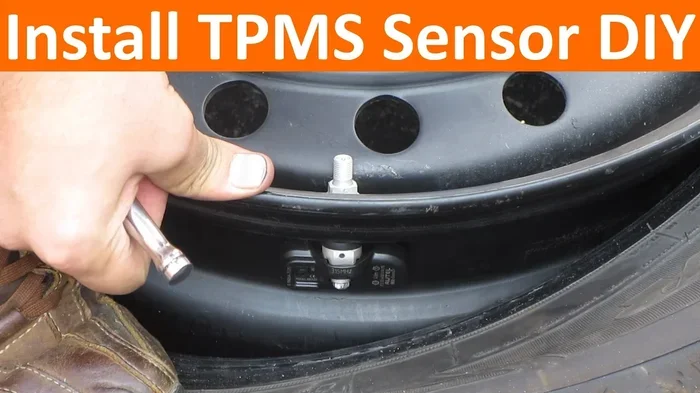
Remove the old sensors from each wheel. Use your valve core tool to carefully unscrew the sensor from the valve stem. Install the new sensor and tighten it to the manufacturer’s torque specification. Apply a small amount of soapy water to check for leaks around the new valve stem.
Step 3: Activate the Sensors
Turn on your TPMS activation tool and select the sensor programming mode. Hold the tool near each tire’s valve stem to activate the new sensor. The tool will confirm when each sensor has been successfully activated.
Step 4: Perform the TPMS Relearn Procedure
This is the most important step in TPMS programming. The relearn procedure teaches your vehicle’s computer to recognize the new sensors. The exact steps vary by vehicle, but here is a general process:
- Turn the ignition to the “on” position without starting the engine.
- Press and hold the TPMS reset button until the warning light blinks three times.
- Release the button and start the engine.
- Drive the vehicle at a steady speed of 30 to 50 miles per hour for about 20 minutes.
- The system will automatically pair with each sensor as you drive.
Some vehicles allow you to complete the relearn through the infotainment screen. Check your owner’s manual or a vehicle-specific guide for the exact TPMS relearn procedure for your car.
Step 5: Verify the System
After driving for the required time, turn off the engine and check the dashboard. The tire pressure warning light should be off. Use your OBD scanner to run a TPMS diagnostic and confirm all sensors are reading correctly.
If the light stays on, you may need to repeat the relearn procedure. Double-check that each sensor was properly activated and that your TPMS tool is compatible with your vehicle.
Quick Tips for Successful Programming
- Always program sensors one at a time, starting with the driver-side front tire.
- Keep the TPMS tool close to the valve stem during activation.
- Make sure your replacement sensors match the original frequency and protocol.
- Do not drive too fast during the relearn process.
- Record the sensor IDs from your TPMS tool for future reference.
Common Mistakes When Programming TPMS Sensors
Even experienced DIYers make mistakes when programming TPMS sensors. Knowing what to avoid saves time, money, and frustration.
Skipping the Relearn Procedure
The biggest mistake people make is installing new sensors and assuming the system will automatically recognize them. Most vehicles require an explicit TPMS reset and relearn process. Skipping this step is why the warning light stays on even after sensor replacement.
Using Incompatible Sensors
Not all TPMS sensors are created equal. Using sensors that do not match your vehicle’s frequency or protocol will cause programming failures. Always verify TPMS compatibility before purchasing replacement sensors. Check your vehicle part number or consult a compatibility chart from your sensor manufacturer.
Forgetting to Replace Sensor Batteries
Since tire pressure sensor battery life is limited, a new sensor with a weak or dead battery will fail quickly. Always check the battery status before programming a new sensor. Most TPMS tools can read the battery voltage of each sensor.
Not Following the Exact Relearn Sequence
Every vehicle has a specific TPMS relearn procedure. Following the wrong sequence or skipping steps will result in a failed programming attempt. Take the time to look up the exact procedure for your vehicle before you start.
Ignoring Corrosion and Debris
When removing old sensors, inspect the valve stem for corrosion or debris. Cleaning the area before installing new sensors prevents leaks and ensures a proper seal. A tire service kit with fresh O-rings and valve stems is a small investment that prevents big problems.
When to Call a Professional Instead
While DIY TPMS programming works for most vehicles, there are situations where professional help is the better choice.
If your vehicle uses a complex or proprietary TPMS diagnostic system, a professional tire shop or dealership has the specialized equipment to handle it. Luxury vehicles, heavy-duty trucks, and newer models with advanced tire pressure monitoring features sometimes require dealer-level tools.
You should also call a professional if:
- You have tried the relearn procedure multiple times without success.
- Your tire pressure warning light comes back on immediately after programming.
- You are uncomfortable working with valve stems or tire components.
- Your vehicle requires a special TPMS activation tool that is too expensive to purchase for a one-time job.
Many local tire shops offer TPMS programming services for a reasonable fee. If you are only replacing one or two sensors, paying for professional service might be worth the convenience and peace of mind.
Expert Insights on TPMS Programming
Experienced tire technicians say that most DIYers can successfully program TPMS sensors themselves with a quality TPMS tool and a vehicle-specific guide. The key is patience and following each step exactly. Rushing through the process is where most errors happen.
One technician shared that the most common issue they see is customers purchasing the wrong sensor type. Always confirm whether your vehicle needs a direct TPMS sensor or if it uses an indirect TPMS system before buying replacement parts.
Key Takeaways
- DIY TPMS programming is possible for most vehicles: You need the right tools and a bit of mechanical confidence.
- A quality TPMS tool is essential: It activates sensors and performs the relearn procedure with your vehicle’s computer.
- Direct and indirect TPMS systems require different approaches: Direct systems need sensor programming, while indirect systems usually just need a reset.
- Follow the exact relearn procedure for your vehicle: Skipping steps is the most common reason for programming failures.
- Aftermarket sensors work but must be compatible: Always verify TPMS compatibility before purchasing.
- Professional help is available when needed: Complex systems or repeated failures warrant a visit to a tire shop.
- Regular maintenance prevents TPMS issues: Check tire pressure monthly and replace sensors before their batteries die completely.
Conclusion
The answer to can you program TPMS sensors yourself is a clear yes for most vehicle owners. With the right TPMS tool, a little knowledge, and some patience, you can handle TPMS programming without visiting a mechanic or tire shop.
Understanding your tire pressure monitoring system, choosing compatible sensors, and following the correct TPMS relearn procedure are the keys to success. Avoid common mistakes like skipping the relearn step or using incompatible sensors, and you will have a smooth experience.
Whether you are replacing a dead sensor, rotating your tires, or resetting the tire pressure warning light, DIY TPMS programming saves you time and money. Grab your TPMS tool, follow the steps in this guide, and take control of your vehicle’s tire pressure monitoring system today.
Your tires are the only part of your car that touches the road. Keeping your TPMS sensors functioning properly is one of the best things you can do for safety, fuel efficiency, and tire longevity. So go ahead, give it a try, and enjoy the satisfaction of handling a real car maintenance task on your own.
Frequently Asked Questions
What is the difference between direct and indirect TPMS?
Direct TPMS uses physical sensors mounted on each wheel’s valve stem to measure exact tire pressure. Indirect TPMS relies on your vehicle’s ABS system to detect pressure changes by monitoring wheel rotation speed. Direct systems provide more accurate readings and are more common in modern vehicles.
How much does it cost to program TPMS sensors yourself?
If you already own a TPMS tool, the cost is limited to the replacement sensors, which typically range from $15 to $50 per sensor. Aftermarket TPMS sensors are usually less expensive than OEM TPMS parts. If you need to buy a TPMS tool, expect to spend between $100 and $300, which pays for itself over multiple uses.
Can I use aftermarket TPMS sensors instead of OEM sensors?
Yes, aftermarket TPMS sensors work well for most vehicles. However, you must ensure TPMS compatibility with your specific make and model. Aftermarket sensors may require additional programming steps, so always check the manufacturer’s instructions before purchasing.
How long does TPMS sensor programming take?
For most vehicles, the entire TPMS programming process takes about 20 to 45 minutes. This includes sensor installation, activation with your TPMS tool, and completing the TPMS relearn procedure. The time varies depending on your vehicle and your experience level.
Why does my TPMS light stay on after programming new sensors?
The most common reason is an incomplete TPMS relearn procedure. Double-check that you followed every step for your specific vehicle. Also verify that each sensor was properly activated and that the sensors are compatible with your car. Sometimes a simple TPMS reset after driving for 20 minutes resolves the issue.
How often do TPMS sensor batteries need to be replaced?
Tire pressure sensor battery life typically lasts between five and ten years. Since the battery is sealed inside the sensor unit, you must replace the entire sensor when the battery dies. Regular TPMS diagnostics can help you identify sensors with low battery voltage before they fail completely.