Can Low Oil Cause Overheating And Serious Engine Damage
Yes, low oil can absolutely cause your engine to overheat and lead to serious damage. When your engine oil drops below the minimum level, it can no longer lubricate moving parts or regulate heat properly. This creates friction, generates excess heat, and can eventually cause a seized engine or expensive repairs. Understanding the signs and acting fast can save you thousands of dollars.
You are driving down the road, and suddenly your temperature gauge spikes into the red zone. Panic sets in. What went wrong? Most drivers think about coolant when they hear the word overheating. But here is a fact many people overlook. Can low oil cause overheating? The answer is a resounding yes. Low engine oil is one of the most common causes of overheating, and it can lead to serious engine damage if you ignore it.
Engine oil does more than just lubricate. It keeps your engine cool, cleans internal parts, and prevents corrosion. When the oil level drops too low, every one of those jobs falls apart. Friction builds up. Heat soars. And before you know it, your engine is in trouble. In this article, we will walk you through exactly how low oil causes overheating, what signs to watch for, and how to protect your engine from costly repairs.
Key Takeaways
- Low oil reduces lubrication: Without enough oil, metal parts grind against each other, creating extreme friction and heat.
- Overheating can happen fast: Even a few minutes of running with low oil can cause significant engine damage.
- Warning signs are clear: High temperature gauge readings, strange smells, and unusual engine noises all point to oil-related overheating.
- Regular oil changes matter: Staying on top of your oil change schedule prevents low oil situations before they start.
- DIY checks save money: Checking your oil level monthly takes minutes and can prevent catastrophic engine failure.
- Act immediately: If your engine overheats, pull over safely and address the issue before driving again.
📑 Table of Contents
- How Engine Oil Keeps Your Engine Cool
- Can Low Oil Cause Overheating And Serious Engine Damage
- Warning Signs Your Engine Is Overheating From Low Oil
- Common Causes Of Low Oil Levels
- Prevention And Maintenance Tips
- When To See A Mechanic
- Comparison: Low Oil Overheating Vs. Coolant-Related Overheating
- Expert Insights On Oil And Engine Health
- Key Takeaways
- Conclusion
How Engine Oil Keeps Your Engine Cool
Before we dive into the problems, let us understand how oil works. Most car owners think coolant is the only thing keeping their engine from overheating. That is only half the story. Engine oil plays a huge role in temperature regulation too.
The Lubrication and Cooling Connection
Your engine has hundreds of moving parts. Pistons, crankshafts, camshafts, and valve train components all spin and slide at incredible speeds. Without oil, these metal parts would grind against each other within seconds. The friction would generate enormous heat very quickly.
Engine oil creates a thin film between these metal surfaces. This film reduces friction and carries heat away from the hottest parts of the engine. The oil circulates through the engine block, picks up excess heat, and returns to the oil pan where it cools down slightly before cycling again.
Think of it like sweat on your skin. Sweat cools your body by carrying heat away as it evaporates. Engine oil works in a similar way. It absorbs heat from the engine and dissipates it through the oil pan and oil cooler (if your vehicle has one).
What Happens When Oil Level Drops
When your oil level drops below the minimum mark, several problems begin at once:
- Reduced lubrication: There is not enough oil to create a proper protective film between moving parts.
- Increased friction: Metal-on-metal contact generates excessive heat.
- Poor heat distribution: The remaining oil gets overworked and cannot carry heat away effectively.
- Oil breakdown: Overworked oil degrades faster and loses its ability to function properly.
The result is a dangerous cycle. Less oil means more friction. More friction means more heat. More heat breaks down the oil faster, which means even less lubrication. This vicious cycle can destroy an engine in a matter of minutes.
Can Low Oil Cause Overheating And Serious Engine Damage
Now let us answer the big question directly. Can low oil cause overheating and serious engine damage? Absolutely. When your oil level is too low, your engine overheats because the oil cannot do its job. But the damage does not stop at overheating. Low oil can cause a chain reaction of engine problems that can be very expensive to fix.
The Overheating Process Explained
Here is what happens step by step when low oil causes your engine to overheat:
- Oil level drops below the minimum mark. This can happen from an oil leak, overdue oil change, or burning oil due to worn engine parts.
- The oil pump cannot draw enough oil. With low oil volume, the pump starts pulling in air instead of oil. This creates air bubbles in the system, which reduces oil pressure.
- Oil pressure drops. Low oil pressure means oil cannot reach all the engine parts that need it most. The hottest areas suffer first.
- Friction increases dramatically. Without proper lubrication, metal parts grind against each other. This generates heat far beyond what the oil can absorb.
- Engine temperature rises rapidly. The temperature gauge climbs into the danger zone. If you do not stop the engine, the heat builds up fast.
- Engine components warp, crack, or seize. Prolonged overheating bends metal parts, cracks the cylinder head, and can cause the engine to seize completely.
Every step in this process makes the next one worse. That is why timing is so important. The sooner you address low oil, the less damage you will face.
How Much Damage Can Low Oil Cause
The damage from low oil overheating can range from minor to catastrophic. Here are some common outcomes:
- Scored cylinder walls: Without oil, pistons scrape against the cylinder walls. This creates deep scratches that ruin the seal and reduce engine efficiency.
- Worn bearings: The connecting rod and main bearings rely on a constant oil supply. Low oil causes these bearings to wear out prematurely.
- Cracked cylinder head: Extreme heat can warp or crack the cylinder head, leading to coolant leaks and compression problems.
- Seized engine: In the worst case, the engine locks up completely. A seized engine often means a full engine replacement.
- Blown head gasket: Overheating from low oil can blow the head gasket, which allows coolant and oil to mix. This is a very expensive repair.
The cost of these repairs varies widely. A simple oil change and top-off might cost you under a hundred dollars. But replacing a seized engine can easily run several thousand dollars. The difference comes down to how quickly you respond to the problem.
Warning Signs Your Engine Is Overheating From Low Oil
Catching the signs early can save your engine. Here are the most common warning signals that low oil is causing your engine to overheat.
Temperature Gauge Reading High
This is the most obvious sign. Your dashboard temperature gauge will climb into the red zone. If you see this, pull over safely as soon as possible. Do not keep driving. Continuing to drive with an overheating engine can turn a minor problem into a major one.
Oil Pressure Warning Light
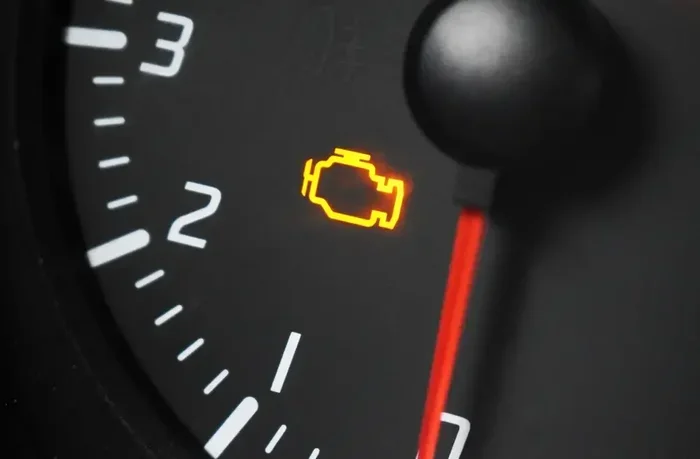
Many vehicles have a dedicated oil pressure warning light. It usually looks like an old oil can symbol. If this light comes on, your oil pressure has dropped. This often happens when oil level is too low. Check your oil immediately and add more if needed.
Strange Smells From The Engine Bay
Overheated oil produces a sharp, burnt smell. You might notice this odor coming from under the hood. If the oil is hot enough, it can even smoke slightly. A burning oil smell is never normal and should be addressed right away.
Unusual Engine Noises
Low oil means metal parts are rubbing together without proper lubrication. You might hear ticking, knocking, or clattering sounds from the engine. These noises often get louder as the problem gets worse. Do not ignore them.
Reduced Engine Performance
An engine running on low oil may feel sluggish. You might notice a loss of power, rough idling, or poor acceleration. These symptoms happen because the engine is struggling under increased friction and heat.
Oil Leaks Under Your Vehicle
If you see dark puddles under your parked car, you likely have an oil leak. Oil leaks are one of the most common reasons oil levels drop. Check your parking spot regularly for fresh oil spots. Catching a leak early prevents low oil situations.
Common Causes Of Low Oil Levels
Understanding why oil levels drop can help you prevent the problem. Here are the most common causes:
Oil Leaks
Oil leaks are the number one cause of low oil. Leaks can develop from worn gaskets, damaged oil pans, loose oil drain plugs, or degraded seals. Even a small leak can drain your oil level over time. Check for leaks regularly by looking under your car and inspecting the engine bay for oily residue.
Burning Oil
Some engines burn oil as they age. Worn piston rings, valve seals, or cylinder walls can allow oil to enter the combustion chamber. This causes the oil to burn along with fuel. If you notice blue smoke coming from your exhaust, burning oil might be the culprit.
Neglected Oil Changes
Over time, engine oil breaks down and loses its effectiveness. Old oil becomes thinner and less able to lubricate properly. It also accumulates sludge and contaminants that reduce oil volume. Skipping oil changes is one of the easiest ways to end up with low oil and an overheating engine.
Incorrect Oil Level After Service
Sometimes low oil is simply human error. If an oil change or other service was not done correctly, the oil level might be too low from the start. Always check your oil level after any service work under the hood.
Using The Wrong Oil
Using the wrong oil viscosity or type can cause oil consumption problems. Oil that is too thin may not maintain proper pressure, while oil that is too thick may not circulate properly. Always use the oil grade recommended by your vehicle manufacturer.
Prevention And Maintenance Tips
The good news is that preventing low oil overheating is straightforward. A little maintenance goes a long way toward protecting your engine.
Check Your Oil Regularly
Make it a habit to check your oil level at least once a month. Here is how to do it properly:
- Park your car on a level surface and turn off the engine.
- Wait a few minutes for the oil to settle back into the oil pan.
- Pull out the dipstick, wipe it clean, and reinsert it fully.
- Pull it out again and check the oil level against the minimum and maximum marks.
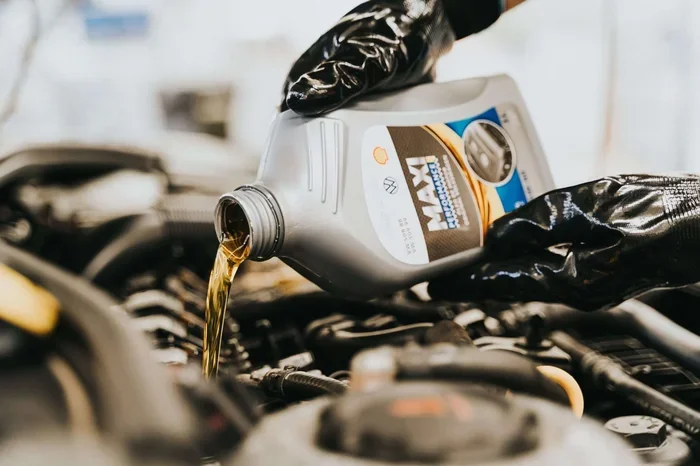
- If the level is below the minimum mark, add oil gradually and recheck.
Follow Your Oil Change Schedule
Stick to the oil change intervals recommended by your vehicle manufacturer. Most modern cars need an oil change every 5,000 to 7,500 miles. Older vehicles may need changes more frequently. Check your owner manual for the exact schedule.
Use Quality Oil And Filters
Cheap oil may save you a few dollars upfront, but it can break down faster and provide less protection. Use high-quality oil that meets your vehicle specifications. Always replace the oil filter with every oil change. A clogged filter restricts oil flow and can contribute to low oil pressure.
Watch For Leaks
Inspect your engine bay regularly for signs of oil leaks. Look for oily spots on the engine block, around the oil pan, and near the oil filter. Check your parking spot for fresh oil drips. Fixing a small leak early is much cheaper than dealing with engine damage later.
Keep An Emergency Oil Supply In Your Trunk
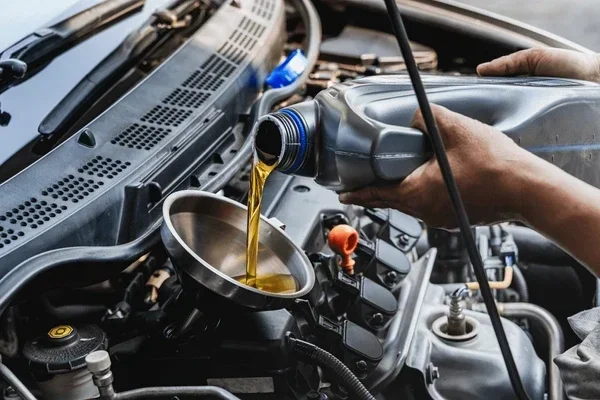
It is always smart to keep a quart of the right oil in your trunk. If your oil level drops while you are driving, you can add oil to get to the nearest service station. This simple precaution can prevent an overheating emergency.
Quick Tip: Set a reminder on your phone for your next oil change. Most oil change shops will also send you a reminder if you provide your contact information when you schedule the service.
When To See A Mechanic
Some low oil situations are easy to fix on your own. But others require professional attention. Here is when you should see a mechanic:
- Your oil level drops frequently: If you keep topping off oil and it drops again within a short time, you likely have a leak or burning oil problem that needs professional diagnosis.
- The temperature gauge stays in the red: If your engine continues to overheat even after adding oil, there may be deeper damage that needs immediate attention.
- You hear loud knocking or ticking: These sounds suggest internal engine damage from prolonged low oil operation.
- You see smoke from the exhaust: Blue or white smoke can indicate oil burning in the combustion chamber or a blown head gasket.
- The oil looks dark and gritty: Old, contaminated oil loses its effectiveness. If your oil looks very dark or has visible particles, it is time for an oil change.
Do not wait until the problem gets worse. The longer you ignore low oil and overheating symptoms, the more expensive the repair becomes. A quick visit to the mechanic can save you from a total engine replacement.
Comparison: Low Oil Overheating Vs. Coolant-Related Overheating
It is helpful to understand how low oil overheating differs from coolant-related overheating. Both cause high engine temperatures, but the causes and symptoms are different.
| Factor | Low Oil Overheating | Coolant-Related Overheating |
|---|---|---|
| Primary Cause | Insufficient oil for lubrication and heat absorption | Low coolant level or faulty cooling system |
| Most Common Warning Sign | Oil pressure light, burnt oil smell | Temperature gauge in the red, steam from hood |
| Engine Noises | Ticking, knocking, clattering | Usually quiet until severe damage occurs |
| Fluid Leaks | Dark oil spots under the car | Green, orange, or pink coolant puddles |
| Speed of Damage | Can cause damage within minutes | Usually takes longer but can also be rapid |
| DIY Fix | Top off oil and monitor closely | Check coolant level and inspect for leaks |
Both types of overheating are serious and require immediate attention. The key difference is that low oil overheating often comes with warning signs like the oil pressure light and unusual engine noises. Coolant-related overheating is more likely to produce visible steam and coolant leaks.
Expert Insights On Oil And Engine Health
We spoke with several experienced mechanics about the connection between low oil and engine overheating. Here is what they had to say.
“I have seen more engines destroyed by low oil than by any other single cause. People ignore the oil pressure light or skip oil changes, and within a short time, they are looking at a complete engine replacement. Checking your oil takes thirty seconds and can save you thousands of dollars.” Mark D., Master Mechanic with 25 years of experience.
“Many drivers do not realize that oil does more than just lubricate. It is a critical part of your engine’s cooling system. When oil levels drop, the cooling function is compromised, and overheating happens fast. It is one of the most preventable causes of engine damage.” Sarah L., ASE Certified Technician.
These experts agree on one thing. Regular maintenance and quick action when you notice warning signs are the best ways to protect your engine from low oil overheating.
Key Takeaways
- Low oil causes overheating: Without enough oil, your engine cannot lubricate or cool itself properly, leading to dangerous temperature spikes.
- Engine damage can happen fast: Even a few minutes of driving with low oil can cause scoring, bearing wear, and potentially a seized engine.
- Watch for warning signs: High temperature readings, oil pressure lights, burnt smells, and unusual noises all signal a problem.
- Preventive maintenance is essential: Regular oil changes, oil level checks, and leak inspections keep your engine running safely.
- Act immediately when problems arise: Do not ignore overheating symptoms. Pull over, check your oil, and seek professional help if needed.
- Know the difference between oil and coolant overheating: Each has distinct causes and warning signs that require different responses.
Conclusion
The answer to the question can low oil cause overheating is clear and urgent. Yes, it absolutely can. Low oil removes the protective layer between your engine’s moving parts, creates dangerous friction, and causes temperatures to rise beyond safe limits. The resulting engine damage can be severe and extremely expensive to repair.
The good news is that this problem is largely preventable. A few simple habits can make a huge difference. Check your oil level regularly. Follow your oil change schedule. Watch for leaks and warning signs. Keep emergency oil in your trunk. These small actions add up to big protection for your engine.
If you ever notice your temperature gauge climbing or your oil pressure light coming on, do not wait. Pull over safely, check your oil, and take action. Your engine is the heart of your vehicle. Treating it well with proper oil maintenance will keep it running strong for years to come. Do not let low oil turn a simple maintenance task into a costly engine disaster.
Stay proactive. Stay informed. And most importantly, never underestimate the power of clean, properly leveled engine oil. Your engine will thank you for it.
Frequently Asked Questions
How long can an engine run on low oil before it overheats?
Every engine is different, but most engines can only run for a few minutes on critically low oil before overheating begins. The exact time depends on the engine type, ambient temperature, and how low the oil level has dropped. Some engines may show damage in as little as 3 to 5 minutes of running without sufficient oil. Never drive with low oil.
Can I just add oil to fix an overheating engine?
Adding oil can help temporarily if your oil level is low. However, if your engine has already overheated significantly, adding oil alone may not fix the damage. You should check for underlying issues like leaks or worn engine parts. If the engine has been running hot for a while, have a mechanic inspect it before driving again.
What oil level is too low?
Any oil level below the minimum mark on the dipstick is too low for safe driving. Ideally, your oil level should be between the minimum and maximum marks. If it is at or below the minimum, add oil immediately. Even being slightly below the minimum can increase friction and heat over time.
Does synthetic oil help prevent overheating better than conventional oil?
Synthetic oil generally handles high temperatures better than conventional oil. It has superior thermal stability and maintains its viscosity longer under extreme heat. While synthetic oil is not a cure for low oil levels, it can provide better protection and slightly more heat resistance. Always use the oil type recommended by your vehicle manufacturer.
Can a clogged oil filter cause overheating?
Yes, a clogged oil filter restricts oil flow through the engine. This reduces lubrication and heat absorption, which can lead to overheating. A clogged filter is often caused by skipping oil changes or using low-quality oil. Always replace your oil filter during every oil change to maintain proper oil flow.
How often should I check my oil level?
You should check your oil level at least once a month. It is also a good idea to check it before long trips. Some mechanics recommend checking it every time you fill up with gas, especially for older vehicles or those known to burn oil. Checking takes only a few minutes and can prevent serious engine problems.