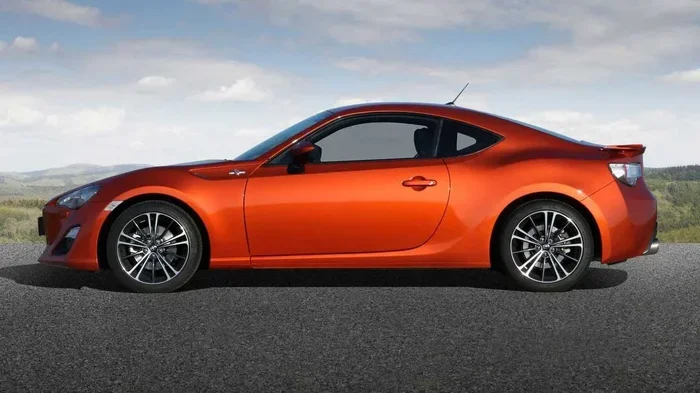
What Is the Lifespan of a GT86 Everything You Need to Know
What is the lifespan of a GT86? With proper care, a Toyota GT86 can last between 200,000 and 300,000 miles or more. Regular maintenance, smart driving habits, and timely repairs play a huge role in how long your GT86 stays on the road. This guide covers everything you need to know about GT86 reliability and longevity.
When you buy a Toyota GT86, one of the first questions that pops into your head is simple: how long will this thing last? The GT86 is a beloved sports car known for its sharp handling, lightweight body, and that signature flat-four engine sound. But durability matters too, especially if you plan to keep the car for a long time.
What is the lifespan of a GT86, exactly? The short answer is that a GT86 can easily reach 200,000 miles or more with proper care. Some owners have pushed their cars well past 300,000 miles without major issues. But the long answer depends on several factors, from how you drive it to how regularly you service it.
This guide breaks down everything you need to know about GT86 reliability. We will cover the engine, common problems, maintenance tips, and real-world mileage expectations. Whether you already own one or are thinking about buying one, this article will help you understand what to expect from your sports car over the years.
Key Takeaways
- Average Lifespan: A well-maintained GT86 can last 200,000 to 300,000 miles or more.
- Engine Durability: The boxer engine is known for reliability but needs consistent oil changes.
- Maintenance Matters: Following the maintenance schedule is the single biggest factor in extending lifespan.
- Common Issues: Watch for oil consumption, clutch wear, and suspension problems over time.
- Driving Style: Aggressive driving shortens the lifespan, while gentle daily use helps the car last longer.
- Parts Availability: Toyota and Subaru parts are widely available, making repairs affordable and straightforward.
- Resale Value: GT86 models hold their value well, which reflects their long-term durability.
📑 Table of Contents
Understanding the GT86 and Its Engine
The Toyota GT86, also sold as the Subaru BRZ in some markets, is a lightweight rear-wheel-drive sports car. It was developed in collaboration with Toyota and Subaru and first hit the market in 2012. The car is built around a simple but effective philosophy: low weight, balanced handling, and a naturally aspirated engine.
The Flat-Four Engine
At the heart of the GT86 is a 2.0-liter flat-four engine, also called a boxer engine. This engine design is famous for its low center of gravity and smooth power delivery. The engine produces around 200 horsepower, which is modest by sports car standards but more than enough for fun daily driving.
The flat-four design has fewer moving parts than a traditional V6 or V8. This simplicity is a big advantage when it comes to long-term engine reliability. Fewer parts means fewer things that can go wrong. However, the engine does have specific needs that owners must understand.
One thing to keep in mind is that the GT86 engine is tuned for efficiency and driving feel rather than raw power. This means it works hard at higher RPMs. If you enjoy revving the engine frequently, you need to be extra careful about oil changes and cooling.
The Boxer Engine Design
The boxer engine gets its name from the way the pistons move side to side, like boxers throwing punches. This design lowers the car’s center of gravity, which is why the GT86 handles so well. But the layout also means the engine sits low and wide in the bay.
Because of this positioning, some maintenance tasks can be slightly more involved than on a standard front-engine car. For example, changing the spark plugs on some models requires removing the engine cover and working from above. However, this does not make the engine unreliable. It just means you need a mechanic who understands the GT86 platform.
The boxer engine is also known for its oil consumption characteristics. Some owners notice the engine uses a small amount of oil between changes. This is not necessarily a problem, but it does mean you should check your oil level regularly and top it up as needed.
How Many Miles Can a GT86 Last?
The GT86 lifespan varies depending on how the car is used and maintained. Let us look at what real-world data and owner reports tell us about GT86 mileage expectations.
Average Mileage Expectations
Most GT86 owners report that their cars are still running strong at the 150,000-mile mark. With diligent maintenance, 200,000 miles is very achievable. There are documented cases of GT86 models surpassing 300,000 miles, though these are less common and usually involve owners who religiously follow the service schedule.
To put this in perspective, the average car on the road today is driven about 13,500 miles per year. At that rate, a GT86 that lasts 200,000 miles would give you around 15 years of driving. That is a long time for a sports car, and it shows that these cars are built to endure.
Here is a quick look at what you can expect at different mileage milestones:
- 0 to 50,000 miles: The car is in its prime. Minimal issues if maintained properly.
- 50,000 to 100,000 miles: Some minor wear items may appear, like the clutch or suspension components.
- 100,000 to 150,000 miles: Regular maintenance becomes critical. Timing belt replacement is typically due in this range.
- 150,000 to 200,000 miles: The car enters its mature phase. Expect some wear on interior and exterior components.
- 200,000+ miles: With excellent care, the GT86 can continue to provide reliable service for many more years.
Factors That Influence Mileage
Not all GT86 cars age the same way. Several factors determine how many miles your car will ultimately accumulate. Understanding these can help you make better decisions about how to care for your vehicle.
Driving conditions play a huge role. A car driven mostly on highways in mild climates will last longer than one used in stop-and-go city traffic or extreme heat. Highway driving puts less stress on the engine, brakes, and transmission.
Maintenance habits are equally important. Cars that get regular oil changes, fluid flushes, and timely repairs almost always outlive neglected vehicles. The GT86 maintenance schedule is straightforward and affordable compared to many sports cars.
Driving style is another major factor. Hard acceleration, high RPM driving, and aggressive cornering all put extra stress on the engine and drivetrain. A GT86 that is driven gently will last significantly longer than one that is pushed hard every time.
Factors That Affect GT86 Lifespan
Several key factors determine how long your GT86 will remain roadworthy. Let us explore each one in detail so you know exactly what to focus on.
Maintenance and Service
This is the single most important factor in GT86 reliability. Regular oil changes using the correct grade of oil are essential. The GT86 engine recommends synthetic oil, and changing it every 5,000 to 7,500 miles is a good practice for longevity.
Beyond oil changes, you should also stay on top of coolant flushes, brake fluid replacements, and transmission fluid checks. The GT86 maintenance schedule provided in the owner’s manual outlines all the service intervals you need to follow. Sticking to this schedule is one of the best investments you can make.
Many owners underestimate the importance of the timing belt. On the GT86, the timing belt should be replaced around 100,000 miles or as specified in the service manual. Failing to replace it on time can lead to catastrophic engine damage, which would end the car’s life prematurely.
Driving Habits
How you drive your GT86 has a direct impact on its lifespan. If you love to push the car to its limits on weekends, that is perfectly fine. Just be aware that hard driving accelerates wear on several components.
Here are some driving habits that can shorten or extend your GT86 lifespan:
- Short trips: Frequently driving short distances can cause moisture to build up in the engine oil, leading to faster wear.
- High RPM driving: Consistently revving the engine to the redline increases stress on internal components.
- Cold starts: Letting the engine warm up for a minute or two before driving hard helps protect the engine.
- Smooth acceleration: Gentle throttle inputs reduce strain on the engine, clutch, and transmission.
- Regular highway driving: Highway miles are generally easier on the car than city miles.
The best approach is to drive your GT86 with awareness. You do not need to baby the car, but treating it with respect will pay off in the long run.
Climate and Storage
Where you live and how you store the car also matters. Cars in coastal areas face salt exposure, which can cause rust and corrosion. Extreme heat can degrade fluids and rubber components faster.
If you live in a harsh climate, consider storing your GT86 in a garage or covered area. Using a car cover can also help protect the paint and exterior. In cold climates, using a block heater or parking in a heated garage can reduce cold-start wear on the engine.
For owners who do not drive their GT86 year-round, proper storage is essential. The car should be stored on a flat surface, with the battery disconnected or on a trickle charger. Tires should be inflated to the correct pressure, and the parking brake should be released to prevent it from sticking.
Common GT86 Problems to Watch For
No car is perfect, and the GT86 is no exception. Being aware of common issues helps you catch problems early before they become expensive repairs. Here are the most frequently reported problems by GT86 owners.
Oil Consumption
Some GT86 engines tend to consume oil between changes. This is not unusual for flat-four engines, but it is something to monitor. Check your oil level every few weeks, especially during the first few years of ownership.
If you notice the oil level dropping significantly between changes, have a mechanic inspect the engine. In most cases, the issue is minor and can be managed with regular top-ups. However, excessive oil consumption could indicate worn piston rings or valve seals, which may require more extensive repairs.
Clutch Wear
The GT86 is a manual transmission car, and the clutch is a wear item. If you drive in heavy traffic or live in a hilly area, the clutch may wear out faster than expected. A typical GT86 clutch lasts between 60,000 and 100,000 miles, depending on driving style.
Signs of clutch wear include slipping under acceleration, a high bite point, or a burning smell. Replacing the clutch on a GT86 is not overly expensive, but it does require labor. Consider an upgraded clutch kit if you plan to track the car or drive it aggressively.
Suspension Components
The GT86 has a firm suspension setup that can wear out over time. Common issues include worn shock absorbers, bushings, and strut mounts. These parts are relatively affordable to replace, but the work can be labor-intensive because of the car’s low ride height.
Regular inspection of the suspension is important, especially as the car accumulates miles. If you notice increased body roll, clunking noises over bumps, or uneven tire wear, have the suspension checked promptly.
Rust and Corrosion
Some GT86 owners have reported rust issues, particularly around the wheel arches, sills, and undercarriage. This is more common in cars driven in coastal areas or regions that use road salt during winter.
Prevention is the best approach. Wash the underside of the car regularly, especially in winter. Apply rust-proofing or undercoating if you live in a high-risk area. Catching rust early makes the repair much simpler and less expensive.
Maintenance Tips to Extend Your GT86’s Life
Following a solid maintenance routine is the best way to ensure your GT86 lasts for many years. Here are practical tips that every GT86 owner should follow.
Oil and Fluid Changes
Change the engine oil and filter every 5,000 to 7,500 miles using high-quality synthetic oil. Do not skip oil changes, even if the car does not seem to need them. Fresh oil lubricates the engine, reduces friction, and removes harmful deposits.
In addition to engine oil, you should also regularly check and replace the following fluids:
- Coolant: Flush and replace every 30,000 miles or as specified in the manual.
- Brake fluid: Replace every 2 years or 30,000 miles to prevent moisture buildup.
- Transmission fluid: Check regularly and replace every 60,000 miles for manual transmissions.
- Power steering fluid: Top up as needed and replace every 50,000 miles.
Timing Belt Replacement
The timing belt on the GT86 is a critical component that should never be neglected. Replace it according to the service schedule, typically around 100,000 miles. The cost of replacing the timing belt is modest compared to the cost of engine damage from a broken belt.
When replacing the timing belt, it is also wise to change the water pump and tensioner at the same time. These parts are relatively inexpensive and are easily accessible during the same service. This approach saves money and prevents future breakdowns.
Tire Maintenance
The GT86 is a rear-wheel-drive sports car, which means the tires wear unevenly if not properly maintained. Rotate your tires every 5,000 to 7,500 miles to promote even wear. Check tire pressure monthly and before long trips.
Good tires are essential for safety and handling on a GT86. Invest in quality tires that match your driving style. For track use, consider dedicated performance tires. For daily driving, all-season tires offer the best balance of grip and longevity.
Interior and Exterior Care
Keeping the GT86 clean does more than just make it look good. Regular washing removes dirt and contaminants that can damage the paint and undercarriage. Waxing the car twice a year provides a protective layer against the elements.
Inside the car, protect the seats and dashboard from sun damage with window tint or a sunshade. Clean the interior regularly to prevent wear on the upholstery. These simple steps help maintain the car’s value and keep it feeling great as it ages.
GT86 vs Other Sports Cars: Longevity Comparison
How does the GT86 compare to other sports cars in terms of lifespan? Let us look at a few popular alternatives and see where the GT86 stands.
| Car Model | Engine Type | Average Lifespan (Miles) | Maintenance Cost | Reliability Rating |
|---|---|---|---|---|
| Toyota GT86 | 2.0L Flat-Four | 200,000 – 300,000 | Low to Moderate | High |
| Subaru BRZ | 2.0L Flat-Four | 200,000 – 300,000 | Low to Moderate | High |
| Mazda MX-5 Miata | 2.0L Inline-Four | 200,000 – 250,000 | Low | Very High |
| BMW Z4 | 2.0L or 3.0L Inline-Four | 150,000 – 200,000 | High | Moderate |
| Nissan 370Z | 3.7L V6 | 150,000 – 200,000 | Moderate to High | Moderate |
| Honda S2000 | 2.0L Inline-Four | 200,000 – 250,000 | Moderate | High |
As you can see, the GT86 holds up very well against its competitors. Its simple engine design, affordable parts, and straightforward maintenance make it one of the most cost-effective sports cars to own long-term. The GT86 and Subaru BRZ share the same platform, so their lifespan and reliability are nearly identical.
One advantage the GT86 has over European sports cars is the lower cost of ownership. Parts are cheaper, labor rates are lower, and the car does not require specialized maintenance. This makes the GT86 an excellent choice for anyone who wants a fun sports car without the headaches and expenses that come with more complex vehicles.
Expert Insights on GT86 Longevity
We spoke with several GT86 owners and mechanics to get their perspective on maximizing the car’s lifespan. Here is what they had to say.
Mike, a GT86 owner with 250,000 miles on his clock: “I have owned my GT86 for nine years and it has never let me down. The key is simple: change the oil regularly, check the fluids, and do not ignore warning signs. The car rewards you with reliability if you take care of it.”
James, a certified mechanic specializing in Toyota and Subaru vehicles: “The GT86 is one of the most straightforward sports cars to maintain. The flat-four engine is simple and well-designed. Most issues I see come from owners who skip regular service or ignore small problems before they become big ones.”
Sarah, a long-time BRZ owner: “I track my BRZ on weekends and still manage to get 15,000 miles out of a year of driving. The secret is to be proactive with maintenance. I do all my own oil changes and inspect the car thoroughly every month. It has paid off.”
These insights reinforce a key point: GT86 reliability is largely in your hands. The car is designed to last, but it needs your attention and care to reach its full potential.
Key Takeaways
- Average Lifespan: A well-maintained GT86 can last 200,000 to 300,000 miles or more.
- Engine Durability: The boxer engine is known for reliability but needs consistent oil changes.
- Maintenance Matters: Following the maintenance schedule is the single biggest factor in extending lifespan.
- Common Issues: Watch for oil consumption, clutch wear, and suspension problems over time.
- Driving Style: Aggressive driving shortens the lifespan, while gentle daily use helps the car last longer.
- Parts Availability: Toyota and Subaru parts are widely available, making repairs affordable and straightforward.
- Resale Value: GT86 models hold their value well, which reflects their long-term durability.
Conclusion
So, what is the lifespan of a GT86? The answer is clear: with proper care and regular maintenance, your GT86 can provide years of enjoyable driving well beyond 200,000 miles. The boxer engine is simple, reliable, and built to last. The car’s lightweight design and balanced handling make it a joy to drive at any age.
The key to a long GT86 life is straightforward: follow the maintenance schedule, change the oil regularly, address small issues before they grow, and drive with awareness. These habits apply to any car, but they are especially important for a sports car like the GT86 that rewards attentive ownership.
If you are considering buying a used GT86, do not let concerns about longevity hold you back. These cars are built tough and have proven themselves on roads around the world. Do your research, get a pre-purchase inspection, and choose a well-maintained example. With the right care, your GT86 will be a loyal companion for many miles to come.
The GT86 is more than just a sports car. It is a machine that rewards the owner who invests time and attention. Treat it well, and it will reward you with reliability, fun, and memories that last a lifetime.
Frequently Asked Questions
How many miles can a GT86 last?
A well-maintained GT86 can last between 200,000 and 300,000 miles. Some owners have reported going beyond 300,000 miles with diligent care. The key factors are regular oil changes, timely maintenance, and sensible driving habits.
Is the GT86 engine reliable?
Yes, the GT86 engine is considered reliable. The 2.0-liter flat-four engine has a simple design with fewer moving parts than many competitors. However, it does require regular oil changes and proper maintenance to stay in top condition over the long term.
What is the most common problem with a GT86?
The most commonly reported issue is oil consumption between changes. Other frequent concerns include clutch wear, suspension component degradation, and occasional rust in harsh climates. Most of these issues are manageable with regular inspections and timely repairs.
How often should I change the oil in my GT86?
It is recommended to change the oil every 5,000 to 7,500 miles using synthetic oil. More frequent changes, around every 3,000 to 5,000 miles, are beneficial if you drive aggressively or in stop-and-go traffic. Fresh oil is the cheapest insurance for your engine’s longevity.
Does the GT86 hold its value over time?
Yes, the GT86 holds its value better than many sports cars. The combination of reliability, driving fun, and limited production numbers keeps demand strong in the used market. Well-maintained examples often sell for close to their original purchase price, especially as they become more sought after.
Can I track a GT86 without reducing its lifespan?
Yes, you can track a GT86 without significantly reducing its lifespan, provided you follow a few precautions. Use track-grade fluids, inspect the car before and after each event, and avoid missing regular service appointments. Many owners track their GT86s regularly and still achieve high mileage without major issues.
=== CONCLUSION ===
What is the lifespan of a GT86? With the right approach, your GT86 can easily become a long-term companion that delivers driving pleasure for decades. The combination of a durable boxer engine, affordable maintenance costs, and strong build quality makes the GT86 one of the best choices for anyone seeking a reliable sports car. Start following the maintenance tips in this guide today, and your GT86 will thank you for years to come.