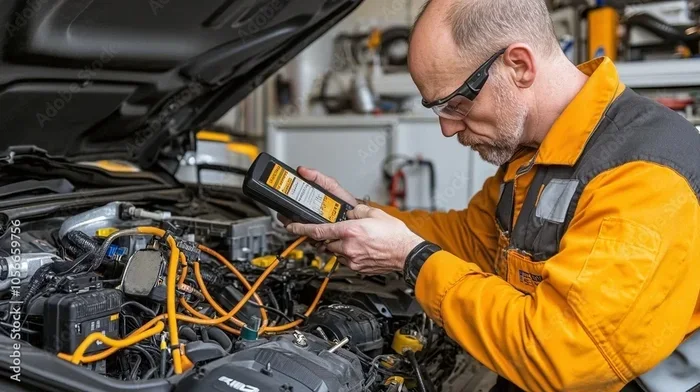
What Is the Most Common Cause of Code P0171 Explained
Code P0171 is a diagnostic trouble code that signals your engine is running too lean on bank 1. The most common cause is a vacuum leak that lets unmetered air sneak into the intake. Other culprits include a dirty mass airflow sensor, a weak fuel pump, or a failing oxygen sensor. Fixing the root cause quickly can save you from costly engine damage and poor fuel economy.
If your check engine light just popped on and your scanner shows Code P0171, you are probably wondering what went wrong. This is one of the most common diagnostic trouble codes that mechanics and car owners encounter. The good news is that you do not need to be a professional mechanic to understand what it means or how to fix it.
In this article, we will break down everything you need to know about Code P0171. We will cover the most common cause, other possible triggers, how to diagnose it, and the best ways to fix it. Whether you are a DIYer or just want to understand what your mechanic is talking about, this guide has you covered.
Key Takeaways
- Vacuum leaks are the #1 cause: Cracked hoses or loose connections let extra air into the engine, creating a lean condition.
- Code P0171 means bank 1 is too lean: The engine control module detects too much air and not enough fuel in the air-fuel mixture.
- Dirty sensors can trigger it too: A clogged mass airflow sensor or failing oxygen sensor sends wrong data to the engine computer.
- Fuel delivery problems matter: A weak fuel pump, clogged fuel filter, or dirty fuel injector can starve the engine of fuel.
- DIY diagnosis is possible: You can check for vacuum leaks and clean sensors at home with basic tools.
- Ignoring it can cause bigger damage: Running lean can harm your catalytic converter and engine over time.
- Fix it promptly: Early repair keeps your car running smoothly and prevents expensive repairs down the road.
📑 Table of Contents
What Does Code P0171 Mean?
The Basics of a Lean Fuel Condition
Code P0171 is a powertrain diagnostic trouble code that tells you your engine is running lean on bank 1. In simple terms, this means the air-fuel mixture has too much air and not enough fuel. Your engine needs a precise balance of air and fuel to run properly. When that balance shifts too far toward air, your engine cannot perform at its best.
The engine control module, or ECM, monitors the air-fuel ratio using sensors throughout the exhaust and intake system. When the oxygen sensor detects that the mixture is too lean for too long, it triggers Code P0171. This code specifically refers to bank 1, which is the side of the engine that contains cylinder number one.
You might notice symptoms like rough idling, reduced power, poor fuel economy, or stalling. Some cars also hesitate or stumble when you press the gas pedal. These signs tell you that your engine is not getting the fuel it needs to combust efficiently.
Why You Should Not Ignore This Code
Some drivers ignore a check engine light, especially if the car seems to drive fine. That is a big mistake. When your engine runs lean, it creates extra heat inside the combustion chamber. Over time, this can damage pistons, valves, and even the catalytic converter. The catalytic converter is an expensive part, and replacing it can cost well over a thousand dollars. So fixing Code P0171 early can save you a lot of money and headache.
The Most Common Cause of Code P0171
Vacuum Leaks Take the Top Spot
The single most common cause of Code P0171 is a vacuum leak. Your engine relies on a sealed intake system to measure the right amount of air. When a vacuum leak develops, unmetered air sneaks into the intake manifold after the mass airflow sensor. The engine computer does not account for this extra air, so it does not add enough fuel. The result is a lean mixture that triggers the code.
Vacuum leaks can come from many places. Here are the most frequent culprits:
- Cracked or brittle vacuum hoses
- A loose or damaged intake manifold gasket
- A faulty PCV valve or hose
- A cracked brake booster hose
- Loose or damaged throttle body connections
- Worn-out seals around the intake manifold
Older cars are especially prone to vacuum leaks because rubber hoses dry out and crack over time. Even a small leak can cause Code P0171 because the engine control module is very sensitive to changes in the air-fuel ratio.
How to Spot a Vacuum Leak
Finding a vacuum leak is easier than most people think. One simple method is to spray carburetor cleaner around the intake manifold and vacuum hoses while the engine is idling. If the idle changes or the engine speed increases, you have found your leak. You can also use a smoke tester, which is a tool that sends visible smoke into the intake system. The smoke escapes through any leaks, making them easy to see.
Another quick tip is to listen carefully. Many vacuum leaks produce a hissing sound near the engine bay. Pop the hood and listen while the engine is running. If you hear a faint hiss, follow the sound to its source.
Other Common Causes of Code P0171
While a vacuum leak is the top cause, several other problems can trigger Code P0171. Let us look at each one so you have a complete picture.
Dirty or Failing Mass Airflow Sensor
The mass airflow sensor, or MAF sensor, measures the amount of air entering the engine. It sends this data to the engine control module, which then calculates how much fuel to inject. When the MAF sensor gets dirty or fails, it sends incorrect readings. The engine may not get enough fuel, causing a lean condition and Code P0171.
Common reasons a MAF sensor fails include:
- Dirt and oil buildup on the sensor element
- Damaged or loose wiring and connectors
- Water damage from a previous hydro-lock event
- Aging and normal wear over time
Cleaning a dirty MAF sensor is often a simple fix. You can buy a dedicated MAF sensor cleaner at any auto parts store. Spray it gently on the sensor element and let it dry. Avoid touching the delicate wires inside. In many cases, this alone clears up Code P0171.
Oxygen Sensor Problems
The oxygen sensor, also called the O2 sensor, measures how much oxygen is in your exhaust gases. It tells the engine computer whether the mixture is rich or lean. When the oxygen sensor fails or becomes slow, it may send incorrect data. The engine control module might then adjust the fuel mixture incorrectly, leading to a lean condition.
Oxygen sensors wear out over time, especially in cars with higher mileage. They are relatively affordable parts, and replacing one is a common repair. If your oxygen sensor is the problem, you may also notice poor fuel economy and rough running.
Fuel Delivery Issues
Your engine needs a steady supply of fuel at the right pressure. If something interrupts that supply, the engine runs lean. Several fuel system components can cause Code P0171:
- Weak fuel pump: The fuel pump may not deliver enough pressure, especially under load.
- Clogged fuel filter: A dirty filter restricts fuel flow to the engine.
- Dirty fuel injectors: Clogged injectors do not spray fuel properly.
- Faulty fuel pressure regulator: This part controls fuel pressure and can fail over time.
If you suspect a fuel delivery problem, have a mechanic test your fuel pressure with a gauge. This is a quick and inexpensive diagnostic step that can point you in the right direction.
Exhaust Leaks
An exhaust leak before the oxygen sensor can also trigger Code P0171. When there is a hole or crack in the exhaust manifold or pipes, outside air gets sucked into the exhaust system. This changes the oxygen readings that the O2 sensor sees, making the engine computer think the mixture is leaner than it actually is.
Exhaust leaks often produce a ticking or tapping sound, especially when the engine is cold. You may also notice a loud exhaust note or a smell of exhaust fumes inside the cabin. If you suspect an exhaust leak, have it checked soon to prevent further damage.
How Mechanics Diagnose Code P0171
The Diagnostic Process Step by Step
When you bring your car in with Code P0171, a good mechanic follows a systematic process. Here is what a proper diagnosis typically looks like:
- The mechanic hooks up a diagnostic scanner to read the code and check freeze frame data.
- They visually inspect the intake system for cracked hoses, loose connections, and obvious damage.
- They perform a smoke test or propane enrichment test to find vacuum leaks.
- They check the MAF sensor readings and clean it if needed.
- They test fuel pressure and inspect the fuel pump, filter, and injectors.
- They examine the oxygen sensor data for accuracy and response time.
- They inspect the exhaust system for leaks before the O2 sensor.
This thorough approach ensures the mechanic finds the real cause, not just a symptom. Skipping steps can lead to unnecessary parts replacements and a return of Code P0171.
Tools You Need for a DIY Diagnosis
If you want to diagnose Code P0171 yourself, here are the tools that help:
- An OBD2 scanner to read and clear codes
- A can of carburetor cleaner for leak detection
- A fuel pressure gauge kit
- A smoke tester (optional but very helpful)
- Basic hand tools for removing intake components
You do not need expensive equipment to start diagnosing this code. Many vacuum leaks can be found with just a can of carburetor cleaner and a careful ear.
How to Fix Code P0171
Repair Options Based on the Cause
The fix for Code P0171 depends entirely on what caused it. Here is a breakdown of common repairs and what you can expect:
- Vacuum leak repair: Replace cracked hoses, tighten connections, or install a new intake manifold gasket. Cost ranges from $50 to $300 depending on the location.
- MAF sensor cleaning or replacement: Cleaning costs almost nothing. Replacing a MAF sensor typically runs $100 to $350.
- Oxygen sensor replacement: Parts cost $50 to $250, with labor adding another $50 to $150.
- Fuel pump replacement: This is a more expensive repair, usually $300 to $800.
- Fuel injector cleaning or replacement: Cleaning costs around $50 to $100. Replacing injectors can run $150 to $400.
- Exhaust leak repair: Costs vary widely, from $50 for a simple gasket to $300 or more for a cracked manifold.
Always get a proper diagnosis before replacing parts. Throwing money at parts without knowing the root cause is a waste of time and money.
Quick Tips for a Successful Repair
Here are some practical tips to keep in mind when fixing Code P0171:
- Always clear the code after the repair and take the car for a test drive.
- Do not replace parts blindly. Follow a logical diagnostic sequence.
- Use OEM or high-quality aftermarket parts for sensors and gaskets.
- Check for any technical service bulletins for your specific vehicle model.
- Take your car to a trusted mechanic if you are unsure about any step.
Preventing Code P0171 from Coming Back
Regular Maintenance Tips
The best way to deal with Code P0171 is to prevent it from happening in the first place. Regular maintenance goes a long way in keeping your engine running at its best. Here are some simple habits that help:
- Replace your air filter on schedule. A dirty air filter can affect airflow and sensor readings.
- Use quality fuel from reputable stations. Bad fuel can cause lean conditions and sensor problems.
- Have your fuel system inspected every 30,000 miles. Clean or replace fuel injectors as needed.
- Check vacuum hoses during oil changes. Look for cracks, brittleness, or loose connections.
- Replace oxygen sensors according to your vehicle manufacturer recommendations.
- Do not ignore the check engine light. Address codes promptly before they cause bigger problems.
The Importance of Timely Repairs
Some car owners put off repairs because they are busy or the car still drives. But small problems become big ones fast. A simple vacuum leak that causes Code P0171 today can lead to catalytic converter damage next month. That repair costs many times more. Stay on top of your car maintenance and address issues early.
Expert Insights on Code P0171
Experienced mechanics agree that vacuum leaks are the number one cause of Code P0171 across virtually all vehicle makes and models. The reason is simple: the intake system has many rubber components that degrade over time. Heat, oil, and age all take a toll on these parts. By the time a car reaches 100,000 miles, vacuum leaks become increasingly common.
Another expert tip is to always check for multiple codes together. Sometimes Code P0171 appears alongside other codes like P0174 (lean on bank 2) or P0300 (random misfire). These additional codes can help you narrow down the root cause faster. For example, if you see P0171 and P0300 together, a vacuum leak or fuel delivery issue is very likely.
Modern cars with direct injection are also more susceptible to intake valve carbon buildup. This buildup can create lean spots in the combustion chamber and contribute to Code P0171. Regular intake cleaning can help prevent this issue in these vehicles.
Key Takeaways
- Vacuum leaks are the most common cause: Cracked hoses and loose connections let extra air into the intake, creating a lean mixture.
- Code P0171 means bank 1 is running lean: The engine has too much air and not enough fuel in the combustion chamber.
- Dirty MAF and oxygen sensors can also trigger it: Faulty sensor readings confuse the engine computer and lead to incorrect fuel adjustments.
- Fuel delivery problems matter too: A weak fuel pump or clogged filter starves the engine of fuel.
- Exhaust leaks before the O2 sensor can mimic lean conditions: Extra air enters the exhaust and changes sensor readings.
- Prompt repair is essential: Ignoring Code P0171 can lead to catalytic converter damage and expensive repairs.
- Regular maintenance prevents recurrence: Simple habits like checking vacuum hoses and using quality fuel keep your engine healthy.
Conclusion
Code P0171 is a very common trouble code, and the good news is that it is usually fixable without breaking the bank. The most common cause is a vacuum leak that lets unmetered air into the intake system. Other possible triggers include a dirty MAF sensor, failing oxygen sensor, fuel delivery issues, or an exhaust leak.
The key is to diagnose the root cause correctly before replacing parts. Whether you do it yourself or visit a mechanic, understanding what Code P0171 means puts you in a much better position. Do not ignore the check engine light. Address it quickly, and your car will thank you with better performance, improved fuel economy, and fewer repairs down the road.
Take the time to learn about your vehicle, stay on top of maintenance, and never hesitate to ask questions. A little knowledge goes a long way when it comes to keeping your car healthy and your wallet happy.
Frequently Asked Questions
Can I drive my car with Code P0171?
You can drive a short distance, but it is not recommended for long trips. A lean fuel mixture can cause engine damage over time, especially to the catalytic converter. Get the code diagnosed and fixed as soon as possible to avoid costly repairs.
How much does it cost to fix Code P0171?
The cost depends entirely on the cause. A simple vacuum hose replacement might cost under $50, while a fuel pump replacement could run $300 to $800. Always get a proper diagnosis first so you know exactly what needs to be fixed.
Can a dirty air filter cause Code P0171?
A dirty air filter is unlikely to cause a lean condition. In fact, a clogged filter usually causes a rich condition. However, a dirty air filter can affect overall engine performance and sensor readings, so it is still worth replacing on schedule.
What is the difference between Code P0171 and Code P0174?
Code P0171 indicates a lean condition on bank 1 of the engine, while Code P0174 indicates a lean condition on bank 2. Bank 1 contains cylinder number one, and bank 2 is the opposite side. Both codes have similar causes but affect different parts of the engine.
Can bad fuel cause Code P0171?
Yes, bad or contaminated fuel can cause a lean condition. Water in the fuel or low-quality gasoline can disrupt proper combustion and fuel delivery. If you suspect bad fuel, drain the tank and refill with fresh, quality fuel from a reputable station.
Will Code P0171 clear itself?
In rare cases, a temporary condition like a brief vacuum leak might clear the code after a few drive cycles. However, if the underlying problem still exists, the code will return. It is always best to diagnose and fix the root cause rather than waiting for the code to clear on its own.


