Why Wont My Garage Door Opener in My Car Work Anymore
Your garage door opener in your car may stop working due to a dead battery, signal interference, or a need to reprogram the system. Most fixes are simple and can be done at home without calling a professional. This guide walks you through every common cause and the best solutions to get your car garage door back up and running.
There is nothing more frustrating than standing in your driveway, pressing the button on your car console, and hearing nothing. Your garage door opener in car not working can throw a wrench into your entire morning routine. Whether you are rushing to work or carrying a load of groceries, a silent garage door opener is a real headache.
The good news is that this problem is usually easy to fix. Most of the time, the issue is something simple like a dead battery or a need to reprogram the system. In this article, we will walk you through every reason your garage door remote might have stopped working and show you exactly how to fix it. You will learn troubleshooting steps, reprogramming tips, and prevention advice that will keep your system running smoothly for years to come.
Let us dive right in and figure out why your garage door opener is giving you trouble. By the end of this guide, you will know exactly what to do and how to get back to effortless garage access.
Key Takeaways
- Dead battery in the remote: This is the most common reason your garage door opener stops responding from your car.
- Signal interference: Nearby devices or a change in your home environment can block the signal between your car and the opener.
- Need to reprogram: After a power outage or battery change, your car’s HomeLink system may need to be reset.
- Faulty wall switch or opener motor: The problem might not be in your car at all but in the garage door system itself.
- Rolling code technology: Modern systems use rolling codes that require specific reprogramming steps to sync properly.
- Preventive maintenance: Regular battery replacement and cleaning can stop most garage door opener problems before they start.
- When to call a pro: Some issues like motor failure or sensor misalignment need professional diagnosis and repair.
📑 Table of Contents
- Common Reasons Your Garage Door Opener Stopped Working
- How to Diagnose the Problem Step by Step
- Reprogramming Your Garage Door Opener in Your Car
- When to Replace the Remote or Opener System
- Preventing Future Garage Door Opener Issues
- Quick Tips for Common Garage Door Opener Problems
- Common Mistakes People Make With Garage Door Openers
- Expert Insights: What Garage Door Technicians Want You to Know
- Key Takeaways
- Conclusion
Common Reasons Your Garage Door Opener Stopped Working
Before you start replacing parts or calling a technician, it helps to understand what could be causing the problem. Several factors can lead to your car garage door opener failing to respond. Let us look at the most common culprits.
Dead Battery in the Remote
The single most common reason your garage door opener in car not working is a dead battery in the remote itself. Remote batteries typically last one to two years, but heavy use can shorten that lifespan. If you notice the signal getting weaker over time, the battery is likely on its way out.
Replacing the battery is usually a five-minute job. Most car console remotes use a small CR2032 coin cell battery. Open the remote casing, swap out the old battery, and snap it back together. Try the opener again before moving on to more complex fixes.
Signal Interference
Have you ever noticed your garage door remote works fine sometimes but not others? Signal interference could be the answer. Other electronic devices near your garage, like security cameras, Wi-Fi extenders, or even neighboring garage door openers, can disrupt the frequency your remote uses.
Modern garage door opener systems operate on specific radio frequencies, usually around 315 MHz or 390 MHz. When a new device in your home operates on a similar frequency, it can create chaos. Try moving potential interference sources away from your garage and test the remote again.
Need to Reprogram the System
Sometimes your car’s integrated garage door system simply loses its connection to the opener. This happens after a power outage, a battery replacement, or even a routine update from the opener manufacturer. The good news is that reprogramming your garage door opener is straightforward once you know the steps.
Most vehicles with a HomeLink system have a simple three-step reprogramming process. You will need to press and hold the HomeLink button in your car while simultaneously activating the opener on the wall. The lights on the HomeLink unit will flash to confirm the new connection.
Faulty Wall Switch or Opener Motor
Here is something many people overlook: the problem might not be in your car at all. If the wall switch near your garage door also fails to work, the issue is likely with the opener motor or the wall switch itself. A tripped circuit breaker, a faulty motor, or a worn-out gear inside the opener unit can all cause a complete system failure.
Check your home’s electrical panel first. Reset any tripped breakers and see if that restores power to your garage door opener. If the motor hums but the door does not move, the gear assembly inside the opener unit may need replacement.
How to Diagnose the Problem Step by Step
Now that you know the common causes, let us walk through a systematic diagnosis. Following these steps will help you pinpoint the exact issue without wasting time or money.
Step 1: Test the Remote on Other Doors
Start by testing your garage door remote on a neighbor’s garage door if possible. This simple test tells you whether the problem is with your remote or with your specific opener system. If the remote works on another door, the issue lies with your opener receiver or motor.
Step 2: Check the Battery
Open your car console remote and inspect the battery. Even if the battery looks fine, try replacing it with a fresh one. Sometimes a battery has enough charge to power the remote’s lights but not enough to send a strong signal to the garage door opener.
Step 3: Inspect the Safety Sensors
Your garage door has safety sensors near the floor on both sides of the door frame. These sensors prevent the door from closing on objects or people. If one sensor is misaligned, dirty, or has a loose wire, the entire opener system may refuse to respond. Clean the sensor lenses with a soft cloth and make sure they face each other directly.
Step 4: Check the Indicator Lights
Most modern garage door opener units have indicator lights that communicate the system’s status. A solid light usually means the system is powered and ready. A blinking light often signals an error code. Check your opener’s manual or the manufacturer’s website to decode what the blinking pattern means.
Step 5: Test the Wall Switch
Press the wall switch mounted near your garage door. If the door responds to the wall switch but not your car remote, the problem is isolated to the remote or the car’s HomeLink system. If neither works, the issue is with the opener motor or power supply.
Reprogramming Your Garage Door Opener in Your Car
Reprogramming is often the magic fix that solves the problem of your garage door opener in car not working. Almost every vehicle with an integrated opener system follows a similar process, though the exact steps vary by manufacturer.
Reprogramming for HomeLink Systems
Most cars built after 2000 come equipped with a HomeLink system. This integrated system replaces the need for a separate remote and lets you control your garage door directly from your car console. To reprogram it:
- Locate the HomeLink buttons in your car. They are usually found on the ceiling console, above the rearview mirror, or on the driver’s side visor.
- Press and hold the HomeLink button you want to program. Do not release it.
- While holding the HomeLink button, go to your garage door opener unit and press the learn button. This button is usually located on the back or side of the motor unit.
- Return to your car and release the HomeLink button. The indicator light should flash twice and then stay solid.
- Test the system by pressing the HomeLink button. Your garage door should respond immediately.
Reprogramming for Universal Remotes
If your car uses a universal remote rather than a built-in HomeLink system, the process is slightly different. Universal remotes come with a set of dip switches or a code search button. Match the dip switch settings on the remote to the settings on your opener receiver, or use the code search function to find the correct frequency automatically.
Rolling Code Technology Explained
Modern garage door opener systems use something called rolling code technology. This means the security code changes every time you use the remote. While this is great for safety, it also means that simply replacing the battery requires you to resync the remote with the opener. If you have recently changed batteries or unplugged the opener, a full reprogramming session is necessary to restore function.
When to Replace the Remote or Opener System
Sometimes troubleshooting and reprogramming are not enough. If your garage door remote is old, damaged, or simply cannot be synced anymore, it might be time for a replacement.
Signs You Need a New Remote
- The remote is physically cracked or the buttons are worn out.
- Replacing the battery does not restore function.
- The remote works intermittently or only at very close range.
- Your car manufacturer no longer supports replacement parts for the console unit.
Signs You Need a New Opener Motor
- The motor makes grinding or straining noises but the door does not move.
- The opener is more than 10 to 15 years old and frequently breaks down.
- Replacement parts are no longer available for your model.
- The door responds to the wall switch but never to any remote signal.
Upgrading to a Smart Garage Door Opener
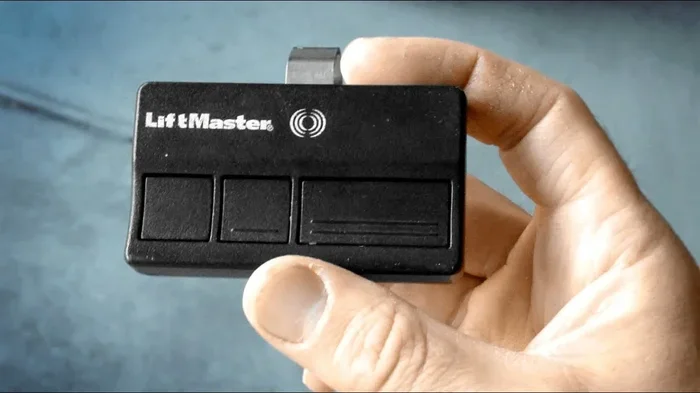
If you are replacing your system anyway, consider upgrading to a smart garage door opener. These modern units connect to your home Wi-Fi and let you control your garage door from your smartphone. You can check if the door is closed, open it remotely, and even receive alerts when someone enters your garage. Brands like Chamberlain, Genie, and LiftMaster offer reliable smart options that integrate with most car manufacturer systems.
Preventing Future Garage Door Opener Issues
The best way to avoid the frustration of a garage door opener in car not working is to prevent problems before they happen. A little regular maintenance goes a long way toward keeping your system running smoothly.
Replace Batteries on a Schedule
Do not wait for your remote to stop working before you replace the battery. Set a reminder every six months to swap out the batteries in all your remotes. This simple habit prevents the most common cause of garage door remote failure.
Keep the Opener Unit Clean
Dust, dirt, and cobwebs can build up around the opener motor and sensors over time. Wipe down the opener unit periodically and make sure the sensors remain clean and unobstructed. A clean system runs more efficiently and lasts longer.
Lubricate Moving Parts
Your garage door has chains, rollers, and hinges that need regular lubrication. Use a silicone-based lubricant on the chain or belt drive, the rollers, and the hinges. This reduces strain on the opener motor and helps the door move smoothly.
Test Safety Sensors Monthly
Make it a habit to test your safety sensors once a month. Place a roll of paper towels in the path of the closing door and press the close button. The door should reverse immediately. If it does not, adjust or clean the sensors right away. Functional safety sensors protect your family and prevent damage to your garage door.
Quick Tips for Common Garage Door Opener Problems
Here are some fast fixes you can try right now if your garage door opener in car is giving you trouble:
- Unplug and replug the opener: Sometimes simply resetting the power supply by unplugging the opener for 30 seconds and plugging it back in fixes the issue.
- Check the lock button: Many openers have a manual lock feature. If the lock button on the wall switch is engaged, the remote will not work. Press it again to unlock.
- Move closer to the door: If your remote only works from very close range, the battery is likely weak or the antenna inside your car is damaged.
- Try the keypad: If your opener has an external keypad, test it. If the keypad works but the car remote does not, the problem is with the car’s HomeLink system.
- Check for antenna damage: The small antenna wire hanging from your car’s rearview mirror area can become damaged or disconnected. Inspect it and reattach if needed.
Common Mistakes People Make With Garage Door Openers
Avoid these common pitfalls that can cause or worsen garage door opener problems:
- Ignoring weak signals: If your remote works only from a few feet away, do not ignore it. Replace the battery immediately before it dies completely.
- Using the wrong battery: Always use the battery type specified by your car manufacturer and opener manufacturer. Using the wrong voltage can damage the remote.
- Skipping reprogramming after power outages: Power outages often reset your HomeLink system. Always reprogram after the power comes back on.
- Forgetting to replace both remotes: If one remote battery dies, the other one might be close behind. Replace batteries in all remotes at the same time.
- Attempting complex repairs without professional help: While many issues are DIY-friendly, electrical problems with the opener motor should be handled by a qualified technician.
Expert Insights: What Garage Door Technicians Want You to Know
Professional garage door technicians see the same problems over and over again. Here is what the experts wish every homeowner knew about their garage door opener system.
Most opener failures are preventable. Regular maintenance, timely battery replacement, and keeping the system clean can extend the life of your opener by many years. Technicians recommend a full system inspection every two years.
The wall switch is your best diagnostic tool. When your garage door remote stops working, always test the wall switch first. This single step tells you whether the problem is in your car or in the garage itself, saving you hours of unnecessary troubleshooting.
Do not ignore small problems. A remote that works intermittently today may stop working entirely tomorrow. Address small issues immediately before they become expensive repairs. A simple battery replacement costs a few dollars. A new opener motor can cost several hundred.
Rolling code systems need patience. If you own a newer home with a modern opener, understand that the rolling code technology requires exact reprogramming steps. Rushing through the process is the most common reason reprogramming attempts fail. Follow the instructions carefully and wait for the confirmation lights before testing.
Key Takeaways
- Dead battery in the remote: This is the most common reason your garage door opener in car not working. Always check the battery first.
- Signal interference: New electronic devices in your home can block the signal between your car remote and the opener.
- Need to reprogram: Power outages, battery changes, and system updates can break the connection between your car and the opener.
- Faulty wall switch or opener motor: If the wall switch also fails, the problem is with the garage system, not your car.
- Rolling code technology: Modern openers use changing codes that require precise reprogramming to sync with your car.
- Preventive maintenance: Regular battery replacement, cleaning, and lubrication prevent most issues before they occur.
- When to call a pro: Motor failure, sensor damage, and electrical problems need professional diagnosis and repair.
Conclusion
A garage door opener in car not working is annoying, but it is almost always fixable. In most cases, the culprit is a simple dead battery, signal interference, or a need to reprogram the system. By following the diagnostic steps in this guide, you can identify the exact problem and apply the right fix quickly.
Remember to maintain your system regularly. Replace batteries on a schedule, keep the opener unit clean, and test your safety sensors monthly. These small habits prevent the vast majority of garage door opener problems and keep your system running reliably for years.
If you have tried everything and your garage door remote still does not work, do not hesitate to call a professional. A qualified technician can diagnose complex issues with the opener motor, the wall switch, or the electrical system safely and efficiently. The peace of mind that comes with a properly functioning garage door is well worth the investment.
Now that you know the ins and outs of troubleshooting your car’s garage door opener, you are equipped to handle the problem like a pro. The next time your garage door stops responding, you will know exactly what to do. Get out there, fix the issue, and get back to your day with confidence.
Frequently Asked Questions
Why does my garage door opener work sometimes but not others?
Intermittent operation is usually caused by a weak battery in the remote or signal interference from nearby electronic devices. Replace the battery first, and if the problem persists, look for new devices in your home that may be operating on the same frequency as your garage door opener.
How do I know if my garage door opener motor is bad?
Signs of a failing opener motor include grinding noises, the door not moving even though the motor hums, and the door responding to the wall switch but not to any remote. If your garage door opener in car not working but the wall switch also fails, the motor is likely the issue.
Can I replace just the remote instead of the whole opener system?
Yes, in most cases you can replace just the remote. Make sure the replacement remote is compatible with your opener model. Many car manufacturers also sell replacement console remotes that match your vehicle’s interior.
How often should I replace the battery in my garage door remote?
Replace the battery every 12 to 18 months as a preventive measure. If you notice the remote signal weakening before that timeframe, replace the battery immediately. This simple habit prevents the frustration of a garage door opener in car not working at the worst possible moment.
What is the learn button on my garage door opener?
The learn button is a small button located on the back or side of your garage door opener motor unit. It is used to sync new remotes, keypads, or car-based HomeLink systems with the opener. Pressing this button puts the opener into pairing mode so it can recognize a new device.
Is it safe to use my garage door opener if the safety sensors are misaligned?
No, never use your garage door opener with misaligned or damaged safety sensors. These sensors are a critical safety feature that prevents the door from closing on people, pets, or objects. Misaligned sensors can cause the door to close unexpectedly, creating a serious safety hazard. Always fix sensor issues immediately.