Will a Diagnostic Test Tell Me Whats Wrong With My Car
A diagnostic test is a powerful tool that reads error codes from your car’s computer system. However, it does not always give you a complete answer about what is wrong. Think of it as a starting point, not a final diagnosis. Understanding what a diagnostic test can and cannot do saves you time, money, and frustration.
Your car starts acting strange. Maybe the check engine light is on, or you noticed a weird noise when you hit the brakes. You wonder if a car diagnostic test will solve the mystery. After all, modern vehicles are packed with computers and sensors. So it makes sense that a scan tool could tell you exactly what is going wrong, right?
Well, it is not that simple. A diagnostic test is incredibly useful, but it is not a magic crystal ball. It gives you clues, not the whole picture. Think of it like a doctor running blood work. The test shows numbers that are too high or too low. But the doctor still needs to figure out the cause. The same idea applies to your vehicle. This guide breaks down exactly what a diagnostic test can do, what it cannot do, and how to get the most out of it.
Key Takeaways
- Diagnostic tests read error codes: They pull data from your car’s onboard computer to identify potential issues.
- Codes point to symptoms, not always causes: A code like P0300 tells you there is a misfire but not why it happened.
- Some problems go undetected: Mechanical wear, intermittent issues, and certain electrical faults may not trigger a code.
- DIY code readers have limits: Basic readers give you codes but lack the depth professional tools provide.
- Professional diagnostics cost more but deliver answers: A trained mechanic interprets codes and performs follow-up tests.
- Always ask your mechanic for an explanation: Understanding your car’s condition helps you make better repair decisions.
- Regular testing helps prevent bigger problems: Catching small issues early saves you from expensive repairs later.
📑 Table of Contents
- What Does a Car Diagnostic Test Actually Do?
- How Does the Diagnostic Process Work?
- What Problems Can a Diagnostic Test Reveal?
- Can a Diagnostic Test Find Everything Wrong With Your Car?
- How Much Does a Car Diagnostic Test Cost?
- Should You DIY or Visit a Mechanic?
- How to Get the Most Out of Your Diagnostic Test
- Key Takeaways
- Conclusion
What Does a Car Diagnostic Test Actually Do?
A car diagnostic test connects to your vehicle’s onboard computer system. Every car made after 1996 has a standardized system called OBD-II. This system monitors dozens of sensors throughout the engine, transmission, and exhaust. When something goes wrong, the computer stores an error code.
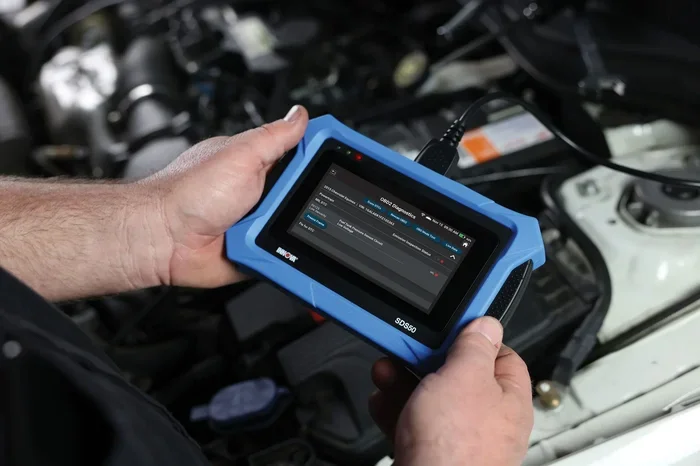
A diagnostic tool reads those codes. It also pulls live data from sensors while the engine is running. This data includes things like fuel trim values, oxygen sensor readings, and engine RPM patterns. The tool translates these into something you can read on a screen.
How the OBD-II System Works
Your car’s ECU, or engine control unit, acts like the brain of the vehicle. It constantly receives information from sensors. If a reading falls outside the expected range, the ECU logs a trouble code and often turns on the check engine light. These check engine light codes give technicians a starting point for investigation.
Here are some common codes you might see:
- P0300: Random or multiple cylinder misfire detected
- P0420: Catalyst system efficiency below threshold
- P0171: System too lean (bank 1)
- P0442: Evaporative emission control leak detected
- P0135: Oxygen sensor heater circuit malfunction
Each code tells a story. But it is a story with missing pages. The code tells you what the computer saw, not necessarily what caused it. That is where the real detective work begins.
How Does the Diagnostic Process Work?
When you take your car in for engine diagnostics, the process is straightforward but important. A technician plugs a scanner into the OBD-II port. This port is usually located under your dashboard on the driver’s side. The scanner communicates with the ECU and retrieves stored codes and freeze-frame data.
Freeze-frame data is a snapshot of sensor readings taken at the exact moment the error code was triggered. This information is incredibly valuable. It tells you the conditions under which the problem occurred. Was the engine cold? Was the car idling? Was it under load? These details help narrow down the cause.
What Happens After the Scan
Once the codes are retrieved, the technician does not just guess. They use the codes as a roadmap. For example, a misfire code might lead them to check spark plugs, ignition coils, or fuel injectors. They might also look at live data to see how sensors are performing in real time.
A good mechanic will also perform visual inspections and physical tests. They might check for vacuum leaks, test compression, or inspect wiring harnesses. This hands-on work is just as important as the OBD scanner results. The scan tool opens the door, but the mechanic walks through it.
Quick Tip: When you get your diagnostic test done, always ask the technician to explain the codes and what they mean. Understanding the process helps you make informed decisions about repairs.
What Problems Can a Diagnostic Test Reveal?
A vehicle diagnostic test is excellent at finding certain types of problems. It shines when the issue involves sensors, electronic systems, or emissions components. Here is a look at what a diagnostic test can typically uncover.
Engine and Sensor Issues
Your car has dozens of sensors that monitor everything from air intake to exhaust output. When one of these sensors fails, the ECU usually catches it. Common sensor-related problems that a diagnostic test can reveal include:
- Faulty oxygen sensors: These sensors measure how much oxygen is in your exhaust. A bad sensor can hurt fuel economy and increase emissions.
- Bad mass airflow sensor: This sensor measures how much air enters the engine. A malfunction causes rough idling and poor acceleration.
- Failed coolant temperature sensor: This sensor tells the ECU the engine’s temperature. A bad reading can cause overheating or poor fuel mixture.
- Knock sensor problems: This sensor detects engine knocking. A fault can lead to reduced performance and potential engine damage.
Emissions System Problems
Your car’s emissions system is heavily monitored by the ECU. A diagnostic test is very good at finding issues in this area. Common problems include faulty catalytic converters, leaking EVAP system components, and malfunctioning exhaust gas recirculation valves. These issues often show up as specific error codes that a scanner can read directly.
Transmission and Powertrain Codes
Transmission problems also generate error codes. A powertrain control module monitors transmission shift patterns, solenoid operation, and fluid temperature. Codes related to transmission issues can point to solenoid failures, slipping clutches, or low fluid levels. A diagnostic test can flag these problems early.
Can a Diagnostic Test Find Everything Wrong With Your Car?
Here is the honest answer: no. A diagnostic test is a powerful tool, but it has clear limitations. Many people assume that a scan tool gives a complete picture of their car’s health. That is simply not true.
Problems That Do Not Trigger Error Codes
Not every car problem generates a code. Mechanical wear and tear often goes undetected by a standard diagnostic test. For example:
- Worn brake pads: There is no sensor that tells you your brake pads are thin. You have to inspect them visually.
- Timing belt wear: A timing belt stretches over time, but the ECU does not monitor belt condition directly.
- Suspension component wear: Worn ball joints, tie rods, or bushings do not trigger electronic codes.
- Oil leaks: A small oil leak from a gasket will not set off a check engine light or generate a code.
These are real problems that affect your car’s safety and performance. But a diagnostic test will not catch them. This is why a thorough physical inspection matters just as much as any electronic scan.
Intermittent and Electrical Gremlins
Some car problems come and go. They are frustrating because they do not stay long enough for the ECU to store a code. Intermittent electrical faults, loose connections, and heat-sensitive wiring issues often escape detection during a standard diagnostic session. A skilled technician knows how to chase these elusive problems using experience and specialized tools.
The Difference Between Codes and Root Causes
This is the biggest misconception about car diagnostics. A code tells you the symptom, not the root cause. Let me give you a clear example.
Imagine your check engine light comes on. You get a diagnostic test. The scanner shows a P0301 code, which means cylinder 1 is misfiring. Now what? The code tells you the misfire exists, but it does not tell you why. The cause could be a worn spark plug, a faulty ignition coil, a clogged fuel injector, or even a vacuum leak. Each of these requires a different repair. The diagnostic test points you in the right direction, but it does not replace the expertise of a trained technician.
Common Mistakes: Many car owners make the mistake of replacing parts based solely on error codes. They buy a new ignition coil because a misfire code appeared, only to find out the real problem was a cracked spark plug wire. This wastes money and time. Always let a professional investigate the root cause before replacing expensive parts.
How Much Does a Car Diagnostic Test Cost?
The cost of a diagnostic fee varies widely depending on where you go and what type of testing is needed. Understanding the pricing helps you set realistic expectations and avoid surprises.
A basic diagnostic scan at a parts store or auto shop typically costs between $50 and $150. This scan pulls the stored error codes and gives you a printed or emailed report. Many chain auto parts stores offer free code reading as a way to get you into the store. However, these free scans come with a catch. They only give you the codes, not the interpretation or follow-up testing.
A full professional diagnostic test at a reputable repair shop costs more. You might pay between $100 and $300 depending on the complexity of the issue. This fee covers the technician’s time to analyze the codes, review freeze-frame data, perform follow-up tests, and provide a detailed diagnosis. Think of it as paying for expertise, not just the scan itself.
| Type of Diagnostic | Typical Cost | What You Get |
|---|---|---|
| Free code read at parts store | $0 | Basic error codes only |
| Basic scan at an auto shop | $50 – $150 | Codes and basic interpretation |
| Full professional diagnostic | $100 – $300 | Codes, data analysis, follow-up tests, and repair recommendations |
| Specialized diagnostics (transmission, ABS, etc.) | $150 – $400 | In-depth testing of specific systems |
Keep in mind that some diagnostic fees are waived if you proceed with the recommended repairs at the same shop. Always ask about this before paying for a diagnosis.
Should You DIY or Visit a Mechanic?
With the rise of affordable Bluetooth OBD scanners and smartphone apps, many car owners want to diagnose problems themselves. This is a great option for some situations, but not all. Let us look at the pros and cons.
When DIY Diagnostics Make Sense
DIY diagnostics work well for simple, clear-cut problems. If your check engine light is on and you want to know the code, a basic code reader is a great investment. These devices cost between $20 and $100 and plug right into your OBD-II port. They give you instant access to stored codes and sometimes live sensor data.
DIY diagnostics also make sense when you already have some mechanical knowledge. If you have replaced spark plugs before or changed your own oil, reading a code and doing basic research is manageable. Many online resources and forums can help you understand what specific codes mean for your vehicle.
When You Need a Professional
You should visit a mechanic when the problem is complex or when you are unsure about what to do. Here are clear signs you need professional help:
- The check engine light is flashing (this indicates a serious problem like an active misfire that could damage the catalytic converter)
- You have multiple error codes that seem unrelated
- The car is stalling, losing power, or making unusual noises
- You have already replaced parts based on codes but the problem persists
- The issue involves safety systems like brakes, steering, or airbags
A professional mechanic has the training, experience, and advanced tools to dig deeper. They can perform tests that a basic code reader cannot do. For example, they can measure fuel pressure, test compression, check electrical resistance, and perform road tests. These hands-on skills complement the data from a diagnostic scan.
Expert Insight: Experienced mechanics often say the diagnostic scan is only 20% of the job. The other 80% is the investigation, interpretation, and hands-on testing that follows. This is why professional diagnostics carry a higher price tag but also deliver real answers.
How to Get the Most Out of Your Diagnostic Test
Whether you go DIY or visit a shop, there are steps you can take to get better results from your diagnostic test. Preparation matters.
- Note the symptoms: Before the test, write down exactly what you noticed. When does the problem happen? Is it cold-start only? Does it happen at highway speeds? This context helps the technician enormously.
- Do not ignore the check engine light: Even if the car seems to drive fine, a steady check engine light means something needs attention. Ignoring it can lead to bigger problems and higher repair costs.
- Ask questions: Do not be afraid to ask your mechanic to explain the codes and what they mean. A good technician will walk you through the findings.
- Get a written estimate: Before any repairs begin, ask for a detailed estimate that includes the diagnostic fee and the recommended repairs with costs.
- Keep records: Save your diagnostic reports. They create a history of your car’s health and can help identify patterns over time.
Taking these steps ensures that your car diagnostic test delivers real value. You walk away with actionable information, not just a printout of confusing codes.
Key Takeaways
- Diagnostic tests read error codes: They pull data from your car’s onboard computer to identify potential issues.
- Codes point to symptoms, not always causes: A code like P0300 tells you there is a misfire but not why it happened.
- Some problems go undetected: Mechanical wear, intermittent issues, and certain electrical faults may not trigger a code.
- DIY code readers have limits: Basic readers give you codes but lack the depth professional tools provide.
- Professional diagnostics cost more but deliver answers: A trained mechanic interprets codes and performs follow-up tests.
- Always ask your mechanic for an explanation: Understanding your car’s condition helps you make better repair decisions.
- Regular testing helps prevent bigger problems: Catching small issues early saves you from expensive repairs later.
Conclusion
So, will a diagnostic test tell me what is wrong with my car? The answer is both yes and no. A diagnostic test is an essential first step. It reveals error codes, shows sensor data, and points the technician toward the problem. Without it, diagnosing a modern vehicle would be like searching for a needle in a haystack blindfolded.
But a diagnostic test alone does not give you the full picture. It gives you clues. The real answer comes from combining those clues with a technician’s expertise, hands-on testing, and careful investigation. Think of the diagnostic test as the starting line, not the finish line.
The next time your check engine light comes on, do not panic. Get a diagnostic test. Use the results as a foundation for understanding your car’s health. And then trust a qualified professional to dig deeper and find the real solution. Your car will thank you for it with better performance, improved fuel economy, and fewer surprises down the road.
Taking care of small problems early is one of the best things you can do for your vehicle. A simple car diagnostic test today can save you from a major car repair bill tomorrow. Do not wait until the problem gets worse. Be proactive, stay informed, and keep your car running strong.
Frequently Asked Questions
How long does a car diagnostic test take?
A basic diagnostic scan takes about 10 to 15 minutes. A full professional diagnostic that includes code analysis and follow-up testing can take one to two hours. The time depends on the complexity of the issue and the type of vehicle you drive.
Can I drive my car with the check engine light on?
You can usually drive a short distance with a steady check engine light, but you should not ignore it. A flashing check engine light is more serious and means you should stop driving and get your car towed. A flashing light often indicates an active misfire that can damage your catalytic converter.
Will a diagnostic test reset my check engine light?
A diagnostic tool can read codes and clear them, which may turn off the check engine light temporarily. However, if the underlying problem is not fixed, the light will come back on. Clearing codes without fixing the root cause is not a real solution.
What is the difference between a code reader and a professional diagnostic tool?
A basic code reader pulls and displays stored error codes. A professional diagnostic tool reads codes, provides live sensor data, performs advanced tests, and offers manufacturer-specific diagnostics. Professional tools also allow technicians to access deeper systems like ABS, airbags, and transmission controls.
How often should I get a diagnostic test done?
There is no set schedule for diagnostic testing. Most people get a test when the check engine light comes on or when they notice a problem. However, some car owners get a diagnostic test during routine maintenance or before purchasing a used vehicle to check for hidden issues.
Can a diagnostic test tell me if my car needs an oil change?
No, a standard diagnostic test does not monitor oil life or oil quality directly. However, some newer vehicles have an oil life monitoring system that tracks driving conditions and tells you when an oil change is due. This information is separate from the diagnostic error codes system.