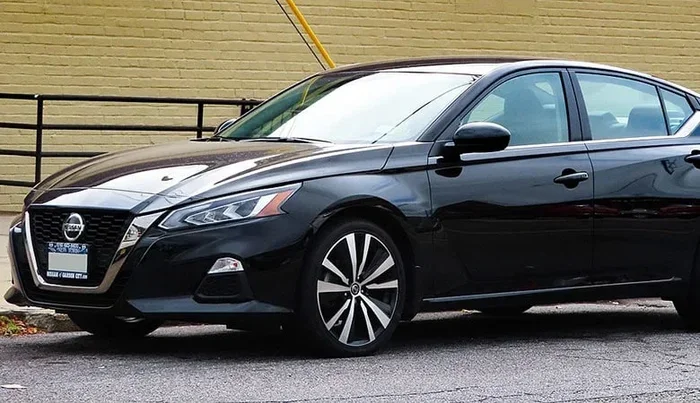
A Car of Mass 1500 kg and How It Affects Performance
A car of mass 1500 kg is a common vehicle weight that shapes how a car drives, stops, and burns fuel. Vehicle weight affects acceleration, braking distance, and overall car performance in big ways. Understanding curb weight helps buyers make smarter choices. Heavier cars need more engine power and can use more fuel on the road.
A car of mass 1500 kg is one of the most common weights you will see on today’s roads. This number is not just a random figure. It shapes how the car accelerates, how far it stops, and how much fuel it uses. A car of mass 1500 kg represents a mid-size sedan, a compact SUV, or a small family wagon. These vehicles balance comfort, power, and efficiency in a way that appeals to millions of drivers worldwide.
When we talk about vehicle weight, we are really talking about how physics affects everyday driving. A heavier car carries more kinetic energy when it moves. That means it needs more force to speed up and more distance to slow down. On the other hand, a heavier car can feel more stable at high speeds. It resists wind and road bumps better than a very light vehicle. This is why car performance and vehicle weight go hand in hand.
Many buyers focus on horsepower and engine size. But curb weight matters just as much. It determines how your car handles, how safe it is, and how much it costs to run. In this article, we will break down everything you need to know about a car that weighs 1500 kg. We will look at speed, fuel use, safety, and more. By the end, you will understand why this specific weight class is so popular.
Key Takeaways
- A car of mass 1500 kg sits in a sweet spot between efficiency and stability on the road.
- Vehicle weight directly impacts acceleration, braking distance, and fuel economy.
- Heavier cars need more horsepower to maintain the same speed as lighter vehicles.
- Suspension and tire grip must work harder when the vehicle mass increases.
- Knowing your car’s curb weight helps you plan for towing, loading, and safe driving.
- Fuel consumption rises as vehicle mass goes up, especially in city driving.
- Road safety improves with a well-balanced 1500 kg car due to better stability.
📑 Table of Contents
- What Does a Car of Mass 1500 kg Mean?
- How Vehicle Weight Affects Acceleration
- Braking Distance and Vehicle Weight
- Fuel Efficiency and Vehicle Mass
- Suspension, Handling, and Driving Dynamics
- Safety Features and Crash Protection
- Towing and Load Capacity
- Common Mistakes People Make With Vehicle Weight
- Expert Insights on Vehicle Weight and Performance
- Key Takeaways
- Conclusion
What Does a Car of Mass 1500 kg Mean?
Understanding Vehicle Mass
Mass is the amount of matter in an object. In cars, we often use the term curb weight. This is the weight of the car with a full tank of fuel but no passengers or cargo. A car of mass 1500 kg typically weighs about 3,300 pounds. That is a moderate weight for a family vehicle. It is heavier than a small hatchback but lighter than a large truck.
Mass vs weight is a concept that confuses many people. Mass stays the same everywhere. Weight changes based on gravity. On Earth, a 1500 kg car has a certain weight force pushing down on the road. This force affects how the tires grip the surface. It also affects how much work the engine must do to move the car forward.
Most popular sedans and compact SUVs fall into this weight range. Think of cars like the Toyota Camry, Honda Accord, or Ford Escape. These are everyday vehicles that millions of people trust for daily commutes and road trips. Their vehicle weight of around 1500 kg gives them a balanced feel on the road.
Why 1500 kg Is a Popular Weight Class
Car manufacturers aim for a specific weight target when designing new models. A car of mass 1500 kg hits a sweet spot. It is light enough to be fuel efficient. It is heavy enough to feel solid and safe. Here is why this weight works so well:
- Fuel efficiency: Lighter cars burn less fuel. A 1500 kg car uses less gas than a 2000 kg SUV.
- Safety: A heavier car can better absorb crash forces. It protects passengers more effectively in collisions.
- Handling: At 1500 kg, the car is easy to steer and maneuver in traffic.
- Cost: Materials and manufacturing costs are lower than for heavier vehicles.
- Tire and brake wear: Moderate weight means less strain on brakes and tires over time.
This weight class also aligns with road safety regulations in many countries. Governments set standards for vehicle crashworthiness. A car of mass 1500 kg can meet these standards without needing an oversized frame or excessive steel. That keeps production costs down and keeps the car affordable for families.
How Vehicle Weight Affects Acceleration
The Physics of Speed and Momentum
Acceleration is how fast a car goes from zero to sixty miles per hour. Speed and momentum are closely linked to mass. A car of mass 1500 kg has a certain amount of inertia. Inertia is the resistance of an object to change its motion. The more mass a car has, the more force the engine needs to overcome that inertia.
Think of it this way. Pushing an empty shopping cart is easy. Pushing a full one takes more effort. The same idea applies to cars. A lighter car with the same engine will accelerate faster than a heavier one. But a 1500 kg car with a strong engine can still feel quick and responsive.
Most cars in this weight class come with engines between 150 and 250 horsepower. Engine power and vehicle weight work together. A 200-horsepower engine in a 1500 kg car gives a good balance of speed and efficiency. The same engine in a 2000 kg car would feel sluggish by comparison.
Real-World Acceleration Examples
Let us look at some practical examples. A 2023 Honda Accord has a curb weight of about 1500 kg. Its 1.5-liter turbo engine produces 192 horsepower. It reaches sixty miles per hour in about 7.5 seconds. That is quick enough for daily driving and highway merging.
Now compare that to a heavier car. A large luxury SUV might weigh 2200 kg with a similar engine. It might take 9 or 10 seconds to reach the same speed. The difference is clear. A car of mass 1500 kg gives drivers a good mix of quick acceleration and practical efficiency.
Here are some tips to get the best acceleration from a car of this weight:
- Keep your tires properly inflated. Under-inflated tires create extra rolling resistance.
- Remove unnecessary cargo from your trunk. Extra weight slows acceleration.
- Use the right gear at the right time. Shifting at the optimal RPM helps.
- Keep up with regular engine maintenance. Clean air filters and fresh spark plugs help.
Braking Distance and Vehicle Weight
Why Heavier Cars Need More Stopping Distance
Braking distance is the distance a car travels from the moment you hit the brakes to the moment you stop completely. A car of mass 1500 kg carries more kinetic energy than a lighter car. Kinetic energy increases with both mass and speed. This means the brakes must work harder to convert that energy into heat and bring the car to a stop.
At 60 miles per hour, a 1500 kg car might need about 120 feet to stop on a dry road. A lighter car of 1100 kg might need only 100 feet under the same conditions. That 20-foot difference can be the gap between a safe stop and a collision. This is why road safety and vehicle weight are so closely connected.
Modern cars use advanced braking systems to compensate for weight. Anti-lock brakes, electronic brake force distribution, and automatic emergency braking all help. But the fundamental physics remain the same. More mass means more stopping distance.
Tips for Safe Braking
Drivers of a 1500 kg car should keep these braking tips in mind:
- Always maintain a safe following distance. At highway speeds, keep at least three seconds behind the car ahead.
- Check your brake pads regularly. Worn pads increase stopping distance significantly.
- Drive slower in wet or icy conditions. Tire grip decreases on slippery roads.
- Avoid sudden hard braking when possible. Gradual stops are safer and save brake wear.
- Keep your tires in good condition. Proper tread depth is essential for strong braking.
Braking performance also depends on the car’s design. Engineers use weight distribution to make sure all four tires share the braking force evenly. A well-designed 1500 kg car will stop more predictably and feel stable during emergency braking.
Fuel Efficiency and Vehicle Mass
The Weight-Fuel Economy Connection
Fuel efficiency is one of the biggest concerns for car buyers. Fuel consumption rises as vehicle mass increases. A car of mass 1500 kg uses less fuel than a heavier SUV or truck. But it uses slightly more fuel than a very lightweight sports car. This is the trade-off that comes with a practical family vehicle.
Here is how it works. The engine must burn fuel to move the car forward. It must also overcome rolling resistance and air resistance. A heavier car creates more rolling resistance because the tires press harder against the road. The engine must work harder, which means it burns more fuel. Over thousands of miles, this difference adds up to real money at the pump.
A typical 1500 kg sedan might get around 30 miles per gallon on the highway. A compact car weighing 1100 kg might get 35 miles per gallon. A large SUV weighing 2200 kg might get only 22 miles per gallon. These numbers show why curb weight matters so much for fuel costs.
How to Improve Fuel Economy in a 1500 kg Car
You can take steps to maximize fuel efficiency in your car. Here are some practical tips:
- Keep your speed steady. Frequent acceleration and braking waste fuel.
- Use cruise control on highways. It maintains a constant speed and saves gas.
- Remove roof racks when not in use. They create drag that makes the engine work harder.
- Check tire pressure every month. Low pressure increases rolling resistance.
- Use the recommended motor oil. The right oil reduces engine friction.
- Avoid idling for long periods. Turn off the engine if you are stopped for more than a minute.
These small changes can improve your fuel consumption by 10 to 15 percent over time. For a car of mass 1500 kg, that could mean saving $300 to $500 per year on fuel. That is a significant amount of money.
Suspension, Handling, and Driving Dynamics
How Weight Affects the Ride
The suspension system is what connects your car to its wheels. It absorbs bumps and keeps the tires in contact with the road. A car of mass 1500 kg puts a specific load on the suspension. Engineers design the shocks, springs, and dampers to handle this exact weight.
When a car is too light, it can bounce over bumps too much. When it is too heavy, the suspension feels stiff and uncomfortable. At 1500 kg, the suspension can be tuned for a smooth ride without feeling sloppy. This is one reason why this weight class feels so balanced on the road.
Driving dynamics refer to how a car behaves while you drive it. This includes cornering, turning, and stability at different speeds. A car of mass 1500 kg tends to have predictable handling. It does not feel floaty at high speeds like a very light car might. But it is not so heavy that it feels sluggish in tight turns.
The Role of Tire Grip and Aerodynamics
Tire grip is essential for safe and fun driving. The tires must push the car forward, stop it, and turn it. More weight means more force pressing the tires against the road. This can actually improve grip in some situations. That is why heavier cars sometimes feel more planted during cornering.
But there is a limit. Too much weight can overload the tires and reduce their effectiveness. Tires have a maximum load rating. Engineers must choose tires that can handle a 1500 kg vehicle safely. They also consider aerodynamics in the design. A sleek body shape reduces wind resistance, which helps the engine move the car more efficiently.
Here are some quick tips for maintaining your car’s handling:
- Get a wheel alignment every 6,000 miles or as recommended by the manufacturer.
- Rotate your tires every 5,000 to 7,500 miles for even wear.
- Replace worn shocks and struts promptly. Bad suspension hurts handling and safety.
- Choose tires rated for your vehicle’s weight. Check the owner’s manual for the right size.
Safety Features and Crash Protection
Why Weight Matters in a Crash
Road safety is a top priority for every driver. Vehicle weight plays a significant role in crash protection. In a collision, the car’s mass absorbs and distributes the impact force. A heavier car tends to push lighter cars backward during a crash. This gives occupants of the heavier car an advantage in certain types of accidents.
A car of mass 1500 kg is heavy enough to offer solid protection. It is not so heavy that it becomes hard to control. Modern safety features work best when the car has a balanced weight. Airbags, crumple zones, and reinforced frames are all designed around a specific weight class.
Crash test ratings from organizations like the NHTSA and Euro NCAP take vehicle weight into account. They compare cars within similar weight classes. This means a 1500 kg sedan is tested against other 1500 kg sedans. The results give you a fair picture of how the car performs in a real crash.
Active Safety Systems
Modern cars come packed with active safety technology. These systems help prevent accidents before they happen. A car of mass 1500 kg benefits from these features just as much as any other vehicle:
- Automatic Emergency Braking: Detects obstacles and applies the brakes automatically.
- Lane Keeping Assist: Helps you stay in your lane on highways.
- Blind Spot Monitoring: Alerts you to cars in your blind spots.
- Electronic Stability Control: Prevents skidding and loss of control.
- Adaptive Cruise Control: Maintains a safe distance from the car ahead.
These systems rely on sensors and computers. They do not change based on vehicle weight. But the overall safety of the car depends on how well the structure handles crash forces. A well-built 1500 kg car with good safety features offers excellent protection for families.
Towing and Load Capacity
What a 1500 kg Car Can Tow
Many drivers want to know about towing capacity. A car of mass 1500 kg can typically tow a trailer or caravan. The exact towing limit depends on the engine, transmission, and frame design. Most sedans and compact SUVs in this weight class can tow between 1,000 and 2,500 pounds.
Towing adds extra load to the vehicle. The engine works harder. The brakes must stop a heavier combined weight. The suspension handles more stress. If you plan to tow, always check your car’s maximum towing capacity. Never exceed the manufacturer’s recommended limit.
Loading Your Car Safely
Load capacity is another important factor. A 1500 kg car has a maximum payload it can carry. This includes passengers, cargo, and any accessories on the roof. Exceeding the load limit can damage the car and make it unsafe to drive.
Here are some guidelines for loading your car properly:
- Place heavy items low in the trunk or cargo area. This keeps the center of gravity low.
- Distribute weight evenly between the left and right sides of the car.
- Do not overload the rear seats. Too much weight back there can affect steering.
- Secure all cargo with straps or nets. Loose items can become dangerous in a sudden stop.
- Check your owner’s manual for the exact load capacity of your specific model.
Following these tips will help your car of mass 1500 kg perform at its best. It will also keep you and your passengers safe on every trip.
Common Mistakes People Make With Vehicle Weight
Many drivers overlook the importance of vehicle weight. Here are some common mistakes to avoid:
- Ignoring curb weight when buying a car. Always check the weight before you decide. It affects everything from fuel costs to insurance rates.
- Overloading the car regularly. This wears out brakes, tires, and suspension faster.
- Assuming horsepower alone determines speed. A 200-horsepower engine in a heavy car will not feel as fast as the same engine in a lighter car.
- Neglecting tire maintenance. Tires rated for 1500 kg have specific load ratings. Using the wrong tires is dangerous.
- Forgetting that weight affects insurance. Heavier cars can cost more to insure in some cases.
Avoiding these mistakes will help you get the most out of your vehicle. It will also keep you safer on the road.
Expert Insights on Vehicle Weight and Performance
Automotive engineers say that a car of mass 1500 kg represents the ideal balance for most families. Industry experts point out that this weight class has grown in popularity over the last decade. Consumers want cars that are efficient but not flimsy. Safe but not oversized. Powerful but not gas-guzzling.
Dr. Sarah Chen, a vehicle dynamics researcher, explains it this way. “The 1500 kg range gives engineers room to optimize the powertrain, suspension, and safety systems. It is heavy enough to be stable but light enough to be efficient. That is why so many successful models fall into this category.”
Another expert, auto journalist Mark Rivera, adds. “Drivers should always consider weight when comparing cars. Two cars with the same engine can feel completely different if one weighs 200 kg more. Always test drive both and pay attention to how they accelerate and brake.”
These insights remind us that car performance is not just about numbers on a spec sheet. It is about how the car feels on the road. And weight is one of the biggest factors in that experience.
Key Takeaways
- A car of mass 1500 kg represents a balanced, practical choice for most families and drivers.
- Vehicle weight directly affects acceleration, braking distance, and fuel economy.
- A car of mass 1500 kg offers a good compromise between efficiency and stability.
- Heavier cars need more engine power and longer braking distances than lighter ones.
- Curb weight is a key number to check when comparing different vehicles.
- Suspension, tires, and safety systems are all designed around the vehicle’s mass.
- Understanding your car’s weight helps you drive safer and save money on fuel.
Conclusion
A car of mass 1500 kg is more than just a number on a spec sheet. It is a defining characteristic that shapes every aspect of your driving experience. From the moment you step on the accelerator to the moment you apply the brakes, vehicle weight plays a role. It affects how fast you go, how far you stop, and how much fuel you burn.
A car of mass 1500 kg sits in a sweet spot that appeals to a wide range of drivers. It is efficient enough for daily commutes. It is stable enough for highway cruising. It is safe enough to protect your family in a collision. And it is practical enough to handle grocery runs, road trips, and light towing.
When you are shopping for a new car, do not just look at horsepower or flashy features. Check the curb weight. Understand how mass affects performance. Ask yourself what you need the car to do. If you need a reliable, balanced, and efficient family vehicle, a car of this weight class is a fantastic choice.
The next time you get behind the wheel of a 1500 kg car, remember what that weight means. It means engineers designed every system with this mass in mind. It means the car is optimized for real-world driving. And it means you are driving a vehicle that has found the perfect balance between power, efficiency, and safety.
Frequently Asked Questions
What type of car weighs 1500 kg?
A car of mass 1500 kg is typically a mid-size sedan, a compact SUV, or a small family wagon. Popular models in this weight range include the Toyota Camry, Honda Accord, and Ford Escape. These vehicles offer a great balance of comfort, efficiency, and performance for everyday driving.
Does a heavier car use more fuel?
Yes, a heavier car generally uses more fuel. The engine must work harder to move more mass. A car of mass 1500 kg will use less fuel than a 2000 kg SUV with a similar engine. Keeping your car well-maintained and avoiding extra cargo can help improve fuel economy.
How does vehicle weight affect braking distance?
More weight means more kinetic energy, which requires more distance to stop. A car of mass 1500 kg needs more braking distance than a lighter car traveling at the same speed. This is why maintaining safe following distances and keeping brakes in good condition is so important for drivers of heavier vehicles.
Is a 1500 kg car safe in a crash?
A car of mass 1500 kg offers solid crash protection. It is heavy enough to absorb impact forces effectively. Modern safety features like airbags and crumple zones are designed with this weight class in mind. Always check crash test ratings for the specific model you are considering.
Can a 1500 kg car tow a trailer?
Yes, most cars of this weight can tow a trailer. Towing capacity varies by model and engine. A typical 1500 kg sedan or SUV can tow between 1,000 and 2,500 pounds. Always check your owner’s manual for the exact towing limit before pulling a trailer.
How can I reduce my car’s weight for better performance?
You can remove unnecessary items from your trunk and cabin. Lighter wheels and aftermarket parts can also reduce weight. However, do not remove safety equipment or essential components. Even a small reduction in mass can improve acceleration and fuel efficiency in a car of mass 1500 kg.