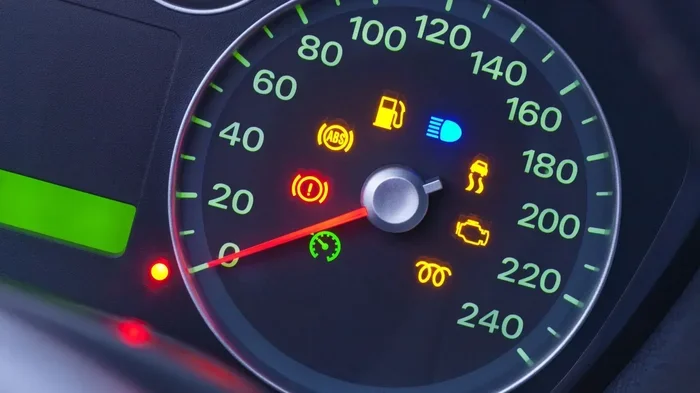
When a Driver Attempts to Start a Car and Nothing Happens
When a driver attempts to start a car and nothing happens, the culprit is often a dead battery, faulty starter motor, or ignition switch problem. This guide walks you through every possible reason your car won’t start, from simple fixes you can do yourself to issues that need a mechanic. You’ll learn how to diagnose the problem quickly and get back on the road with confidence.
Key Takeaways
- A dead or weak battery is the most common reason a driver attempts to start a car and nothing happens.
- Corroded battery terminals can block the electrical connection needed to crank the engine.
- A faulty starter motor or solenoid will produce no sound or just a clicking noise when you turn the key.
- Ignition switch failure prevents power from reaching the starter and fuel system.
- An empty fuel tank or bad fuel pump means the engine cranks but won’t fire up.
- Regular maintenance like battery testing and terminal cleaning can prevent most no-start situations.
- Knowing the warning signs helps you act before you’re stranded.
📑 Table of Contents
- When a Driver Attempts to Start a Car and Nothing Happens
- Why Does a Car Refuse to Start?
- Common Electrical Problems That Cause No-Start
- Fuel System Issues That Prevent Starting
- Ignition System Problems
- What to Do When Your Car Won’t Start
- How to Prevent No-Start Situations
- When to Call a Tow Truck
- Key Takeaways
- Conclusion
When a Driver Attempts to Start a Car and Nothing Happens
You turn the key. Or maybe you press the push-button start. And… nothing. No engine cranking. No dashboard lights flickering. No sound at all. It’s one of the most frustrating moments in everyday life. You’re standing in your driveway or a parking lot, running late, and your car just won’t cooperate.
When a driver attempts to start a car and nothing happens, there’s usually a clear reason behind it. Sometimes it’s something simple like a dead battery. Other times, it’s a deeper mechanical issue that needs professional attention. Either way, understanding what went wrong saves you time, money, and a lot of stress.
This article breaks down every possible cause for a no-start condition. We’ll cover the easy DIY fixes and the problems that require a mechanic’s expertise. By the end, you’ll know exactly what to check, what to ignore, and when to call for help. Let’s dive in.
Why Does a Car Refuse to Start?
A car needs three things to start: spark, fuel, and compression. Remove any one of these, and the engine won’t turn over. When a driver attempts to start a car and nothing happens, the problem usually lives in the electrical system or the fuel delivery system. Let’s explore each area step by step.
The electrical system provides the power to crank the engine. The fuel system delivers gasoline or diesel to the combustion chambers. And compression is what happens inside the cylinders when the pistons move. Most no-start issues fall into the first two categories. Compression problems are rare and usually come with warning signs beforehand.
The Role of the Battery
Your car battery is the heart of the starting system. It delivers a burst of electrical energy to the starter motor. Without it, nothing else matters. A dead battery is the number one reason a driver attempts to start a car and nothing happens.
Batteries last three to five years on average. Cold weather shortens that lifespan significantly. If you live in a climate with harsh winters, your battery works harder than it should. Over time, the internal chemicals wear out and can no longer hold a charge.
Here are the most common battery-related no-start scenarios:
- The battery is completely dead. You get zero dashboard lights and zero cranking.
- The battery is weak. Dashboard lights come on dimly, but the engine won’t crank.
- Corroded terminals. White or green buildup on the battery posts blocks electrical flow.
- Loose cables. The battery connections have shifted and lost contact.
When the Starter Motor Fails
The starter motor is a small but powerful electric motor. It engages with the engine’s flywheel to crank it over. When the starter goes bad, you might hear a single click or nothing at all.
A faulty starter motor is the second most common cause of a no-start condition. Starter motors wear out over time, especially in high-mileage vehicles. The solenoid, which is the switch that activates the starter, can also fail independently.
Here’s how to tell if the starter is your problem:
- You hear a single click when you turn the key, but the engine doesn’t crank.
- You hear a rapid clicking sound, which usually means a low battery.
- You hear no sound at all, not even a click. This could be a dead starter or ignition switch issue.
- The dashboard lights come on normally, but turning the key produces nothing.
Common Electrical Problems That Cause No-Start
The electrical system in a modern car is complex. Dozens of components work together to deliver power from the battery to the starter. When any link in that chain fails, your car won’t start. Let’s look at the most frequent electrical culprits.
Ignition Switch Failure
The ignition switch is the bridge between your key (or push button) and the car’s electrical system. When you turn the key to the “ON” or “START” position, the ignition switch sends power to the starter and fuel system. If it fails, that connection breaks.
Ignition switches wear out over years of use. You might notice other warning signs first, like flickering dashboard lights or the engine stalling while driving. A failing ignition switch is one of the sneakier reasons a driver attempts to start a car and nothing happens because it can mimic battery symptoms.
Corroded Battery Terminals
Battery terminals are the metal posts where the cables connect to the battery. Over time, acid vapor and moisture create a white or bluish-green crust on these connections. This corrosion acts as an insulator, blocking the electrical current.
You can fix corroded terminals easily at home. A wire brush and a baking soda solution will clean the buildup. After cleaning, apply a thin layer of dielectric grease to prevent future corrosion. This simple maintenance step prevents many no-start headaches.
Faulty Starter Relay
The starter relay is a small switch that sends power from the battery to the starter motor. It sits between the two and acts as a bridge. When the relay goes bad, the electrical signal never reaches the starter.
A bad starter relay often produces the same symptoms as a dead battery or faulty starter. You might hear nothing at all when you turn the key. Replacing a starter relay is inexpensive and straightforward, making it one of the easier fixes on this list.
Parasitic Draw
A parasitic draw happens when something in your car continues to drain power after you turn off the engine. Common culprits include interior lights left on, faulty relays, or aftermarket electronics like phone chargers.
A small parasitic draw won’t kill your battery overnight. But a large draw can drain it completely in just a few hours. If you find your car won’t start after sitting overnight, a parasitic draw is likely the cause. A mechanic can test for parasitic draw using a multimeter.
Fuel System Issues That Prevent Starting
Even if your electrical system is working perfectly, a fuel problem will still prevent your car from starting. The fuel system needs to deliver the right amount of gasoline at the right pressure. When something goes wrong in this system, the engine cranks but won’t fire.
Empty Fuel Tank
It sounds obvious, but an empty fuel tank is one of the most common reasons a driver attempts to start a car and nothing happens. Modern fuel gauges aren’t always perfectly accurate. The needle might still show a quarter tank when the tank is actually empty.
If you’ve been driving on fumes, this could be your problem. Always keep at least a quarter tank of fuel, especially in winter. Running on empty also damages the fuel pump by causing it to overheat.
Failed Fuel Pump
The fuel pump sits inside the gas tank and pushes fuel to the engine. When it fails, no fuel reaches the combustion chambers. The engine will crank but won’t start. You might hear a faint hum from the back seat when you turn the key to “ON.” If you hear nothing, the fuel pump could be dead.
Fuel pumps fail for several reasons:
- Age and mileage — most fuel pumps last 100,000 miles or more.
- Contaminated fuel — dirt or water in the gas tank damages the pump.
- Running on low fuel frequently — the pump relies on fuel for cooling.
- Electrical faults — a blown fuse or bad relay can cut power to the pump.
Clogged Fuel Filter
The fuel filter sits between the fuel tank and the engine. It catches dirt, rust, and debris before they reach the fuel injectors. Over time, the filter becomes clogged and restricts fuel flow.
A severely clogged fuel filter can prevent starting entirely. Most fuel filters should be replaced every 30,000 to 50,000 miles. Check your owner’s manual for the recommended replacement interval. This is a cheap and easy fix that many people overlook.
Bad Fuel Injectors
Fuel injectors spray fuel into the engine’s cylinders in a fine mist. If an injector is clogged or malfunctioning, the engine won’t get the fuel it needs to start. In some cases, one bad injector might cause rough running but not a complete no-start. In other cases, multiple failed injectors will prevent starting altogether.
Ignition System Problems
The ignition system creates the spark that ignites the fuel-air mixture inside the engine. Without spark, the engine simply can’t run. Several components make up the ignition system, and any one of them can fail.
Worn Spark Plugs
Spark plugs wear out over time. The electrode erodes, and the gap widens until the spark can no longer jump across. Old spark plugs produce weak or inconsistent sparks. In severe cases, the engine won’t start at all.
Most spark plugs need replacement every 30,000 to 100,000 miles depending on the type. If you haven’t changed yours in a while, this is an easy and inexpensive fix. A spark plug tester can tell you if your plugs are still firing correctly.
Ignition Coil Failure
The ignition coil takes the battery’s 12 volts and converts it into the thousands of volts needed to create a spark. When a coil fails, one or more cylinders lose spark entirely.
Modern cars often have a coil-on-plug design, meaning each cylinder has its own coil. If one coil fails, you might still start the car on the remaining cylinders. But if multiple coils fail, the engine won’t start at all.
Cranking but Not Starting
There’s an important distinction between “nothing happens” and “the engine cranks but won’t start.” When a driver attempts to start a car and the engine turns over but doesn’t fire, the problem is usually in the spark, fuel, or compression system. Here are the most common causes of cranking-but-not-starting:
- No spark — faulty ignition coil, spark plug, or crankshaft position sensor.
- No fuel — failed fuel pump, clogged filter, or empty tank.
- Timing belt failure — the belt broke, and the valves and pistons are out of sync.
- Security system lockout — the immobilizer prevented the engine from starting.
What to Do When Your Car Won’t Start
Now that you know the common causes, let’s talk about what to do when you’re standing in front of a car that won’t start. A systematic approach saves time and prevents unnecessary part replacements.
Step 1: Check the Dashboard Lights
When you turn the key to “ON,” do the dashboard lights come on? If yes, your battery has some charge. If no, the battery is likely dead or the connections are bad. This simple check narrows down the problem immediately.
Step 2: Listen Carefully
Turn the key to the “START” position and listen. Do you hear:
- Nothing at all — likely a battery, ignition switch, or starter relay issue.
- A single click — probably a starter motor or solenoid problem.
- Rapid clicking — usually a low or dead battery.
- The engine cranks but won’t start — spark, fuel, or compression problem.
Step 3: Try a Jump Start
If you suspect a dead battery, a jump start is the quickest way to test your theory. Use jumper cables and another vehicle, or use a portable jump starter. If the car starts after a jump, the battery is your problem. But if it still won’t start, the issue lies elsewhere.
Always follow proper jump-start procedures to avoid damaging either vehicle’s electrical system. Connect the red cable to the positive terminal first, then the black cable to the negative terminal or a grounded metal surface.
Step 4: Check the Fuel Level
Don’t laugh — this happens more often than you’d think. Check the fuel gauge and don’t rely on the needle alone. If you have a fuel pressure gauge, you can verify that the fuel pump is delivering fuel to the engine.
Step 5: Call a Professional
If none of the above steps reveal the problem, it’s time to call a mechanic. A professional diagnostic tool can read error codes from your car’s computer and pinpoint the issue faster than any DIY method. Don’t keep turning the key repeatedly, as this can overheat the starter and cause more damage.
How to Prevent No-Start Situations
The best way to deal with a car that won’t start is to prevent it from happening in the first place. Regular maintenance and good habits go a long way toward keeping your car reliable.
Test Your Battery Regularly
Have your battery tested at every oil change or at least twice a year. Most auto parts stores offer free battery testing. A quick test reveals whether your battery is holding a charge and how much life it has left.
Clean Battery Terminals
Inspect your battery terminals every few months. If you see any white or green buildup, clean it off with a wire brush and baking soda solution. Applying dielectric grease after cleaning helps prevent future corrosion.
Replace Key Fob Batteries
If your car uses a push-button start with a key fob, a weak fob battery can prevent the car from recognizing the key. Replace the fob battery once a year. This is one of the most overlooked reasons a driver attempts to start a car and nothing happens.
Keep Your Tank Above a Quarter Full
Running on low fuel stresses the fuel pump and can lead to premature failure. Keep at least a quarter tank of fuel at all times. In winter, this also helps prevent fuel line freeze-up.
Follow the Maintenance Schedule
Your owner’s manual has a recommended maintenance schedule for a reason. Following it ensures that components like spark plugs, fuel filters, and ignition coils get replaced before they fail. Prevention is always cheaper than repair.
When to Call a Tow Truck
Not every no-start situation can be fixed on the roadside. Here are signs that you need a tow truck and a trip to the repair shop:
- The engine cranks but never starts after multiple attempts.
- You smell gasoline near the engine or fuel lines.
- You hear a loud metallic noise from the engine bay.
- The check engine light is flashing along with the no-start condition.
- You’ve already tried a jump start and the car still won’t start.
Trying to push-start or tow-start a modern car with an automatic transmission can damage the transmission and other components. Always consult your owner’s manual before attempting any unconventional starting method.
Key Takeaways
- A dead battery is the most common reason a driver attempts to start a car and nothing happens.
- Corroded terminals, loose cables, and a faulty ignition switch can all mimic battery failure.
- A bad starter motor or solenoid produces clicking sounds or complete silence when you turn the key.
- Fuel system problems like an empty tank, failed fuel pump, or clogged filter prevent the engine from firing.
- Ignition system failures including worn spark plugs and bad ignition coils stop the engine from getting spark.
- Regular maintenance catches problems early and prevents most no-start situations.
- A systematic diagnostic approach saves time and money when troubleshooting a no-start condition.
Conclusion
When a driver attempts to start a car and nothing happens, the experience is stressful but usually fixable. The most common causes — dead battery, corroded terminals, faulty starter, and fuel system problems — are well understood and straightforward to address. With the right knowledge, you can diagnose the issue yourself or communicate clearly with a mechanic, saving both time and money.
Remember that prevention is your best tool. Regular battery testing, terminal cleaning, and staying on top of your maintenance schedule keep your car reliable day after day. And when problems do arise, a calm and systematic approach gets you back on the road faster.
Don’t let a no-start situation ruin your day. Use the steps in this guide to identify the problem, apply the right fix, and get back behind the wheel with confidence. Your car depends on you to take care of it, and now you have the knowledge to do just that.
Frequently Asked Questions
Why does my car make no sound when I try to start it?
The most likely cause is a dead battery or corroded battery terminals. When a driver attempts to start a car and nothing happens with no sound, the electrical circuit isn’t completing. Check the battery voltage and clean the terminals if you see any buildup.
Can a bad key fob battery prevent my car from starting?
Yes, absolutely. Many modern cars rely on the key fob’s signal to authorize the start. A weak fob battery can prevent the car from recognizing the key. Replacing the fob battery is a quick and inexpensive fix that solves this problem.
How do I know if my starter motor is bad?
A bad starter motor usually produces a single loud click or no sound at all when you turn the key. If the dashboard lights come on but the engine doesn’t crank, the starter is a prime suspect. A mechanic can test the starter with a multimeter to confirm the diagnosis.
What should I do if my car cranks but won’t start?
This means the engine is turning over but not firing. Check for spark, fuel delivery, and compression. The most common causes are a failed fuel pump, bad ignition coil, or clogged fuel filter. If you can’t identify the problem, call a professional mechanic for a diagnostic scan.
How often should I replace my car battery?
Most car batteries last three to five years. Extreme temperatures, both hot and cold, shorten battery life. Have your battery tested regularly, especially after the third year, so you can replace it before it leaves you stranded.
Is it safe to jump-start a car that won’t start?
Yes, it’s safe if you follow the correct procedure. Connect the red cable to the positive terminal of the dead battery first, then to the good battery. Connect the black cable to the negative terminal of the good battery and a grounded metal surface on the dead car. Never connect cables in the wrong order, as this can cause electrical damage.