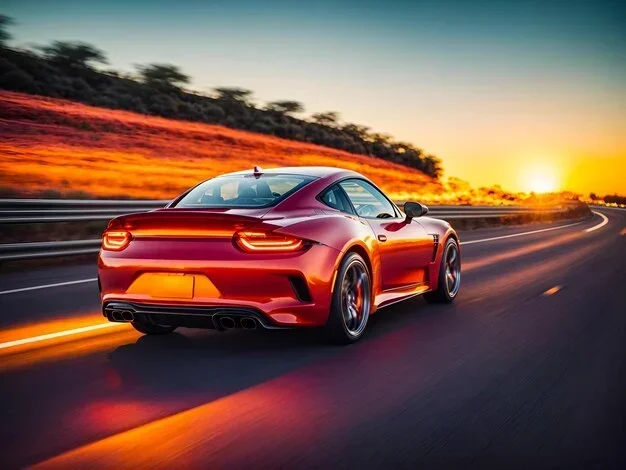
Does My Car Go Faster in Sport Mode Heres the Answer
Yes, your car does go faster in sport mode because it changes throttle response, transmission shift points, and steering feel. Sport mode unlocks more engine power and makes your vehicle feel noticeably quicker. Keep reading to learn exactly how this driving mode works and when you should use it.
You are driving down the road. You push the button labeled “Sport.” Suddenly, the engine sounds deeper. The car feels more alive. But here is the real question: does my car go faster in sport mode? The short answer is yes. But the full answer is much more interesting than that.
Sport mode changes how your car behaves on the road. It tweaks the engine, the transmission, and even the steering. Some drivers love it. Others never touch it. Either way, understanding what sport mode does can completely change how you drive. This guide breaks it all down in simple terms.
Whether you own a sedan, an SUV, or a sporty coupe, this article will help you get the most out of your vehicle. Let us dive in and explore what really happens when you switch to sport mode.
Key Takeaways
- Sport mode increases acceleration: It adjusts throttle and transmission settings to deliver faster response.
- Your car does not change top speed: Sport mode mainly improves how quickly you reach higher speeds, not the maximum.
- Fuel economy drops in sport mode: The engine works harder, so you will visit the pump more often.
- Steering and suspension get firmer: Sport mode tightens up the ride for better handling and control.
- Use sport mode on open roads: It shines on highways and open stretches, not in stop-and-go traffic.
- Some cars offer multiple sport settings: Mild, sport, and sport+ modes give you more control over performance.
- Engine sound changes too: Sport mode often makes the exhaust louder and more aggressive.
📑 Table of Contents
What Exactly Is Sport Mode?
Sport mode is a driving setting found in most modern cars. It changes how the engine, transmission, and other systems work together. Think of it like switching from a relaxed mood to an energized one. Your car wakes up and pays more attention to the road.
When you activate sport mode, several things happen at once. The car adjusts its behavior to give you a more engaging driving experience. Here are the key changes that take place:
- Throttle response becomes sharper: The engine reacts faster when you press the gas pedal.
- Transmission holds gears longer: Instead of shifting up early, the car stays in lower gears to keep the RPMs high.
- Steering becomes heavier: The wheel feels firmer and more responsive at higher speeds.
- Suspension tightens up: The car feels stiffer, which improves handling during sharp turns.
- Exhaust notes change: Many cars produce a louder, more aggressive engine sound.
All of these changes work together to make the car feel more sporty and responsive. But the big question remains: does my car go faster in sport mode? The answer depends on what you mean by “faster.”
How Sport Mode Affects Throttle Response
Throttle response is how quickly the engine responds when you press the gas pedal. In normal mode, the car is designed to be smooth and efficient. The engine takes its time building power. This is great for everyday driving. But it can feel sluggish when you want to speed up quickly.
Sport mode removes that lag. The engine delivers power faster. Even a small press of the pedal produces immediate results. This makes the car feel much quicker, especially when you are trying to pass another vehicle or merge onto a highway.
For example, imagine you are on a two-lane road. A truck is ahead of you. You want to pass safely. In normal mode, you might need to press the pedal deeper and wait for the engine to respond. In sport mode, the car surges forward almost instantly. That quick response makes a real difference in real-world driving.
Transmission Shift Points and Speed
The transmission plays a huge role in how fast your car feels. In normal mode, the car shifts to higher gears early. This saves fuel and keeps the ride smooth. But it also limits the engine’s power output.
Sport mode changes the transmission shift points completely. The car holds lower gears for longer periods. This keeps the engine in its power band. The result? More available torque and horsepower at any given moment.
Here is a simple way to think about it. Imagine your engine is a singer. In normal mode, the singer stays in a low, comfortable register. In sport mode, the singer pushes into a higher, more powerful range. The car simply has more energy available when you need it.
Does My Car Go Faster in Sport Mode?
This is the question everyone wants answered. And the answer has two parts. Yes, your car accelerates faster in sport mode. But the top speed may not change much. Let us look at both sides.
Acceleration vs. Top Speed
Acceleration is how quickly your car gains speed. Sport mode improves this significantly. The sharper throttle response and higher RPMs mean your car reaches 60 mph faster. Many drivers notice a 1 to 3 second improvement in zero-to-sixty times. That is a big deal in everyday driving.
Top speed is the maximum velocity your car can reach. Sport mode usually does not change this number much. The car’s top speed is limited by its engine power and aerodynamics. Sport mode does not add horsepower. It just delivers the existing power more quickly.
So if you are wondering whether sport mode will make your car break speed records, the answer is no. But if you want quicker bursts of speed and a more engaging drive, sport mode delivers exactly that.
Real-World Speed Examples
Let us look at some practical examples. A car that reaches 60 mph in 8 seconds in normal mode might do it in 7 seconds in sport mode. That one-second difference is noticeable. It makes merging onto highways safer and passing easier.
For sports cars, the difference is even more dramatic. A car that does 0 to 60 in 5 seconds in normal mode might hit 4.7 seconds in sport mode. That is a meaningful improvement. It changes how the car feels behind the wheel.
Keep in mind that results vary by vehicle. A small economy car will not transform into a supercar in sport mode. But every car benefits from the sharper response and more immediate power delivery.
How Sport Mode Changes the Driving Experience
Sport mode does more than just make the car faster. It changes the entire feel of driving. The experience becomes more connected and engaging. Here is what you can expect.
Steering and Handling Feel
When you switch to sport mode, the steering wheel gets heavier. This is not a bad thing. It gives you more control at high speeds. The car feels more planted on the road. You feel more confident taking corners at higher speeds.
The suspension also firms up. The car sits lower and feels tighter. Road bumps are still absorbed, but the body rolls less during turns. This is especially noticeable on winding roads or during spirited driving.
Some cars also adjust the electronic stability control in sport mode. The system allows a bit more wheel slip before intervening. This gives experienced drivers more freedom to push the car’s limits safely.
Engine Sound and Exhaust Notes
Let us talk about one of the best parts of sport mode: the sound. In normal mode, many cars are designed to be quiet. The engine hums softly. The cabin feels calm and peaceful.
Switch to sport mode, and everything changes. The exhaust opens up. The engine roars a bit more. The sound becomes deeper and more aggressive. Many car enthusiasts love this. It makes every drive feel special and exciting.
Some cars even use active exhaust systems. These systems physically open and close valves to change the sound. Sport mode triggers those valves to open. The result is a much more immersive driving experience.
When Should You Use Sport Mode?
Sport mode is not for every situation. Knowing when to use it makes a big difference. Here are the best times to engage sport mode.
- Open highways and freeways: Sport mode shines when you have open road ahead. The extra power makes passing and merging effortless.
- Winding roads: If you are driving through mountains or scenic routes, sport mode improves handling and responsiveness.
- When you want a more engaging drive: Sometimes you just want to enjoy the car. Sport mode makes every trip more fun.
- During spirited driving: If you like to push the car on a track or open road, sport mode unlocks more performance.
Now let us talk about when NOT to use sport mode:
- Stop-and-go traffic: Sport mode makes the car jerky in traffic. The transmission holds lower gears, which can cause fatigue.
- Rainy or icy roads: The sharper throttle response can cause wheel spin on slippery surfaces.
- Parking and low-speed maneuvers: Sport mode makes the steering too heavy for tight parking situations.
- Daily commuting in the city: The firmer ride and louder engine can make long commutes tiring.
Sport Mode and Fuel Economy
Here is the trade-off nobody talks about enough. Sport mode uses more fuel. The engine works harder. The transmission holds lower gears longer. Both of these factors increase fuel consumption.
Studies show that sport mode can reduce fuel economy by 10 to 20 percent. That adds up over time. If you use sport mode every day, you will notice the difference at the pump.
The best approach is to use sport mode when you need it. Switch back to normal mode for everyday driving. This simple habit saves fuel and keeps your car running efficiently.
Different Types of Sport Modes
Not all sport modes are created equal. Many modern cars offer multiple driving modes. Let us look at the common ones.
Mild Sport Mode
This is the entry-level sport setting. It makes small adjustments to throttle and transmission. The car feels slightly more responsive but still stays comfortable. This is a good choice for daily driving when you want a bit more fun without sacrificing comfort.
Full Sport Mode
Full sport mode makes all the changes we discussed. Throttle is sharper. Transmission holds gears longer. Steering tightens. Suspension firms up. This mode is best for open roads and spirited driving.
Sport+ or Track Mode
Some cars offer a sport+ or track mode. This is the most aggressive setting. The car becomes stiff, loud, and very responsive. It disables some driver aids and allows more wheel slip. This mode is designed for experienced drivers on tracks or open roads.
Common Mistakes People Make with Sport Mode
Even though sport mode is fun, people make mistakes with it. Here are the most common ones to avoid.
- Leaving sport mode on all the time: This hurts fuel economy and makes daily driving uncomfortable. Switch it off when you do not need it.
- Using sport mode in bad weather: The aggressive throttle response can cause accidents on wet or icy roads.
- Ignoring the transmission: Sport mode holds gears longer, which means the engine works harder. Do not be surprised if the RPMs stay high.
- Thinking sport mode fixes a slow car: Sport mode enhances what your car already has. It does not add horsepower or change the engine.
Expert Insights on Sport Mode Performance
Automotive engineers design sport mode to enhance the driving experience. It is not just a marketing gimmick. The changes are real and measurable. Throttle maps change. Transmission logic shifts. Even the electronic stability system recalibrates.
According to car experts, sport mode is most effective in vehicles with turbocharged engines. The turbo lag is reduced, and power delivery becomes more immediate. Naturally aspirated engines also benefit, but the difference is less dramatic.
The key takeaway is simple. Sport mode makes your car more responsive and engaging. It does not magically add horsepower. But it does make the power you already have feel more available and exciting to use.
Key Takeaways
- Sport mode increases acceleration: It adjusts throttle and transmission settings to deliver faster response.
- Your car does not change top speed: Sport mode mainly improves how quickly you reach higher speeds, not the maximum.
- Fuel economy drops in sport mode: The engine works harder, so you will visit the pump more often.
- Steering and suspension get firmer: Sport mode tightens up the ride for better handling and control.
- Use sport mode on open roads: It shines on highways and open stretches, not in stop-and-go traffic.
- Some cars offer multiple sport settings: Mild, sport, and sport+ modes give you more control over performance.
- Engine sound changes too: Sport mode often makes the exhaust louder and more aggressive.
Conclusion
So, does my car go faster in sport mode? The answer is a clear yes. Sport mode makes your car accelerate faster. It improves throttle response, transmission behavior, and steering feel. The car simply feels more alive and ready to perform.
But sport mode is not a magic button that turns your economy car into a race car. It enhances the performance your car already has. It makes the power more accessible and the drive more engaging.
The best way to use sport mode is strategically. Turn it on when you are on open roads, enjoying a spirited drive, or need quick acceleration. Turn it off for daily commuting, bad weather, and fuel savings. This simple habit will help you get the best of both worlds.
Next time you get behind the wheel, try switching to sport mode. Feel the difference. Listen to the engine. Notice how the car responds to your inputs. You will understand immediately why so many drivers love this feature. And you will know exactly when to use it for the best experience.
Your car is a machine designed to bring you joy. Sport mode is one of the easiest ways to unlock more of that joy. Use it wisely, and every drive becomes a little more exciting.
Frequently Asked Questions
Will sport mode damage my car?
No, sport mode will not damage your car. It simply changes how the engine, transmission, and steering behave. Car manufacturers design sport mode to be safe for everyday use. However, using it constantly may increase wear on the transmission over time because the engine works harder and holds lower gears longer.
Does sport mode use more gas?
Yes, sport mode uses more fuel. The engine runs at higher RPMs and the transmission holds gears longer. This increases fuel consumption by about 10 to 20 percent. It is best to use sport mode only when you need the extra performance and switch back to normal mode for everyday driving.
Can I use sport mode in the rain?
It is not recommended. Sport mode makes the throttle more responsive, which can cause wheel spin on wet roads. The firmer suspension and sharper steering also reduce your margin for error on slippery surfaces. Use normal mode or a comfort mode when driving in rain or snow for better safety.
Does sport mode make the car louder?
In many cars, yes. Sport mode often changes the exhaust sound to be more aggressive and louder. Some vehicles use active exhaust systems that physically open valves in sport mode. This lets more sound escape and gives the engine a deeper, more powerful note. It is one of the most noticeable changes when you switch modes.
Is sport mode the same as using paddle shifters?
Not exactly. Sport mode adjusts the car’s settings automatically for a sportier feel. Paddle shifters give you manual control over the gears. Some cars combine both, allowing you to use sport mode with paddle shifters for the most engaging driving experience. They work together but serve different purposes.
Do all cars have a sport mode?
No, not all cars have sport mode. It is more common in mid-range and premium vehicles. Basic economy cars may not offer it at all. If your car has a driving mode selector, check the manual to see if sport mode is included. Many newer vehicles from brands like Toyota, Honda, Ford, and BMW offer this feature as standard or optional.


