How Haval Engines Work Explained Simply for Everyone
Haval engines are powerful, efficient powerplants built by Great Wall Motors. They use advanced turbocharging, direct fuel injection, and smart engineering to deliver strong performance. This guide explains everything in plain language so anyone can understand how these engines operate and why they matter.
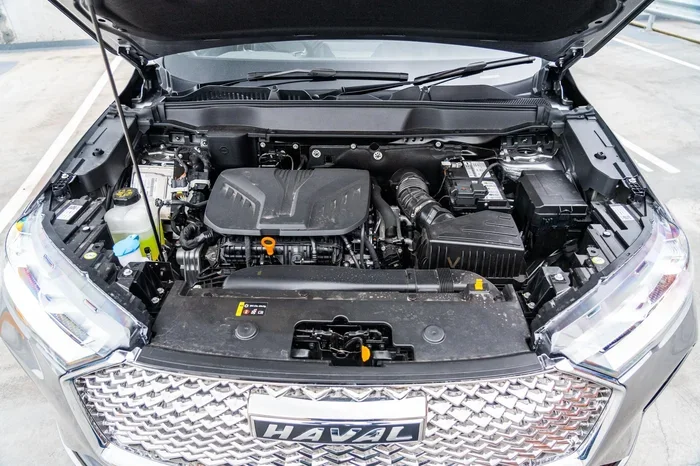
Have you ever wondered what happens under the hood of a Haval vehicle? These cars come from Great Wall Motors, one of the biggest automakers in China. Haval engines power millions of vehicles worldwide, yet many drivers never truly understand how they work.
Knowing how your engine operates helps you take better care of your car. It also makes you a smarter buyer when shopping for a new ride. In this guide, we break down everything about Haval engine technology in simple, everyday language. No mechanical degree required!
Whether you drive a Haval H6, a Haval Jolion, or you are just curious about how engines function, this article has you covered. We will walk through each major component, explain the combustion process, and share practical tips. Let us dive right in and explore how these engines actually work.
Key Takeaways
- Turbocharging is central: Most Haval engines use turbochargers to boost power and efficiency.
- Direct fuel injection matters: This technology sends fuel directly into the combustion chamber for better performance.
- Multiple engine types exist: Haval offers gasoline, hybrid, and diesel options depending on the model.
- Regular maintenance keeps them running: Simple habits like oil changes extend engine life significantly.
- Haval engines are reliable: They compete well with brands like Toyota in terms of durability and performance.
- Cooling and exhaust systems play key roles: These systems keep the engine safe and emissions low.
- Understanding your engine helps you maintain it better: Basic knowledge leads to smarter driving and fewer repairs.
📑 Table of Contents
- What Makes Haval Engines Unique
- The Combustion Process Explained
- Turbocharging and Forced Induction
- Cooling and Lubrication Systems
- Exhaust and Emissions Management
- Haval Engine Lineup Overview
- Common Haval Engine Problems and How to Avoid Them
- Maintenance Tips for Long Engine Life
- How Haval Engine Technology Compares
- The Future of Haval Engine Development
- Final Thoughts
What Makes Haval Engines Unique
Haval engines stand out for a few key reasons. They combine modern engineering with affordability. Great Wall Motors has invested heavily in engine research over the past decade. The result is a lineup of powerplants that compete with well-known global brands.
One thing that sets Haval engines apart is their use of turbocharging across many models. Turbocharging forces more air into the combustion chamber. This creates more power without needing a bigger engine. It also improves fuel efficiency, which is a win-win for drivers.
Engine Displacement and Configuration
Haval offers engines in various sizes, from compact 1.5-liter units to larger 2.0-liter options. Engine displacement refers to the total volume of all the cylinders. A bigger displacement usually means more power. However, turbocharging allows smaller engines to punch above their weight.
Most Haval vehicles use inline-four engine configurations. This means four cylinders arranged in a straight line. This design is simple, reliable, and cost-effective. It also fits well under the hood of SUVs and sedans alike.
The Combustion Process Explained
Every engine works by converting fuel into motion. This happens through a process called combustion. Understanding this process is the foundation of knowing how any engine works, including Haval engines.
Step-by-Step Combustion Cycle
The combustion cycle in a Haval engine follows four strokes. Each stroke plays a critical role in generating power:
- Intake Stroke: The piston moves down, and the intake valve opens. Air and fuel mix together and enter the cylinder.
- Compression Stroke: The piston moves up, compressing the air-fuel mixture. Compression creates the energy needed for ignition.
- Power Stroke: The spark plug ignites the compressed mixture. The explosion pushes the piston down, creating rotational force.
- Exhaust Stroke: The exhaust valve opens, and the piston pushes burnt gases out of the cylinder.
This cycle repeats thousands of times per minute. The engine crankshaft converts the up-and-down motion of the pistons into rotational motion. That rotation ultimately powers the wheels of the vehicle.
How Fuel Injection Works in Haval Engines
Modern Haval engines use direct fuel injection. This means fuel is sprayed directly into the combustion chamber rather than into the intake port. Direct injection allows for precise control over the fuel-air mixture.
Better fuel atomization leads to more complete combustion. This means more power and fewer wasted fuel droplets. Over time, direct injection also helps reduce emissions and improve engine efficiency.
Turbocharging and Forced Induction
Turbocharging is one of the most important features in modern Haval engines. A turbocharger uses exhaust gases to spin a turbine. That turbine then forces more air into the engine. More air means more fuel can be burned, which equals more power.
Haval uses turbochargers across many of its engine variants. Even smaller 1.5-liter engines can produce impressive horsepower numbers thanks to forced induction. This technology helps Haval compete with engines that are physically larger.
Benefits of Turbocharging
- More horsepower from a smaller engine: You get strong performance without a big, thirsty engine.
- Better fuel economy: Smaller engines use less fuel at cruising speeds.
- Lower emissions: Efficient combustion reduces harmful exhaust output.
- Improved responsiveness: Turbocharged engines deliver torque quickly, making acceleration feel lively.
However, turbocharged engines do require proper maintenance. The turbocharger itself needs clean oil and regular inspections. Skipping oil changes can shorten the life of the turbo significantly.
Cooling and Lubrication Systems
Engines generate enormous amounts of heat during operation. Without proper cooling, an engine can overheat and suffer serious damage. Haval engines use sophisticated cooling and lubrication systems to stay within safe operating temperatures.
How the Cooling System Works
The cooling system circulates a mixture of water and coolant through channels in the engine block. The coolant absorbs heat from the cylinders and carries it to the radiator. The radiator then releases that heat into the surrounding air.
A water pump drives the coolant through the system. A thermostat regulates the flow to maintain the ideal temperature. If your Haval engine is running hot, the thermostat may be malfunctioning. Regularly checking your coolant levels is a simple way to prevent overheating.
The Role of Engine Oil
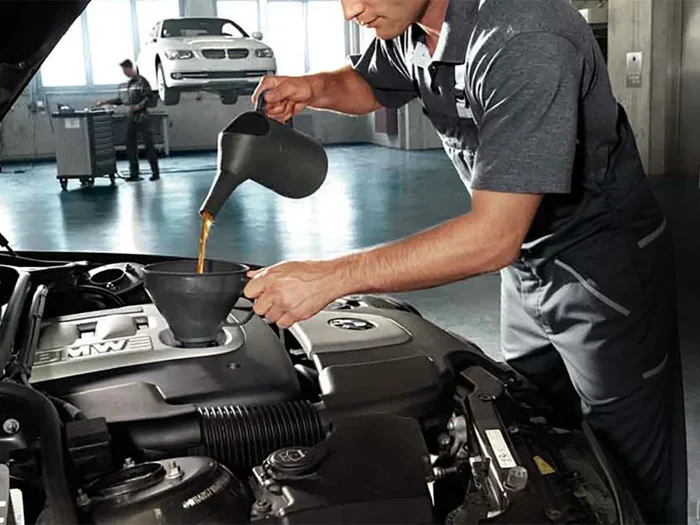
Engine oil serves two main purposes. It lubricates moving parts to reduce friction. It also helps carry heat away from components like the pistons and crankshaft.
Haval recommends specific oil grades for each engine type. Using the wrong oil can lead to increased wear and reduced performance. Always check your owner manual for the correct specification. A quick oil change every 5,000 to 7,500 miles goes a long way in keeping your engine healthy.
Exhaust and Emissions Management
Every engine produces exhaust gases as a byproduct of combustion. Haval engines use advanced exhaust systems to manage these gases efficiently. This includes catalytic converters, mufflers, and oxygen sensors.
The catalytic converter plays a vital role in reducing harmful emissions. It converts toxic gases like carbon monoxide into less harmful substances. If your catalytic converter fails, your engine may run poorly and pass emissions inspections with difficulty.
Haval engines also use oxygen sensors to monitor the exhaust output. These sensors send real-time data to the engine control unit. The ECU then adjusts the fuel-air mixture for optimal combustion. This constant feedback loop keeps the engine running efficiently and cleanly.
Compared to older engines, modern Haval powerplants produce significantly fewer pollutants. This is thanks to precise fuel injection, advanced catalytic converters, and smart engine management systems.
Haval Engine Lineup Overview
Haval offers a diverse range of engines across its vehicle lineup. Each engine is designed for specific performance goals and driving needs. Let us look at some of the most popular options.
| Engine Type | Displacement | Key Feature | Common In |
|---|---|---|---|
| 1.5L Turbo | 1.5 liters | Compact and efficient | Haval H6, Jolion |
| 2.0L Turbo | 2.0 liters | More power and torque | Haval H9, Big Dog |
| Hybrid Powertrain | 1.5L + Electric Motor | Best fuel economy | Haval DHT models |
| Diesel Engine | 2.0 liters | High torque and towing | Haval H9 (select markets) |
The hybrid powertrain deserves special mention. Haval hybrid systems combine a small gasoline engine with an electric motor. This setup provides excellent fuel economy and smooth acceleration. If you are curious about how long it takes for a hybrid powertrain to pay for itself, Haval hybrid models tend to break even faster than many competitors.
When comparing Haval engines to other brands, they hold up well. For instance, Toyota Tacoma engines are known for their reliability and longevity. Haval engines offer competitive performance and modern features at a more accessible price point. Both brands prioritize durability, but they approach engineering from different philosophies.
Common Haval Engine Problems and How to Avoid Them
No engine is perfect, and Haval engines are no exception. Understanding common issues helps you prevent them before they become costly repairs.
Oil Consumption Issues
Some Haval turbo engines may consume more oil than expected over time. This is often due to worn valve stem seals or piston rings. Regular oil level checks can catch this early. If you notice blue smoke from the exhaust, have your engine inspected promptly.
Coolant Leaks
Coolant leaks can develop around hoses, the water pump, or the radiator. Small leaks are easy to fix if caught early. Check your coolant reservoir regularly. A drop in coolant level without an obvious external leak could indicate an internal issue.
Turbocharger Wear
Turbochargers rely on clean oil to function properly. Contaminated oil or delayed oil changes can cause turbo failure. Always warm up your engine gently before driving hard. This gives the oil time to circulate and protect the turbo bearings.
Carbon Buildup on Intake Valves
Direct injection engines are prone to carbon buildup on intake valves. This happens because fuel does not wash over the valves like it does in port injection. Using quality fuel and occasional intake valve cleaning can prevent this issue.
Maintenance Tips for Long Engine Life
Taking care of your Haval engine does not have to be complicated. A few simple habits can add years of reliable service to your powerplant.
- Change your oil on schedule: Stick to the manufacturer recommended intervals. Fresh oil keeps all moving parts properly lubricated.
- Check coolant levels monthly: Low coolant leads to overheating, which can cause major engine damage.
- Use quality fuel: Top-tier gasoline contains detergents that keep fuel injectors clean.
- Replace air filters regularly: A clean air filter ensures proper airflow into the engine, improving combustion efficiency.
- Listen to your engine: Unusual noises like knocking, ticking, or whining should never be ignored. Early diagnosis prevents expensive repairs.
- Keep up with timing belt service: A broken timing belt can destroy an engine. Follow the replacement schedule in your owner manual.
These tips apply whether you drive a Haval H6 or any other vehicle. Consistent maintenance is the single best thing you can do for your engine. It costs far less than major repairs and keeps your car running smoothly for years.
How Haval Engine Technology Compares
The automotive world offers many engine options from different manufacturers. Haval engines sit in an interesting position in the market. They offer modern technology at competitive prices.
When you compare Haval engines to traditional Japanese or European engines, several differences emerge. Haval engines tend to be more technologically advanced out of the box. Features like direct injection, variable valve timing, and integrated exhaust manifolds are standard on many models.
Japanese engines, like those from Toyota, often prioritize proven reliability over cutting-edge features. European engines focus on refinement and high-performance tuning. Haval engines blend both approaches. They offer strong technology with a focus on value and efficiency.
For buyers looking at the Haval SUV lineup, the engine choice is a major factor. The 1.5 turbo provides excellent daily driving performance. The 2.0 turbo offers more power for highway cruising and towing. The hybrid system delivers the best fuel economy for city driving.
The Future of Haval Engine Development
Haval is investing heavily in electrification and alternative powertrains. The brand is expanding its hybrid lineup rapidly. Future Haval engines will likely feature even more advanced fuel injection systems and electrified assist.
Hydrogen fuel cell technology is also on the horizon. While still in early stages, hydrogen engines produce zero harmful emissions. Haval is exploring this technology as part of its long-term strategy. The goal is to offer cleaner, more efficient powerplants without sacrificing performance.
Electric motors are also becoming more integrated into Haval vehicles. Plug-in hybrid models will combine small efficient engines with powerful electric motors. This dual approach offers the best of both worlds. Drivers get electric-only range for short trips and a gasoline engine for longer journeys.
Final Thoughts
Understanding how Haval engines work gives you a real advantage as a vehicle owner. From the combustion cycle to turbocharging and cooling systems, each component plays a vital role. These engines are engineered to deliver strong performance, good fuel economy, and reliable service.
Regular maintenance remains the most important factor in engine longevity. Simple habits like timely oil changes and coolant checks prevent most common problems. Whether you own a Haval SUV or are considering one, this knowledge helps you make informed decisions.
Haval has built a strong reputation in the global automotive market. Their engines compete well with established brands in terms of technology and value. As the company continues to innovate, we can expect even more impressive engine developments in the coming years.
Take the time to learn about your engine. It is one of the best investments you can make for your vehicle. A well-maintained engine delivers power, efficiency, and peace of mind for hundreds of thousands of miles.
Frequently Asked Questions
How often should I change the oil in my Haval engine?
Most Haval engines require an oil change every 5,000 to 7,500 miles. However, always check your specific owner manual for the exact recommendation. Using synthetic oil can extend the interval slightly while providing better protection.
Are Haval engines reliable compared to Toyota engines?
Haval engines are reliable and offer strong modern features. Toyota engines are known for exceptional long-term durability. Both brands produce quality engines, but Haval offers more advanced technology at a lower price point. Regular maintenance plays the biggest role in reliability for any engine.
Can I use any fuel in my Haval engine?
Most Haval turbo engines require premium unleaded fuel with an octane rating of 91 or higher. Using lower octane fuel can cause engine knocking and reduce performance. Always refer to your owner manual for the recommended fuel type.
What is the lifespan of a Haval engine?
With proper maintenance, a Haval engine can last well over 200,000 miles. Regular oil changes, timely belt replacements, and quality fuel all contribute to a longer engine life. Driving habits also play a significant role in overall engine longevity.
Does a Haval hybrid engine need special maintenance?
Haval hybrid engines require similar maintenance to conventional engines. The electric motor typically needs very little upkeep. The main difference is that hybrid batteries may need replacement after many years. Overall, hybrid maintenance costs are competitive with traditional powertrains.
How does a turbocharged Haval engine differ from a naturally aspirated one?
A turbocharged engine uses exhaust gases to force more air into the cylinders. This creates more power from a smaller engine. Naturally aspirated engines rely only on atmospheric pressure for airflow. Turbocharged engines offer better performance and efficiency but require more attentive maintenance.
=== INTERNAL LINKS ===
Want to know how long a full tank of gas lasts in your Haval? Check out our guide on how long a full tank of gas lasts for practical estimates.
If you are comparing engine reliability across brands, our article on Toyota Tacoma engine reliability offers a great comparison point.
Curious about emissions systems? Learn more about catalytic converters in Jeep Patriots and how they manage exhaust output.