How Many Miles Does a BMW 328i Last Before Breaking
A well-maintained BMW 328i can last between 200,000 and 250,000 miles, and some owners push past 300,000 miles with proper care. The BMW 328i lifespan depends heavily on maintenance habits, driving conditions, and how early you address common issues. Regular oil changes, timely repairs, and smart ownership choices play a huge role in maximizing your BMW 328i mileage.
Key Takeaways
- Average Lifespan: A BMW 328i typically lasts 200,000 to 250,000 miles with proper care, and some reach 300,000+ miles.
- Engine Reliability: The N20 turbocharged engine is solid but needs consistent oil changes and timely timing chain updates.
- Maintenance Is Everything: Following the service schedule and fixing small issues early prevents costly repairs later.
- Common High-Mileage Problems: Oil leaks, thermostat failures, and water pump issues are frequent but manageable.
- Worth Buying: A high-mileage 328i can be a great value if the maintenance records are solid and the car has been well cared for.
📑 Table of Contents
Understanding the BMW 328i and Its Engine
The BMW 328i has been one of the most popular luxury sedans on the road for years. It offers a great mix of sporty handling, upscale interiors, and strong performance. Under the hood, the N20 turbocharged four-cylinder engine delivers smooth power and respectable fuel economy. This engine was used from roughly 2012 through 2017 in the F30 generation of the 3 Series.
BMW built the N20 engine with modern technology. It features direct fuel injection, variable valve timing, and a turbocharger that provides strong low-end torque. These engineering choices make the car feel lively and responsive. But like any turbocharged engine, it demands proper care to reach its full BMW 328i longevity potential.
Many buyers wonder about the BMW 328i reliability over time. The honest answer is that it varies a lot depending on how the car is treated. A BMW 328i with regular maintenance can easily surpass 200,000 miles. One that is neglected may start showing serious problems well before the 100,000-mile mark. This gap between well-cared-for and neglected examples is important to understand before buying.
The 328i also sits in a sweet spot in the BMW lineup. It is more affordable than the 335i or 340i but still delivers a premium driving experience. That makes it a popular choice for first-time BMW buyers and seasoned enthusiasts alike. Knowing what to expect from the car over time helps you make smarter ownership decisions.
How Many Miles Can a BMW 328i Realistically Last?
The Average Mileage Expectation
Most experts agree that a BMW 328i engine life falls somewhere between 200,000 and 250,000 miles. With exceptional care and a bit of luck, some owners report pushing past the 300,000-mile mark. These numbers assume regular servicing, quality parts, and prompt attention to any warning signs.
When compared to other popular sedans, the 328i holds up well. For reference, the Toyota Camry is often cited as reaching high mileage benchmarks well into the 300,000-mile range. The BMW 328i may not match that exactly, but it comes close when maintained properly. The key difference is that a BMW costs more to maintain than a Toyota.
What Affects the Mileage Ceiling?
Several factors determine how far your 328i will go. Driving habits play a big role. Stop-and-go city driving puts more stress on the engine than steady highway cruising. Short trips where the engine never fully warms up can also cause buildup and wear over time.
Climate and environment matter too. Cars driven in extreme heat, extreme cold, or salty coastal areas tend to age faster. Road salt, in particular, can cause hidden rust and corrosion that shortens the car’s usable life. A garage-kept 328i in a moderate climate will almost always outlast one exposed to harsh conditions.
Fuel quality also plays a role. Using top-tier gasoline helps keep the turbocharger and fuel injectors clean. Cheap fuel with lower detergent levels can lead to carbon buildup over time, which reduces performance and efficiency.
Factors That Affect BMW 328i Lifespan
Maintenance Schedule and Service Intervals
Following the BMW service interval schedule is the single most important thing you can do. BMW recommends oil changes every 10,000 miles under ideal conditions. However, many BMW mechanics suggest shortening that to every 5,000 to 7,500 miles, especially if you drive in stop-and-go traffic or extreme temperatures.
Here are the key maintenance tasks that directly impact BMW 328i lifespan:
- Oil Changes: Use BMW-approved synthetic oil and replace the filter on schedule.
- Coolant Flushes: The cooling system should be flushed every 30,000 miles to prevent overheating.
- Spark Plugs: Replace them every 30,000 to 40,000 miles for optimal combustion.
- Transmission Fluid: A transmission lifespan of 200,000+ miles often starts with fresh fluid changes every 50,000 to 60,000 miles.
- Brake Fluid: Flush it every two years to prevent moisture buildup and brake fade.
Driving Style and Usage Patterns
How you drive your 328i matters more than most people realize. Aggressive acceleration and hard braking wear out brakes, tires, and engine components faster. Gentle warming up of the engine in cold weather helps oil circulate properly before you push the car hard.
Short trips under five miles are particularly tough on turbocharged engines. The turbo does not get fully cooled, and condensation can build up inside the exhaust system. If you mostly drive short distances, consider taking the car on a longer weekly drive to clear out moisture and keep everything running at proper temperature.
The Role of Quality Parts and Fluids
Using OEM BMW parts or high-quality aftermarket alternatives makes a real difference. Cheap oil filters, low-grade coolant, and off-brand brake pads may save money upfront but can cause problems down the road. The N20 engine in the 328i is sensitive to fluid quality, especially when it comes to oil.
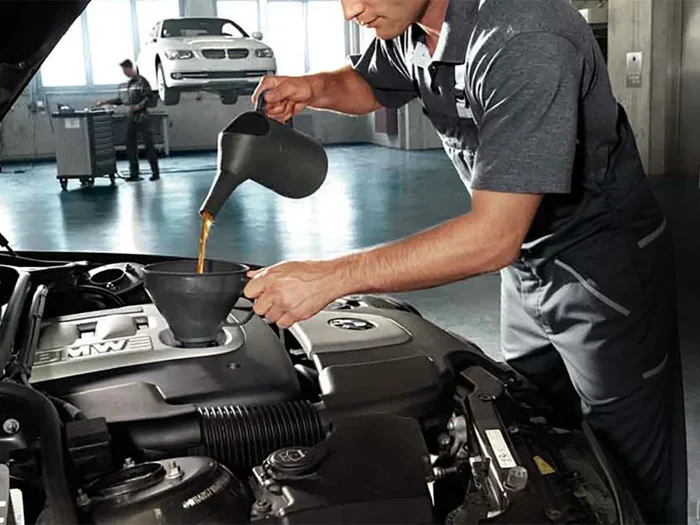
For example, the BMW 328i oil change is one of the simplest and most impactful things you can do. Fresh oil keeps the turbocharger bearings lubricated and prevents the buildup of sludge. Over time, dirty oil can cause premature wear that adds up to expensive repairs.
Common BMW 328i Problems at High Mileage
Oil Leaks and Gasket Failures
Oil leaks are one of the most common complaints among high mileage BMW 328i owners. The valve cover gasket and oil filter housing gasket are notorious failure points. These leaks usually start small but can worsen over time if not addressed.
Small leaks may not seem urgent, but they can lead to low oil levels, which causes engine damage. Checking your oil level weekly and topping it off between changes is a simple habit that pays off. If you notice oil spots under the car or a burning oil smell, get it inspected right away.
Thermostat and Water Pump Issues
The thermostat in the N20 engine is electronic, which means it can fail more often than a traditional mechanical unit. When it sticks, the engine can overheat or run too cold. Both conditions cause problems over time.
The water pump is another common failure point on the 328i. It is driven by the timing chain, and when it fails, it can cause coolant leaks and overheating. Replacing the water pump early, before it fails completely, is much cheaper than dealing with the engine damage a overheating can cause.
Timing Chain and Guide Wear
The N20 timing chain is a known area of concern. The chain stretch and guide wear can cause rattling noises, especially on cold starts. If left unchecked, a stretched timing chain can lead to serious engine damage. Fortunately, this is a well-documented issue, and many shops now recommend preventive timing chain replacement around 80,000 to 100,000 miles.
Some owners also report issues with the BMW 328i transmission life. The ZF 8-speed automatic transmission in the F30 generation is generally reliable, but it benefits from regular fluid changes. Ignoring transmission maintenance can shorten its transmission lifespan significantly.
Maintenance Tips to Maximize BMW 328i Mileage
Daily and Weekly Habits
Small daily habits add up to big savings over the life of your 328i. Here is what you can do every week:
- Check the oil level and top off if needed.
- Inspect for any new leaks under the car.
- Listen for unusual sounds, especially rattles or knocks.
- Monitor the temperature gauge for any signs of overheating.
- Check tire pressure and look for uneven wear patterns.
Seasonal Maintenance Checklist
Each season brings different challenges for your BMW 328i. A seasonal maintenance checklist helps you stay ahead of potential problems:
- Spring: Wash the undercarriage to remove road salt. Inspect the cooling system.
- Summer: Check the A/C system and coolant levels. Inspect hoses and belts for cracks.
- Fall: Test the battery. Replace wiper blades. Check the heating system.
- Winter: Use winter-grade washer fluid. Avoid short trips when possible. Warm up the engine gently before driving.
Finding a Good BMW Mechanic
Not every mechanic is equipped to work on a BMW properly. Look for a shop that specializes in European or German vehicles. A BMW specialist will have the diagnostic tools and factory training needed to spot issues early.
Building a relationship with a trusted mechanic saves money in the long run. They get to know your car’s history and can anticipate problems before they become expensive repairs. A good shop will also keep detailed records, which is valuable if you ever decide to sell the car.
Is a High Mileage BMW 328i Worth Buying?
What to Look for in a Used 328i
If you are shopping for a used BMW 328i with high mileage, there are a few things to check before you buy. First, ask for the full maintenance records. A car with documented service history is almost always a safer bet than one with unknown past.
Second, have a pre-purchase inspection done by an independent BMW specialist. They can spot hidden issues that a casual test drive might miss. Pay special attention to the condition of the engine, transmission, suspension, and electrical systems.
Cost of Ownership at Different Mileage Levels
Owning a BMW 328i comes with costs that go beyond the purchase price. Here is a rough breakdown of what to expect:
- Under 100,000 miles: Routine maintenance costs. Few major repairs needed.
- 100,000 to 150,000 miles: Expect to replace spark plugs, water pump, thermostat, and possibly the timing chain.
- 150,000 to 200,000 miles: Suspension components, valve cover gaskets, and exhaust parts may need replacement.
- 200,000+ miles: Major maintenance items become more frequent, but the car can still be reliable with consistent care.
The BMW 328i repair cost tends to be higher than non-luxury brands. Budgeting $1,000 to $2,000 per year for maintenance and repairs is a reasonable expectation for a high-mileage example. This is where the value proposition becomes important. A well-maintained 328i with 150,000 miles may cost less to buy than a low-mileage one, and still deliver years of reliable service.
The Battery and Electrical System
The car battery is another component to keep an eye on. A healthy car battery longevity depends on driving habits and climate. BMW 328i models from this era use a standard 12-volt battery that typically lasts 4 to 5 years. Replacing it on time prevents unexpected no-start situations and protects the car’s electrical systems.
Modern BMWs also have a smart charging system that monitors battery health. If the battery is weak, the car may not start or may throw warning lights on the dashboard. Keeping the battery in good shape is one of the easiest ways to avoid headaches on the road.
Conclusion
The BMW 328i is a car that rewards attentive owners. With a realistic expectation of 200,000 to 250,000 miles, and the potential to reach 300,000 miles, it offers strong value for those willing to put in the effort. The BMW 328i lifespan is not set in stone. It is shaped by every oil change, every repair, and every decision you make as an owner.
Following the maintenance schedule, using quality parts, and finding a skilled BMW mechanic are the pillars of long-lasting ownership. Addressing small problems before they grow into big ones saves money and keeps the car running smoothly. Whether you are buying a used 328i or already own one, the principles of BMW 328i maintenance remain the same.
A high mileage BMW 328i can absolutely be a smart purchase. Just do your homework, get the maintenance records, and invest in a pre-purchase inspection. The miles on the clock do not have to be a dealbreaker. With the right care, your 328i can keep delivering that signature BMW driving experience for many years to come.
Frequently Asked Questions
What is the average lifespan of a BMW 328i?
Most BMW 328i models last between 200,000 and 250,000 miles with proper maintenance. Some well-cared-for examples exceed 300,000 miles. The key factor is consistent, timely maintenance and addressing issues early.
Is 200,000 miles a lot for a BMW 328i?
Not really. 200,000 miles is within the normal expected range for a BMW 328i. With the N20 engine and proper care, the car is designed to handle this mileage without major issues. What matters more is the maintenance history than the number itself.
What is the most common problem with the BMW 328i at high mileage?
Oil leaks from the valve cover gasket and oil filter housing gasket are the most common high-mileage issues. The thermostat and water pump are also frequent failure points on the N20 engine. These repairs are manageable and much cheaper when caught early.
Can a BMW 328i last 300,000 miles?
Yes, a BMW 328i can last 300,000 miles, but it requires diligent maintenance. Regular oil changes, timely timing chain replacement, and consistent attention to cooling system health are essential. Owners who reach this milestone typically follow the service schedule closely.
How often should I change the oil in my BMW 328i?
BMW recommends oil changes every 10,000 miles under ideal conditions. However, many experts suggest changing oil every 5,000 to 7,500 miles for better engine protection. Shorter intervals are especially important if you drive in city traffic or extreme temperatures.
Is it worth buying a BMW 328i with over 150,000 miles?
It can be worth it if the car has full maintenance records and a clean history. A pre-purchase inspection by a BMW specialist is highly recommended. The lower purchase price can offset the higher maintenance costs, especially if major items like the timing chain have already been replaced.