How Many O2 Oxygen Sensors Are There in Your Car Today
So, how many O2 oxygen sensors are there in your car? Most modern vehicles have between two and four O2 sensors, but some high-end or hybrid models can have even more. These small but mighty devices monitor your exhaust gases and help your engine run efficiently. Without them, your car would guzzle fuel, pollute more, and perform poorly.
Have you ever wondered how many O2 oxygen sensors are hiding inside your car? Maybe your check engine light just came on, and you are scratching your head. Or perhaps you are just curious about what makes your engine run smoothly. Either way, you are in the right place.
The answer to how many O2 oxygen sensors are there is not a one-size-fits-all number. It depends on your vehicle’s engine, year, and design. Most cars today have between two and four sensors. But some vehicles, especially those with V6 or V8 engines, can have even more. These tiny devices play a huge role in keeping your engine healthy and your fuel economy on point.
In this guide, we will break everything down for you. We will look at exactly where these sensors sit, what each one does, and how to tell when one is going bad. By the end, you will know more about your car’s oxygen sensor setup than most folks do. Let us dive right in.
Key Takeaways
- Most cars have 2 to 4 O2 sensors: The exact number depends on your engine type, number of exhaust banks, and model year.
- Upstream and downstream sensors serve different jobs: Upstream sensors measure gases before the catalytic converter, while downstream sensors check what comes out after.
- Bad O2 sensors hurt fuel economy and emissions: A failing sensor can cause rough idling, poor acceleration, and failed inspections.
- Replacement costs vary widely: You might pay $50 to $250 per sensor depending on your vehicle and whether you DIY or visit a mechanic.
- Regular maintenance helps sensors last longer: Keeping your engine tuned and using quality fuel extends sensor life significantly.
- Newer vehicles use wideband sensors: These provide more precise readings than older narrowband sensors.
- Always address check engine light warnings: Ignoring O2 sensor alerts can lead to costly damage over time.
📑 Table of Contents
- What Is an O2 Oxygen Sensor and Why Does It Matter?
- How Many O2 Oxygen Sensors Are There in Different Vehicles?
- Where Are O2 Oxygen Sensors Located in Your Car?
- What Happens When an O2 Sensor Goes Bad?
- How to Know If You Need to Replace Your O2 Sensor
- Tips for Maintaining Your O2 Oxygen Sensors
- Common Mistakes People Make With O2 Sensors
- Expert Insights on O2 Sensor Health
- How Many O2 Oxygen Sensors Are There? Final Thoughts
What Is an O2 Oxygen Sensor and Why Does It Matter?
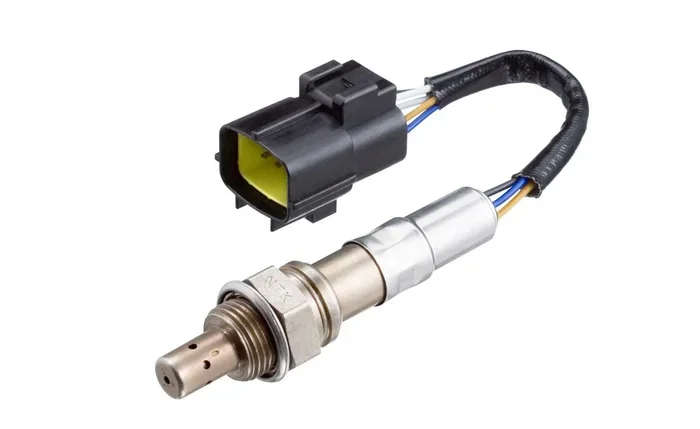
An O2 oxygen sensor is a small electronic device in your car’s exhaust system. Its main job is to measure how much oxygen is in your exhaust gases. This information goes straight to your car’s engine control unit, also known as the ECU. The ECU then uses this data to adjust the air-fuel mixture your engine burns.
Why does this matter so much? Think of it this way. Your engine needs the right balance of air and fuel to run well. Too much fuel, and you waste gas and create extra pollution. Too little fuel, and your engine can overheat or run rough. The O2 sensor keeps this balance in check. It is like a tiny referee making sure everything stays fair.
These sensors have been around since the 1980s. Early cars had just one sensor. But as emission rules got stricter, automakers added more. Today, most vehicles use multiple sensors to get the most precise readings possible. This helps your car pass emissions tests and run at peak efficiency.
How the Air-Fuel Ratio Works
Your engine works best when the air-fuel ratio sits around 14.7 parts air to 1 part fuel. This is called the stoichiometric ratio. The O2 sensor constantly checks whether your mixture is rich (too much fuel) or lean (too much air). If the sensor detects a lean condition, it sends a signal to the ECU. The ECU then adds more fuel. If it detects a rich condition, it cuts back on fuel. This process happens thousands of times per minute.
When your O2 sensors are working well, you get better fuel economy, smoother acceleration, and lower emissions. When they fail, all of that falls apart. That is why understanding how many O2 oxygen sensors are there in your car is so important.
How Many O2 Oxygen Sensors Are There in Different Vehicles?
The number of O2 sensors in your car depends on several factors. Your engine type, the number of exhaust banks, and your vehicle’s model year all play a role. Let us look at the most common setups.
Four-Cylinder Engines
Most four-cylinder cars have exactly two O2 sensors. One sits upstream, close to the engine. The other sits downstream, behind the catalytic converter. This is the simplest and most common setup you will find. If you drive a compact sedan or a small SUV with a four-cylinder engine, chances are you have two sensors.
Six-Cylinder and Eight-Cylinder Engines
V6 and V8 engines are a different story. These engines often have two exhaust banks. Each bank needs its own upstream sensor. So you could have four sensors total. Some setups also include downstream sensors for each bank, bringing the count to six or even eight. High-performance vehicles and luxury cars are more likely to have this kind of setup.
Diesel and Hybrid Vehicles
Diesel engines sometimes use different types of oxygen sensors. These sensors monitor the exhaust for optimal combustion but may be labeled differently. Hybrid vehicles can also have additional sensors because of their complex powertrain systems. The exact number of how many O2 oxygen sensors are there in a hybrid or diesel car varies a lot. Always check your owner’s manual or consult a trusted mechanic.
Quick Reference Table
| Engine Type | Typical Sensor Count | Upstream Sensors | Downstream Sensors |
|---|---|---|---|
| Four-cylinder | 2 | 1 | 1 |
| V6 | 4 to 6 | 2 | 1 to 2 |
| V8 | 4 to 8 | 2 to 4 | 2 to 4 |
| Diesel | 2 to 4 | 1 to 2 | 1 to 2 |
| Hybrid | Varies | Varies | Varies |
Keep in mind that these numbers are general guidelines. Your specific vehicle might differ. Always refer to your service manual for the exact count of how many O2 oxygen sensors are there in your particular model.
Where Are O2 Oxygen Sensors Located in Your Car?
Now that you know the typical count, let us talk about where these sensors actually sit. Location matters a lot when it is time to inspect or replace them.
Upstream O2 Sensor Location
The upstream sensor sits in the exhaust manifold or the exhaust pipe close to the engine. Its job is to measure the gases right after combustion. This gives the ECU real-time data about your air-fuel mixture. Because it sits in a hot, harsh environment, the upstream sensor tends to wear out faster than the downstream one.
Downstream O2 Sensor Location
The downstream sensor sits behind the catalytic converter. It measures the gases that have already been cleaned by the converter. Its main role is to monitor the catalytic converter’s efficiency. If the downstream sensor shows readings similar to the upstream sensor, your catalytic converter might be failing.
Bank 1 vs. Bank 2 Sensors
If your car has a V-type engine, you will hear the terms “Bank 1” and “Bank 2.” Bank 1 is the side of the engine where cylinder number one is located. Bank 2 is the opposite side. Each bank gets its own set of upstream and downstream sensors. Knowing which bank is which can save you a lot of confusion when diagnosing problems.
Here is a quick tip. Look for the sensor connector wires running from the exhaust area to the engine harness. That is your O2 sensor. They usually have two or three wires. Some modern wideband sensors have four wires. If you are not sure, a quick look under your car while the engine is running will show you where the exhaust pipes and sensors are.
What Happens When an O2 Sensor Goes Bad?
A failing O2 sensor can cause a long list of problems. Some are minor annoyances. Others can lead to expensive repairs if you ignore them. Here is what to watch for.
Check Engine Light
The most common sign of a bad O2 sensor is the check engine light. Your ECU detects an abnormal reading from the sensor and triggers the light. You will need an OBD-II scanner to read the specific trouble code. Codes starting with P0130 through P0167 usually point to O2 sensor issues.
Poor Fuel Economy
When an O2 sensor sends wrong data, your engine burns more fuel than it needs. You might notice you are filling up more often. A bad sensor can drop your fuel economy by 10 to 20 percent. That adds up fast at the pump.
Rough Idle and Poor Performance
Your engine needs a precise air-fuel mix to idle smoothly. A failing sensor disrupts this balance. You might feel your car shaking or surging while sitting at a red light. Acceleration can feel sluggish or unresponsive.
Failed Emissions Test
Since O2 sensors directly control your car’s emission levels, a bad one can cause you to fail your annual inspection. This is a common reason vehicles do not pass emissions testing in many states and countries.
Catalytic Converter Damage
This is the worst-case scenario. A chronically bad O2 sensor can cause your engine to run too rich. Unburned fuel enters the catalytic converter and overheats it. A damaged catalytic converter is an expensive repair, often costing over $1,000. Fixing a bad O2 sensor early can save you from this nightmare.
If you notice any of these symptoms, do not wait. Get your O2 sensors checked as soon as possible. The cost of a sensor replacement is tiny compared to the cost of ignoring the problem.
How to Know If You Need to Replace Your O2 Sensor
So how do you know for sure whether your O2 sensor needs replacing? A few diagnostic steps can help you figure it out.
Use an OBD-II Scanner
The fastest way to check your O2 sensors is with an OBD-II scanner. Plug it into the diagnostic port under your dashboard. The scanner will read any trouble codes stored in your ECU. Codes like P0130, P0133, P0136, or P0420 often point to O2 sensor problems. You can buy a basic scanner for under $30, or use one at your local auto parts store for free.
Watch for Physical Signs
Sometimes you can tell a sensor is failing without any tools. Look for dark, sooty deposits on the sensor tip. A healthy sensor tip should be light gray or tan. Black deposits suggest a rich fuel mixture. White or chalky deposits suggest coolant contamination. Both mean your sensor is on its way out.
Get a Professional Diagnosis
If you are not comfortable diagnosing the issue yourself, take your car to a trusted mechanic. They can test the sensor’s voltage output with a multimeter. A healthy upstream O2 sensor should produce a voltage that swings rapidly between 0.1 and 0.9 volts. If the voltage stays flat or moves very slowly, the sensor is likely failing.
How Much Does Replacement Cost?
The cost to replace an O2 sensor varies. A single sensor part costs between $20 and $100 for most cars. Add labor, and the total runs from $50 to $250 per sensor. Some luxury or performance vehicles have more expensive sensors. But even at the high end, this is a very affordable repair. It is one of the cheapest and most important maintenance jobs you can do.
Tips for Maintaining Your O2 Oxygen Sensors
Good news. You can take steps to keep your O2 sensors healthy and extend their lifespan. Here are some practical tips.
Use Quality Fuel
Cheap fuel contains more contaminants. These contaminants can coat your O2 sensor tip and affect its readings. Using top-tier gasoline from reputable stations helps keep your sensors clean. It is a small expense that pays off in the long run.
Keep Your Engine Tuned
A misfiring engine sends unburned fuel into the exhaust. This can damage O2 sensors over time. Regular tune-ups, spark plug replacements, and air filter changes all help protect your sensors. A well-maintained engine puts less stress on every component, including the O2 sensors.
Fix Coolant and Oil Leaks Promptly
Coolant or oil entering the combustion chamber creates byproducts that contaminate O2 sensors. If you notice any leaks, get them fixed right away. This protects not only your sensors but your entire engine.
Do Not Ignore Warning Signs
If your check engine light comes on or you notice any symptoms we discussed, get it checked quickly. Catching a problem early saves money and prevents cascading damage to other parts of your car.
Know Your Sensor Age
Most O2 sensors are designed to last between 60,000 and 100,000 miles. After that, they may start to degrade. If your car has over 100,000 miles and you have not replaced the sensors, consider having them inspected. Proactive replacement is always cheaper than reactive repair.
Understanding how many O2 oxygen sensors are there in your car and how to care for them gives you real power as a car owner. You do not need to be a mechanic. Just knowing the basics helps you make smarter decisions about maintenance and repairs.
Common Mistakes People Make With O2 Sensors
There are a few mistakes car owners make when dealing with O2 sensors. Avoiding these can save you time, money, and headaches.
- Replacing sensors without proper diagnosis: A check engine light does not always mean a bad O2 sensor. Other issues like vacuum leaks or fuel injector problems can trigger the same codes. Always diagnose first.
- Buying cheap aftermarket sensors: Budget sensors may seem like a deal, but they often fail faster and provide less accurate readings. Stick with reputable brands or OEM parts.
- Ignoring downstream sensors: Many people only focus on upstream sensors. But downstream sensors protect your catalytic converter. Ignoring them can lead to expensive damage.
- Using the wrong type of sensor: Not all O2 sensors are the same. Your car may need a narrowband or wideband sensor. Make sure you match the correct part number for your vehicle.
- Driving on a bad sensor too long: Some folks ignore a failing sensor for months. This stresses your engine, wastes fuel, and can damage the catalytic converter. Fix it as soon as you can.
Expert Insights on O2 Sensor Health
Experienced mechanics agree on a few key points about oxygen sensor maintenance. First, most modern O2 sensors are designed for long life. You should not need to replace them often. Second, the biggest enemy of any O2 sensor is contamination. Oil, coolant, and fuel additives can all shorten sensor life. Third, early detection is everything. A quick scan with an OBD-II tool can save hundreds of dollars in potential repairs.
One mechanic we spoke with shared this insight. “I see cars come in every week with check engine lights caused by bad O2 sensors. Nine times out of ten, the owner waited too long. A simple $100 fix turned into a $1,200 catalytic converter replacement.” That story is more common than you might think.
Another expert pointed out that driving habits matter. Short trips, stop-and-go city driving, and frequent towing all put more stress on O2 sensors. If your driving style fits these patterns, consider having your sensors inspected more often than the standard maintenance schedule suggests.
How Many O2 Oxygen Sensors Are There? Final Thoughts
So, how many O2 oxygen sensors are there in your car? The short answer is two to four for most vehicles, but the exact number depends on your engine and model. Every sensor plays a vital role in keeping your engine running efficiently, your emissions low, and your fuel economy strong.
Taking care of your O2 sensors is one of the simplest things you can do for your car. Use good fuel, keep up with routine maintenance, and never ignore a check engine light. These small habits add up to big savings over time.
Now that you understand the role of each sensor and what happens when one fails, you are better equipped to take care of your vehicle. Share this guide with a friend who might find it helpful. And remember, a little attention to your O2 sensors today can save you a lot of trouble tomorrow.
Your car works hard for you every day. Giving it the care it deserves starts with understanding the small parts that make a big difference. The O2 oxygen sensor is one of those parts. Treat it well, and it will keep your engine running smooth for miles to come.
Frequently Asked Questions
Can I drive my car with a bad O2 sensor?
You can drive short distances with a failing O2 sensor, but it is not recommended. A bad sensor causes poor fuel economy, rough running, and increased emissions. Over time, it can also damage your catalytic converter, leading to a much more expensive repair. Get it checked and replaced as soon as possible.
How often should O2 sensors be replaced?
Most O2 sensors last between 60,000 and 100,000 miles. However, driving conditions, fuel quality, and engine health can shorten that lifespan. If your car has over 100,000 miles, consider having the sensors inspected during your next service appointment. Proactive replacement is always better than waiting for a failure.
What is the difference between upstream and downstream O2 sensors?
The upstream sensor sits before the catalytic converter and measures the air-fuel mixture in real time. The downstream sensor sits after the catalytic converter and monitors how well the converter is cleaning the exhaust gases. Both are essential for proper engine performance and emissions control.
Will a bad O2 sensor cause my car to fail an emissions test?
Yes, a bad O2 sensor is one of the most common reasons cars fail emissions tests. The sensor directly affects your car’s fuel mixture and emission levels. If it is not sending accurate data to the ECU, your vehicle will likely produce higher emissions than allowed.
How much does it cost to replace all O2 sensors?
The total cost depends on how many sensors your car has and the brand of sensor you choose. For a typical four-cylinder car with two sensors, you can expect to pay between $100 and $300 total, including parts and labor. V6 and V8 engines with more sensors will cost more, but each individual sensor replacement is still very affordable.
Can I replace an O2 sensor myself?
Yes, if you have basic tools and some mechanical experience, you can replace an O2 sensor at home. You will need an OBD-II scanner to confirm the fault, a wrench or oxygen sensor socket to remove the old sensor, and the new replacement part. The job usually takes 30 to 60 minutes per sensor. Just make sure you disconnect the battery first and let the exhaust cool down to avoid burns.
=== CONCLUSION ===
Understanding how many O2 oxygen sensors are there in your car gives you a real advantage as a vehicle owner. Most cars have two to four sensors, and each one plays a critical role in engine performance, fuel efficiency, and emissions control. These small devices work tirelessly behind the scenes to keep your engine running at its best.
By staying on top of O2 sensor maintenance, you protect your wallet and your car. Replace bad sensors promptly, use quality fuel, and keep up with routine service. Your car will reward you with better performance, lower fuel costs, and a longer lifespan. Take the time to learn about your vehicle today, and you will thank yourself tomorrow.