How Long Can You Ignore the Oil Change Light Before Damage
You should never ignore the oil change light for more than a few days. Driving with overdue oil can cause engine damage, reduced performance, and costly repairs. Most mechanics recommend changing your oil every 5,000 to 7,500 miles, but your oil life monitor may give you a slightly different window depending on driving conditions.
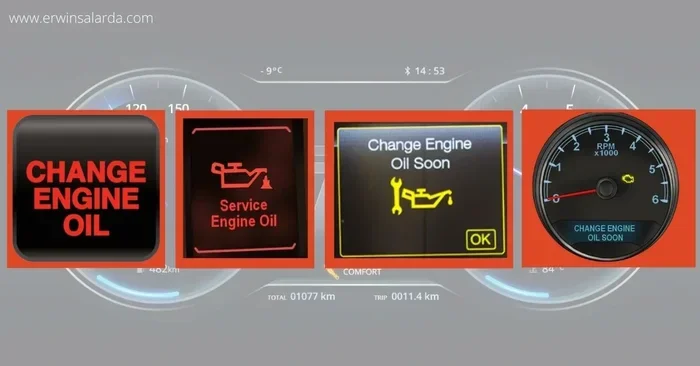
That little yellow or orange light on your dashboard just started blinking. You know the one. The oil change reminder. You have a lot going on, and it is easy to think, “I will get to it next week.” But here is the thing — that little light is trying to tell you something important about the health of your engine.
How long can you ignore the oil change light before damage? The honest answer is: not very long. Most experts agree you should not drive more than 500 to 1,000 miles past the reminder. Some newer cars with synthetic oil can stretch a bit further, but pushing it too far is a real risk. In this article, we will break down exactly what happens when you ignore that light, how to know when it is truly urgent, and what you can do to keep your engine running strong.
Let us get into it. Because your engine is one of the most expensive parts of your car to repair. Taking care of your oil is one of the simplest and cheapest ways to protect it.
Key Takeaways
- Ignoring the oil change light risks engine damage: Old oil loses lubrication, causing friction and overheating.
- Most cars need an oil change every 5,000 to 7,500 miles: Check your owner manual for the exact interval.
- The oil life monitor is not exact: It estimates based on driving conditions, not actual oil quality.
- Resetting the light without changing oil is a common mistake: Always change the oil first, then reset the system.
- You can do it yourself: Changing your own oil is easier than most people think, as shown in guides like Can I Change My Corolla S Oil Myself.
- Don’t forget the oil filter: A clogged filter reduces oil flow and accelerates engine wear.
- Act fast when the light comes on: Schedule an oil change within a few days to avoid serious problems.
📑 Table of Contents
- What Does the Oil Change Light Actually Mean?
- How Long Can You Really Go Past the Oil Change Light?
- What Happens to Your Engine When You Ignore the Light?
- Can You Reset the Oil Change Light Without Changing the Oil?
- How Often Should You Actually Change Your Oil?
- What Type of Oil Is Best for Your Car?
- How to Know When the Oil Change Light Is a False Alarm
- How Much Does It Cost to Ignore the Oil Change Light?
- Common Mistakes People Make With the Oil Change Light
- Conclusion
What Does the Oil Change Light Actually Mean?
The oil change light is part of your car’s oil life monitoring system. It is not just a random reminder. It is a calculated warning based on your driving habits, mileage, and engine conditions. When the system determines that your oil has degraded past a safe level, it triggers the light.
But here is something most people do not realize. The light does not measure the actual quality of your oil. It estimates based on algorithms. Things like short trips, extreme temperatures, towing, and stop-and-go traffic all factor in. So the light may come on earlier or later depending on how you drive.
Some older cars use a simple mileage-based system. They just count miles and remind you every 3,000 or 5,000 miles. Newer vehicles use the oil life monitor, which is more sophisticated but still not perfect. Either way, the light means one thing: your oil needs attention soon.
Why the Oil Change Light Matters More Than You Think
Oil is the lifeblood of your engine. It lubricates all the moving parts, reduces friction, and keeps temperatures in check. Without fresh oil, those metal parts grind against each other. Over time, this causes wear, heat buildup, and eventually, engine failure.
When you ignore the oil change light, you are not just skipping a routine service. You are letting your engine run on degraded oil that can no longer protect it properly. The oil additives that prevent sludge and corrosion break down over time. The oil itself becomes thinner or thicker than it should be, reducing its ability to do its job.
How Long Can You Really Go Past the Oil Change Light?
This is the question everyone wants answered. And the truth is, it depends on several factors. Your car model, the type of oil you use, your driving conditions, and how far past the light you have already gone all matter.
In general, most car manufacturers recommend changing your oil every 5,000 to 7,500 miles for conventional oil. If you use synthetic oil, the interval can extend to 7,500 or even 10,000 miles. But the oil change light is designed to come on before you reach those limits. It gives you a buffer.
Here is a rough breakdown of what happens as you push past the light:
- 0 to 100 miles past the light: Your oil is still functional. You are fine. Just schedule the change soon.
- 100 to 500 miles past the light: The oil is starting to degrade. Additives are breaking down. You should get it changed within the next few days.
- 500 to 1,000 miles past the light: This is the danger zone. Oil pressure may drop. Metal parts start experiencing more friction. Engine wear accelerates.
- Over 1,000 miles past the light: Serious damage becomes a real possibility. Sludge buildup, overheating, and even engine seizure can occur.
The bottom line is that you should treat the oil change light like a fire alarm. You would not ignore a fire alarm for weeks. Treat your oil light the same way.
Factors That Shorten Your Oil’s Lifespan
Not all driving is equal. Some conditions cause your oil to break down faster. If you live in an area with extreme heat or cold, your oil degrades more quickly. Stop-and-go city driving is harder on oil than steady highway cruising. Towing a trailer or carrying heavy loads also puts extra stress on your engine and oil.
If any of these sound familiar, you should not ignore the oil change light at all. Get it changed as soon as possible. And if you are wondering whether you can handle the job yourself, guides like Can I Change My Corolla S Oil Myself show that DIY oil changes are more accessible than most people think.
What Happens to Your Engine When You Ignore the Light?
Let us paint a picture. You see the oil change light. You decide to drive another week. Another 300 miles. Then another. What is actually happening inside your engine during all that time?
First, the oil starts to lose its viscosity. It becomes thinner and less effective at forming a protective barrier between engine parts. Metal-on-metal contact increases. Friction builds. Heat rises. This is the beginning of engine wear.
Next, contaminants start to accumulate. Dirt, metal particles, and combustion byproducts circulate in the oil. Over time, these particles form sludge — a thick, tar-like substance that clogs oil passages. When oil cannot flow freely, parts of your engine start to starve for lubrication.
The oil pump has to work harder to push the thick, dirty oil through the system. This puts extra strain on the pump and reduces oil pressure. Low oil pressure is one of the leading causes of engine failure.
Signs Your Engine Is Suffering from Old Oil
How do you know if ignoring the oil change light has already caused damage? Watch for these warning signs:
- Engine knocking or ticking sounds: This means metal parts are rubbing together without enough lubrication.
- Reduced fuel economy: A poorly lubricated engine works harder, burning more fuel.
- Overheating: Old oil cannot regulate engine temperature as effectively.
- Dark or gritty oil on the dipstick: Fresh oil is amber and smooth. Dark, gritty oil is overdue.
- Oil smell inside the car: This could indicate an oil leak caused by degraded seals.
- Check engine light comes on: This is a more serious warning that often follows prolonged oil neglect.
If you notice any of these signs, stop driving and get your oil changed immediately. Continuing to drive could turn a simple oil change into a major engine repair.
Can You Reset the Oil Change Light Without Changing the Oil?
Here is a question we get asked a lot. Can you just reset the oil change light and keep driving? The short answer is yes, you can. But that does not mean you should.
Resetting the light does not change your oil. It simply clears the reminder. Your engine still has old, degraded oil circulating through it. Resetting the light and then driving for thousands more miles is one of the fastest ways to cause serious engine damage.
Some people reset the light because they plan to change the oil soon. That is fine. But if you reset it and forget, you are setting yourself up for trouble. The oil life monitor will eventually trigger again, and by then, you may have pushed your oil way past its safe limit.
After you get your oil changed, make sure to reset the system properly. If you are unsure how, check your owner manual or visit a guide like Do You Have To Reset Oil Life for step-by-step instructions.
The Right Way to Handle the Oil Change Light
When the light comes on, follow these simple steps:
- Check your oil level using the dipstick. If it is low, top it off before driving.
- Schedule an oil change within the next few days. Do not wait for a convenient weekend if the light has been on for a while.
- Do not reset the light until the oil has actually been changed and the filter replaced.
- Keep track of your mileage between oil changes to avoid future surprises.
These steps take just a few minutes but can save you thousands of dollars in engine repairs down the road.
How Often Should You Actually Change Your Oil?
The old rule of thumb was every 3,000 miles or every three months. But modern cars and modern oils have changed that. Today, most vehicles can go between 5,000 and 7,500 miles between oil changes. Some cars using full synthetic oil can stretch to 10,000 miles.
But here is the catch. Those numbers are for ideal driving conditions. If you drive in severe conditions, you should shorten the interval. Severe conditions include:
- Frequent short trips (under 5 miles)
- Extreme hot or cold weather
- Stop-and-go traffic
- Towing or hauling heavy loads
- Dusty or off-road driving
If any of these apply to your driving, stick closer to the 5,000-mile mark. And do not rely solely on the oil change light. Check your oil manually every few weeks. A quick dipstick check takes ten seconds and can catch problems early.
When you do get your oil changed, make sure the shop replaces the oil filter too. A clogged filter restricts oil flow and reduces the effectiveness of fresh oil. For more details on this, check out Do I Need A New Filter With Every Oil Change.
Quick Oil Change Tips for Busy People
Not everyone has time to visit a mechanic every few months. Here are some practical tips to make oil changes easier:
- Book appointments online: Most quick-lube shops let you schedule in advance and skip the wait.
- Set a recurring reminder: Use your phone calendar to track when your next oil change is due.
- Ask about multi-point inspections: Many shops check other fluids and filters at no extra cost.
- Consider mobile oil change services: Some companies come to your home or office to change your oil.
- Learn to do it yourself: It is easier than you think, and it saves money. A quick oil change can often be done in under 30 minutes.
What Type of Oil Is Best for Your Car?
Not all engine oils are the same. The three main types are conventional, synthetic blend, and full synthetic. Each has its own benefits and recommended change intervals.
| Oil Type | Typical Change Interval | Best For |
|---|---|---|
| Conventional | 3,000 – 5,000 miles | Older cars, budget-friendly option |
| Synthetic Blend | 5,000 – 7,500 miles | Moderate driving conditions |
| Full Synthetic | 7,500 – 10,000 miles | New cars, extreme conditions, high performance |
Using the right oil for your car matters. Check your owner manual for the manufacturer’s recommendation. Using the wrong type can reduce engine protection and even void your warranty in some cases.
Also, be careful about mixing oil brands. While it is not dangerous in an emergency, sticking with one brand and type ensures consistent performance. If you are curious about oil compatibility, you might want to read up on whether you can mix oil brands for more details.
Can You Use the Wrong Oil and Still Be Fine?
Using the wrong oil once probably will not destroy your engine. But over time, it can cause problems. The wrong viscosity can reduce lubrication. The wrong additives may not protect your engine the way they should. Stick with what your car manufacturer recommends.
How to Know When the Oil Change Light Is a False Alarm
Sometimes the oil change light comes on even when your oil is fine. This can happen if the system glitches or if the sensor malfunctions. So how do you know if the light is a false alarm?
The best way is to check your oil manually. Pull out the dipstick, wipe it clean, reinsert it, and pull it out again. Look at the color and level. If the oil is amber and at the full mark, your oil is likely fine. If the light persists after checking, it could be a sensor issue.
In this case, have a mechanic run a diagnostic. Sometimes the oil life monitor needs to be reprogrammed or the sensor needs replacement. But do not assume the light is wrong without checking. It is always better to be safe than sorry when it comes to your engine.
Quick Tips to Avoid Oil Change Light Issues
- Check your oil level monthly, even if the light has not come on.
- Keep a log of your oil changes with dates and mileage.
- Never reset the light without actually changing the oil.
- Use high-quality oil and filters that meet your car’s specifications.
- Do not ignore the light, even if your car seems to be running fine.
These small habits add up over time. They keep your engine healthy and your repair costs low.
How Much Does It Cost to Ignore the Oil Change Light?
A routine oil change typically costs between $35 and $75 at most quick-lube shops. That is a small price to pay for protecting your engine. But what happens when you ignore the light and the engine suffers?
Engine repairs can range from a few hundred dollars for a simple fix to several thousand dollars for a rebuilt or replaced engine. A new engine can cost anywhere from $4,000 to $8,000 or more. That is a massive difference compared to the cost of an oil change.
The math is simple. A few dozen dollars for an oil change every few thousand miles can save you thousands in engine repairs. Ignoring the oil change light is one of the most expensive shortcuts you can take.
Common Mistakes People Make With the Oil Change Light
Let us talk about some mistakes that are way too common. These are things that well-meaning car owners do that end up causing problems:
- Resetting the light and forgetting to change the oil: This is the number one mistake. The light exists for a reason.
- Waiting until the light flashes: By the time it flashes, your oil may already be dangerously low or degraded.
- Ignoring other warning signs: If the oil change light comes with a check engine light or oil pressure warning, do not delay.
- Using the wrong oil: Not all oils are created equal. Check your manual for the right specification.
- Skipping the oil filter: A new filter is essential for keeping your fresh oil clean.
Avoiding these mistakes will keep your engine running smoothly and extend the life of your vehicle significantly.
Expert Insight: What Mechanics Wish You Knew
Most mechanics will tell you the same thing: the oil change light is your best friend, not your enemy. It is designed to protect your engine by reminding you when maintenance is due. The best drivers treat that light as a priority, not an inconvenience.
If you are ever unsure about your oil or your car’s maintenance schedule, do not hesitate to ask a professional. A quick inspection can catch small problems before they become big ones. And if you are wondering about other dashboard lights, you might find helpful information on topics like running diagnostics without a check engine light or understanding what different warning lights mean.
Conclusion
The oil change light is not something you should take lightly. It is one of the most important warnings your car can give you. Ignoring it for a few days might seem harmless, but over time, it can lead to serious and expensive engine damage.
Remember the golden rule: when that light comes on, get your oil changed as soon as possible. Most drivers should not go more than a few days past the reminder. If you are far from a mechanic, at least check your oil level and top it off if needed.
Taking care of your oil is one of the easiest and most cost-effective ways to keep your car running strong for years. Do not let a simple reminder turn into a major repair bill. Your engine works hard for you every day. Give it the care it deserves.
Stay on top of your car maintenance, keep track of your oil changes, and always listen to what your car is telling you. A few minutes of attention now can save you hours of headaches — and thousands of dollars — later.
Frequently Asked Questions
Can I drive 1,000 miles past the oil change light?
It is not recommended. While some newer cars with synthetic oil may tolerate it, driving 1,000 miles past the oil change light puts your engine at risk. Oil degrades over time and loses its ability to lubricate properly. Always get your oil changed as soon as possible after the light comes on.
What happens if I never change my oil?
Never changing your oil leads to sludge buildup, overheating, and eventually engine failure. Old oil loses its lubricating properties, causing metal parts to grind against each other. The engine will seize up and need a complete rebuild or replacement, which costs thousands of dollars.
Is it okay to reset the oil change light without changing the oil?
You can reset it, but you should not. Resetting the light without changing the oil clears the reminder but does nothing to protect your engine. The old oil is still degraded and unable to provide proper lubrication. Always change the oil first, then reset the system.
How do I know if my oil is bad between changes?
Check your oil using the dipstick. Fresh oil is amber and smooth. Bad oil is dark, gritty, or has a burnt smell. If your oil looks dark or feels rough between changes, it may be time for an early oil change regardless of what the light says.
Can low oil cause the check engine light to come on?
Yes, low oil can trigger the check engine light in some vehicles. Low oil reduces oil pressure, which affects engine performance. If both the oil change light and check engine light are on, get your car inspected immediately. You can find more on this topic in our guide on driving with the check engine light on.
How long does an oil change usually take?
A standard oil change takes about 15 to 30 minutes at most quick-lube shops. If you are doing it yourself, it may take 30 to 45 minutes depending on your vehicle. Some services, like express oil changes, can be done in as little as 10 minutes if you have the right supplies and experience.
=== META TITLE ===
How Long Can You Ignore the Oil Change Light Before Damage
=== URL SLUG ===
/how-long-can-you-ignore-the-oil-change-light-before-damage


