How Long Do You Drive To Reset The Check Engine Light
You typically need to drive between 50 and 100 miles after clearing the check engine light for the system to fully reset. The exact distance depends on your vehicle model, the type of fault code, and the specific drive cycle your car needs. Driving through multiple ignition cycles and varying your speed helps the onboard diagnostics recheck all systems and confirm the issue is resolved.
This is a comprehensive guide about How Long Do You Have To Drive To Reset The Check Engine Light.
Key Takeaways
- Drive 50 to 100 miles: Most vehicles need this distance for a full check engine light reset.
- Multiple ignition cycles matter: Turning the car on and off several times is just as important as mileage.
- Different codes need different drive cycles: Emission-related codes require more driving than minor issues like a loose gas cap.
- An OBD-II scanner is essential: You need a scanner to clear codes and verify the reset was successful.
- Disconnecting the battery can work: But it may also erase other important settings and codes.
- Some lights turn off automatically: Certain minor issues resolve themselves after a few drive cycles without intervention.
[FEATURED_IMAGE_PLACEHOLDER]
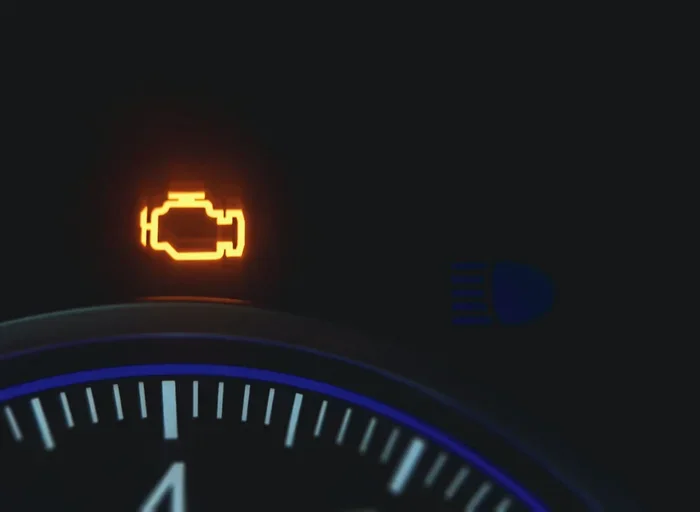
That little yellow engine light on your dashboard can send your heart racing. You wonder, how long do you drive to reset the check engine light? It is one of the most common questions car owners ask, and for good reason. Nobody wants that glowing icon sitting there like a permanent reminder of something gone wrong.
The truth is, resetting the check engine light is not as simple as turning it off and forgetting about it. Your car has a sophisticated onboard diagnostics system that monitors dozens of sensors and components. After a problem is detected, the system stores a fault code and illuminates the warning light. Simply clearing that code does not mean the light stays off forever.
In this guide, we will walk you through everything you need to know about the check engine light reset process. You will learn about drive cycles, how long to drive, what codes need more attention, and when you can handle it yourself. By the end, you will feel confident tackling that annoying engine light with real knowledge behind you.
What Happens When the Check Engine Light Comes On
Before you can reset anything, it helps to understand what triggered the light in the first place. The check engine light, also called the engine warning light, is part of your car’s onboard diagnostics system. This system constantly monitors engine performance, emissions, and key sensors.
When something falls outside the normal range, the ECU (Engine Control Unit) stores a diagnostic trouble code, or DTC. This code tells you what went wrong. The light then turns on to alert you. Common triggers include a loose gas cap, a failing oxygen sensor, or a more serious issue like an engine misfire.
Common Reasons the Check Engine Light Activates
- Loose or faulty gas cap: This is the number one cause. A loose cap lets fuel vapors escape and triggers the emission system warning.
- Oxygen sensor failure: The sensor measures unburned oxygen in exhaust. When it fails, fuel efficiency drops and emissions rise.
- Catalytic converter issues: A failing converter means your exhaust system is not processing gases properly.
- Spark plug or ignition coil problems: Misfires caused by worn spark plugs can illuminate the light quickly.
- Mass airflow sensor malfunction: This sensor measures the air entering the engine. A dirty or faulty sensor causes poor performance.
- EVAP system leak: The evaporative emission control system can develop small leaks that trigger the warning.
Understanding the root cause matters because it determines how long your check engine light reset journey will be. A simple gas cap fix requires very little driving. But a catalytic converter problem? That may take significantly more mileage to clear and confirm.
How the Check Engine Light Reset Process Works
Resetting the check engine light is a two-part process. First, you must clear the stored fault codes. Second, you must complete a drive cycle so the car’s computer can recheck all monitored systems. Both parts are essential for a successful reset.
Step 1: Clearing the Fault Codes
You need an OBD-II scanner to clear the codes. This tool plugs into a port under your dashboard, usually near the steering column. Once connected, the scanner reads the stored codes and lets you erase them. After clearing, the check engine light should turn off.
Some people wonder if they can simply disconnect the battery to reset the codes. The answer is yes, but with caveats. Does disconnecting the battery reset codes? It can, but it also erases radio presets, clock settings, and sometimes learned driving adaptations. Using a scanner is the cleaner and safer method.
Step 2: Completing the Drive Cycle
After clearing the codes, your car needs a drive cycle to relearn and recheck everything. A drive cycle is a specific driving pattern that tests various systems under different conditions. The car’s computer runs through predefined tests during this process.
During the drive cycle, the ECU monitors:
- Engine warm-up time and temperature
- Cruising speed at highway velocity
- Deceleration without fuel input
- Idle conditions after a cold start
- Fuel system performance across different loads
If the original problem has been fixed, the light will stay off after the drive cycle completes. If the problem persists, the light will come back on, and new codes will be stored. This is why simply clearing codes without fixing the underlying issue does not work long term.
How Long Do You Actually Need to Drive
This is the question everyone wants answered. The honest answer is: it depends. Most vehicles need between 50 and 100 miles of driving to fully reset the check engine light. But several factors can change this number significantly.
Factors That Affect Reset Distance
The distance you need to drive depends on what caused the light in the first place. Here are the key factors:
- Type of fault code: Emission-related codes usually require longer drive cycles than simple sensor faults.
- Vehicle make and model: Different cars have different drive cycle requirements. A Toyota may need a different pattern than a Honda.
- Driving conditions: City stop-and-go driving is different from highway cruising. Both are needed for a complete cycle.
- Engine temperature: The car needs to reach full operating temperature multiple times during the cycle.
- Ignition cycles: Each time you turn the car off and restart, that counts as a cycle. Multiple cycles matter as much as mileage.
A Typical Drive Cycle Breakdown
While every vehicle is different, a typical drive cycle looks something like this:
- Cold start: Start the car and let it idle for a few minutes until it reaches normal operating temperature.
- Slow driving: Drive at moderate speeds (25-45 mph) for about 5-10 minutes.
- Highway driving: Cruise at 55-65 mph for 10-15 minutes. This tests the O2 sensors and catalytic converter.
- Deceleration: Let off the gas and coast without braking for extended periods.
- Idle test: Stop the car and let it idle for several minutes.
- Repeat: Turn the car off and start again. Multiple cold starts are often required.
For most cars, completing this pattern two to three times covers the necessary distance. That typically lands you in the 50 to 100-mile range. Some vehicles may need up to 150 miles for a full reset, especially if multiple codes were present.
Can You Speed Up the Reset Process
Everyone wants a shortcut. The good news is there are some things you can do to help the reset process along. The bad news is you cannot truly skip the miles and ignition cycles the car needs.
Tips to Help the Reset Go Smoothly
- Fix the root cause first: This sounds obvious, but it is the most important step. If you clear codes without fixing the problem, the light returns and you start over.
- Check your gas cap: Before driving, make sure the gas cap is tight and seated properly. A loose cap is the easiest fix and the most common trigger.
- Use quality fuel: Bad fuel can cause emission issues that keep the light on. Fill up at a reputable station after clearing codes.
- Avoid heavy loads: Towing or carrying heavy cargo during the drive cycle can trigger new codes and interfere with the reset.
- Monitor the scanner: If you have a Bluetooth OBD-II scanner and a phone app, you can watch real-time data as you drive. This helps you know when all monitors have passed.
One question people often ask is, can you run diagnostics without a check engine light? The answer is yes, a scanner can read pending codes even before the light comes on. This is useful for catching problems early. But once the light is on and you have cleared it, the focus shifts to completing the drive cycle successfully.
What Not to Do During the Reset Process
- Do not ignore the light if it comes back: A returning light means the problem is not fixed. Keep troubleshooting.
- Do not drive aggressively: Hard acceleration and high RPMs can create new fault codes during the reset period.
- Do not rely on battery disconnect alone: While it works, it can cause other issues and does not guarantee a clean reset.
- Do not clear codes repeatedly: If you clear codes and the light returns within a few miles, stop and diagnose the real problem.
When the Check Engine Light Will Not Reset
Sometimes the light stays on no matter what you do. This can be frustrating, but it usually points to an underlying issue that needs more attention. Understanding why the light persists helps you take the right next steps.
Common Reasons the Light Stays On After Reset
- The repair was incomplete: The original problem was not fully fixed. For example, you replaced a sensor but did not address the wiring issue causing the sensor to fail.
- Multiple fault codes exist: One problem can trigger several codes. Clearing one code may reveal another that still needs attention.
- Pending codes became active: A pending code is a warning that a problem has been detected but not yet confirmed. After clearing, it may become an active code during the drive cycle.
- Hardware damage: Some issues, like a damaged catalytic converter, require physical replacement before the light will stay off.
- Software needs updating: Older vehicles sometimes need a software update at the dealership to clear stubborn codes.
Many car owners also wonder, can a check engine light turn off on its own? Yes, it can. If the issue was minor and intermittent, the system may monitor it for several drive cycles and turn the light off automatically if no further problems are detected. However, this should not be relied upon. Always verify the fix with a scanner.
Another related question is whether you can clear the engine management light using the same process. The engine management light is essentially the same system. It uses the same OBD-II port and the same drive cycle requirements. The reset process is identical.
How Long Do You Drive To Reset The Check Engine Light: The Bottom Line
The short answer is 50 to 100 miles for most vehicles. The longer answer involves understanding drive cycles, fault codes, and your specific car’s requirements. The key is patience. Rushing through the process by driving a few miles and checking the dashboard will not give the system enough data to confirm the repair.
If you have fixed the problem that triggered the light, clearing the codes and completing a proper drive cycle should resolve everything. Use an OBD-II scanner to verify that all monitors have passed and the light stays off. If the light returns, go back and investigate further. The car is telling you something still needs attention.
Remember that the check engine light is your car’s built-in warning system. It exists to protect your engine, your wallet, and the environment. Taking the time to reset it properly ensures your vehicle runs cleanly and efficiently for miles to come.
Frequently Asked Questions
Can I drive my car with the check engine light on?
It depends on the severity. If the light is solid and not flashing, you can usually drive a short distance to get it checked. However, if the light is flashing, stop driving immediately and seek assistance. A flashing light often indicates a serious problem like an engine misfire that can damage the catalytic converter.
How many miles do I need to drive to reset the check engine light?
Most vehicles require between 50 and 100 miles of driving after clearing the codes. This allows the onboard diagnostics system to complete its full drive cycle and recheck all monitored systems. The exact distance varies by vehicle model and the type of fault code that was triggered.
Will the check engine light reset itself after fixing the problem?
Yes, in many cases. Once the underlying issue is resolved, the car’s computer needs several drive cycles to confirm the fix. After it verifies everything is working properly, it will turn the light off automatically. You can also use an OBD-II scanner to manually clear the codes and speed up the process.
Can I clear the check engine light with an OBD-II scanner?
Absolutely. An OBD-II scanner connects to your car’s diagnostic port and allows you to read and erase fault codes. This is the safest and most reliable method for clearing the light. Just remember that clearing the codes does not fix the problem. You must address the root cause first.
What happens if I don’t reset the check engine light?
If you do not reset the light, the stored codes remain in the car’s memory. This can affect emissions testing, fuel efficiency, and overall performance. The light will continue to illuminate, which can also mask new problems that may arise. Always reset the light after resolving the issue.
Is it safe to disconnect the battery to reset the check engine light?
It can work, but it comes with risks. Disconnecting the battery resets the codes, but it also erases radio presets, clock settings, and sometimes learned engine adaptations. Additionally, some vehicles require a dealer-level tool to fully reset certain systems after a battery disconnect. Using a scanner is the recommended approach.
Frequently Asked Questions
What is How Long Do You Have To Drive To Reset The Check Engine Light?
How Long Do You Have To Drive To Reset The Check Engine Light is an important topic with many practical applications.


