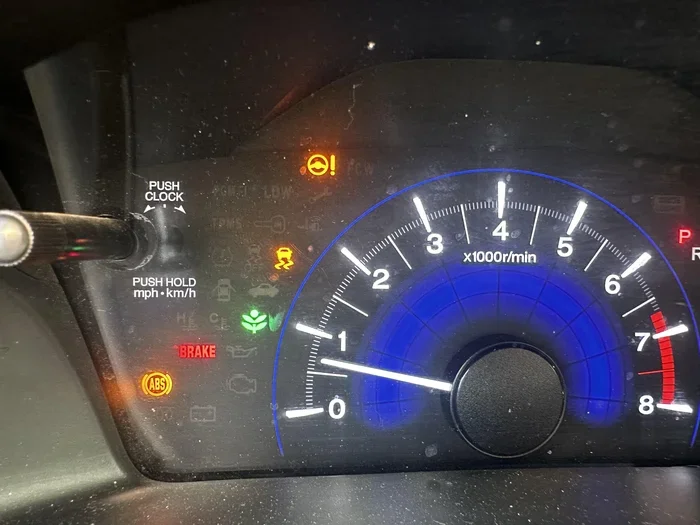
Honda Civic Wont Start but Has Power Full Breakdown
When your Honda Civic wont start but has power, it can be frustrating and confusing. The good news is that this problem usually comes down to a few well-known culprits like a faulty ignition switch, dead key fob battery, or fuel pump issues. This guide walks you through every possible cause, how to diagnose it yourself, and what to do next. Whether you are a DIY mechanic or just want to understand the problem, you will find clear answers here.
You turn the key or push the start button on your Honda Civic. The dash lights up. The radio works. Everything looks normal. But the engine refuses to turn over. This is the classic Honda Civic wont start but has power situation, and it happens more often than most people think.
Maybe you are running late for work. Maybe you are stuck in a parking lot. Either way, a car that has electrical power but will not start can feel like a nightmare. The good news? Most of the time, the cause is something simple and fixable. In this article, we are going to break down every reason this can happen, how to figure out which one is yours, and exactly what to do about it.
Are Honda Civics reliable? Absolutely. They are one of the most dependable cars on the road. But even the best vehicles run into problems. The Honda Civic starting system has several parts that all need to work together. When one fails, you get power but no start. Let us dig into why that happens.
If you also drive a Toyota, you might have noticed similar issues. For example, some Toyota Camry owners deal with remote start problems that share some overlap with Civic starting issues. The electrical systems in modern cars are complex, but the fixes are often straightforward once you know what to look for.
Key Takeaways
- Power but no start is common: This issue in Honda Civics usually points to the ignition system, fuel delivery, or electrical components.
- DIY diagnosis is possible: You can check the key fob battery, ignition switch, and fuel pump relay at home with basic tools.
- Ignition switch failure is a top cause: Worn contacts inside the switch prevent the engine from turning over even when the dash lights up.
- Fuel pump problems stop your Civic cold: A failing pump or clogged filter means fuel never reaches the engine.
- Key fob and immobilizer issues are sneaky: A weak transponder key or dead fob battery can block startup even with full electrical power.
- Know when to call a pro: If basic checks fail, a professional diagnostic saves time and money in the long run.
📑 Table of Contents
- Why Does Your Honda Civic Have Power But Won’t Start?
- Common Causes: Honda Civic Ignition and Electrical Issues
- How to Diagnose the Exact Cause
- Step-by-Step Troubleshooting You Can Do at Home
- When to Call a Professional Mechanic
- Preventing Honda Civic Starting Problems
- Expert Insights on Honda Civic Starting Problems
- Conclusion
Why Does Your Honda Civic Have Power But Won’t Start?
Understanding the problem starts with understanding how your car starts. When you turn the key or press the button, several things must happen in sequence. The battery sends power to the starter motor. The starter motor cranks the engine. The fuel pump sends gas to the engine. The spark plugs ignite the fuel. If any one of these steps fails, your engine will not start even though the dashboard lights up and the radio plays.
This is why Honda Civic wont start but has power is such a common complaint. The electrical system is working fine. The problem lies deeper in the starting system or the fuel delivery system. Let us look at the most common reasons this happens.
1. Faulty Ignition Switch
The ignition switch is one of the most common reasons a Honda Civic has power but will not start. Inside the switch, there are electrical contacts that wear down over time. When these contacts fail, they cannot send the signal to the starter motor. Your dash lights up because the accessory circuit still works. But the engine start circuit is dead.
You might notice the key feels loose or wobbly when turned. Sometimes the switch works intermittently, which makes it even harder to diagnose. If your Civic is older, the ignition switch is a likely suspect. Replacing it is not expensive, and many people do it themselves.
2. Dead Key Fob or Transponder Battery
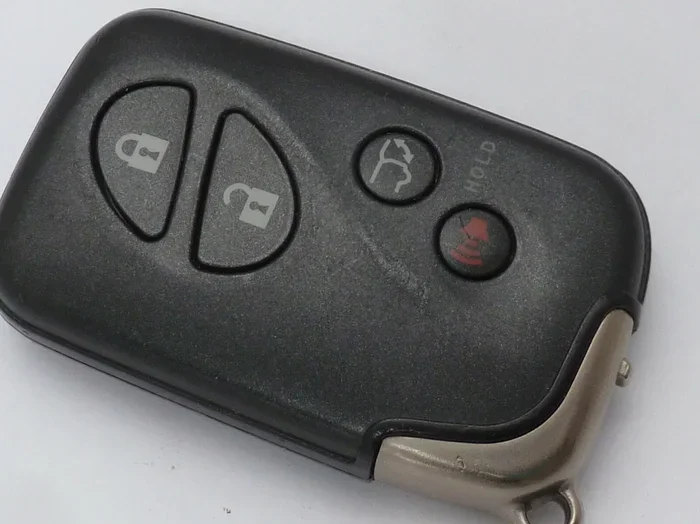
If your Honda Civic uses a push-button start, a dead key fob battery can cause a no-start condition even when the car has full power. The car’s immobilizer system does not recognize the key, so it refuses to start the engine. The dashboard might not even show a warning light, which catches people off guard.
Try replacing the battery in your key fob. It is a CR2032 coin cell battery, and it costs just a few dollars. This is one of the easiest and cheapest fixes for a Honda Civic that won’t start but has electrical power.
3. Fuel Pump Failure
Your fuel pump does the important job of sending gasoline from the tank to the engine. When it fails, fuel never arrives, and the engine cannot start. A bad fuel pump often makes a faint humming sound when you turn the key to the ON position. If you do not hear that hum, the pump might be dead.
Fuel pump failure can happen from old age, a clogged fuel filter, or contaminated fuel. It is more common in higher-mileage Civics. At what mileage do Toyotas start having problems? Similar questions apply to Honda vehicles. Around 100,000 miles, fuel pump issues become more likely across many car brands.
Are Honda Civics reliable? Yes, but like any car, they have weak points. The fuel pump is one area where regular maintenance helps prevent surprises.
4. Starter Motor Problems
The starter motor is the electric motor that cranks your engine. When it goes bad, you might hear a single click when you turn the key, or nothing at all. Even though the car has power, the starter cannot engage the engine to turn it over.
Starter motors wear out over time, especially in stop-and-go driving. Corrosion on the electrical connections can also prevent the starter from receiving power. A mechanic can test the starter with a simple voltage check to confirm if it is the problem.
5. Ignition Coil or Spark Plug Issues
Your engine needs a spark to ignite the fuel-air mixture. If the ignition coil or spark plugs are worn out, the engine might crank but never fire up. This is slightly different from a complete no-start, but it can feel the same to a driver who just wants the car running.
Spark plugs are cheap and easy to replace. Ignition coils cost a bit more but are still a manageable DIY repair. If your Civic has high mileage, checking the ignition system should be on your list.
6. Clogged Fuel Filter
A clogged fuel filter restricts fuel flow to the engine. Over time, dirt and debris build up in the filter, and eventually it blocks enough fuel to prevent startup. This is a slow problem that gets worse over weeks or months.
Replacing a fuel filter is inexpensive and takes about 30 minutes. It is one of those maintenance items that people forget about until it causes a problem. If your Civic has not had a fuel filter change in a while, this could be your answer.
Common Causes: Honda Civic Ignition and Electrical Issues
Let us take a closer look at the electrical side of the Honda Civic wont start but has power problem. The electrical system is the backbone of modern car starting. When something goes wrong in this system, the symptoms can be confusing.
Battery Connections and Corrosion
Even if your battery has enough charge to light up the dashboard, corroded terminals can prevent the full current from reaching the starter. You might see a white or greenish buildup on the battery terminals. Cleaning them with a wire brush and baking soda solution often solves the problem.
Ground Wire Issues
Honda Civics rely on proper grounding for the starting system. A loose or corroded ground wire can interrupt the circuit between the battery and the engine. This is a less common cause but worth checking if other electrical tests come back normal.
Immobilizer and Anti-Theft System
Modern Honda Civics have built-in immobilizer systems that prevent the engine from starting without the correct key. If the system malfunctions, it can block startup even with a working key. This sometimes happens after a battery replacement or when the key fob gets wet.
Resetting the immobilizer usually involves putting the key in the ignition and turning it to the ON position for 10 to 15 minutes. If this does not work, you may need a dealer to reprogram the system.
| Cause | Symptoms | Fix Difficulty |
|---|---|---|
| Faulty Ignition Switch | Dash lights on, no crank, loose key | Moderate |
| Dead Key Fob Battery | Push button unresponsive, no dash warning | Easy |
| Fuel Pump Failure | No hum from tank, engine cranks but won’t fire | Moderate |
| Starter Motor Failure | Single click or silence when turning key | Moderate |
| Clogged Fuel Filter | Slow crank, stalling, hard starting | Easy |
| Ignition Coil / Spark Plugs | Cranks but misfires or won’t fire | Easy to Moderate |
How to Diagnose the Exact Cause
Diagnosing a Honda Civic wont start but has power problem does not require a dealership visit. With a few basic tools and some patience, you can narrow down the cause yourself. Here is a step-by-step diagnostic approach.
Step 1: Check the Key Fob Battery
This is the easiest check. Replace the battery in your key fob and try starting again. If the car starts, you found your problem. This fix costs under five dollars and takes two minutes.
Step 2: Listen for the Fuel Pump Hum
Turn the key to the ON position without starting the engine. Listen near the back seat or the fuel tank area. You should hear a faint hum for two to three seconds. No sound? The fuel pump might be dead.
Step 3: Check for Spark
Remove a spark plug and ground it against the engine block. Have someone turn the key. You should see a bright blue spark. No spark means an ignition coil or crankshaft position sensor issue.
Step 4: Test the Starter Motor
Use a multimeter to check voltage at the starter connector. If you have power but the starter does not engage, the motor itself is likely faulty.
Step 5: Inspect the Ignition Switch
Wiggle the key in the ignition while trying to start. If the car starts intermittently, the ignition switch contacts are worn and need replacement.
Quick Tips for Diagnosis
- Always check the simplest things first: battery, fob battery, and connections.
- Keep a flashlight handy to inspect hard-to-see areas under the hood.
- Write down what you hear and see when you turn the key. This helps a mechanic diagnose faster.
- Do not ignore warning lights on the dashboard, even if the car has power.
Step-by-Step Troubleshooting You Can Do at Home
Some Honda Civic wont start but has power problems can be fixed without a mechanic. Here are the most common DIY fixes that actually work.
Replace the Key Fob Battery
Pop open the key fob with a small flathead screwdriver. Remove the old CR2032 battery and insert the new one. This solves the problem about 30 percent of the time for push-button start Civics.
Clean Battery Terminals
Disconnect the battery cables. Use a wire brush or sandpaper to clean the terminals until they shine. Reconnect and try starting. This simple step fixes many electrical gremlins.
Tap the Starter Motor
If the starter motor is sticking, a firm tap with a rubber mallet while someone turns the key can free it temporarily. This is not a permanent fix, but it can get you going long enough to reach a shop.
Replace the Fuel Filter
Locate the fuel filter under the car near the fuel tank. Remove the old filter and install a new one. This is a five-minute job that costs around fifteen to thirty dollars.
Reset the Immobilizer
Insert the key and turn it to the ON position. Wait 10 to 15 minutes without touching the start button. Turn it off and try again. This resets the anti-theft system in many Honda models.
Common Mistakes People Make
- Assuming the battery is dead: The dashboard lights work, so the battery is fine. The problem is elsewhere.
- Ignoring the key fob: Many people overlook the simple fob battery and spend hundreds on unnecessary repairs.
- Jump-starting a car that does not need jumping: If the electrical system has power, jump-starting will not help and could damage the electrical system.
- Adding fuel cleaner instead of replacing the filter: Fuel additives do not fix a clogged physical filter.
When to Call a Professional Mechanic
Not every problem should be fixed at home. Some Honda Civic starting issues require professional tools and expertise. Here is when you should call a mechanic.
If you have checked the key fob battery, cleaned the terminals, and confirmed the fuel pump hum, but the car still will not start, it is time for professional help. A mechanic can run a full diagnostic scan to read error codes from the engine control module. This scan reveals problems that are invisible to the naked eye.
Also call a professional if you suspect the crankshaft position sensor has failed. This sensor tells the engine computer when to fire the spark plugs. Without it, the engine cranks but will not start. Replacing it requires some mechanical skill and the right tools.
Similarly, if the immobilizer system needs reprogramming, you will need a dealer or a qualified locksmith. Attempting to bypass the immobilizer yourself can cause more problems and may void your warranty.
Are Honda Civics reliable? They are, but even reliable cars need professional attention sometimes. A proper diagnosis saves money in the long run by preventing unnecessary part replacements.
Preventing Honda Civic Starting Problems
The best way to deal with a Honda Civic wont start but has power problem is to prevent it from happening in the first place. Regular maintenance goes a long way toward keeping your Civic starting reliably every time.
Stick to the Maintenance Schedule
Replace spark plugs, fuel filters, and ignition coils at the intervals recommended by Honda. These small investments prevent bigger problems down the road.
Keep the Fuel System Clean
Use quality fuel and consider a fuel system cleaner every 30,000 miles. Clean fuel injectors and a clear fuel filter ensure proper engine startup.
Replace the Key Fob Battery Annually
Do not wait until the key fob stops working. Replace the battery once a year to avoid being stranded with a no-start condition.
Check Electrical Connections Regularly
Inspect battery terminals and ground wires every few months. Corrosion builds up slowly and can cause intermittent starting problems that are hard to trace.
Expert Insights on Honda Civic Starting Problems
Experienced Honda mechanics agree that the most common cause of a Honda Civic wont start but has power issue is the ignition switch or the key fob battery. These two fixes account for more than half of all no-start cases with full electrical power.
Fuel pump failure is the second most common cause, especially in Civics with over 100,000 miles on the odometer. Mechanics recommend replacing the fuel pump proactively around the 150,000-mile mark on older models to avoid being stranded.
One thing that surprises many car owners is how often a simple key fob battery replacement solves the entire problem. Before spending money on diagnostics or parts, always try the cheapest fix first.
Some people wonder if Honda Civics have catalytic converters that could cause starting issues. The answer is no, catalytic converters do not affect the starting process directly. They are part of the exhaust system and only become relevant if they become completely clogged, which is a different problem entirely.
Similarly, Honda Civics all-wheel drive models do not have unique starting problems compared to front-wheel drive versions. The starting system is the same across trims and drivetrain configurations.
Conclusion
A Honda Civic wont start but has power problem is almost always caused by one of a handful of common issues. The ignition switch, key fob battery, fuel pump, starter motor, or fuel filter are the usual suspects. Most of these problems are fixable at home with basic tools and a little patience.
Start with the simplest checks and work your way up. Replace the key fob battery first. Clean the battery terminals next. Then move on to fuel pump and starter tests. If none of these solve the problem, a professional diagnostic will pinpoint the issue quickly.
Remember, even the most reliable Honda Civic can have a bad day. The key is knowing what to look for and staying calm. With the information in this guide, you are well-equipped to handle this common problem and get your Civic back on the road.
Keep up with regular maintenance, replace parts before they fail, and always keep a spare key fob battery in your glove box. These small habits save time, money, and a lot of frustration when you are trying to get somewhere on time.
Frequently Asked Questions
Why does my Honda Civic have power but won’t start?
The most common reasons are a faulty ignition switch, dead key fob battery, fuel pump failure, or a bad starter motor. The electrical system works fine, but something in the starting or fuel delivery chain is broken. Check the key fob battery and ignition switch first since these are the easiest and cheapest fixes.
Can a weak key fob battery cause a Honda Civic not to start?
Yes, absolutely. If your Honda Civic uses push-button start, a weak key fob battery can prevent the immobilizer system from recognizing the key. This means the car has full electrical power but will not start the engine. Replacing the CR2032 battery in the fob usually solves this instantly.
How do I know if my fuel pump is bad in a Honda Civic?
Turn the key to the ON position and listen near the fuel tank. You should hear a faint humming sound for two to three seconds. If you hear nothing, the fuel pump may be dead. Other signs include the engine cranking but not firing, stalling under heavy load, or a whining noise from the tank area.
Is it safe to drive a Honda Civic with a faulty ignition switch?
Not recommended. A faulty ignition switch can cause the car to stall while driving or fail to restart. It can also affect power steering and brakes if the switch controls those circuits. Have the ignition switch inspected and replaced as soon as possible to avoid safety risks on the road.
What should I do if my Honda Civic clicks but won’t start?
A single click usually points to a starter motor issue or a weak battery connection. Check the battery terminals for corrosion and clean them if needed. If the terminals are clean, the starter motor may need replacement. A mechanic can test the starter with a voltage check to confirm.
How much does it cost to fix a Honda Civic that won’t start?
Costs vary widely depending on the cause. A key fob battery costs under five dollars. An ignition switch replacement runs about 150 to 300 dollars. A fuel pump replacement can range from 400 to 800 dollars including parts and labor. A starter motor replacement typically costs 300 to 500 dollars. Always get a diagnosis before committing to a repair.
=== CONCLUSION ===
A Honda Civic wont start but has power situation is stressful but manageable once you know what to look for. The problem almost always comes down to the ignition switch, key fob battery, fuel pump, starter motor, or fuel filter. By following the diagnostic steps in this guide, you can narrow down the cause and choose the right fix.
Start simple and work your way up. Many of these fixes cost less than fifty dollars and take less than an hour. For more complex issues, a professional mechanic can get you back on the road quickly. Keep your Civic well-maintained and you will avoid most starting problems before they happen.
Have you dealt with a Honda Civic that would not start? Share your experience in the comments below. Your story might help someone else solve the same problem faster.