How Do I Stop My Odometer From Counting Completely
Stopping your odometer from counting can happen for several reasons, from a malfunctioning unit to a vehicle in long-term storage. This guide covers how odometers work, legitimate reasons to pause mileage tracking, and what to do when your car odometer acts up. We also explore legal considerations, professional repair options, and expert maintenance tips to keep your vehicle mileage accurate and your dashboard trouble-free.
Your car odometer is one of the most important instruments on your dashboard. It tracks every mile you drive, and that number matters for maintenance schedules, resale value, and even vehicle inspection requirements. But what happens when you need or want to stop the mileage counter from ticking forward? Maybe your vehicle is in long-term storage, or perhaps the odometer itself is malfunctioning and counting when it should not.
Whatever your reason, understanding how to manage your odometer is essential. This guide walks you through everything you need to know. We cover how odometers work, legitimate reasons to stop or pause mileage tracking, what to do when things go wrong, and the legal boundaries you must respect. Let us dive in.
Key Takeaways
- Know your odometer type: Digital and analog odometers work differently, and each has unique issues.
- Legitimate reasons exist: Vehicle storage, malfunction, and legal exemptions are valid reasons to address odometer tracking.
- Malfunctions happen: Faulty sensors, wiring issues, and software glitches can cause inaccurate mileage counts.
- Legal compliance matters: Tampering with an odometer for fraudulent purposes is illegal and carries serious penalties.
- Professional help is best: A certified mechanic can diagnose and fix odometer issues safely and correctly.
- Regular maintenance helps: Simple habits can prevent many common odometer and dashboard problems.
- Warning signs exist: Jumping numbers, frozen displays, and check engine lights often signal odometer trouble.
📑 Table of Contents
- Understanding How Your Odometer Works
- Legitimate Reasons To Stop or Pause Odometer Tracking
- What To Do When Your Odometer Malfunctions
- Legal Considerations and Warning Signs
- Expert Maintenance Tips To Keep Your Odometer Accurate
- Common Mistakes People Make With Their Odometer
- When To See a Professional
- Final Thoughts
Understanding How Your Odometer Works
Before you can stop your odometer from counting, you need to understand how it works. Modern vehicles use either digital or analog mileage counters, and each type operates differently.
How Analog Odometers Function
Analog odometers use a series of mechanical gears and digits displayed on a dial. As your wheels rotate, a cable connected to the transmission sends signals that increment the numbers. These traditional mileage displays are simple but can suffer from wear over time. Gears strip, cables break, and digits can get stuck or skip.
How Digital Odometers Work
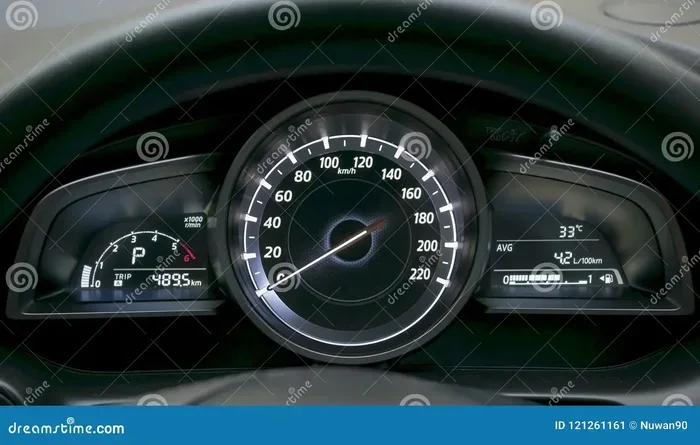
Digital odometers rely on sensors and a vehicle computer module to track vehicle mileage. The sensor counts wheel rotations and sends data to the onboard computer, which displays the number on an electronic screen. Digital systems are more accurate but can still experience software glitches, sensor failures, or display problems. If your digital odometer starts behaving strangely, it could signal a deeper issue with the car dashboard or the vehicle’s computer system.
The Role of the Trip Meter
Many cars also include a trip meter, which is a separate mileage tracker that you can reset manually. This is different from the main odometer. The trip meter helps you measure short distances, like fuel efficiency on a single tank or the length of a road trip. Confusing the trip meter with the main odometer is a common mistake that trips up many car owners.
Legitimate Reasons To Stop or Pause Odometer Tracking
There are several perfectly legal reasons you might want to stop your odometer from counting. Understanding these scenarios helps you figure out the right approach for your situation.
Long-Term Vehicle Storage
If you are storing a vehicle for an extended period, the mileage counter will continue to tick even when the car sits idle. This happens because the odometer tracks wheel rotations, and even minor movements or temperature changes can cause the system to register distance. For collectors or seasonal vehicle owners, this can be frustrating. While you cannot fully disconnect most modern odometers without affecting other systems, you can take steps to minimize false counts.
Malfunctioning Odometer
A broken odometer unit is one of the most common reasons people seek solutions. A malfunctioning sensor or damaged wiring can cause the mileage counter to jump erratically, freeze, or stop entirely. In these cases, the goal is usually to fix the problem, not to cheat the system. A mileage correction by a qualified professional can restore accuracy and prevent further dashboard issues.
Pre-Delivery or New Vehicle Situations
Sometimes a new vehicle arrives with miles already on the odometer from shipping or test drives. While you cannot remove those miles, understanding why they appear helps you set realistic expectations. If the mileage seems excessive for a new car, you should raise the issue with the dealership before finalizing the purchase.
What To Do When Your Odometer Malfunctions
A malfunctioning odometer can cause stress, especially if you are preparing for a vehicle inspection or planning to sell your car. Here is what you should do when the mileage display starts acting up.
Step 1: Check for Warning Lights
Start by looking at your dashboard. If the check engine light is on alongside an odometer issue, there may be a sensor or computer problem. You can learn more about handling a check engine light situation in our guide on how to make your check engine light go off for inspection. Addressing the root cause often fixes the odometer problem too.
Step 2: Inspect the Odometer Sensor
Most vehicles have a speed sensor that feeds data to the mileage counter. A damaged or dirty sensor can send incorrect signals, causing the odometer to count inaccurately. A mechanic can test the sensor with diagnostic equipment and replace it if needed. This is a relatively simple and affordable repair.
Step 3: Check the Wiring and Connections
Loose or corroded wiring can interrupt the signal between the sensor and the car dashboard. Inspect the connections behind the dashboard carefully. If you are not comfortable working with electrical components, leave this to a professional. A quick car maintenance check can save you from bigger problems down the road.
Step 4: Reset or Recalibrate the System
In some cases, a simple system reset can fix a frozen or jumping mileage counter. Disconnecting the car battery for a few minutes can reset the vehicle computer. However, this approach also resets other settings, so proceed with caution. Always consult your owner manual before attempting a battery disconnect.
Step 5: Seek Professional Help
If none of the above steps work, it is time to see a mechanic. A professional can diagnose the issue with specialized tools and recommend the right repair. Sometimes the entire odometer unit needs replacement. This is a more costly repair, but it ensures your vehicle mileage remains accurate and legal.
Legal Considerations and Warning Signs
It is important to understand the legal boundaries around odometer management. Laws exist to protect consumers and maintain fair transactions in the used car market.
Odometer Fraud Is Illegal
Odometer rollback, also known as odometer fraud, is a serious crime in most countries. Altering, disconnecting, or resetting an odometer to show lower mileage than the vehicle actually has is illegal. Penalties include heavy fines, imprisonment, and civil lawsuits. Never attempt to manipulate your mileage counter for deceptive purposes.
Warning Signs of Odometer Fraud
When buying a used car, watch for these red flags:
- Mileage that seems too low for the vehicle age.
- Worn interior parts like the steering wheel or pedals that do not match the displayed mileage.
- Inconsistent service records that show different mileage numbers.
- Replacement stickers on the dashboard that look newer than the vehicle.
If you suspect odometer fraud, you can run a vehicle history report or consult a trusted mechanic. Being informed protects you from buying a car with hidden problems.
When You Can Legally Adjust Mileage
In some cases, replacing a broken odometer unit with a new one requires you to report the change to your local motor vehicle agency. The new unit typically starts at zero or at the last known mileage. Always check your state or country regulations before making any mileage correction. Staying compliant keeps you out of legal trouble and maintains your vehicle’s resale value.
Expert Maintenance Tips To Keep Your Odometer Accurate
Prevention is always better than repair. Here are some expert tips to keep your odometer and mileage tracking system in great shape.
Keep Up With Regular Maintenance
Regular car maintenance goes a long way in preventing odometer issues. Change your oil on schedule, check your tire pressure, and keep your vehicle’s computer system updated. Where you get your oil changed matters too. Learn more in our article on does it matter where I get my oil changed. Consistent maintenance helps all your car systems, including the odometer, run smoothly.
Monitor Your Dashboard Warnings
Do not ignore warning lights or unusual displays on your car dashboard. A flickering mileage display or a speedometer that acts erratically can signal an underlying problem. Catching these issues early prevents costly repairs later. If you are unsure whether you can safely drive with a warning light on, check out our guide on driving with the check engine light on.
Track Your Fuel Efficiency
One way to verify your odometer accuracy is to track your fuel efficiency manually. Record how many miles you drive per gallon of fuel and compare it to the expected range for your vehicle. If your mileage counter shows higher numbers than your actual fuel economy suggests, the odometer may be overcounting. Conversely, lower-than-expected numbers could mean it is undercounting. This simple habit helps you catch mileage tracking errors early.
Protect Your Vehicle From Electrical Issues
Digital odometers depend on your vehicle’s electrical system. Protect your car from power surges, short circuits, and battery drain. Use a surge protector when jump-starting your vehicle, and replace your battery before it fully dies. A healthy electrical system keeps your digital odometer functioning correctly and prevents unexpected display failures.
Store Your Vehicle Properly
If you store your car for long periods, choose a cool, dry place and use a battery maintainer to keep the electrical system stable. This reduces the chance of false mileage counts caused by electrical fluctuations. Proper storage also protects your engine, tires, and other components from deterioration during idle periods.
Common Mistakes People Make With Their Odometer
Avoid these common pitfalls that can cause odometer problems or lead to costly mistakes.
- Ignoring a jumping mileage display. A small fluctuation might seem harmless, but it can signal a failing sensor or wiring issue that worsens over time.
- Attempting DIY odometer repairs. Unless you are a trained automotive electrician, opening up the odometer unit can cause more damage and void your warranty.
- Confusing the trip meter with the main odometer. Always double-check which counter you are reading before making decisions about maintenance or resale.
- Skipping regular dashboard checks. A quick glance at your gauges during every drive can catch problems early, saving you money and stress.
- Buying a used car without a history report. A vehicle history report reveals the true mileage history and helps you avoid odometer fraud.
When To See a Professional
Some odometer issues are beyond DIY fixes. If you notice any of the following signs, it is time to visit a trusted mechanic:
- The mileage display shows blank or erratic numbers.
- The odometer resets itself after you turn off the engine.
- Your check engine light stays on even after you address other issues.
- You notice a significant discrepancy between your actual fuel economy and the odometer reading.
- The vehicle fails a vehicle inspection due to an inaccurate mileage reading.
A certified mechanic has the tools and expertise to diagnose the root cause and perform the right repair. Trying to fix a complex odometer issue without proper training can lead to further damage and higher repair costs. Trust the professionals and keep your car odometer accurate.
Final Thoughts
Managing your odometer is about more than just watching numbers go up. It is about keeping your vehicle accurate, legal, and roadworthy. Whether you are dealing with a malfunctioning mileage counter, storing a vehicle for the long term, or simply want to understand how your car dashboard works, the steps in this guide will help you navigate the process with confidence.
Remember that tampering with an odometer for fraudulent purposes is illegal and carries serious consequences. Focus on legitimate solutions like sensor repairs, system resets, and professional maintenance. Keep your vehicle mileage honest, and your car will reward you with reliable performance for years to come. If you ever feel unsure, reach out to a trusted mechanic and let the experts handle the odometer repair. Your car deserves the best care, and so do you.
Frequently Asked Questions
Can I legally stop my odometer from counting?
You can stop your odometer from counting in certain situations, such as during long-term vehicle storage or when the unit malfunctions. However, you cannot legally alter, disconnect, or reset the mileage counter to show false numbers. Always follow local regulations and consult a professional if you are unsure about what is legal in your area.
Why is my odometer counting when my car is not moving?
This usually happens due to a faulty speed sensor, loose wiring, or a glitch in the vehicle computer system. Temperature changes and electrical fluctuations can also cause a digital odometer to register false mileage. A mechanic can diagnose the exact cause and recommend the right fix to stop the inaccurate counting.
How do I know if my odometer is malfunctioning?
Signs of a malfunctioning odometer include numbers that jump unexpectedly, a frozen display, or mileage that does not increase over long drives. You may also notice the check engine light turning on alongside the odometer issue. If you observe any of these symptoms, have a professional inspect your vehicle as soon as possible.
Can I reset my trip meter without affecting the main odometer?
Yes, the trip meter is a completely separate mileage tracker from the main odometer. You can reset the trip meter at any time without affecting the total vehicle mileage displayed on the main counter. This is a useful feature for tracking fuel efficiency or short trips independently.
What should I do if I suspect odometer fraud when buying a used car?
Run a comprehensive vehicle history report and have a trusted mechanic inspect the car. Look for signs like worn interior parts that do not match the displayed mileage, inconsistent service records, or replacement stickers on the dashboard. If fraud is suspected, report it to your local motor vehicle authority and avoid purchasing the vehicle.
How often should I have my odometer checked during routine maintenance?
You do not need a separate odometer check during every service, but it is a good idea to verify the mileage display accuracy at least once a year or during major maintenance services. This helps catch small issues before they become big problems and ensures your mileage tracking remains reliable for resale and inspection purposes.
=== CONCLUSION ===
Your odometer plays a vital role in tracking your vehicle mileage and keeping your car maintenance on schedule. Whether you need to address a malfunction, understand how the system works, or simply want to prevent issues during long-term storage, this guide has you covered. The key is to approach odometer management with honesty, care, and a commitment to legal compliance. Keep your mileage counter accurate, stay on top of dashboard warnings, and trust professional mechanics when the situation calls for it. Your car will thank you with reliable performance and a truthful mileage record that holds its value over time.