How Much Does It Cost to Lease a Full-Size Truck Now
The cost to lease a full-size truck typically ranges from $400 to $900 per month, depending on the model, lease term, and your credit score. Full-size truck lease payments are influenced by factors like down payment, mileage limits, and manufacturer incentives. This guide covers everything you need to know about truck leasing rates and how to secure the best deal.
Leasing a full-size truck has become one of the most popular ways to drive a powerful pickup without breaking the bank. Whether you need a workhorse for your business or want a capable vehicle for weekend adventures, leasing a full-size truck offers flexibility and lower monthly costs compared to buying. But exactly how much does it cost to lease a full-size truck? The answer depends on several factors, and this guide breaks them all down for you.
If you have been searching for truck lease cost information, you are in the right place. We will walk you through average payments, the factors that drive those numbers, and practical tips to help you save money. By the end of this article, you will have a clear picture of what to expect and how to get the best full-size truck lease deal possible.
Key Takeaways
- Average monthly lease payments for full-size trucks range from $400 to $900 depending on the model and term.
- Your credit score plays a major role in determining your lease rate and approval chances.
- Down payments can lower monthly payments but are not always required for truck leases.
- Mileage limits typically run between 10,000 and 15,000 miles per year, with overage fees applying beyond that.
- Lease vs buy comparisons show leasing offers lower monthly costs but no ownership at the end.
- Manufacturer incentives and seasonal promotions can significantly reduce truck lease costs.
- Reading the fine print on lease terms helps avoid hidden fees and surprises at lease end.
📑 Table of Contents
- What Is the Average Cost to Lease a Full-Size Truck
- Factors That Affect Truck Lease Prices
- Monthly Lease Payments Breakdown
- Lease vs Buy: Which Is Better for a Full-Size Truck
- Tips to Lower Your Truck Lease Cost
- What to Look for in a Full-Size Truck Lease Deal
- Common Mistakes People Make When Leasing a Truck
- Final Thoughts on Leasing a Full-Size Truck
What Is the Average Cost to Lease a Full-Size Truck
The average full-size truck lease payment falls between $400 and $900 per month. This range covers popular models like the Ford F-150, Chevrolet Silverado, and Ram 1500. The exact number you pay depends on the specific trim level, lease length, and the amount of money you put down at signing.
Here is a quick look at what you might expect from popular full-size trucks on the market today:
- Ford F-150: $450 to $750 per month on a 36-month lease.
- Chevrolet Silverado 1500: $475 to $800 per month depending on the trim.
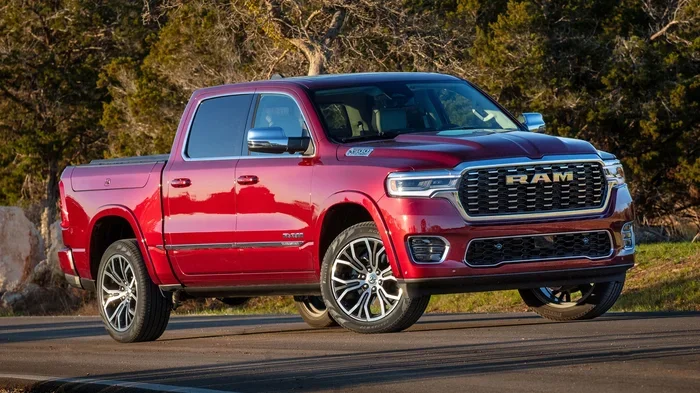
- Ram 1500: $425 to $700 per month for standard lease terms.
- Toyota Tundra: $500 to $850 per month, often with fewer promotional offers.
- GMC Sierra 1500: $450 to $775 per month, similar to the Silverado.
These numbers reflect standard lease deals available at most dealerships. Truck lease special offers from manufacturers can push those payments even lower during promotional periods. Always check with your local dealer for the latest deals, because prices change frequently throughout the year.
Why Do Lease Payments Vary So Much
Not every lease deal looks the same. Several key factors create that wide range in monthly payments. Understanding these variables helps you make a smarter decision when you sit down with a dealer.
First, the residual value of the truck matters a lot. Residual value is what the truck is expected to be worth at the end of your lease. A truck with a high residual value means lower monthly payments because you are only paying for the depreciation during the lease term. Second, the money factor (essentially the lease interest rate) directly impacts your payment. A lower money factor equals less interest over the life of the lease. Third, the length of the lease term plays a role. Most full-size truck leases run for 24 to 48 months, with 36 months being the most common.
Factors That Affect Truck Lease Prices
Many elements go into determining your final truck leasing rate. Let us explore the most important ones so you know what to expect before you sign on the dotted line.
Your Credit Score
Your credit score is one of the biggest factors in your lease payment. Dealers use your credit score to determine your lease money factor, which works much like an interest rate on a loan. People with excellent credit (720 and above) typically qualify for the lowest rates. Those with fair credit (620 to 719) may pay a bit more. If your score is below 620, you may still get approved, but expect higher payments or a larger down payment requirement.
Tip: Before you visit a dealership, pull your credit report for free and check for errors. Fixing any mistakes can improve your score and save you hundreds of dollars over the lease term.
Down Payment and Capital Cost Reduction
A truck lease down payment reduces the capitalized cost of the vehicle, which lowers your monthly payment. However, putting money down is not always necessary. Many zero-down truck lease deals exist, especially during promotional periods. The trade-off is that a higher monthly payment without a down payment means you pay more interest over time.
Here is a simple comparison:
- With $2,000 down: Monthly payment might be $50 to $100 lower.
- Zero down: Higher monthly payment but less money out of pocket upfront.
- With $5,000 down: Monthly payment drops significantly, but you tie up more cash at signing.
Mileage Limits and Overage Fees
Every truck lease comes with a mileage cap. Most standard leases allow between 10,000 and 15,000 miles per year. If you drive more than the allowed mileage, you will pay an overage fee, typically ranging from $0.15 to $0.30 per extra mile. For people who use their truck for work or long commutes, choosing a higher mileage allowance upfront can save significant money at lease end.
Monthly Lease Payments Breakdown
Understanding what makes up your monthly truck lease payment helps you negotiate better deals. Each payment has several components:
- Depreciation fee: This is the largest part of your payment. It covers the difference between the truck’s price when you lease it and its expected value at the end of the lease.
- Finance fee (money factor): This is the interest portion of your lease. It is calculated using the money factor multiplied by the sum of the capitalized cost and the residual value.
- Taxes and fees: Sales tax applies to each monthly payment in most states. There may also be acquisition fees and documentation charges.
A typical breakdown for a $55,000 full-size truck lease with a $3,000 down payment over 36 months might look like this:
- Depreciation: Approximately $350 per month
- Finance charge: Approximately $75 to $100 per month
- Taxes and fees: Approximately $50 to $75 per month
- Total monthly payment: Roughly $475 to $550
These numbers are estimates. Your actual payment will vary based on the specific truck, your credit score, and the dealer’s terms. Always ask the dealer for a detailed lease worksheet before you sign anything.
How the 5.7L V8 Engine Affects Lease Costs
Full-size trucks often come with powerful V8 engines, and the 5.7L V8 is a popular choice among truck buyers. The engine option you select directly impacts the truck’s starting price, which in turn affects your lease payment. A truck equipped with a 5.7L V8 will typically cost more to lease than the same model with a smaller V6 engine. If you do not need the extra power for towing or hauling, choosing a smaller engine can lower your monthly truck lease payment by $50 to $150.
Lease vs Buy: Which Is Better for a Full-Size Truck
One of the most common questions people ask is whether they should lease or buy a full-size truck. Both options have clear advantages, and the right choice depends on your lifestyle and financial goals.
Benefits of Leasing a Truck
- Lower monthly payments: Lease payments are typically 30% to 40% lower than loan payments for the same truck.
- Always driving a new truck: You can upgrade to the latest model every few years with the newest features and safety technology.
- Lower repair costs: Most leases end before the warranty expires, so you rarely pay for major repairs.
- No hassle selling: When the lease ends, you simply return the truck. No need to find a buyer or negotiate a trade-in value.
Benefits of Buying a Truck
- Ownership: After you pay off the loan, the truck is yours. You can keep it as long as you want.
- No mileage restrictions: Drive as many miles as you need without worrying about overage fees.
- Customization freedom: You can modify, upgrade, or personalize your truck however you want.
- Long-term value: While trucks depreciate, owning means you can sell or trade it in when you choose.
For many people who love driving a new truck every few years and want predictable monthly costs, leasing makes a lot of sense. If you plan to keep a truck for many years and drive high mileage, buying is usually the better financial move.
Is It Worth Keeping a Truck After 100K Miles
If you are on the fence between leasing and buying, consider this: keeping a truck past 100,000 miles can be worthwhile if you maintain it well. Leasing avoids this decision entirely because you return the truck at the end of the lease. Leasing removes the long-term ownership risk and lets you enjoy a reliable truck without worrying about major depreciation after the 100K mark.
Tips to Lower Your Truck Lease Cost
Want to get the best possible truck lease deal? These practical tips can help you save money every month.
1. Shop Around at Multiple Dealers
Do not just visit one dealership. Call several dealers in your area and ask for their best lease offers. Competition between dealers often leads to better pricing. You can also check online lease calculators to estimate what a fair payment should be before you walk into a showroom.
2. Look for Manufacturer Incentives
Truck manufacturers regularly offer lease incentives like low money factors, subsidized leases, or cash-back offers. These promotions can significantly reduce your monthly payment. Check the manufacturer’s website or ask your dealer about current full-size truck lease specials. End-of-quarter and end-of-year sales events often bring the best deals.
3. Negotiate the Capitalized Cost
Many people forget that the truck’s price is negotiable even on a lease. The capitalized cost is the starting point for your lease calculation. Just like buying, you should negotiate the price of the truck down before the lease terms are finalized. A lower capitalized cost directly reduces your monthly payment.
4. Choose a Higher Mileage Allowance If Needed
If you drive more than 10,000 miles per year, buy the extra mileage upfront rather than paying overage fees at the end. Pre-purchased mileage packages are usually cheaper than the per-mile overage rate. This simple step can save you hundreds of dollars over the lease term.
5. Keep the Truck in Good Condition
At lease end, the truck will be inspected for excess wear and damage. Taking care of the truck during your lease avoids costly end-of-lease charges. Regular oil changes, tire rotations, and prompt repairs go a long way in keeping your costs low.
What to Look for in a Full-Size Truck Lease Deal
Not all truck lease deals are created equal. When comparing offers, pay attention to these critical details:
- Monthly payment: Make sure you are comparing the same lease terms and down payments across offers.
- Lease term: 24, 36, and 48-month leases all have different payment structures. Longer terms mean lower payments but more total interest paid.
- Mileage allowance: Choose a mileage cap that matches your actual driving habits.
- Acquisition fee: This is a one-time fee charged by the leasing company, typically ranging from $500 to $1,000.
- Disposition fee: This is a fee charged at lease end for returning the vehicle, usually around $300 to $400.
- Gap insurance: Make sure the lease includes gap coverage, which pays the difference between what you owe and what the truck is worth if it is totaled.
Reading the full lease contract carefully before signing is essential. If anything is unclear, ask the dealer to explain it in plain language. You should never feel pressured to sign a lease you do not fully understand.
How Much Does a Car Salesman Make on a 30K Truck
When negotiating your lease, it helps to understand how dealers are compensated. A car salesman typically earns commission based on the vehicle’s price. On a truck with a sticker price around $30,000, the salesperson might make between $200 and $500 on the sale. This knowledge gives you leverage in negotiations because it shows that the dealer has room to offer discounts while still making a fair profit. Focusing on the out-the-door price rather than the monthly payment alone helps you get a better overall deal.
Truck Towing and Hauling Considerations
If you plan to use your full-size truck for towing, the engine and drivetrain you choose matter for both performance and lease cost. A 3.6L V6 can tow a respectable amount, but heavier towing needs may require a larger engine. Keep in mind that higher towing-capability packages add to the truck’s price, which increases your lease payment. Plan your towing needs carefully so you do not pay for capabilities you will not use.
Common Mistakes People Make When Leasing a Truck
Avoiding these common pitfalls can save you money and headaches throughout your lease:
- Focusing only on the monthly payment: A low monthly payment means nothing if the lease terms are unfavorable or the truck does not meet your needs.
- Ignoring the money factor: The money factor is the lease equivalent of an interest rate. Always ask the dealer for the money factor and compare it to current loan rates.
- Underestimating mileage needs: Going over your mileage cap is one of the most expensive lease mistakes. Be honest about how much you drive.
- Skipping the lease-end inspection: Before returning the truck, get a pre-inspection to identify any charges you can address before they become surprises.
- Not reading the contract: Every lease agreement is different. Read the entire document and ask questions about anything you do not understand.
Final Thoughts on Leasing a Full-Size Truck
Leasing a full-size truck offers an excellent way to drive a powerful, capable vehicle without the long-term commitment of ownership. With monthly payments typically ranging from $400 to $900, leasing provides affordability and flexibility that appeals to a wide range of buyers. The key is understanding what drives those payments and taking the time to compare offers from multiple dealers.
Your credit score, choice of truck model, down payment amount, and lease term all shape your final payment. By negotiating the capitalized cost, taking advantage of manufacturer incentives, and choosing the right mileage allowance, you can secure a truck lease deal that fits your budget and lifestyle perfectly.
Whether you are leasing for business purposes or personal use, the information in this guide gives you the confidence to make a smart decision. Take your time, do your research, and always read the fine print. A well-negotiated full-size truck lease can deliver years of reliable, affordable driving pleasure.
Frequently Asked Questions
What is the cheapest full-size truck to lease?
The cheapest full-size truck to lease varies by promotion and region, but the Ram 1500 and Ford F-150 often have the lowest lease payments due to frequent manufacturer incentives. Base trim levels also cost less to lease than higher-end trims with additional features.
Do you need a down payment to lease a full-size truck?
No, a down payment is not always required. Many dealers offer zero-down truck lease deals, especially during promotional periods. However, putting some money down can lower your monthly payment and reduce the total interest you pay over the lease term.
Can I lease a full-size truck with bad credit?
It is possible but more challenging. People with lower credit scores may face higher lease rates or need a larger down payment. Some dealers specialize in bad credit auto leasing and can work with you to find an acceptable deal. Checking your credit and improving it before applying can lead to much better terms.
What happens if I exceed my truck lease mileage limit?
You will be charged an overage fee for every mile beyond your lease allowance. These fees typically range from $0.15 to $0.30 per mile. At lease end, the dealer will calculate the total excess mileage and add it to your final bill. Choosing a higher mileage cap upfront is usually cheaper than paying overage fees later.
Is leasing a truck worth it compared to buying?
Leasing is worth it if you prefer lower monthly payments, driving a new truck every few years, and avoiding long-term ownership responsibilities. Buying makes more sense if you plan to keep the truck for many years, drive high mileage, or want full customization freedom. Your personal driving habits and financial goals should guide your decision.
How long is a typical full-size truck lease term?
The most common truck lease term is 36 months, though 24-month and 48-month leases are also available. Shorter terms mean higher monthly payments but less total interest paid. Longer terms spread the cost out but may include more fees. Choose a term that matches your budget and how long you want to drive the same truck.