How Much Freon Does a 2017 Nissan Altima Take for AC
The 2017 Nissan Altima takes approximately 2.5 to 3.5 pounds of R-134a Freon for a full AC recharge. Knowing the exact amount helps you avoid overfilling or underfilling your system. This guide covers everything from symptoms of low refrigerant to DIY refill steps and professional service costs.
Keeping your 2017 Nissan Altima cool during those hot summer months depends on one critical component: the AC refrigerant, commonly known as Freon. If you have noticed that your air conditioning is not blowing as cold as it used to, you might be wondering about your Freon levels. Understanding how much Freon your Altima takes is the first step toward fixing the problem and keeping your cabin comfortable.
This guide breaks down everything you need to know. We will cover the exact amount of refrigerant your system holds, the symptoms of low Freon, how to check your levels, and what it costs to get a recharge. Whether you are a DIY enthusiast or prefer visiting a mechanic, this article has you covered.
## Understanding the AC System in the 2017 Nissan Altima
The air conditioning system in your 2017 Nissan Altima is a sealed unit. It does not consume Freon like a car consumes fuel. In a properly functioning system, the same refrigerant circulates over and over again. So if your levels are low, something is wrong.
### How the AC System Works
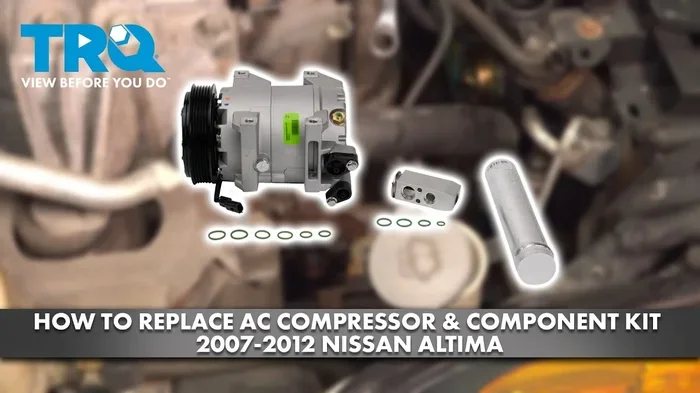
Your Altima’s AC system has several key parts. The compressor pressurizes the refrigerant gas. The condenser turns that gas into a liquid. The expansion valve regulates the flow. And the evaporator absorbs heat from your cabin air. All of these parts work together to keep you cool.
When any part of this system develops a leak, Freon escapes. Since the system is designed to hold a specific charge, even a small loss can reduce cooling performance significantly.
### Why Freon Levels Drop
Freon does not just disappear on its own. A drop in refrigerant almost always means there is a leak somewhere. Common leak points include:
- AC hose connections
- The compressor shaft seal
- The condenser unit
- The evaporator core
- The Schrader valve cores
If you notice your Freon is low again shortly after a recharge, you likely have a leak that needs professional attention. Ignoring a leak will only make the problem worse and could damage your AC compressor.
## How Much Freon Does the 2017 Nissan Altima Hold
The 2017 Nissan Altima uses R-134a refrigerant. This is the standard type used in most vehicles built before the transition to R-1234yf. The system capacity for the Altima is approximately 2.5 to 3.5 pounds of refrigerant, depending on the trim level and whether the system has been fully evacuated and recharged.
### Exact Capacity by System Type
Most 2017 Altima models with the standard AC system take about 2.6 pounds of R-134a. However, if your vehicle has a dual-zone automatic climate control system, the capacity might be slightly higher. Always refer to your owner’s manual or the label under the hood for the exact specification.
Here is a quick breakdown:
- Standard AC System: 2.5 to 2.8 pounds of R-134a
- Dual-Zone Climate Control: 2.8 to 3.5 pounds of R-134a
- After Full Evacuation: Always use the exact spec from the service manual
### The Importance of Not Overfilling
Adding too much Freon is just as bad as having too little. An overcharged system can cause the compressor to work harder, leading to premature wear. It can also cause the AC to blow warm air instead of cold. Always use a refrigerant gauge set to check pressures before and after adding Freon.
## Signs Your 2017 Altima Needs a Freon Recharge
Knowing the warning signs of low refrigerant can save you from discomfort and expensive repairs. The earlier you catch the problem, the simpler and cheaper the fix tends to be.
### Warm Air From the Vents
This is the most obvious sign. If your AC starts blowing warm or lukewarm air, the refrigerant level may be too low to absorb enough heat from the cabin. However, warm air can also result from other issues, so do not jump to conclusions just yet.
### Weak or No Airflow
Sometimes low Freon causes the compressor to cycle off prematurely. When this happens, you might notice that the airflow is weak or stops altogether, even though the fan is still running.
### Clicking Sounds From the Engine Bay
A clicking noise near the compressor area often means the AC clutch is engaging and disengaging rapidly. This typically happens when the refrigerant pressure drops below a safe threshold. The system protects itself by shutting the compressor off.
### Visible Oil Leaks
Freon and compressor oil travel together through the system. If you see oily residue around AC connections or hoses, you likely have a leak that is draining both refrigerant and oil.
### Frost on the AC Lines
Low refrigerant causes the evaporator to freeze up. If you see frost or ice forming on the AC lines under the hood, your system is probably low on charge.
## How to Check and Recharge Freon Yourself
If you are handy and want to save on labor costs, you can recharge your Altima’s AC at home. A DIY recharge kit typically costs between $20 and $50 at most auto parts stores.
### What You Will Need
Before you start, gather these supplies:
- R-134a refrigerant can with a built-in gauge
- AC recharge hose (if not included in the kit)
- Safety glasses and gloves
- Thermometer to measure vent temperature
- Your 2017 Altima owner’s manual
### Step-by-Step Recharge Process
Step 1: Start the engine and turn the AC to maximum cold. Set the fan to high. Let the engine idle for a few minutes.
Step 2: Locate the low-pressure service port. It is usually on the larger of the two AC lines near the firewall. The cap will typically be blue or black.
Step 3: Remove the cap from the low-pressure port. Connect the recharge hose securely.
Step 4: Check the current pressure on the gauge. Compare it to the recommended range, which is usually between 25 and 45 psi at ambient temperatures around 75°F.
Step 5: Slowly add Freon by tilting the can upright. Monitor the gauge closely. Stop when the pressure reaches the recommended level.
Step 6: Disconnect the hose, replace the cap, and test the AC. You should feel noticeably colder air within a few minutes.
### Quick Tips for a Successful DIY Recharge
- Never add Freon to a hot system. Let the car idle for at least 10 minutes before checking pressures.
- Do not overfill. More is not better with refrigerant.
- If the pressure is extremely low or reads zero, you likely have a major leak that needs professional repair.
- Always wear safety gear. Refrigerant can cause frostbite on contact with skin.
## Professional Service: What to Expect and How Much It Costs
While a DIY recharge works for minor top-offs, there are times when professional service is the better choice. A certified technician has the tools and expertise to diagnose the root cause of your low refrigerant problem.
### The Professional Recharge Process
A mechanic will first connect a AC pressure gauge set to both the high and low sides of the system. They will measure the pressures and determine if the system needs a recharge or if there is a deeper issue. If a recharge is needed, they will:
- Evacuate the remaining refrigerant using a recovery machine
- Check for leaks using UV dye or an electronic leak detector
- Repair any leaks found
- Evacuate the system to remove moisture and air
- Recharge with the exact factory-specified amount of refrigerant
- Test the system to confirm proper operation
### Average Cost of a Professional AC Recharge
The cost to recharge your 2017 Nissan Altima’s AC varies by location and shop. On average, you can expect to pay between $150 and $300. This includes both the refrigerant and the labor. If a leak is found and needs repair, the cost will be higher.
Labor rates also vary. According to data on what mechanics charge per hour, labor costs for AC work typically range from $80 to $150 per hour. Most recharges take one to two hours, so the labor portion alone can add $80 to $300 to the bill.
### When to Choose Professional Over DIY
You should definitely go to a professional if:
- The system reads zero pressure, indicating a major leak
- You have already recharged multiple times and the problem keeps coming back
- You hear unusual noises from the AC compressor
- You are uncomfortable working with refrigerant and pressurized systems
A professional service also ensures that your AC system is properly evacuated and filled. This is important because moisture or air trapped in the system can cause corrosion and reduce cooling efficiency over time.
## Preventing Future Freon Loss in Your Altima
Once your 2017 Altima’s AC is fully recharged, you want to keep it that way. Preventive maintenance goes a long way toward avoiding repeat refrigerant loss.
### Regular Inspections
Have your AC system inspected at least once a year, ideally before summer. A quick visual check of the hoses, connections, and compressor area can catch small leaks before they become big problems. Many shops include an AC check as part of a seasonal maintenance package or when you book a tune-up service.
### Keep the System Running
Even in winter, run your AC for a few minutes once a week. This keeps the compressor seals lubricated and prevents them from drying out and cracking. Dried-out seals are one of the most common causes of slow Freon leaks.
### Address Small Leaks Early
If you notice your AC performance dropping, do not wait. A small leak that goes unaddressed can allow moisture into the system, which creates acid that damages internal components. Early intervention keeps repair costs low.
### Park Smart
Where you park matters. Direct sunlight and extreme heat put extra stress on your AC system. Parking in the shade or using a sunshade helps reduce the thermal load on the system and extends the life of your components.
## Common Mistakes People Make With AC Recharge
Even well-meaning car owners make mistakes when dealing with AC refrigerant. Here are some of the most common ones to avoid.
### Adding Freon Without Finding the Leak First
This is the number one mistake. Topping off the refrigerant without fixing the leak is like putting a bandage on a wound that needs stitches. The Freon will leak out again, and you will be right back where you started. Worse, running low on refrigerant can damage the compressor.
### Using the Wrong Type of Refrigerant
The 2017 Nissan Altima takes R-134a. Do not use R-12 or any other type. Mixing refrigerants can cause chemical reactions that destroy your system. Always check the label on your AC service port or your owner’s manual to confirm the type.
### Overfilling the System
More Freon does not mean more cold air. Overfilling causes high head pressure, which reduces cooling efficiency and can damage the compressor. Always use a gauge and follow the manufacturer’s specifications.
### Ignoring the Compressor Clutch
If the compressor clutch is not engaging, adding Freon will not help. The problem could be an electrical issue, a faulty clutch, or a blown fuse. Diagnose the root cause before adding any refrigerant.
### Skipping the Evacuation Step
When you have the system opened for any repair, air and moisture get in. If you do not properly evacuate the system before recharging, you risk corrosion and poor performance. Always have a professional evacuate the system after any service that opens it.
## Expert Insights: How to Maximize Your Altima’s AC Performance
Beyond just maintaining proper Freon levels, there are several things you can do to get the most out of your Altima’s air conditioning system.
### Replace Your Cabin Air Filter
A clogged cabin air filter restricts airflow and makes your AC feel weak even when the refrigerant levels are correct. Most manufacturers recommend replacing this filter every 15,000 to 20,000 miles. It is a cheap and easy fix that makes a noticeable difference.
### Clean the Condenser
The condenser sits in front of the radiator and can accumulate dirt, bugs, and debris over time. When the condenser is clogged, it cannot dissipate heat efficiently, which reduces cooling performance. A gentle spray with a hose can work wonders.
### Check the Drive Belt
The AC compressor is driven by a belt. If the belt is worn or loose, the compressor may not engage properly or may spin at a reduced speed. Inspect the belt during regular maintenance and replace it if you see cracks or glazing.
### Use Recirculate Mode
When cooling the cabin, use the recirculate setting. It pulls air from inside the car rather than pulling in hot outside air. This makes the AC work less hard and cools the cabin faster.
## Frequently Asked Questions
Can I drive my 2017 Nissan Altima with low Freon?
Yes, you can drive with low Freon, but it is not ideal. Low refrigerant causes the compressor to work harder, which can lead to premature compressor failure. It also means your AC will not cool properly, which can be uncomfortable and even unsafe on very hot days.
How long does a Freon recharge last in a 2017 Altima?
If there are no leaks, the Freon in your AC system should last the lifetime of the vehicle. The system is sealed, so the refrigerant continuously cycles. However, if you have a small leak, you may need to recharge every one to two years depending on the severity of the leak.
Is it legal to recharge AC refrigerant myself?
In the United States, it is legal for homeowners to purchase and use R-134a refrigerant for their personal vehicles. However, the EPA regulates the release of refrigerants into the atmosphere, so you must use a proper recovery and recharge kit and avoid venting any refrigerant.
What is the difference between R-134a and R-1234yf?
R-134a is the older refrigerant used in most vehicles before 2021. R-1234yf is the newer, more environmentally friendly refrigerant. The 2017 Nissan Altima uses R-134a and is not compatible with R-1234yf without system modifications.
How can I tell if my Altima has a refrigerant leak?
Common signs include warm air from the vents, frequent need for recharges, oily residue around AC fittings, and hissing sounds near the AC components. A mechanic can perform a UV dye test or electronic leak check to pinpoint the exact location of the leak.
Does running the AC affect fuel economy in my 2017 Altima?
Yes, running the AC does use extra fuel because the compressor puts a load on the engine. However, at highway speeds, using the AC is often more fuel-efficient than rolling down the windows, which increases aerodynamic drag. For more on this topic, check out how to tell if your car is good on gas.
## Final Thoughts
Knowing how much Freon a 2017 Nissan Altima takes is essential for maintaining a comfortable and efficient cooling system. The standard capacity is around 2.5 to 3.5 pounds of R-134a refrigerant, and staying within that range ensures optimal performance. Whether you choose to handle a recharge yourself or visit a professional, the key is to address low refrigerant promptly and find any leaks that caused the loss.
Regular maintenance, smart parking habits, and early attention to warning signs will keep your Altima’s AC blowing cold for years to come. Do not let a small refrigerant issue turn into a costly compressor replacement. Stay on top of your AC system health, and your Altima will keep you cool no matter how high the temperature climbs.
If you have found this guide helpful, consider sharing it with fellow Altima owners or checking out related articles on car maintenance and care. A little knowledge goes a long way toward keeping your vehicle running at its best.
Key Takeaways
- Standard Freon Amount: The 2017 Nissan Altima AC system holds about 2.5 to 3.5 pounds of R-134a refrigerant.
- Low Freon Symptoms: Warm air, weak airflow, and clicking sounds from the AC compressor are clear signs.
- DIY vs. Professional: You can recharge at home with a kit, but a professional ensures no leaks and proper fill levels.
- Cost Range: A professional Freon recharge typically costs between $150 and $300.
- Preventive Maintenance: Regular tune-ups help keep your AC system running efficiently.
- Environmental Note: Always handle Freon responsibly and avoid releasing it into the atmosphere.
Frequently Asked Questions
What is How Much Freon Does a 2017 Nissan Altima Take??
How Much Freon Does a 2017 Nissan Altima Take? is an important topic with many practical applications.