Common Problems With a 2005 Toyota Tundra You Should Know
The 2005 Toyota Tundra is a dependable full-size pickup, but it has its share of known issues. From engine overheating and transmission wear to rust and brake problems, being aware of these troubles can save you time and money. This guide breaks down every major problem area with practical fixes and honest advice.
Key Takeaways
- Engine Overheating: The 2005 Tundra is prone to cooling system failures that can cause serious engine damage if ignored.
- Transmission Issues: Owners report rough shifting and premature wear, especially in higher-mileage trucks.
- Rust and Corrosion: The 2005 model year is particularly vulnerable to rust on the frame and body panels.
- Brake Wear: Front brakes tend to wear out faster than expected, requiring frequent replacements.
- Electrical Gremlins: Wiring harness problems and sensor failures are common in older Tundras.
- Is It Worth Keeping? A well-maintained 2005 Tundra can still be a solid truck, but factor in repair costs before buying.
📑 Table of Contents
- Common Problems With a 2005 Toyota Tundra You Should Know
- Engine Overheating and Cooling System Failures
- Transmission Problems and Rough Shifting
- Rust and Corrosion Issues
- Brake System Wear and Problems
- Electrical Problems and Wiring Issues
- Is a 2005 Toyota Tundra Still Worth Owning?
- Common Mistakes Owners Make With Their 2005 Tundra
- Expert Insights on the 2005 Toyota Tundra
- Final Thoughts
Common Problems With a 2005 Toyota Tundra You Should Know
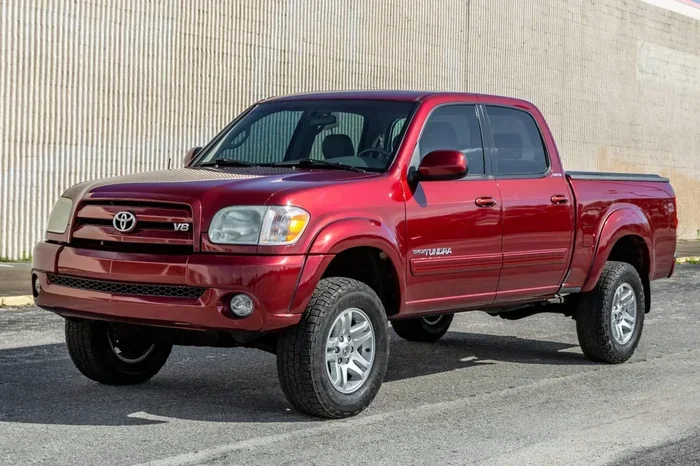
The 2005 Toyota Tundra was a big step forward for Toyota in the full-size truck market. It offered strong towing capacity, a comfortable ride, and that legendary Toyota reliability. But like any vehicle, the 2005 Tundra has its weaknesses. Whether you already own one or are thinking about buying one, knowing the common problems with a 2005 Toyota Tundra can help you avoid costly surprises.
Trucks are workhorses. They take a beating. And after 15-plus years on the road, wear and tear adds up fast. The 2005 Tundra is no exception. In this article, we will walk you through every major problem area. We will explain what goes wrong, why it happens, and what you can do about it. Think of this as your honest, no-nonsense owner’s guide.
We will cover engine troubles, transmission concerns, rust issues, brake problems, and electrical gremlins. By the end, you will have a clear picture of what to expect from this truck. Let us dive in.
Engine Overheating and Cooling System Failures
The first issue on our list is one of the most serious. Engine overheating is a common complaint among 2005 Tundra owners. The cooling system in this truck is not bulletproof, and when it fails, the consequences can be expensive.
Why Does the 2005 Tundra Overheat?
Several factors contribute to overheating in the 2005 Tundra. The water pump is a frequent culprit. Over time, the pump seal wears out and coolant leaks. This reduces the amount of fluid circulating through the engine. Without enough coolant, temperatures rise quickly.
The thermostat is another weak point. A stuck thermostat prevents coolant from flowing properly. This is a simple and cheap fix, but many owners do not notice the problem until it is too late.
The radiator can also develop leaks or become clogged with debris. When the radiator cannot dissipate heat effectively, the engine runs hot. In summer months or when towing, this problem becomes even more pronounced.
Signs Your Tundra Is Overheating
- The temperature gauge climbs into the red zone.
- Steam or smoke rises from the hood.
- You notice a sweet smell from coolant leaking onto hot engine parts.
- The heater stops working properly.
- You see coolant puddles under the truck.
If you notice any of these signs, pull over safely and let the engine cool. Driving while overheated can cause blown head gaskets or even warp the engine block. These repairs are extremely expensive. Regularly check your coolant levels and inspect hoses for cracks. A routine tune-up can catch cooling system issues early.
Transmission Problems and Rough Shifting
The 2005 Toyota Tundra came with a 4-speed automatic transmission. While Toyota built this transmission to be durable, it does have known issues, especially as the truck ages. Transmission problems are among the most expensive repairs on any vehicle.
Symptoms of Transmission Trouble
Watch for these warning signs:
- Rough or jerky shifts between gears.
- Delayed engagement when moving from park to drive.
- Slipping gears under heavy load or towing.
- Unusual whining or grinding noises.
- Transmission fluid that looks dark or smells burnt.
What Causes These Issues?
The transmission solenoids control fluid flow and shift timing. Over time, they can wear out or get clogged with debris. This leads to erratic shifting behavior. The transmission filter can also become blocked, restricting fluid flow.
Another common issue is low or degraded transmission fluid. Toyota recommends changing this fluid every 30,000 to 60,000 miles. Many owners skip this service, which accelerates wear on internal components. If you own a high-mileage 2005 Tundra, check the fluid regularly. Fresh fluid can extend the life of your transmission significantly.
For trucks with serious transmission damage, a rebuild or replacement may be necessary. This is a costly repair, so staying on top of maintenance is your best defense.
Rust and Corrosion Issues
Rust is the enemy of every truck, and the 2005 Toyota Tundra is no stranger to it. Toyota did improve rust protection compared to earlier models, but the 2005 year still shows vulnerabilities in certain areas.
Where Rust Typically Appears
Rust on the 2005 Tundra tends to show up in these spots:
- Frame rails — especially near the rear axle.
- Wheel wells — where road salt and moisture collect.
- Door sills — where the paint often chips from daily use.
- Bed corners — exposed to moisture and debris.
- Exhaust system — the pipes and muffler can corrode quickly.
How to Prevent Rust
Prevention is much easier than repair. Here are some practical steps:
- Wash your truck regularly, especially in winter when road salt is used.
- Apply a rust-proofing coating or undercoating every few years.
- Fix any paint chips or scratches immediately.
- Keep the bed dry and clean. Standing water accelerates corrosion.
- Inspect the undercarriage at least twice a year.
If you are buying a used 2005 Tundra, inspect for rust carefully. Surface rust can be treated, but frame rust is a serious structural concern. A truck with a rusted frame may not be safe to drive, regardless of how well it runs.
Brake System Wear and Problems
The 2005 Tundra is a heavy truck. All that weight takes a toll on the brakes. Brake wear is one of the most frequent maintenance items on this vehicle, and many owners report that the front brakes wear out faster than expected.
Common Brake Issues
- Warped rotors: The heavy weight and frequent towing can cause the front rotors to warp. This creates a vibrating feeling when you brake.
- Worn brake pads: Expect to replace pads more often if you tow or haul heavy loads.
- Brake fluid leaks: The caliper seals can deteriorate over time, leading to fluid leaks.
- Sticking calipers: A stuck caliper causes uneven pad wear and reduces braking performance.
To keep your brakes in good shape, have them inspected every 10,000 to 15,000 miles. Replace pads and rotors as a set. Do not ignore grinding noises or a soft brake pedal. These are clear signs that your brakes need immediate attention. Also, check the brake fluid level regularly and flush it every two years to prevent moisture buildup.
Electrical Problems and Wiring Issues
Older trucks are notorious for electrical gremlins, and the 2005 Tundra is no different. Over time, wiring harnesses can deteriorate, connectors can corrode, and sensors can fail. These issues range from minor annoyances to genuine safety concerns.
Common Electrical Complaints
- Check engine light: The check engine light on a 2005 Tundra often comes on due to faulty oxygen sensors, mass airflow sensor issues, or vacuum leaks. A diagnostic scan can pinpoint the exact cause.
- Power window failures: The window regulators wear out over time, especially on the driver side.
- Key fob and locking issues: Some owners report intermittent problems with the keyless entry system.
- Gauge malfunctions: The speedometer or tachometer may behave erratically due to a failing vehicle speed sensor.
Most electrical problems start small and get worse over time. A check engine light should never be ignored. Even if the truck seems to run fine, the underlying issue could be causing reduced fuel economy or increased emissions. A simple diagnostic scan at a parts store can often reveal the problem for free.
Is a 2005 Toyota Tundra Still Worth Owning?
This is the question every potential buyer asks. The honest answer depends on several factors. A well-maintained 2005 Tundra can still be a reliable workhorse. But a neglected one can become a money pit fast.
If you are considering buying a used 2005 Tundra, here is what you should know. First, get a pre-purchase inspection from a trusted mechanic. Ask them to specifically check the cooling system, transmission, brakes, and frame for rust. Second, review the truck’s maintenance history. Regular oil changes and fluid replacements tell you a lot about how the previous owner cared for it.
Now, you might wonder whether it is worth keeping a high-mileage Tundra at all. According to general guidance, keeping a car after 100,000 miles makes sense if the major systems are in good shape and the repair costs are manageable. The same principle applies to trucks like the Tundra. If the engine and transmission are solid and the body is rust-free, this truck can easily last another 100,000 miles with proper care.
On the other hand, if the truck has major issues like a failing transmission or extensive rust, you might be better off scrapping it and moving on. The scrap value of a truck can help offset the cost of a replacement vehicle. Weigh your options carefully before committing to expensive repairs on an aging truck.
Maintenance Tips to Extend the Life of Your 2005 Tundra
Here are some quick tips to keep your Tundra running strong:
- Change the oil every 5,000 miles with the recommended grade.
- Flush the coolant system every 50,000 miles.
- Replace the transmission fluid and filter at 60,000 miles.
- Inspect and rotate tires regularly for even wear.
- Keep the truck clean inside and out to prevent corrosion.
- Address small problems immediately before they become big ones.
Following a consistent maintenance schedule is the single best thing you can do for any vehicle. The 2005 Tundra was built to last, but it needs your help to reach its full potential.
Common Mistakes Owners Make With Their 2005 Tundra
Even the best truck owners make mistakes. Here are some common ones to avoid:
- Ignoring the check engine light: A small sensor issue today can become a big problem tomorrow.
- Skipping coolant flushes: Old coolant loses its protective properties and can cause overheating.
- Neglecting brake inspections: Worn brakes are a safety hazard and damage other components.
- Towing beyond capacity: The 2005 Tundra has a towing limit, and exceeding it strains the engine, transmission, and brakes.
- Using the wrong oil: Always use the grade recommended by Toyota for your specific engine.
Avoiding these mistakes will save you money and keep your Tundra reliable for years to come.
Expert Insights on the 2005 Toyota Tundra
According to long-term Tundra owners and automotive experts, the 2005 model year sits in a sweet spot for the first-generation Tundra. It improved on the 2000-2004 models by addressing some early reliability concerns. The engine and transmission are more refined, and the overall build quality is strong.
However, experts also note that the 2005 Tundra is now 20 years old. Even the best-built truck will develop issues at this age. The key is knowing what to expect and planning for it. Budgeting for repairs and staying on top of maintenance will keep your Tundra on the road and out of the shop.
If you are comparing the 2005 Tundra to other trucks of the same era, consider how it stacks up in terms of reliability, parts availability, and repair costs. Toyota parts are widely available and generally affordable, which is a major advantage. And if you are wondering about fuel economy, the 2005 Tundra is not the most efficient truck, but it is not the worst either. Regular maintenance like clean air filters and proper tire pressure can help improve your fuel economy.
Final Thoughts
The 2005 Toyota Tundra remains a capable and dependable full-size pickup. But it is not without its flaws. From cooling system issues and transmission wear to rust and brake problems, these trucks demand attention and care. The good news is that most of these problems are manageable if you catch them early.
Stay proactive with maintenance. Listen to your truck. Address unusual sounds, smells, or warning lights promptly. A well-cared-for 2005 Tundra can serve you faithfully for many more miles. Just remember to be realistic about its age and condition before committing to major repairs.
Whether you are a current owner or a buyer shopping the used market, knowledge is your best tool. Understanding the common problems with a 2005 Toyota Tundra puts you ahead of most owners. You will be ready for whatever this truck throws at you.
Frequently Asked Questions
What are the most common problems with a 2005 Toyota Tundra?
The most common issues include engine overheating due to cooling system failures, transmission rough shifting, rust on the frame and body panels, premature brake wear, and electrical problems like a check engine light. Regular maintenance can help prevent or manage most of these issues.
Is the 2005 Toyota Tundra reliable for long-term ownership?
Yes, the 2005 Tundra can be reliable for long-term ownership if it has been well-maintained. The engine and transmission are generally durable, but owners should budget for common repairs like brake jobs, coolant system service, and electrical fixes as the truck ages.
How much does it cost to repair common 2005 Tundra problems?
Repair costs vary widely. A cooling system repair might cost $200 to $500, while a transmission rebuild can run $1,500 to $3,500. Brake repairs typically range from $150 to $400 per axle. Electrical diagnostics usually cost $50 to $150 for the scan alone.
Should I buy a used 2005 Toyota Tundra?
A used 2005 Tundra can be a solid purchase if you get a pre-purchase inspection and review the maintenance history. Look for signs of rust, check the transmission for smooth shifting, and make sure the engine runs cool. Avoid trucks with frame rust or major mechanical issues.
How can I prevent rust on my 2005 Toyota Tundra?
Wash your truck regularly, especially after driving in winter conditions with road salt. Apply rust-proofing undercoating every few years. Fix paint chips and scratches immediately. Keep the bed dry and clean, and inspect the undercarriage at least twice a year.
What is the towing capacity of a 2005 Toyota Tundra?
The 2005 Toyota Tundra has a towing capacity of up to 6,500 pounds when properly equipped with the appropriate towing package. Always check your specific configuration and never exceed the rated capacity, as overloading stresses the engine, transmission, and brakes.
=== CONCLUSION ===
The common problems with a 2005 Toyota Tundra are well-documented and manageable with the right knowledge. From engine overheating and transmission wear to rust and brake issues, every truck owner should be aware of these potential trouble spots. The key is staying ahead of problems through consistent maintenance and prompt repairs.
If you are currently dealing with issues on your Tundra, do not wait. Address small problems before they turn into expensive repairs. And if you are considering buying one, get it inspected thoroughly first. A well-maintained 2005 Toyota Tundra can still be a great truck that serves you well for years to come. Stay informed, stay proactive, and your Tundra will reward you with dependable performance mile after mile.