Do Toyota 4Runners Hold Their Value Better Than Most
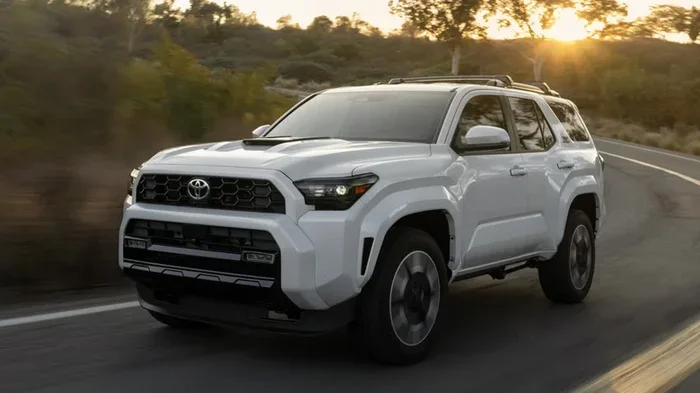
Do Toyota 4Runners hold their value? Yes, and they do it better than almost any other SUV on the road. The Toyota 4Runner resale value remains incredibly strong thanks to rock-solid reliability, off-road capability, and a loyal fan base. Whether you buy new or used, this truck-based SUV proves time and again that it is worth keeping for years.
Have you ever wondered why the Toyota 4Runner seems to cost the same on the used lot as it did when it was brand new? It is not your imagination. Do Toyota 4Runners hold their value better than almost every other SUV? The answer is a resounding yes, and the reasons behind it are fascinating. From the rugged off-road cred to the legendary Toyota reliability, this vehicle has built a reputation that simply does not fade. In this article, we will break down exactly why the 4Runner retains value so well, how it compares to the competition, and what you can do to protect your own investment.
The Toyota 4Runner resale value story is one of the best in the automotive world. While most SUVs lose roughly 50% of their value in the first five years, the 4Runner stubbornly refuses to follow that path. Buyers line up for used 4Runners, and dealers know they can sell them quickly. This is not a fluke. It is the result of decades of proven performance, a simple and durable design, and a passionate community of fans who will pay top dollar for one. Let us dive into the details and find out what makes this truck-based SUV such an incredible value holder.
Key Takeaways
- Exceptional Value Retention: The 4Runner loses value far slower than most competing SUVs, often retaining over 60% of its value after five years.
- Reliability Drives Demand: Buyers pay a premium for Toyota 4Runner reliability because these vehicles last well beyond 200,000 miles with basic maintenance.
- Off-Road Capability Adds Worth: The 4Runner off-road SUV reputation means strong demand in the used market, especially for TRD and Premium trims.
- Used Prices Remain High: The used Toyota 4Runner price consistently stays above competitors, making it a smart long-term investment.
- Simple Design Helps Longevity: Fewer complex electronics mean fewer things to break, which keeps ownership costs low and resale value high.
- Strong Brand Loyalty Matters: Toyota brand loyalty creates a steady stream of buyers, which keeps prices firm in the resale market.
📑 Table of Contents
Why the Toyota 4Runner Holds Value So Well
There are several reasons why the Toyota 4Runner retain value story is so strong. Each factor plays a role in keeping prices firm and demand high. Let us look at the biggest ones.
Legendary Reliability and Durability
The number one reason people buy 4Runners is trust. Toyota built a reputation for making vehicles that simply do not break. When you look at Toyota vehicle longevity, the 4Runner sits at the top. Many owners report crossing the 200,000-mile mark without major issues. This kind of durability creates a cycle of confidence. Buyers know that a used 4Runner will still have plenty of life left, so they are willing to pay closer to the original price. Toyota 4Runner reliability is not just a marketing slogan. It is backed by decades of real-world data and owner satisfaction surveys.
When a vehicle is known to last, the used Toyota 4Runner price stays high. Nobody wants to buy a vehicle that will fall apart in two years. The 4Runner avoids that fear entirely. This is why even older models from the 2000s and early 2010s still command strong prices on the used market.
Off-Road Capability That Never Gets Old
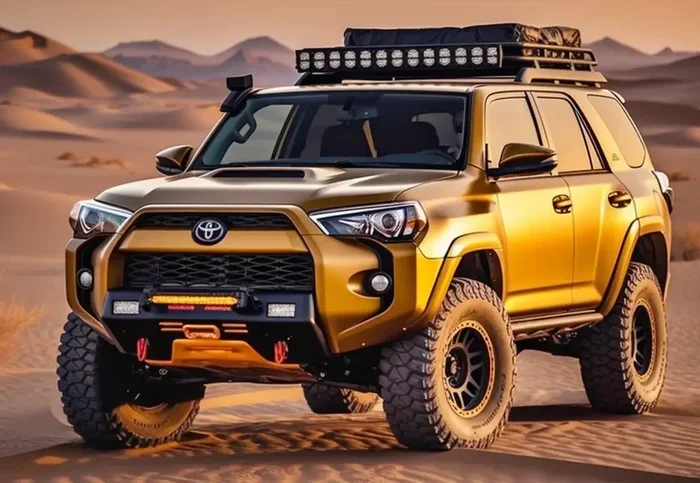
The 4Runner is not just a commuter SUV. It is a genuine 4Runner off-road SUV that can handle trails, rocks, mud, and deep water. This capability gives it a unique appeal that most crossovers and car-based SUVs simply cannot match. Whether you use it for weekend adventures or daily commuting, the knowledge that it can go anywhere adds enormous value.
TRD Off-Road and TRD Pro trims are especially sought after. These versions come with locking differentials, crawl control, and upgraded suspension. When you see a can 4runners tow boats listing or a trail-ready 4Runner on social media, you can see why demand stays so strong. The versatility of this vehicle means it appeals to a wide range of buyers, from outdoorsy families to overlanding enthusiasts.
Simple Design Means Fewer Problems
One thing that sets the 4Runner apart from many modern SUVs is its simple design. While other manufacturers pile on fancy screens, sensors, and complex drivetrain tech, Toyota kept the 4Runner relatively straightforward. Yes, newer models have more tech than older ones, but the core engineering remains proven and simple. This simplicity is a huge advantage when it comes to long-term ownership.
Fewer complex parts means fewer things that can go wrong. When something does break, repairs tend to be affordable and straightforward. This keeps the 4Runner cost of ownership low, which in turn boosts resale value. A vehicle that is cheap to maintain is always more attractive to used buyers than one that requires expensive dealer visits every few months.
4Runner Depreciation Rate Compared to Other SUVs
Depreciation is the silent killer of vehicle value. Most cars and SUVs lose money fast, especially in the first few years of ownership. But how does the 4Runner stack up? Let us look at the numbers and compare.
On average, a new SUV loses about 20% of its value in the first year and roughly 40% after three years. Most vehicles continue dropping from there. The 4Runner, however, follows a much gentler curve. After five years, a 4Runner typically retains around 55% to 65% of its original value. That is significantly better than the industry average and far above most competitors.
Here is a quick comparison of how different SUVs hold value over five years:
- Toyota 4Runner: Retains roughly 55% to 65% of original value after five years.
- Ford Explorer: Loses value faster, typically retaining around 40% to 50%.
- Chevrolet Tahoe: Holds value reasonably well but still drops faster than the 4Runner.
- Jeep Grand Cherokee: Depreciates at a similar or slightly faster rate than the 4Runner.
- Honda Pilot: A solid performer but still loses value more quickly than Toyota’s offering.
The gap between the 4Runner and its competitors grows even wider as the vehicle ages. After eight or ten years, a well-maintained 4Runner can still be worth a surprising amount of money. This is why many buyers now prefer used 4Runners over newer models from other brands. The 4Runner pricing trends show a clear pattern: these vehicles hold their worth better than almost anything else in the SUV segment.
How Trim Levels Affect Value Retention
Not all 4Runners are created equal when it comes to resale. The 4Runner trim levels you choose can have a big impact on how well the vehicle holds its value. Base SR5 models are solid and practical, but they do not command the same premium as higher trims. The TRD Off-Road, TRD Pro, and Limited trims tend to hold value much better because buyers want the added capability and features.
If you are planning to sell or trade in your 4Runner down the road, consider that TRD and Limited trims will bring more money back. The 4Runner trade-in value for these trims is noticeably higher than for base models. That said, even an SR5 4Runner will outperform most competitors in the resale game.
What Makes the 4Runner a Classic SUV
There is a reason people call the 4Runner a classic. The current generation has been around since 2009, and the platform itself dates back even further. While other automakers refresh their SUVs every few years, Toyota has kept the 4Runner mostly unchanged. This might sound strange in a world obsessed with constant updates, but it works.
The 4Runner generations story is one of consistency. Each generation built on the last, adding improvements without completely reinventing the formula. Buyers know what they are getting with a 4Runner, and that predictability is incredibly valuable. There are no surprise repair bills from unproven new technology, and the driving experience remains familiar across model years.
The Toyota 4Runner classic SUV status also helps with resale. Classic vehicles tend to hold value better because they have a built-in fan base. People collect and seek out models that have earned a reputation for greatness. The 4Runner fits that description perfectly. Its boxy design, solid build, and off-road pedigree give it a timeless appeal that transcends trends.
The Role of Toyota Brand Loyalty
Toyota has one of the strongest brand loyalties in the automotive industry. Owners tend to stick with Toyota, and they tell their friends and family to do the same. This loyalty creates a reliable pool of buyers whenever someone puts a 4Runner up for sale. The Toyota resale market is always active, which means you rarely have to wait long to sell one.
Brand loyalty also affects how buyers perceive the value of a used 4Runner. When you walk onto a lot and see a clean, well-maintained 4Runner, you trust that it will keep running for years. That trust translates directly into higher resale prices. The Toyota brand loyalty effect is real, and the 4Runner benefits from it more than almost any other model in the lineup.
The Role of Reliability in Value Retention
Let us talk more about reliability because it deserves its own spotlight. When we talk about are toyota tundras dependable, we are talking about the same philosophy that applies to the 4Runner. Toyota builds vehicles that are meant to last, and the 4Runner is a perfect example.
Reliability affects value retention in two key ways. First, it keeps maintenance costs low over the life of the vehicle. Second, it gives buyers confidence when shopping the used market. A vehicle with a reputation for reliability always sells faster and for more money. The 4Runner checks both boxes perfectly.
If you are wondering about long-term ownership, the answer is encouraging. At what mileage do Toyotas start having problems? For the 4Runner, serious issues rarely appear before 150,000 or even 200,000 miles with proper care. This means you can drive one for a decade or more and still have a vehicle that is worth a solid amount of money. That is a rare thing in the automotive world today.
Regular oil changes, timely tire replacements, and basic fluid maintenance are all it takes to keep a 4Runner running strong. The 4Runner cost of ownership is remarkably low compared to vehicles that require more frequent and expensive repairs. This low cost of ownership is a major factor in why these vehicles hold value so well.
How to Maximize Your 4Runner’s Resale Value
If you already own a 4Runner or are planning to buy one, there are steps you can take to make sure it holds its value as well as possible. Here are some practical tips that make a real difference.
- Keep up with regular maintenance. Follow the Toyota maintenance schedule and keep all records. A full service history makes a huge difference when you sell.
- Address small issues quickly. Do not let minor problems turn into big ones. A small leak or unusual noise today can become an expensive repair tomorrow, and buyers will notice.
- Keep it clean inside and out. A well-maintained interior and exterior signals that the vehicle was cared for. First impressions matter a lot in the used market.
- Avoid unnecessary modifications. While aftermarket upgrades can be fun, they can also narrow your buyer pool. Stock 4Runners tend to sell faster and for more money.
- Drive it reasonably. High-mileage vehicles are still valuable, but keeping mileage in a reasonable range helps preserve resale value.
- Check are Toyota 4Runners good on gas and maintain fuel efficiency. Keeping your vehicle running efficiently adds to its overall appeal and helps offset the cost of ownership.
Following these tips will help ensure that your 4Runner stays in strong shape and commands a good price whenever you decide to sell or trade it in. The goal is to make the vehicle as turnkey as possible, which means buyers do not have to spend money fixing things right away.
Quick Tips for Protecting Your Investment
- Use genuine Toyota parts for repairs whenever possible.
- Store the vehicle in a garage or covered area to protect the paint and interior.
- Check tire pressure regularly to ensure even wear and good fuel economy.
- Wash the undercarriage regularly, especially if you use the 4Runner off-road.
- Keep a copy of all maintenance records in the glove box.
Conclusion
The answer to the question do Toyota 4Runners hold their value better than most is clear and well-supported by data. From the outstanding Toyota 4Runner resale value to the low 4Runner cost of ownership, this vehicle proves itself as one of the smartest buys in the SUV segment. Its legendary reliability, off-road capability, and simple design all work together to keep prices strong year after year. Whether you are buying new or shopping for a used model, the 4Runner delivers value that lasts. If you want a vehicle that will not drain your wallet and will still be worth a good amount when it is time to move on, the Toyota 4Runner is hard to beat. The numbers speak for themselves, and the millions of satisfied owners around the world confirm it every day.
Frequently Asked Questions
Why do Toyota 4Runners hold their value so well?
Toyota 4Runners hold their value because of legendary reliability, off-road capability, and strong brand loyalty. Buyers trust that a used 4Runner will last for years, so they pay closer to the original price. The simple design also means fewer expensive repairs, which keeps ownership costs low and resale value high.
How much does a Toyota 4Runner depreciate in five years?
On average, a 4Runner retains about 55% to 65% of its original value after five years. This is significantly better than most competing SUVs, which typically retain only 40% to 50% in the same timeframe. The gentle depreciation curve is one of the strongest arguments for buying a 4Runner.
Which 4Runner trim holds value best?
TRD Off-Road, TRD Pro, and Limited trims tend to hold value the best because they offer the most capability and features. That said, even base SR5 models outperform most competitors in the resale market. Higher trims simply command a bigger premium when it is time to sell.
Is buying a used Toyota 4Runner a good investment?
Yes, buying a used 4Runner is widely considered a smart investment. The used Toyota 4Runner price stays strong because demand consistently outpaces supply. A well-maintained used 4Runner can provide years of reliable service while losing value more slowly than most vehicles on the road.
How does the 4Runner compare to other Toyota models for value retention?
The 4Runner is one of the best value retainers in the Toyota lineup, alongside the Tacoma and Tundra. While the Tacoma pickup also holds value exceptionally well, the 4Runner offers SUV versatility with the same durability. Both models benefit from Toyota’s reputation for building long-lasting vehicles.
Can a Toyota 4Runner last over 200,000 miles?
Absolutely. Many 4Runner owners report crossing the 200,000-mile mark with no major issues. Regular maintenance and basic care are the keys to reaching that milestone. The vehicle’s simple, proven engineering makes it one of the most durable SUVs you can buy, which directly contributes to its strong resale value.