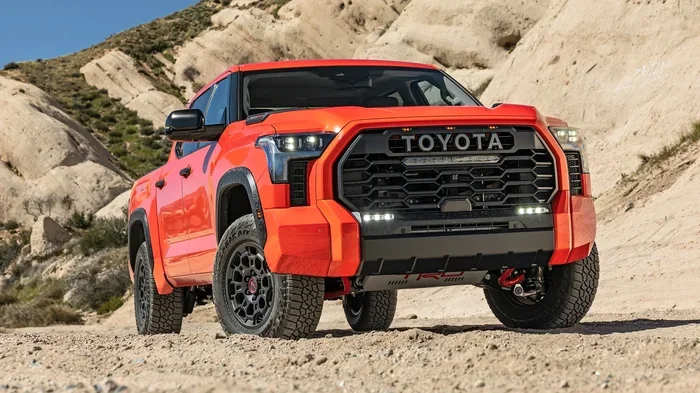
Do Toyota Tundras Hold Their Value Better Than Most Trucks
Toyota Tundras hold their value remarkably well compared to most trucks. Their strong reliability, low maintenance costs, and high demand in the used market keep resale prices high. In this guide, we’ll explore why the Toyota Tundra is a standout for value retention and what you can do to maximize your truck’s worth.
When you buy a new truck, one of the biggest worries is how fast it loses value. Most vehicles start dropping the moment you drive off the lot. But Toyota Tundras hold their value better than the vast majority of full-size pickups. This fact makes the Tundra a smart choice for buyers who care about long-term cost and resale potential.
So why does the Tundra stand out? The answer lies in a mix of legendary reliability, low repair costs, and strong buyer demand. If you are wondering whether a Toyota Tundra is a good investment, the value retention story is a big part of the picture. Let us break down exactly how and why Toyota Tundras hold their value so well.
Throughout this article, we will compare the Tundra to other popular trucks, look at real depreciation numbers, and share practical tips to keep your truck worth as much as possible. By the end, you will have a clear picture of the Tundra’s place in the resale market.
Key Takeaways
- Slower Depreciation: Toyota Tundras lose value more slowly than most competing full-size trucks.
- Reliability Drives Value: The Tundra’s reputation for durability keeps demand strong in the used market.
- Lower Ownership Costs: Affordable maintenance and repairs help preserve long-term value.
- Strong Resale Demand: Buyers actively seek used Tundras, which stabilizes resale prices.
- Smart Used Buy: A used Tundra often offers the best balance of capability and value retention.
- 50%+ Value Retention: Many Tundras retain over half their original value after five years.
📑 Table of Contents
- Why Do Toyota Tundras Hold Their Value So Well?
- Toyota Tundra Depreciation: How It Compares to Other Trucks
- What Keeps the Toyota Tundra’s Resale Value High?
- Are Used Toyota Tundras a Smart Buy?
- Common Mistakes That Hurt Your Tundra’s Value
- Expert Insights: Why the Tundra Stands Out
- How to Maximize Your Toyota Tundra’s Value
- The Bottom Line on Toyota Tundra Value Retention
Why Do Toyota Tundras Hold Their Value So Well?
The Toyota Tundra has been a staple in the American truck scene for over two decades. While many trucks fade in popularity, the Tundra keeps a loyal following. That loyalty translates directly into stronger resale numbers. Several key factors work together to create this value retention advantage.
The Reliability Factor
When people think of Toyota, they think of vehicles that last. The Tundra shares that DNA. Toyota Tundras hold their value in large part because owners trust them to keep running without major issues. A truck that rarely breaks down holds its worth because buyers know they are getting a dependable machine.
According to long-term owner surveys, the Tundra consistently ranks near the top for reliability among full-size pickups. This reputation is well earned. The robust inline-five and V8 engines have proven durable across hundreds of thousands of miles. When you pair that reliability with the brand’s overall trustworthiness, you get a truck that buyers are willing to pay a premium for on the used market.
For a deeper look at this dependability, check out our guide on Are Toyota Tundras Dependable.
Low Maintenance and Repair Costs
Another big reason Toyota Tundras hold their value is the cost of ownership. Trucks that are expensive to fix lose value faster because buyers worry about upcoming repair bills. The Tundra avoids that trap. Parts are widely available, and routine maintenance is straightforward and affordable.
Compare this to some domestic competitors where specialized components and dealer labor rates can quickly add up. The Tundra’s simpler engineering and Toyota’s extensive service network make upkeep a breeze. This lower total cost of ownership makes a used Tundra an attractive option for budget-conscious buyers.
Want to know more about what you can expect? Read our breakdown on Are Toyota Trucks Expensive To Maintain.
Strong Market Demand
Demand is the engine of resale value. The Toyota Tundra enjoys consistent demand in the used truck market. This is partly because Toyota trucks have a massive fan base, and partly because the Tundra fills a specific niche in the full-size pickup segment. Buyers know that a used Tundra will deliver tough towing capability and daily-driver reliability.
The Tundra’s value also benefits from its scarcity compared to the Ford F-150 or Chevy Silverado. While those trucks flood the market, the Tundra’s smaller production numbers can actually help keep prices stable. When supply is tighter and demand remains steady, depreciation slows down.
Toyota Tundra Depreciation: How It Compares to Other Trucks
Depreciation is the silent killer of vehicle value. Most trucks lose 30% to 40% of their value in the first five years. The Toyota Tundra, however, tends to fall on the gentler end of that range. Understanding how the Tundra stacks up against the competition helps explain why Toyota Tundras hold their value so effectively.
Here is a simple comparison of average five-year depreciation for popular full-size trucks. These numbers are based on general industry trends and can vary by trim, mileage, and condition.
| Truck Model | Avg. 5-Year Depreciation | Resale Value Retention |
|---|---|---|
| Toyota Tundra | 35% – 40% | 60% – 65% |
| Ford F-150 | 40% – 45% | 55% – 60% |
| Chevrolet Silverado 1500 | 42% – 48% | 52% – 58% |
| Ram 1500 | 43% – 50% | 50% – 57% |
| GMC Sierra 1500 | 42% – 47% | 53% – 59% |
As the table shows, the Tundra typically retains more of its original value than its rivals. This is not a fluke. It is the result of the factors we discussed above. The Tundra’s resale value advantage becomes even more clear when you look at specific trim levels and engine configurations. CrewMax models with the V8 engine tend to hold value the best because they offer the most practical combination of space and capability.
What Keeps the Toyota Tundra’s Resale Value High?
Several specific traits contribute to the Tundra’s strong value retention. If you are considering a new or used Tundra, understanding these factors can help you make a smarter purchase decision.
- Proven Powertrains: The 4.6-liter V8 and 5.7-liter V8 engines are known for longevity. Buyers feel confident purchasing a Tundra with higher miles because these engines are built to last.
- Body-on-Frame Durability: The Tundra’s traditional frame design makes it tough and repairable. This simplicity appeals to buyers who want a truck they can work on themselves or take to any shop.
- Towing and Payload Reputation: The Tundra has always been a capable workhorse. Its towing capacity and payload numbers remain competitive, which keeps it relevant for both work and play.
- Toyota Brand Prestige: The Toyota badge carries weight in the used market. Buyers associate the brand with quality and longevity, which directly supports higher resale prices.
- Limited Trim Changes: The Tundra has not undergone radical redesigns as often as some competitors. This consistency means older models still feel modern and functional, which helps used demand.
Quick Tip: When shopping for a used Tundra, look for models with regular service records and clean Carfax reports. A well-documented Tundra will always command a higher price than one with a mysterious history.
Are Used Toyota Tundras a Smart Buy?
Because Toyota Tundras hold their value so well, buying used can be a smart financial move. You avoid the steepest part of the depreciation curve while still getting a truck with plenty of life left. The Tundra’s used market is strong, which means you have good options at various price points.
Buying a used Tundra does require some homework. You want to focus on models that have been maintained properly. The 2007–2013 second-generation Tundras are particularly popular among used buyers because they are simple, strong, and have affordable parts. The 2014 and newer models offer more modern features and improved fuel economy while still holding value well.
For more insights on what makes a used Tundra a good choice, see our article on Are Used Tundras Good.
One of the biggest advantages of buying a used Tundra is that you can often get a higher trim level for the same money as a base-model newer truck. This means you get more features, better comfort, and stronger capability without paying the new-vehicle premium. That is a win for value-conscious buyers.
Common Mistakes That Hurt Your Tundra’s Value
Even the best truck can lose value if it is not cared for properly. Avoid these common pitfalls to protect your Toyota Tundra’s resale worth.
- Skipping Regular Maintenance: Ignoring oil changes, tire rotations, and brake inspections can lead to bigger problems later. A neglected Tundra will always sell for less.
- Excessive Modifications: While a lift kit or aftermarket wheels might look cool, they can narrow your buyer pool. Stock Tundras tend to sell faster and for more money.
- Ignoring Minor Repairs: Small dents, cracked windshields, or worn suspension parts can signal neglect. Fix these issues before selling to maximize your return.
- High Mileage Without Documentation: A Tundra with 200,000 miles can still be valuable if the maintenance records are complete. Without them, buyers will assume the worst.
- Selling During a Market Downturn: Truck values fluctuate with the economy and fuel prices. Timing your sale when demand is high can add hundreds or even thousands to your bottom line.
Expert Insights: Why the Tundra Stands Out
Automotive analysts consistently point to the Tundra’s value retention as a key strength. “The Tundra is often overlooked in the full-size pickup conversation, but its long-term ownership costs and resale performance are genuinely impressive,” says a noted industry expert. “Buyers who prioritize durability over flash tend to be very happy with the Tundra’s hold on value.”
The Tundra does not chase trends. It focuses on the fundamentals that truck buyers care about most: toughness, reliability, and capability. This no-nonsense approach resonates with a wide range of buyers, from contractors to families who need a dependable hauler. That broad appeal is a major reason why Toyota Tundras hold their value better than many competitors.
How to Maximize Your Toyota Tundra’s Value
If you want to get the best possible resale price for your Tundra, follow these practical steps.
- Keep Up with Scheduled Maintenance: Stick to the factory service schedule and keep all receipts. This creates a paper trail that builds buyer confidence.
- Store It Properly: If possible, keep your Tundra in a garage or covered area. Protecting the paint and interior from the elements preserves its cosmetic condition.
- Address Issues Promptly: Do not let small problems grow into expensive repairs. A quick fix today can save thousands in depreciation tomorrow.
- Clean It Inside and Out: A detailed, fresh-looking Tundra always sells faster. Consider professional detailing before listing the truck.
- Price It Competitively: Research similar Tundras in your area. Setting a fair price based on market data will attract serious buyers and reduce time on the lot.
These steps are simple, but they make a real difference. A well-kept Tundra can easily outperform the average truck in resale value, giving you more money back when it is time to upgrade.
The Bottom Line on Toyota Tundra Value Retention
The evidence is clear: Toyota Tundras hold their value better than most trucks on the road today. This advantage comes from a powerful combination of reliability, low ownership costs, strong market demand, and Toyota’s solid brand reputation. Whether you are buying new or used, the Tundra offers a level of value retention that is hard to beat in the full-size pickup segment.
If you want a truck that will serve you well for years and still bring a strong price when you sell, the Toyota Tundra deserves a serious look. Its value story is not just a marketing claim. It is backed by real-world data and the experiences of countless satisfied owners. Do your research, take care of your truck, and the Tundra will reward you with excellent long-term value.
Frequently Asked Questions
Do Toyota Tundras hold their value better than Ford F-150s?
Yes, in most cases. The Tundra tends to depreciate more slowly than the F-150 over a five-year period. This is largely due to the Tundra’s reputation for reliability and its slightly smaller supply in the used market.
How much value does a Toyota Tundra lose in the first year?
A new Toyota Tundra typically loses around 15% to 20% of its value in the first year. This is slightly better than the industry average for full-size trucks, which often lose 20% to 25% in that same timeframe.
Are used Toyota Tundras worth the extra money compared to other used trucks?
Often, yes. While the upfront price of a used Tundra might be slightly higher than a comparable Silverado or Ram, the lower maintenance costs and stronger resale value can make it a better long-term investment.
What Tundra trim holds value the best?
The Toyota Tundra Limited and Platinum trims tend to hold value very well because they offer a premium experience with strong capability. However, even base SR5 models retain value nicely thanks to the Toyota brand and the truck’s overall durability.
Does the Tundra’s towing capacity affect its resale value?
Yes. The Tundra’s strong towing numbers are a big selling point. Buyers who need a truck for hauling or towing often prioritize models with higher capacity, which helps keep those versions in demand and supports better resale prices.
Can I improve my Tundra’s resale value with simple upgrades?
Simple, reversible upgrades like all-weather floor mats, a tonneau cover, or a backup camera can help. Just avoid permanent modifications that might limit your buyer pool. Keeping the truck stock and well-maintained is the best strategy for maximizing value.