Does Toyota Make More Profit Than Tesla Compared To
Does Toyota make more profit than Tesla? The answer depends on how you measure profit. Toyota generates significantly higher total revenue and net income, but Tesla often has better profit margins per vehicle. This Toyota vs Tesla profit comparison breaks down the numbers so you can understand exactly who earns more and why.
When people compare the auto industry’s biggest players, the Toyota profit vs Tesla profit debate always comes up. Toyota has been a dominant force in car manufacturing for over 80 years. Tesla, on the other hand, has shaken up the industry in just over a decade. Both companies are worth billions, but their paths to profit look very different. So, does Toyota make more profit than Tesla? The answer is more nuanced than you might think.
Toyota builds millions of vehicles every year across sedans, trucks, and SUVs. Tesla focuses almost entirely on electric vehicles. Their business models, target markets, and profit strategies couldn’t be more different. In this article, we’ll break down the numbers, compare their financial performance, and give you a clear picture of who comes out ahead. Whether you’re a car buyer, an investor, or just curious, this Toyota vs Tesla profit comparison has something for everyone.
We’ll look at revenue, profit margins, market cap, and the factors that drive earnings for both companies. By the end, you’ll understand exactly how these two automakers stack up. Let’s dive into the numbers and see who really makes more money.
Key Takeaways
- Toyota earns more in absolute profit: Toyota’s annual net income consistently exceeds Tesla’s by a wide margin, thanks to its massive scale and diversified revenue streams.
- Tesla has higher profit margins per vehicle: Tesla’s premium pricing and manufacturing efficiency give it stronger per-unit margins compared to most traditional automakers.
- Toyota’s revenue is far larger: Toyota’s annual revenue exceeds $300 billion, while Tesla’s sits around $96 billion, making Toyota one of the most profitable car companies on Earth.
- Tesla’s market cap often exceeds Toyota’s: Despite lower current profits, Tesla’s stock valuation reflects investor confidence in its future growth potential in the EV market.
- Both companies have unique strengths: Toyota benefits from brand loyalty, scale, and a diversified lineup, while Tesla thrives on innovation, direct sales, and a passionate customer base.
- The profit gap may narrow over time: As Tesla scales production and Toyota accelerates its EV efforts, the Toyota vs Tesla profit landscape could shift in the coming years.
📑 Table of Contents
Understanding Toyota’s Profit Model
Toyota is one of the most profitable car companies in the world. The Japanese automaker has built its reputation on reliability, efficiency, and massive scale. Understanding how Toyota generates profit helps explain why it consistently outperforms most competitors in the global market.
Toyota’s Revenue Streams
Toyota earns money from several different sources. The company sells passenger cars, trucks, SUVs, and commercial vehicles worldwide. Its Toyota annual revenue often exceeds 30 trillion yen (roughly $200 billion USD). Here are the main ways Toyota brings in money:
- Vehicle Sales: Toyota sells over 10 million vehicles per year globally. Models like the Camry, RAV4, and Corolla are consistent bestsellers that drive enormous volume.
- Financial Services: Toyota Financial Services provides loans, leases, and insurance. This division adds significant profit on top of vehicle sales.
- Parts and Service: Toyota’s dealer network generates steady income from parts sales and maintenance. Loyal customers return for service year after year.
- Luxury Division (Lexus): Lexus vehicles carry higher price tags and better margins, boosting Toyota’s overall profitability.
The company’s Toyota revenue is diversified across these streams, which makes it very stable. Even when one segment slows down, others pick up the slack. This diversification is a key reason Toyota remains so profitable year after year.
Toyota’s Profit Margins
Toyota’s automotive profit margins are impressive by industry standards. The company typically operates at a net profit margin of around 7-9%. That might not sound huge, but when you’re selling 10 million vehicles a year, those percentages add up fast.
Toyota’s Toyota net income has consistently been in the range of $25-35 billion per year in recent years. Compare that to most other automakers, and Toyota stands out. The company’s ability to keep manufacturing costs low while maintaining quality is a major factor in its success.
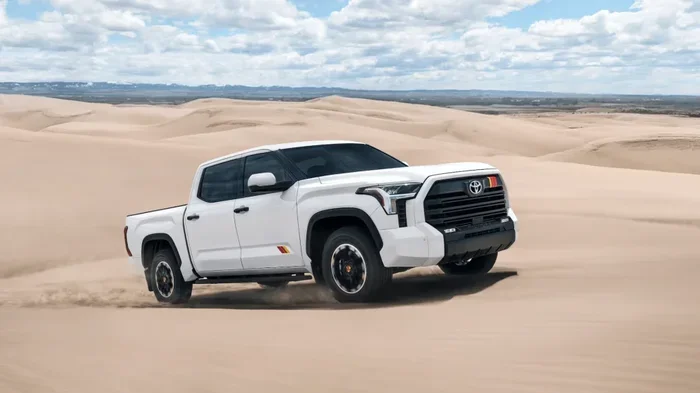
Toyota’s Toyota brand value also plays a role. Customers trust Toyota vehicles to last for hundreds of thousands of miles. This trust means Toyota can charge fair prices without heavy discounting. The company’s reputation for Toyota Tundra dependability, for example, helps it maintain strong resale values and long-term customer loyalty. Buyers know they’re getting a reliable truck that will hold its value.
Understanding Tesla’s Profit Model
Tesla is a completely different animal. Founded in 2003, the company has grown from a niche electric car maker to one of the most valuable automakers on Earth. Tesla’s path to profit has been rocky, but recent years have shown strong earnings growth that surprised many industry analysts.
Tesla’s Revenue Streams
Tesla’s Tesla annual revenue has grown dramatically, reaching over $96 billion in 2023. The company’s revenue comes from a few key sources that reflect its focused approach:
- Vehicle Sales: Tesla sells the Model S, Model 3, Model X, and Model Y. These are its core revenue drivers and the reason most people know the brand.
- Energy Products: Tesla sells solar panels and the Powerwall battery storage system. This division taps into the growing home energy market.
- Regulatory Credits: Tesla earns money by selling emissions credits to other automakers who need them to meet government regulations.
- Services and Other: Tesla’s service centers, Supercharger network, and insurance products add additional revenue streams.
Tesla’s Tesla delivery numbers have been growing steadily, with over 1.8 million vehicles delivered in 2023. The company’s focus on a single product category (electric vehicles) means it can concentrate its engineering and manufacturing resources on one mission. This focus has helped Tesla achieve impressive Tesla earnings growth in a relatively short time.
Tesla’s Profit Margins
Tesla’s profit margin comparison with Toyota is interesting and worth examining closely. Tesla’s automotive gross margin has been around 17-25% in recent quarters, which is higher than most traditional automakers. However, Tesla’s overall net profit margin is more modest, typically around 10-15%.
Tesla’s Tesla net income has been volatile over the years. In some periods, Tesla has reported net profits exceeding $10 billion. But the company has also had quarters with losses, especially during production ramp-ups. Tesla’s profitability depends heavily on production efficiency and pricing strategy.
One thing that sets Tesla apart is its Tesla stock price. Even when Tesla’s profits are lower than Toyota’s in absolute terms, its market cap often exceeds Toyota’s by a wide margin. Investors bet on Tesla’s future growth in the electric vehicle market. This shows that car company valuation isn’t just about current profits. Growth potential matters just as much to investors.
Toyota vs Tesla: Head-to-Head Comparison
Let’s put the numbers side by side. Comparing Toyota vs Tesla directly shows how different these two companies really are in terms of scale, profitability, and market position.
| Metric | Toyota | Tesla |
|---|---|---|
| Annual Revenue | ~$300+ billion | ~$96 billion |
| Net Income (Annual) | ~$25-35 billion | ~$7-15 billion |
| Net Profit Margin | ~7-9% | ~10-15% |
| Market Cap | ~$300+ billion | ~$700+ billion |
| Annual Vehicle Sales | ~10+ million | ~1.8 million |
| Vehicle Price Range | $20,000 – $70,000+ | $40,000 – $120,000+ |
| Primary Focus | All vehicle types | Electric vehicles only |
The table above shows a clear picture. Toyota generates far more Toyota revenue and profit in absolute terms. Tesla, however, has higher profit margins per vehicle and a much higher market valuation. This is the core of the Toyota vs Tesla profit debate that investors and car enthusiasts love to discuss.
Revenue Comparison
Toyota’s Toyota sales figures dwarf Tesla’s in raw numbers. The company sells more vehicles in a single month than Tesla sells in a full quarter. Toyota’s global presence in over 170 countries gives it an enormous reach that Tesla is still working to build out.
Tesla’s revenue growth has been explosive, though. In just a few years, Tesla went from a niche player to a major automaker. The company’s Tesla earnings growth rate is much faster than Toyota’s. But Toyota’s base is so massive that even slow growth adds billions to the bottom line.
Profit Margin Comparison
When you look at profit margin comparison, Tesla often comes out ahead on a per-vehicle basis. Tesla vehicles are priced at a premium, and the company has worked incredibly hard to reduce manufacturing costs. Tesla’s gigacasting technology and vertical integration help keep expenses lower than traditional competitors.
Toyota’s margins are lower per vehicle but consistent across millions of units. The company’s Toyota Tacoma fuel economy and overall efficiency contribute to strong, repeat sales. Toyota also benefits from its Toyota truck maintenance costs being relatively low, which keeps customers coming back for service and parts. This long-term relationship with customers is a profit driver that Tesla is still building.
Market Valuation Comparison
Tesla’s market cap is often several times larger than Toyota’s. This surprises many people. How can a company that sells fewer cars be worth more? The answer lies in growth expectations. Investors see Tesla as the future of automotive, while Toyota is seen as a mature, stable company with steady returns.
Toyota’s Toyota market cap reflects its steady, reliable performance and decades of consistent profitability. Tesla’s Tesla market cap reflects its potential for explosive growth. This difference in valuation is a key part of any automotive industry comparison between the two companies. Both valuations tell a true story, just different stories about the past versus the future.
Key Factors That Affect Automotive Profits
Understanding why Toyota and Tesla earn what they do requires looking at the bigger picture. Several important factors drive profitability in the auto industry, and both companies handle them differently.
Manufacturing Costs
Manufacturing costs are the biggest expense for any automaker. Toyota has spent decades perfecting its production processes. The Toyota Production System (TPS) is famous around the world for reducing waste and improving efficiency. This gives Toyota a significant cost advantage that has been built up over generations.
Tesla has also made huge strides in manufacturing efficiency. The company’s factories in Fremont, Texas, and Berlin are among the most advanced in the world. Tesla’s use of vehicle manufacturing costs optimization through automation and new techniques like gigacasting has helped improve margins in recent years. But Toyota’s scale gives it an edge. Building 10 million vehicles a year means spreading fixed costs across a much larger base than Tesla can currently match.
Vehicle Pricing Strategy
Pricing strategy affects profit more than almost anything else in the auto business. Toyota prices its vehicles competitively. The company aims for high volume at moderate margins. Models like the Corolla and RAV4 sell in huge numbers because they’re affordable, practical, and reliable. This volume-driven approach has been Toyota’s profit engine for decades.
Tesla takes a different approach. Tesla prices its vehicles at a premium, especially the Model S and Model X. This allows Tesla to capture higher margins per vehicle. But it also limits Tesla’s total volume compared to Toyota. One interesting note: putting premium gas in a Toyota Corolla is not necessary, and Toyota keeps its vehicles affordable for the average buyer. Tesla, by contrast, positions itself as a luxury brand in many markets, which supports its higher pricing.
Brand Loyalty and Market Share
Brand loyalty is a huge profit driver in the auto industry. Toyota has spent decades building trust with customers around the world. The company’s reputation for reliability means customers stick with Toyota for multiple purchases over their lifetime. This repeat business is incredibly valuable and adds up to billions in lifetime customer value.
Tesla has a passionate fanbase, but it’s smaller than Toyota’s. Tesla’s brand is built on innovation, technology, and sustainability. The company’s EV manufacturer profits benefit from being seen as the leader in electric vehicles. But Tesla also faces increasing competition from traditional automakers entering the EV space. Toyota’s market share gives it pricing power and negotiating leverage with suppliers. This is another reason Toyota’s car manufacturer profitability remains so strong compared to newer competitors.
The Future of Profitability in the Auto Industry
The automotive industry is changing fast. Electric vehicles, autonomous driving, and new business models are reshaping how companies make money. Both Toyota and Tesla face unique opportunities and challenges ahead that will shape their profit trajectories for years to come.
Electric Vehicle Market Growth
The electric vehicle profits market is growing rapidly around the world. Governments are pushing for EV adoption through regulations and incentives. Tesla is well-positioned to benefit from this trend. The company has a head start in EV technology, charging infrastructure, and brand recognition in the EV space.
Toyota has been slower to embrace full EVs. The company has focused on hybrids and hydrogen fuel cells for years. But Toyota is now investing heavily in battery technology and electric vehicles. The company’s Toyota sales figures for EVs are still small compared to its total sales, but growing quickly. The automotive industry trends clearly point toward electrification, and companies that adapt fastest will likely see the biggest profit gains in the coming decade.
Traditional Automakers Adapting
Traditional automakers are catching up to Tesla in many important ways. Toyota’s decades of manufacturing experience give it advantages in scaling production. The company’s global supply chain and dealer network are assets that Tesla is still building out. Toyota’s Toyota brand value remains extremely high worldwide, and the company’s ability to sell vehicles without heavy advertising saves billions in marketing costs.
On the other hand, Tesla’s direct-to-consumer sales model cuts out dealer markups. This gives Tesla more control over pricing and customer experience. Both approaches have merit, and the competition between them drives innovation across the industry. The automotive industry comparison between Toyota and Tesla shows how different strategies can both lead to strong profitability.
Final Verdict: Who Makes More Profit?
So, does Toyota make more profit than Tesla? In absolute terms, the answer is clearly yes. Toyota’s Toyota profit far exceeds Tesla’s in raw numbers. The company generates more revenue, more net income, and more consistent earnings year after year. Toyota is the profit king of the auto industry, and it has been for a long time.
However, Tesla wins in several other important areas. Tesla’s profit margins per vehicle are higher. Tesla’s growth rate is faster. And Tesla’s market valuation reflects investor confidence in its future. The Tesla earnings story is still being written, and the company has enormous potential for growth as EV adoption accelerates globally.
If we’re talking about who makes more profit right now, Toyota is the clear winner. If we’re talking about who has more potential for future profit growth, Tesla has a strong case. Both companies are incredible successes in their own ways, and both have earned their place at the top of the auto industry.
The Toyota vs Tesla profit comparison shows that there’s no single answer. It depends on how you measure profit. Toyota wins on total earnings and consistency. Tesla wins on margins, growth, and market perception. Understanding these differences helps you appreciate both companies for what they do best.
Whether you’re buying a car or investing in stocks, knowing these numbers helps you make smarter decisions. Toyota offers stability and proven profitability built on decades of experience. Tesla offers growth and innovation that could reshape the industry. Both have earned their place at the top, and the automotive industry comparison between them is far from over. It’s an exciting time to watch both companies evolve and compete.
Frequently Asked Questions
Is Toyota more profitable than Tesla?
In absolute terms, yes. Toyota generates significantly more total profit and revenue than Tesla each year. However, Tesla has higher profit margins per vehicle and a faster growth rate. The answer depends on whether you’re looking at total earnings or per-vehicle profitability.
What is Toyota’s annual profit?
Toyota’s annual net income typically ranges from $25 billion to $35 billion. The company’s consistent profitability comes from its massive scale, diversified revenue streams, and efficient manufacturing processes that have been refined over decades.
How much profit does Tesla make per car?
Tesla’s profit per vehicle is higher than most traditional automakers, with automotive gross margins around 17-25%. However, Tesla’s overall net profit margin is typically around 10-15%, which is still strong for the industry. Tesla’s profitability per car depends on production efficiency and pricing strategy.
Why is Toyota more profitable than Tesla?
Toyota’s profitability comes from its massive scale, diversified product lineup, global dealer network, and decades of refined manufacturing processes. Toyota sells over 10 million vehicles per year, which spreads costs across a huge base. Tesla, while growing fast, is still building toward that level of scale.
Will Tesla ever surpass Toyota in total profit?
It’s possible in the future if Tesla continues its rapid growth and Toyota’s profits stagnate. Tesla’s EV-focused strategy and growing delivery numbers could eventually close the gap. However, Toyota’s diversified business and loyal customer base give it a strong foundation that will be hard to overtake.
How do Toyota and Tesla compare in terms of revenue?
Toyota’s annual revenue exceeds $300 billion, while Tesla’s is around $96 billion. Toyota’s revenue is roughly three times larger than Tesla’s. However, Tesla’s revenue growth rate has been much faster, reflecting the rapid expansion of the electric vehicle market.