How Big Is a Toyota Corolla Fuel Tank You Need to Know
The Toyota Corolla fuel tank holds between 13.2 and 14.2 gallons depending on the model year and trim level. This compact sedan offers a solid driving range of 400 to 550 miles per tank, making it one of the most fuel-efficient choices on the road today. Understanding your Corolla gas tank capacity helps you plan trips, save money, and avoid running low unexpectedly.
The Toyota Corolla has been one of the best-selling cars in the world for decades. People love it for its reliability, affordability, and excellent fuel economy. But one question comes up again and again: how big is a Toyota Corolla fuel tank?
Whether you are buying a used Corolla or driving one every day, knowing your fuel tank size matters. It helps you plan road trips, estimate costs, and avoid getting stranded with an empty gauge. In this guide, we will break down everything you need to know about the Toyota Corolla gas tank capacity, from model years to real-world driving range.
Let us dive in and give you all the details you need.
Key Takeaways
- Tank Capacity: The Toyota Corolla fuel tank ranges from 13.2 to 14.2 gallons across different model years and trims.
- Driving Range: A full tank can take you between 400 and 550 miles depending on driving habits and fuel economy.
- Model Year Matters: Newer hybrid models may differ slightly in tank size compared to older gas-only versions.
- Maximize Fuel: Simple driving and maintenance habits can help you get the most out of every gallon.
- Fill Smart: Filling up at the right time and avoiding common mistakes can save you money over time.
📑 Table of Contents
- Toyota Corolla Fuel Tank Capacity By Model Year
- How Big Is the Corolla Gas Tank in Gallons?
- How Far Can You Drive on a Full Toyota Corolla Tank?
- Tips to Maximize Your Toyota Corolla Fuel Tank
- Common Mistakes That Drain Your Corolla Fuel Tank
- Should You Fill Your Tank Full or Half?
- How Does the Corolla Fuel Tank Compare to Other Compact Sedans?
- How to Monitor Your Toyota Corolla Fuel Level
- The Future of Corolla Fuel Tanks
Toyota Corolla Fuel Tank Capacity By Model Year
The size of the Corolla fuel tank has changed slightly over the years. Toyota has made different versions of the Corolla for many generations, and each one comes with its own tank specs. The good news is that the differences are not huge. Most models stay within a narrow range that works well for daily driving.
Current Generation Corolla Tank Size
The latest Toyota Corolla models, starting from around 2020 onward, come with a fuel tank that holds approximately 13.2 gallons for the standard gas version. The Corolla Hybrid typically has a slightly smaller tank because it uses both gas and electric power. The hybrid tank is around 11.3 gallons, but the combined system means you still get excellent range.
Here is a quick look at the current lineup:
- Corolla L: 13.2-gallon tank
- Corolla LE: 13.2-gallon tank
- Corolla SE: 13.2-gallon tank
- Corolla Hybrid: 11.3-gallon tank
- Corolla Cross Hybrid: 11.3-gallon tank
These numbers come from the official Toyota specifications and have been confirmed across multiple sources. If you are shopping for a new or used Corolla, these are the figures you can expect.
Older Model Years and Tank Dimensions
Going back a few generations, older Corollas from the 2010 to 2019 range also carried a tank size close to 13.2 gallons. Some earlier models from the 2000s held slightly less, around 12.8 gallons in certain trims. The physical dimensions of the tank have stayed relatively consistent because Toyota designs the Corolla around a compact sedan platform.
If you own a classic or older Corolla, it is always a good idea to check the owner’s manual. The manual will list the exact fuel tank dimensions and capacity for your specific model. You can also find this information on the Toyota website or by contacting a local dealer.
How Big Is the Corolla Gas Tank in Gallons?
Now let us talk numbers. The standard Toyota Corolla gas tank holds about 13.2 gallons of fuel. That might not sound like a lot compared to larger trucks or SUVs, but for a compact sedan, it is more than enough.
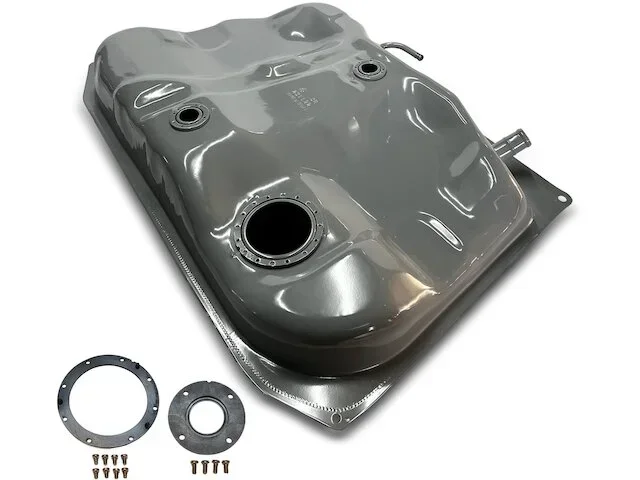
The tank is designed to fit snugly under the rear of the car without taking up too much trunk space. Toyota engineers have done a great job of balancing fuel capacity with overall vehicle design. You get a decent amount of fuel without sacrificing interior room or cargo space.
To put this in perspective, 13.2 gallons is roughly equivalent to about 50 liters. If you fill up at the pump, a full tank usually costs between $40 and $60 depending on local gas prices. That gives you a lot of miles for your money.
Understanding the Numbers
When we talk about tank capacity, we mean the total amount of fuel the tank can hold from completely empty to completely full. This is different from the recommended fuel level. Most experts suggest not letting your tank drop below a quarter full. This protects the fuel pump and gives you a buffer for unexpected trips.
The Corolla fuel tank is made of durable materials designed to last the life of the vehicle. Toyota uses high-quality steel and sometimes plastic composites for the tank lining. This helps prevent leaks and corrosion over time.
If you are curious about the physical size, the tank is roughly shaped like a shallow rectangle that fits under the rear seats and trunk area. The exact dimensions vary by model year, but it is compact enough to fit neatly inside the car’s frame without any issues.
How Far Can You Drive on a Full Toyota Corolla Tank?
This is one of the most common questions people ask. Knowing the driving range on a full tank helps you plan trips and avoid unnecessary stops. The answer depends on several factors, but here are some solid estimates.
Real-World Driving Range Estimates
With a 13.2-gallon tank and an average fuel economy of about 32 miles per gallon, a full tank of gas can take you roughly 420 miles. That is a serious distance. You could drive from New York City to Cleveland on a single tank without stopping.
Here is a simple breakdown:
- City Driving: About 350 to 400 miles per full tank
- Highway Driving: About 450 to 520 miles per full tank
- Mixed Driving: About 400 to 470 miles per full tank
- Hybrid Models: About 450 to 550 miles per full tank
These numbers are estimates based on average fuel economy ratings. Your actual miles per tank will vary depending on how you drive, road conditions, and vehicle maintenance. If you want to know more about how to tell if your car is good on gas, check out our guide on how to tell if a car is good on gas.
The Toyota Corolla hybrid stands out in this area. Because it uses electric assist, the hybrid version gets significantly better fuel economy. Some drivers report getting over 50 miles per gallon in the hybrid, which means a full tank can easily take you 500 miles or more.
Factors That Affect Your Driving Range
Several things influence how far you can go on a single tank. Your driving style is the biggest factor. Aggressive acceleration and speeding burn more fuel. Smooth, steady driving helps you go farther.
Other factors include:
- Tire pressure: Underinflated tires reduce fuel efficiency
- Air conditioning use: Running the AC uses extra engine power
- Traffic conditions: Stop-and-go city driving uses more fuel than highway cruising
- Vehicle weight: Carrying heavy loads reduces miles per gallon
- Maintenance: A poorly maintained engine wastes fuel
Tips to Maximize Your Toyota Corolla Fuel Tank
Getting the most out of your Corolla fuel tank is easier than you think. A few simple changes in how you drive and maintain your car can make a big difference. Here are some proven tips that real Corolla owners swear by.
Driving Habits That Save Fuel
How you drive directly impacts your fuel economy. If you want to stretch every gallon, try these habits:
- Accelerate gently: Press the gas pedal slowly and smoothly. Jackrabbit starts waste fuel.
- Maintain steady speeds: Use cruise control on the highway when possible.
- Avoid idling: Turn off the engine if you are stopped for more than a minute.
- Anticipate stops: Ease off the gas early when you see a red light ahead.
- Stay within the speed limit: Fuel efficiency drops significantly above 65 mph.
These small changes add up over time. Many Corolla owners report saving 10 to 15 percent on fuel just by adjusting how they drive. That means more money in your pocket and fewer trips to the gas station.
Maintenance Tips for Better Fuel Economy
Keeping your Corolla in good shape helps it sip fuel instead of guzzling it. Regular maintenance goes a long way toward maximizing your tank capacity and overall efficiency.
- Change your air filter: A dirty filter restricts airflow and reduces engine performance
- Use the right oil: Check your owner’s manual for the recommended grade, such as 0W-20 or 5W-30
- Keep tires properly inflated: Check pressure at least once a month
- Replace spark plugs on schedule: Worn spark plugs cause misfires and wasted fuel
- Get regular tune-ups: A well-tuned engine runs cleaner and more efficiently
Want to know how much a tune-up costs? Our article on how much a tune-up costs gives you a clear breakdown of pricing and what to expect.
Quick Tips for Better Fuel Economy
- Remove excess weight from your trunk
- Keep your windows closed at highway speeds
- Use the recommended grade of gasoline
- Plan your trips to avoid rush hour traffic
- Check your fuel gauge before it hits empty
These quick tips are easy to follow and can add up to significant savings over the life of your Corolla.
Common Mistakes That Drain Your Corolla Fuel Tank
Everyone makes mistakes behind the wheel, but some habits quietly drain your fuel tank faster than you realize. Here are the most common errors Corolla owners should avoid.
Letting the tank run too low. This is one of the worst habits. Driving on fumes can damage the fuel pump and leave you stranded. Keep at least a quarter of a tank at all times.
Ignoring the check engine light. A glowing check engine light can signal issues that hurt fuel economy. A loose gas cap, faulty oxygen sensor, or misfiring spark plug can all waste gas.
Using the wrong fuel grade. The standard Corolla runs fine on regular unleaded. Using premium gas does not improve performance or fuel economy unless your engine specifically requires it.
Skipping oil changes. Old or dirty oil creates friction in the engine. This makes the engine work harder and burn more fuel. Stick to the oil change schedule in your owner’s manual.
Overloading the car. Carrying heavy items you do not need adds weight. More weight means the engine uses more fuel to move the car. Clean out your trunk and remove unnecessary items regularly.
For more tips on fuel management, read our article on whether it is better to fill a gas tank full or half. It covers some smart fueling habits that can save you money.
Should You Fill Your Tank Full or Half?
This is a debate that many drivers have. Some people prefer to keep the tank half full at all times. Others like to fill it completely and go until the gauge hits empty. Both approaches have pros and cons.
Filling up completely gives you the maximum driving range. You do not need to stop at the gas station as often, which saves time. A full tank also keeps the fuel pump submerged, which helps it stay cool and last longer.
On the other hand, keeping the tank half full means you always have a buffer. If you get stuck in traffic or take a detour, you are less likely to run out. The trade-off is more frequent trips to the gas station, which can be inconvenient.
The best approach depends on your lifestyle. If you drive long distances regularly, filling up fully makes sense. If you mostly do short trips around town, keeping a half tank gives you peace of mind. Either way, the Toyota Corolla fuel tank is designed to handle either approach without any problems.
One thing is certain: do not wait until the fuel light comes on to fill up. The reserve fuel is minimal, and running the tank too low can cause long-term damage to the fuel system.
How Does the Corolla Fuel Tank Compare to Other Compact Sedans?
The Toyota Corolla fuel tank holds up well when compared to other popular compact sedans. The Honda Civic, for example, has a tank size of about 12.4 gallons. The Mazda3 comes in at around 13.2 gallons. The Hyundai Elantra offers roughly 14 gallons.
What does this mean for you? The Corolla sits right in the middle of the pack. It does not have the largest tank, but it makes up for it with excellent fuel economy. The Corolla consistently ranks among the top sedans for miles per gallon, which means you go farther on less fuel.
Here is a quick comparison table:
- Toyota Corolla: 13.2 gallons, ~35 mpg combined = ~460 miles range
- Honda Civic: 12.4 gallons, ~33 mpg combined = ~410 miles range
- Mazda3: 13.2 gallons, ~30 mpg combined = ~396 miles range
- Hyundai Elantra: 14.0 gallons, ~33 mpg combined = ~462 miles range
As you can see, the Corolla holds its own against the competition. The slightly smaller tank is offset by strong fuel economy numbers. This is one reason the Corolla remains such a popular choice among budget-conscious buyers.
How to Monitor Your Toyota Corolla Fuel Level
Keeping an eye on your fuel level is simple with the Corolla. The dashboard fuel gauge gives you a clear reading of how much gas is left. Most models also include a trip computer that shows estimated miles remaining and average fuel economy.
If your gauge seems inaccurate, there are a few things you can check. First, make sure the fuel cap is tightened properly. A loose cap can trigger the check engine light and affect readings. Second, have your fuel level sensor inspected during regular service appointments. Over time, sensors can wear out and give false readings.
For the most accurate reading, fill up the tank completely and reset your trip meter. Note the odometer reading and divide the miles driven by the gallons pumped. This gives you a personal fuel economy number that is more accurate than the car’s computer estimate.
The Future of Corolla Fuel Tanks
Toyota is constantly evolving its lineup, and the Corolla is no exception. With the growing popularity of hybrid and electric vehicles, the future of fuel tanks in the Corolla lineup may look different. The hybrid models already use smaller tanks because the electric motor assists the gas engine. As Toyota continues to develop more efficient powertrains, we may see even better fuel economy from future Corolla models.
Toyota has also committed to expanding its hybrid lineup across all models. This means future Corollas may rely less on large fuel tanks and more on electric power. For now, the current fuel tank designs remain proven and reliable. Whether you drive a gas-only or hybrid Corolla, the tank is built to serve you well for many years.
Understanding your Corolla fuel tank size is just one piece of the puzzle. Combining that knowledge with smart driving habits and regular maintenance will help you get the best possible experience from your car.
In the end, the Toyota Corolla fuel tank is perfectly sized for its intended purpose. It is compact, efficient, and reliable. It gives you enough range for daily commutes and weekend getaways without taking up unnecessary space. Whether you are a first-time Corolla owner or a longtime fan, knowing your tank size helps you drive smarter and save more.
So the next time you pull into a gas station, you will know exactly how much your tank can hold and how far you can go. That knowledge gives you confidence and control over your fuel costs. The Toyota Corolla remains one of the best choices for anyone looking for a dependable, fuel-efficient sedan. And now you know exactly what is under the rear of your car to keep you rolling.
Frequently Asked Questions
What is the Toyota Corolla fuel tank size?
The standard Toyota Corolla fuel tank holds approximately 13.2 gallons. The Corolla Hybrid has a slightly smaller tank of around 11.3 gallons. These numbers apply to most recent model years and may vary slightly depending on the specific trim level.
How many miles can you drive on a full tank of gas in a Toyota Corolla?
With a full 13.2-gallon tank and average fuel economy of about 32 mpg, you can drive roughly 420 miles. Highway driving typically yields more miles, while city driving with stops and starts reduces the range. Hybrid models can go even farther, sometimes exceeding 500 miles per full tank.
Does the Corolla Hybrid have a smaller fuel tank?
Yes, the Corolla Hybrid comes with an 11.3-gallon fuel tank. However, because the hybrid system combines gas power with electric assist, the overall driving range is comparable to or even better than the gas-only version. The hybrid also gets significantly better miles per gallon.
Can I put premium gas in my Toyota Corolla?
The standard Corolla is designed to run on regular unleaded gasoline. Using premium gas will not improve performance or fuel economy. Always check your owner’s manual or the fuel door sticker for the recommended fuel type.
How often should I fill up my Toyota Corolla?
This depends on your driving habits and daily mileage. Most Corolla owners fill up every one to two weeks. Keeping your tank at least a quarter full helps protect the fuel pump and ensures you are never caught short.
Is the Corolla fuel tank size the same across all trims?
For gas-only models, the tank size is generally the same at 13.2 gallons across all trims. The hybrid trims use a smaller 11.3-gallon tank. Always verify the exact specs for your specific model year and trim to be sure.
=== CONCLUSION ===
The Toyota Corolla fuel tank is a well-designed component that balances capacity with efficiency. At 13.2 gallons for the gas model and 11.3 gallons for the hybrid, the Corolla delivers a practical driving range of 400 to 550 miles per fill-up. This makes it one of the most convenient compact sedans for daily commuting and long road trips alike.
Knowing your Corolla gas tank capacity is the first step toward smarter fuel management. Combine that knowledge with good driving habits, regular maintenance, and a proactive approach to refueling, and you will save money and avoid headaches for years to come.
Whether you are a new Corolla owner or have been driving one for years, understanding your fuel tank helps you get the most from your vehicle. Keep this guide handy, share it with fellow Corolla fans, and always remember: a little knowledge about your car goes a long way toward a better driving experience.