What Is Car Paint Protection Film PPF And Why You Need It
Car Paint Protection Film PPF is a clear, durable layer applied directly to your vehicle’s paint surface to shield it from damage. This paint protection film is made from thermoplastic polyurethane and offers scratch protection, UV protection, and resistance against road debris. It is designed to self-heal minor scratches and maintain your car’s high-gloss finish for years. Whether you own a luxury vehicle or a daily driver, PPF for cars is one of the best investments you can make for paint preservation.
Car Paint Protection Film PPF is a transparent, durable layer that is applied directly to the painted surfaces of your vehicle. Think of it as an invisible armor that guards your car against the everyday hazards of driving. If you have ever worried about rock chips, scratches, or sun damage dulling your car’s finish, this film is designed to solve those problems.
The film is made from a material called thermoplastic polyurethane. It is thin, flexible, and incredibly strong. When applied correctly, it bonds tightly to your car’s surface without changing how your vehicle looks. In fact, it enhances the depth and clarity of your paint. This is why so many car owners, from daily drivers to luxury vehicles, are turning to paint protection film as a must-have accessory.
In this guide, we will walk you through everything you need to know about Car Paint Protection Film PPF. You will learn how it works, what it can do for your vehicle, and whether it is worth the investment. We will also compare it to other automotive protection options like ceramic coating. By the end, you will have a clear picture of how to best protect your car.
Key Takeaways
- What It Is: Car Paint Protection Film PPF is a transparent, durable thermoplastic layer that shields your vehicle’s paint from damage.
- How It Works: The film absorbs impact from road debris, resists scratches, and uses self-healing technology to repair minor marks.
- Key Benefits: PPF preserves your car’s resale value, saves money on paint correction, and maintains a high-gloss finish without altering the look.
- PPF vs Ceramic Coating: PPF offers physical protection against chips and scratches, while ceramic coating provides chemical resistance and slickness. Many owners use both.
- Installation Matters: Professional PPF installation ensures proper edge wrapping and bubble-free application for long-lasting results.
- Longevity: Quality PPF can last 5 to 10 years with proper care, making it a worthwhile long-term investment.
📑 Table of Contents
- What Is Car Paint Protection Film PPF?
- How Does PPF Protect Your Vehicle?
- Benefits of Installing PPF on Your Car
- PPF vs Ceramic Coating: Which Option Wins?
- How to Choose the Right PPF for Your Vehicle
- PPF Installation and Maintenance Tips
- How Long Does Car PPF Last?
- Is Car Paint Protection Film PPF Worth the Investment?
What Is Car Paint Protection Film PPF?
At its core, Car Paint Protection Film PPF is a clear protective layer made from advanced polymers. It is also commonly known as a clear bra or clear protective film. The purpose is simple: create a physical barrier between your car’s paint and the outside world. This barrier takes the hits so your original paint does not have to.
How PPF Is Made
The film is manufactured using multiple layers of thermoplastic polyurethane. Each layer serves a specific purpose. The top layer is a clear coat that provides UV resistance and self-healing properties. The middle layer is the core film that absorbs impact. The bottom layer is an adhesive that bonds the film to your car’s surface. Together, these layers create a strong, flexible shield that moves with your vehicle.
High-quality paint film also includes a release liner on the back. This is the protective sheet that is removed during PPF installation. The quality of each layer determines how well the film performs over time. Cheaper films may use fewer layers or lower-grade materials, which affects durability and clarity.
What PPF Looks Like on Your Car
One of the best things about Car Paint Protection Film PPF is that it is virtually invisible. Once installed, you cannot see it on your car. It does not change the color, texture, or appearance of your vehicle. The film is designed to be crystal clear so that your paint looks exactly the same. Many owners say it actually makes their paint look better by adding depth and gloss.
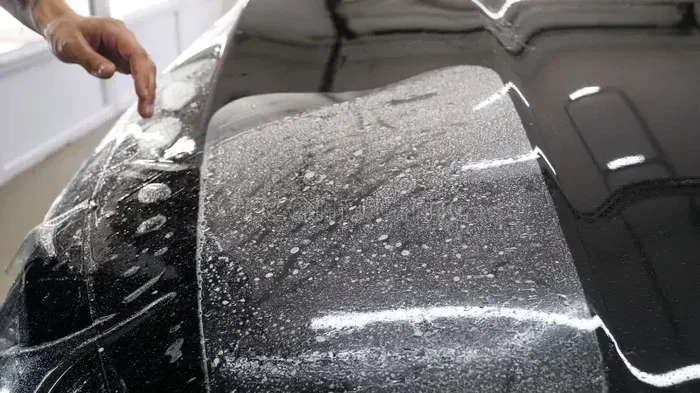
The film also conforms to the curves and contours of your car. Skilled installers use heat and precision cutting to ensure the film wraps smoothly around every panel. This process is called edge wrapping, and it ensures full coverage without visible edges or bubbles.
How Does PPF Protect Your Vehicle?
Car Paint Protection Film PPF protects your car in several powerful ways. It is not just about one type of damage. The film is engineered to handle a wide range of threats that your vehicle faces every day on the road. Understanding how each layer of protection works will help you appreciate why so many drivers invest in this solution.
Scratch Resistance and Self-Healing Properties
One of the most impressive features of modern paint protection film is its self-healing ability. The top clear coat layer is made from a material that can repair minor scratches when exposed to heat. When you wash your car or park it in the sun, the warmth activates the polymer chains. They move and fill in small scratches, making them disappear.
This does not mean the film is indestructible. Deep gouges or cuts that go through multiple layers will not heal. However, everyday swirl marks, light scratches from car washes, and minor abrasions will self-repair. This scratch protection feature keeps your car looking newer for longer without the need for frequent paint correction treatments.
UV Protection and Paint Preservation
The sun is one of the biggest enemies of your car’s paint. Prolonged exposure to ultraviolet rays causes fading, oxidation, and discoloration over time. Car Paint Protection Film PPF includes built-in UV inhibitors that block harmful rays from reaching your clear coat and base paint. This helps maintain the original color and finish of your vehicle.
UV protection is especially important for cars parked outdoors or driven in sunny climates. Without protection, the paint can fade significantly within just a few years. The film acts as a sunscreen for your car, preserving the vibrancy and depth of your paint job. This kind of paint preservation is one of the main reasons owners choose to invest in automotive protection films.
Shield Against Road Debris
Every time you drive, your car is hit by tiny rocks, gravel, sand, and other debris kicked up by tires on the road. Over time, these impacts chip away at your paint and cause unsightly marks known as stone chips. Car Paint Protection Film PPF absorbs the impact of these particles before they can reach your paint surface.
The polyurethane material is tough and absorbent. It takes the beating so your original paint does not have to. This stone chip protection is especially valuable on the front bumper, hood, and rocker panels, which are the most exposed areas. If you frequently drive on highways or gravel roads, this feature alone makes PPF for cars a smart investment.
Benefits of Installing PPF on Your Car
Installing Car Paint Protection Film PPF offers a range of benefits that go beyond just protecting your paint. These advantages add real value to your vehicle both in the short term and over the long haul. Let us break down the most important benefits that car owners experience.
Maintains Resale Value
One of the biggest financial benefits of paint protection film is its impact on resale value. A car with pristine, original paint always fetches a higher price than one with chips, scratches, and faded areas. Buyers look at the exterior condition as a key factor when making a purchase decision.
By keeping your paint in excellent condition, Car Paint Protection Film PPF helps your vehicle hold its value over the years. Whether you plan to sell in two years or five years, the difference in paint condition can translate into thousands of dollars more at resale. This makes paint protection cost a worthwhile investment when you think about the return.
Saves Money on Paint Correction
Over time, every car needs some form of paint correction to restore its appearance. This process involves compounding, polishing, and buffing the paint to remove swirl marks, scratches, and oxidation. Professional paint correction can be expensive, often costing several hundred to over a thousand dollars per session.
With PPF for cars, you significantly reduce the need for these costly treatments. The film takes the abuse, so your paint stays cleaner and healthier for longer. Over the life of the film, you can save a substantial amount of money that would otherwise go toward repeated paint correction and touch-up work.
Enhances Appearance with a High-Gloss Finish
Quality clear protective film actually enhances the look of your car. It adds a layer of depth and clarity to the paint that makes the color pop. Many owners report that their car looks better with PPF than without it. The film creates a smooth, slick surface that reflects light beautifully.
This high-gloss finish effect is one reason why vehicle wrap and PPF enthusiasts love the way their cars look. The paint appears wetter, deeper, and more vibrant. It is like giving your car a permanent show-quality shine without the constant maintenance that usually comes with achieving that look.
Easy to Clean and Maintain
Another practical benefit of Car Paint Protection Film PPF is how easy it is to clean. The smooth surface of the film repels dirt, water, and grime. When you wash your car, contaminants slide right off instead of sticking to the paint. This makes regular washing faster and more effective.
The film also protects against bird droppings, tree sap, and other organic contaminants that can etch into your paint. If these substances land on the film, they sit on the surface and are much easier to remove without damaging the underlying paint. This paint durability benefit is something every car owner appreciates, especially in areas with trees or frequent bird activity.
PPF vs Ceramic Coating: Which Option Wins?
When it comes to protecting your car’s paint, two options dominate the market: Car Paint Protection Film PPF and ceramic coating. Both are excellent, but they work in very different ways. Understanding the differences will help you decide which solution is right for your needs, or whether you should use both.
| Feature | Car Paint Protection Film PPF | Ceramic Coating |
|---|---|---|
| Type of Protection | Physical barrier against impact, scratches, and chips | Chemical barrier against contaminants and UV rays |
| Scratch Protection | Excellent – absorbs impact and self-heals minor scratches | Limited – adds hardness but does not absorb impact |
| UV Protection | Strong – blocks UV rays from reaching the paint | Strong – provides excellent UV resistance |
| Self-Healing | Yes – minor scratches disappear with heat | No – scratches remain until professionally removed |
| Duration | 5 to 10 years | 2 to 5 years |
| Cost Range | Moderate to high depending on coverage | Low to moderate |
| Appearance | Invisible, enhances paint depth | |
| Best For | Physical damage prevention and paint preservation | Chemical protection and easy cleaning |
When to Choose PPF
You should choose Car Paint Protection Film PPF if your primary concern is physical damage. If you drive on highways frequently, park in crowded lots, or live in an area with harsh road conditions, PPF is the best choice. It physically absorbs the impact of rocks, debris, and minor collisions that would otherwise damage your paint. For new car owners who want to keep their vehicle in flawless condition, PPF is unmatched.
Many luxury car owners and enthusiasts also prefer PPF because it preserves the factory paint. Since the film is removable, you can take it off later without affecting the original finish. This makes it ideal for leased vehicles or cars you plan to sell eventually.
When to Choose Ceramic Coating
Ceramic coating is a better choice if your main goal is chemical protection and easy maintenance. The coating creates a hydrophobic surface that repels water, dirt, and contaminants. It also provides excellent shine and makes washing your car much easier. Ceramic coating is generally more affordable than PPF and is a great option for older vehicles where the paint already has minor imperfections.
Some car owners choose to use both. They apply Car Paint Protection Film PPF to the most vulnerable areas like the front bumper, hood, and mirrors, and use ceramic coating on the rest of the vehicle. This combination approach offers comprehensive automotive protection at a reasonable paint protection cost.
How to Choose the Right PPF for Your Vehicle
Not all paint protection film is created equal. There are different types, thicknesses, and quality levels available on the market. Choosing the right PPF for your vehicle depends on several factors, including your budget, driving conditions, and how much coverage you want.
Types of PPF Films Available
There are two main categories of Car Paint Protection Film PPF: standard clear films and colored or matte films. Standard clear films are the most popular choice because they are invisible and work with any car color. They provide the same protection without altering the appearance of your vehicle.
Colored and matte films are a different category. These are often used for aesthetic purposes and are sometimes called vehicle wrap films. They change the color or finish of your car while also providing protection. However, for pure paint protection, clear films are the go-to option for most owners.
Thickness and Durability Considerations
The thickness of PPF is measured in mils, and it typically ranges from 4 mil to 8 mil. Thicker films generally offer better impact resistance and durability. A 6 mil or 8 mil film will provide stronger scratch protection and last longer than a thinner 4 mil option. However, thicker films can also be more expensive and may require more skill to install properly.
When choosing your film, also look for ones with built-in UV inhibitors and self-healing properties. These features ensure your clear protective film performs at its best for many years. Premium brands often offer warranties of 5 to 10 years, which gives you peace of mind about the long-term value of your investment.
PPF Installation and Maintenance Tips
Proper PPF installation is critical to getting the best results from your Car Paint Protection Film PPF. The installation process requires skill, patience, and the right tools. Even a small mistake can lead to bubbles, peeling edges, or misalignment that affects both appearance and protection.
Professional vs DIY Installation
While some car enthusiasts attempt DIY PPF installation, professional installation is highly recommended. Trained installers have the experience to work with curves, edges, and complex panel shapes. They use heat guns to conform the film precisely and ensure a bubble-free finish. Professional edge wrapping is especially important for areas like bumpers and mirrors where the film needs to bend and stretch.
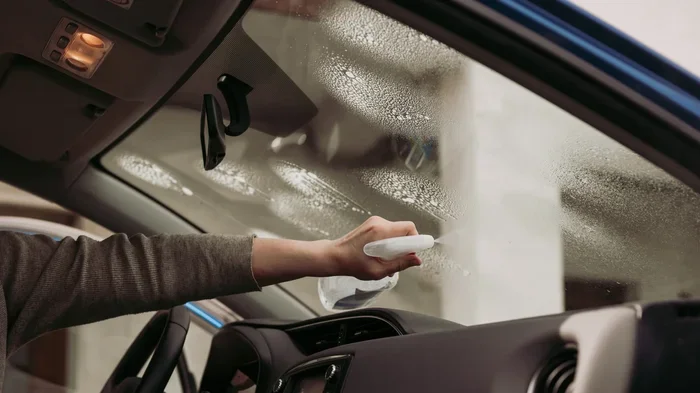
If you do decide to install the film yourself, start with a small, flat area like the hood or fender. Practice the application process before tackling more complex panels. Always work in a dust-free environment and use a quality application solution. Rushing the process or skipping steps can lead to visible imperfections and reduced protection.
How to Care for Your PPF
Taking care of your Car Paint Protection Film PPF is straightforward. Wash your car regularly using a pH-neutral car shampoo and a soft microfiber mitt. Avoid harsh chemicals, abrasive cleaners, and high-pressure washers directly on the film edges. These can degrade the adhesive and cause the film to peel prematurely.
It is also a good idea to avoid automatic car washes with rotating brushes, as they can catch the edges of the film. Hand washing is always the safest method. Every few months, you can apply a PPF-safe sealant or coating to maintain the hydrophobic properties and keep the film looking its best. With proper care, your paint protection film will perform beautifully for many years.
How Long Does Car PPF Last?
The lifespan of Car Paint Protection Film PPF depends on several factors, including the quality of the film, the installation process, and how well you maintain it. In general, high-quality paint protection film lasts between 5 and 10 years. Premium films with advanced self-healing technology and UV inhibitors tend to last closer to the 10-year mark.
Budget films or those installed improperly may only last 3 to 5 years before showing signs of yellowing, peeling, or loss of adhesion. This is why investing in a quality product and professional installation is so important. The upfront paint protection cost is higher, but the longevity and results make it well worth it.
Environmental factors also play a role. Cars parked in direct sunlight year-round or exposed to harsh winters may experience faster wear on the film. Regular maintenance and proper care can significantly extend the life of your automotive protection investment.
Is Car Paint Protection Film PPF Worth the Investment?
The short answer is yes. Car Paint Protection Film PPF is one of the most effective ways to preserve your car’s paint and maintain its appearance over time. The physical protection, self-healing properties, and UV resistance make it a superior choice for anyone who wants to keep their vehicle looking its best. Whether you are buying a new car and want to protect it from day one, or you have an older car that deserves a fresh start, PPF delivers real, measurable results.
When you consider the cost of paint correction, touch-up repairs, and potential resale value loss, the investment in paint protection film pays for itself many times over. It is a proactive approach to car care that saves you time, money, and stress in the long run. If you care about your vehicle, Car Paint Protection Film PPF is a decision you will not regret.
Take the time to research reputable installers, choose a quality film that fits your budget and needs, and enjoy the peace of mind that comes with knowing your car’s paint is protected. The road ahead has plenty of hazards, but with the right PPF for cars, your vehicle is ready to face them all with confidence.
Frequently Asked Questions
How much does Car Paint Protection Film PPF cost?
The paint protection cost varies depending on the type of film, the coverage area, and whether you choose professional installation. A full front-end package typically ranges from $1,500 to $5,000, while a full-vehicle wrap can cost $8,000 or more. Premium films and professional PPF installation will be at the higher end of the range.
Can PPF be removed without damaging the paint?
Yes, Car Paint Protection Film PPF is designed to be removable without affecting your original paint. As long as the film was properly installed and maintained, it can be peeled off cleanly, leaving the factory paint underneath in excellent condition. This makes it a great option for leased vehicles or those planning to sell.
Does PPF yellow over time?
High-quality paint protection film is engineered with UV inhibitors that resist yellowing. However, lower-quality films or films that are not properly maintained may begin to yellow after several years. Choosing a reputable brand and following proper care guidelines will keep your film clear and transparent for its full lifespan.
Can I wash my car after PPF installation?
Yes, you can and should wash your car after PPF installation. It is recommended to wait at least 48 hours before washing to allow the adhesive to fully cure. After that, use a pH-neutral car shampoo, a soft microfiber mitt, and avoid high-pressure sprays near the film edges for the best results.
Does PPF affect the car’s original paint?
No, Car Paint Protection Film PPF does not affect your original paint in any negative way. The film protects the paint from damage and actually helps preserve its original condition. When the film is removed, the paint underneath looks exactly as it did when the film was first applied, assuming no external damage occurred during the coverage period.
Can PPF fix existing scratches on my car?
PPF cannot repair existing scratches in your paint. Its self-healing property only works on minor scratches that occur on the film surface itself. If your car already has paint damage, you should address those issues through paint correction or touch-up work before applying paint protection film for future protection.