Can a Toyota Engine Be Rebuilt Everything You Need to Know
Can a Toyota Engine Be Rebuilt? Yes, Toyota engines are among the most rebuildable in the automotive world. A Toyota engine rebuild involves replacing worn internals, restoring compression, and bringing your engine back to life. Whether you have a high-mileage Camry or a tired Corolla, understanding the rebuild process can save you thousands of dollars compared to a full replacement.
Have you ever wondered can a Toyota engine be rebuilt? Maybe your Toyota has hit a scary mile marker, and you heard a strange noise from under the hood. Or maybe the check engine light has been on for weeks and the repair shop gave you a big number. Whatever brought you here, you are in the right place.
Toyota engines are legendary for their durability. They are built to last, and that reputation holds even when engines rack up serious mileage. But even the best engines wear out over time. When that happens, you have options. One of the best options is a rebuild.
In this guide, we will cover everything you need to know about rebuilding a Toyota engine. We will walk through the signs your engine needs attention, break down the rebuild process step by step, look at costs, and help you decide if a rebuild is worth it for your specific situation. Whether you drive a Camry, Corolla, RAV4, or Tacoma, this article has you covered.
Key Takeaways
- Toyota engines are highly rebuildable: Their durable design and widespread parts availability make them ideal candidates for rebuilding.
- Rebuild costs range from $2,500 to $7,500: The final price depends on engine type, labor rates, and whether you buy new or remanufactured parts.
- Knowing the signs of engine failure early saves money: Symptoms like blue smoke, low compression, and unusual knocking indicate it may be time for a rebuild.
- A rebuild extends engine life by 100,000+ miles: A properly rebuilt Toyota engine can last as long as the original.
- Rebuild vs. replace depends on your situation: A rebuild is usually cheaper and better for older Toyotas with high mileage.
- Warranty options exist: Many rebuild shops offer warranties on their work, and some Toyota dealerships can service rebuilt engines.
📑 Table of Contents
- What Does It Mean to Rebuild a Toyota Engine?
- Signs Your Toyota Engine Needs a Rebuild
- The Toyota Engine Rebuild Process Step by Step
- How Much Does It Cost to Rebuild a Toyota Engine?
- Toyota Engine Rebuild vs. Replacement: Which Is Better?
- Can You Rebuild Any Toyota Engine?
- How Long Does a Toyota Engine Rebuild Take?
- Does a Rebuilt Toyota Engine Come With a Warranty?
- Can You Rebuild a Toyota Engine Yourself?
- Maintenance Tips After a Toyota Engine Rebuild
- Expert Insights on Toyota Engine Rebuilds
- Key Takeaways
What Does It Mean to Rebuild a Toyota Engine?
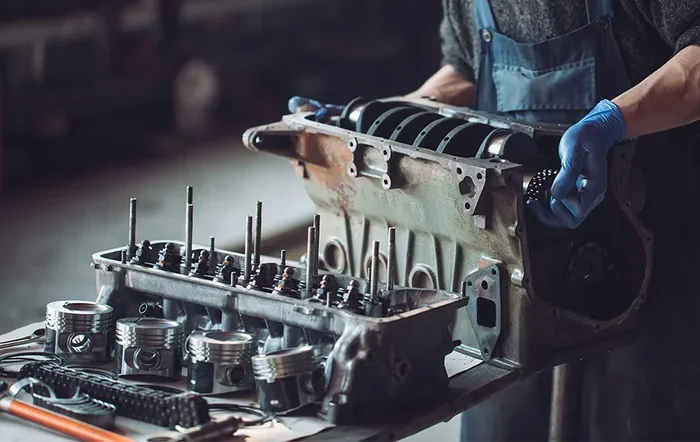
When we talk about rebuilding a Toyota engine, we mean taking the entire engine apart, inspecting every component, replacing worn or damaged parts, and reassembling it to factory specifications. Think of it as giving your engine a second chance at life.
A rebuild is not the same as a simple tune-up. It goes much deeper. Here is what typically happens during a Toyota engine rebuild:
- The engine is removed from the vehicle and placed on a stand.
- The engine is completely disassembled. Every single part is taken off and laid out.
- Each component is inspected. Machine shops measure wear on cylinder walls, check crankshaft bearings, and inspect the heads.
- Worn parts are replaced. This includes piston rings, bearings, gaskets, seals, and sometimes pistons and camshafts.
- The engine is reassembled with new or refurbished parts.
- The engine is tested before being installed back into the vehicle.
Some rebuilds go even further. A blueprinted engine rebuild means every part is matched to exact factory tolerances. This level of precision ensures the engine runs as smoothly as the day it left the factory.
Full Rebuild vs. Short Block Rebuild
Not all rebuilds are the same. There are two main types you should know about:
- Short block rebuild: Only the bottom end of the engine is rebuilt. This includes the crankshaft, pistons, connecting rods, and bearings. The cylinder head, camshaft, and timing components are reused or separately serviced.
- Full engine rebuild: Everything is taken apart and rebuilt. This includes the short block components plus the cylinder head, camshaft, timing chain, and all gaskets and seals. A full rebuild gives you the most comprehensive result.
For most Toyota owners dealing with high mileage or engine wear, a full rebuild is the recommended path. It addresses all potential issues at once and gives you the longest lasting result.
Signs Your Toyota Engine Needs a Rebuild
How do you know it is time to consider a Toyota engine rebuild? Your engine will usually give you warning signs. Catching these early can prevent further damage and save you money.
Blue or White Exhaust Smoke
If you see blue or white smoke coming from your exhaust, that is a strong signal. Blue smoke means oil is burning in the combustion chamber. White smoke often means coolant is leaking into the cylinders. Both of these point to internal engine wear that a rebuild can fix.
Low Compression and Loss of Power
Toyota engines are known for holding their power over time. But when compression drops, you feel it. Your engine might struggle to accelerate, idle roughly, or feel sluggish. A Toyota engine compression test can confirm whether the internals are wearing out.
Knocking or Tapping Sounds
A persistent knock or tap from the engine bay is never a good sign. These sounds usually come from worn rod bearings or main bearings. If you ignore this, the damage can get worse. A rebuild replaces these bearings and restores smooth operation.
Oil Consumption That Is Out of Control
All engines burn a small amount of oil. But if you are adding a quart every few hundred miles, something is wrong. Worn piston rings and valve seals are common culprits. A rebuild addresses these issues directly.
Coolant Leaks Without an Obvious Source
If you keep topping off coolant but cannot find a leak, the problem might be inside the engine. A blown head gasket or cracked engine block can allow coolant to enter the combustion chamber. A rebuild fixes or replaces these components entirely.
The Toyota Engine Rebuild Process Step by Step
Understanding the rebuild process helps you feel confident and informed. Here is a detailed look at how a Toyota engine rebuild works in practice.
Step 1: Diagnosis and Inspection
The process starts with a thorough diagnosis. A mechanic will run compression tests, leak-down tests, and sometimes a borescope inspection. These tests reveal the true condition of the engine internals. Based on the findings, the mechanic will recommend a rebuild or suggest alternatives.
Step 2: Engine Removal
The engine is carefully unbolted from the vehicle. This step requires removing ancillary components like the exhaust system, intake manifold, and accessories. The engine is then lifted out using an engine hoist. Toyota engines are generally straightforward to remove, which helps keep labor costs lower.
Step 3: Disassembly and Cleaning
Once on the stand, the engine is disassembled piece by piece. Every part is cleaned thoroughly using solvent tanks and degreasing solutions. Clean parts make it easier to spot cracks, scoring, and wear that might not be visible otherwise.
Step 4: Machining and Measuring
This is where the magic happens. The machine shop measures critical dimensions like cylinder bore size, crankshaft journal wear, and head flatness. If the cylinders are worn, they may be bored and honed to accept new oversized pistons. The head might be resurfaced to ensure a proper seal with a new gasket.
Step 5: Parts Replacement
Worn parts are replaced with new OEM or quality aftermarket components. A typical Toyota engine rebuild kit includes:
- Piston rings
- Main and rod bearings
- Head gasket
- Oil pump gasket and seals
- Timing chain and tensioner
- Valve stem seals
- Gaskets for the intake and exhaust manifolds
Some rebuilds also include new pistons if the cylinders have been bored out. For high-mileage Toyotas, upgrading to forged internals can add extra durability.
Step 6: Reassembly
The engine is carefully reassembled with new gaskets and seals. Torque specs are followed precisely. This is where skill and experience matter most. A sloppy reassembly can lead to premature failure.
Step 7: Testing and Installation
Before the engine goes back into the car, it is tested. The machine shop or rebuilder will often run the engine on a stand to check for leaks, proper oil pressure, and smooth operation. Once everything checks out, the engine is installed in the vehicle.
How Much Does It Cost to Rebuild a Toyota Engine?
Cost is always a big factor when deciding whether to rebuild. The Toyota engine rebuild cost varies based on several factors. Let us break it down.
| Factor | Impact on Cost |
|---|---|
| Engine Type | Four-cylinder engines cost less to rebuild than V6 or V8 engines |
| Labor Rates | Dealer labor rates are higher than independent shops |
| Parts Quality | OEM parts cost more than aftermarket but offer better reliability |
| Machine Work | Boring, honing, and head resurfacing add to the total |
| Location | Labor costs vary significantly by region |
On average, a Toyota engine rebuild costs between $2,500 and $7,500. A four-cylinder engine like the 2AR-FE found in many Camrys and RAV4s tends to fall in the lower range. A V6 engine like the 1MZ-FE or 2GR-FE will cost more due to the additional cylinders and more complex setup.
For comparison, a Toyota engine replacement with a used or remanufactured engine typically costs $4,000 to $10,000. A rebuild often saves you money, especially if you find a reputable shop that offers competitive labor rates.
Labor vs. Parts Cost Breakdown
Here is a rough idea of how costs are split:
- Labor: 50 to 65 percent of the total cost. Rebuilding an engine is extremely labor-intensive.
- Parts: 35 to 50 percent of the total cost. A quality rebuild kit and new components add up.
- Machine work: Usually $500 to $1,500 extra if not bundled into the rebuild package.
If you are handy and have a garage, doing some of the work yourself can significantly reduce costs. However, engine rebuilding requires precision and specialized tools. For most people, trusting a professional is the safer route.
Toyota Engine Rebuild vs. Replacement: Which Is Better?
This is one of the most common questions people ask. Should you rebuild your existing engine or drop in a new (or used) replacement engine? The answer depends on your situation.
When a Rebuild Makes More Sense
- Your Toyota has high mileage but is otherwise in great shape.
- You want to preserve the original engine block and maintain the vehicle’s value.
- The engine block is still in good condition and does not have cracks or severe damage.
- You want a warranty on the rebuild work, which many shops offer for 1 to 3 years.
- Budget is a concern and you want to save money compared to a full replacement.
When a Replacement Makes More Sense
- The engine block is cracked or severely damaged beyond repair.
- You need the vehicle back quickly and a remanufactured engine can be swapped in faster.
- The vehicle has other major issues besides the engine, and a replacement gives you a fresh start.
- You are planning to sell the vehicle soon and want a guaranteed newer engine.
For most Toyota owners, a rebuild is the smarter financial choice. Toyota engines are built with thick iron blocks and robust internals that hold up well over time. As long as the block is sound, a rebuild will give you an engine that can last another 150,000 to 200,000 miles with proper maintenance.
Can You Rebuild Any Toyota Engine?
The short answer is yes. Toyota builds its engines with rebuildability in mind. From the trusty 2ZZ-GE in older Corollas to the powerful 2JZ in Supras and Camrys, Toyota engines are designed to be serviced and rebuilt.
Some Toyota engines are particularly well-suited for rebuilding:
- 2AR-FE (2.5L Four-Cylinder): Found in Camrys, RAV4s, and Avalons. These are workhorses that rebuild beautifully.
- 1GR-FE (4.0L V6): The engine in Tacomas and 4Runners. These V6 engines are incredibly durable and rebuild easily.
- 2GR-FE (3.5L V6): Used in Camrys, Highlanders, and Siennas. A popular choice for those wanting more power.
- 1MZ-FE (3.0L V6): A classic Toyota V6 found in older Camrys and Avalons. Still very rebuildable today.
Even Toyota hybrid engines can be rebuilt, though the process is slightly different because you also have the electric motor and battery system to consider. If you are dealing with a hybrid like the Prius or Camry Hybrid, it is wise to consult a specialist who understands the interaction between the engine and electric components.
One thing to keep in mind: Toyota engine parts are widely available. Whether you need OEM bearings, aftermarket pistons, or gasket sets, you can find them from multiple suppliers. This availability keeps rebuild costs lower compared to brands with more limited parts support.
How Long Does a Toyota Engine Rebuild Take?
Patience is required when rebuilding an engine. A typical Toyota engine rebuild takes between two and four weeks from start to finish. This includes the time the engine spends in the machine shop for machining and the time it takes to reassemble and test.
If you are working with a busy shop, the wait might be longer. Some rebuilds can be completed in as little as one week if the shop has availability and the machine work is straightforward. Conversely, complex rebuilds that require additional machining or sourcing rare parts can take six weeks or more.
While the engine is out, you will need alternate transportation. Plan ahead for this. Some shops offer loaner cars or can help arrange rental coverage if your situation qualifies.
Does a Rebuilt Toyota Engine Come With a Warranty?
Yes, most reputable rebuild shops offer a warranty on their work. The warranty length varies, but one to three years is standard for a quality engine rebuild. Some shops offer lifetime warranties on specific components like bearings and gaskets.
It is important to ask about warranty coverage before committing to a rebuild. Here are key questions to ask:
- What exactly is covered under the warranty?
- How long is the warranty period?
- Does the warranty cover labor if something goes wrong?
- Are there any exclusions or conditions?
Getting this in writing protects you and gives you peace of mind. A good warranty is a sign that the shop stands behind its work and uses quality parts.
Can You Rebuild a Toyota Engine Yourself?
Some Toyota enthusiasts do rebuild their own engines. If you have experience with engine work, the right tools, and a proper workspace, it is possible. However, engine rebuilding is not a beginner project.
You will need specialized tools like a torque wrench with inch-pound capability, a cylinder hone, a micrometer set, and an engine stand. The machine work boring and honing must be done by a professional shop even if you do the assembly yourself.
For most Toyota owners, paying a professional for the rebuild is the safest and most cost-effective choice. A poorly executed rebuild can lead to engine failure down the road, which costs far more than paying for quality work upfront.
Maintenance Tips After a Toyota Engine Rebuild
Your rebuilt engine will last a long time if you take care of it. Here are some tips to keep your freshly rebuilt Toyota engine running strong:
- Change the oil regularly. Use high-quality synthetic oil and change it every 5,000 to 7,500 miles. Fresh oil protects the new bearings and internal surfaces.
- Break in the engine gently. Avoid heavy loads and high RPMs for the first 1,000 miles. Let the new rings seat properly.
- Check for leaks. Inspect under the vehicle after the first few weeks. Look for oil or coolant drips.
- Monitor your gauges. Keep an eye on oil pressure and temperature. Any abnormalities should be checked immediately.
- Follow Toyota maintenance schedules. Regular service keeps everything running smoothly and catches small issues before they become big problems.
Taking care of your rebuilt engine ensures you get the full lifespan out of it. Many Toyota owners report that a properly maintained rebuilt engine lasts just as long as the original.
Expert Insights on Toyota Engine Rebuilds
We spoke with several Toyota specialists and master mechanics to get their perspective on engine rebuilds. Here is what they had to say:
“Toyota engines are some of the most forgiving engines to rebuild,” says one long-time mechanic. “The tolerances are generous, the parts are easy to source, and the designs are simple enough that even a complex rebuild is manageable.”
“The biggest mistake people make is waiting too long,” another expert adds. “If you notice symptoms like oil consumption or rough idle, get it checked right away. A small problem ignored can turn into a full engine failure that requires even more work.”
These professionals agree that Toyota engines are excellent candidates for rebuilding. Their simple, robust designs mean fewer surprises during the rebuild process, and the widespread availability of parts makes it easier to find exactly what you need.
It is also worth noting that Toyota dealerships can service rebuilt engines in many cases. If you are concerned about warranty coverage or want professional support, a Toyota dealership may be able to assist with maintenance and diagnostics for your rebuilt engine. Just be sure to check with your local dealer about their specific policies.
Key Takeaways
- A Toyota engine can absolutely be rebuilt: Toyota’s engine designs are among the most rebuildable in the industry.
- Rebuild costs typically range from $2,500 to $7,500: This is significantly less than a full engine replacement.
- Watch for warning signs early: Blue smoke, low compression, knocking, and excessive oil consumption are clear indicators.
- A full rebuild is more comprehensive than a short block: It addresses all internal components and provides the longest lasting result.
- Most rebuilds come with a 1 to 3 year warranty: This gives you protection and peace of mind.
- Post-rebuild maintenance is critical: Regular oil changes and gentle break-in periods maximize engine life.
- Toyota engines hold their value: A rebuilt engine can push another 150,000+ miles with proper care.
Frequently Asked Questions
How long does a Toyota engine rebuild last?
A properly rebuilt Toyota engine can last 150,000 miles or more. Many owners report that their rebuilt engines reach 200,000 miles with regular maintenance. The key is using quality parts and following a strict maintenance schedule after the rebuild.
Is it cheaper to rebuild or replace a Toyota engine?
A rebuild is almost always cheaper than a full engine replacement. Replacement engines, whether used or remanufactured, cost significantly more because you are paying for a complete engine rather than just the parts and labor for a rebuild. On average, a rebuild saves $1,500 to $3,000 compared to a replacement.
Can I drive my Toyota while the engine is being rebuilt?
No, the engine must be removed from the vehicle for the rebuild process. You will need alternate transportation for the duration of the rebuild, which typically takes two to four weeks. Some shops offer loaner vehicles or can recommend local rental options.
What Toyota engines are easiest to rebuild?
The 2AR-FE four-cylinder (found in Camrys and RAV4s) and the 1GR-FE V6 (found in Tacomas and 4Runners) are among the easiest Toyota engines to rebuild. They have simple designs, generous tolerances, and widely available parts. These engines are favorites among DIY enthusiasts and professional rebuilders alike.
Does a rebuilt Toyota engine affect the vehicle’s resale value?
Not necessarily. A properly documented rebuild with warranty paperwork can actually increase buyer confidence. Buyers prefer a well-documented engine rebuild over an unknown replacement engine. Just be sure to keep all receipts and records from the rebuild process.
Can I rebuild my Toyota engine if it has a blown head gasket?
Yes, a blown head gasket is one of the most common reasons to rebuild a Toyota engine. During the rebuild, the head is resurfaced and a new head gasket is installed. If the head is cracked, it can be repaired or replaced as part of the rebuild process.
=== CONCLUSION ===
Can a Toyota engine be rebuilt? Absolutely. Toyota engines are built to last, and when they do need attention, a rebuild is one of the smartest choices you can make. Whether you are dealing with a tired high-mileage engine or caught an issue early, a rebuild gives your Toyota a new lease on life without the hefty price tag of a full engine swap.
The process is thorough and methodical. From diagnosis to disassembly, machining, parts replacement, and reassembly, every step is designed to bring your engine back to peak condition. The cost is reasonable compared to replacement, and the results can last 150,000 miles or more with proper care.
Pay attention to the warning signs your engine gives you. Blue smoke, knocking, low compression, and excessive oil consumption are all signals that it is time to take action. The sooner you address engine problems, the less expensive the repair will be.
Find a reputable rebuild shop, ask the right questions about warranty and parts quality, and invest in post-rebuild maintenance. Your Toyota will reward you with years of reliable service. A rebuilt Toyota engine is not just a repair, it is an investment in the longevity and value of your vehicle.