What Is the Biggest Downside to Leasing a Car Today
The biggest downside to leasing a car is that you never actually own the vehicle, meaning you pay monthly lease payments indefinitely without building equity. Car lease contracts also come with strict mileage limits, heavy fees for early termination, and costs for excess wear and tear that can surprise many drivers. Understanding these drawbacks helps you decide whether a vehicle lease truly saves you money compared to buying.
This is a comprehensive guide about What Is the Biggest Downside to Leasing a Car.
Key Takeaways
- No Ownership Equity: You make payments every month but never own the car, unlike a traditional car loan.
- Strict Mileage Caps: Most leases limit you to 10,000–15,000 miles per year, and going over costs a lot per mile.
- Expensive Early Termination: Breaking a lease early can cost thousands of dollars in penalties and fees.
- Wear and Tear Charges: You pay for any damage beyond normal use when you return the vehicle at lease end.
- Ongoing Costs Forever: Leasing means you will always have a car payment, with no payoff date in sight.
- Lower Upfront Cost: Despite the downsides, leases do require smaller down payments and lower monthly amounts.
[FEATURED_IMAGE_PLACEHOLDER]
What Is the Biggest Downside to Leasing a Car Today?
Leasing a car sounds great on paper. You drive a shiny new vehicle every few years. Your monthly payment is often lower than a loan payment. And you never deal with selling a used car. But there is a catch that many people overlook. The biggest downside to leasing a car is simple: you never own it.
Every month you make a lease payment, you are renting someone else’s asset. You build zero equity. At the end of the lease term, you hand the keys back and start over. If you compare this to a car loan, the difference is clear. With a loan, you eventually own the vehicle outright. With a lease, you are always paying for something you do not possess.
This matters more than most people realize. Over a 10-year period, a person who leases continuously could spend tens of thousands of dollars and still own nothing. Someone who buys a car and keeps it for the same period ends up with a paid-off vehicle and cash in their pocket. That gap in long-term value is the single biggest reason leasing does not work for many drivers.
Why Leasing Has Grown in Popularity
Before we dig deeper into the downsides, it helps to understand why leasing is so popular. Automakers and dealerships push leasing hard. The monthly payments look attractive. The ads show happy drivers in new SUVs every two or three years. And for many people, the idea of always driving a latest-model car is appealing.
Leasing also makes sense for some situations. Business owners can write off lease payments. People who love new technology and safety features enjoy upgrading often. And those who want a lower monthly bill without a large down payment find leasing attractive at first glance. But the surface-level benefits hide some real financial risks.
The Core Problem: No Equity and Never Owning the Vehicle
This is the heart of the biggest downside to leasing a car. When you take out a car loan and make all your payments, the vehicle becomes yours. You can drive it for years with no payment at all. You can sell it or trade it in. The money you spent goes toward something you own.
With a lease, none of that happens. You are essentially renting the car for a set period, usually two to four years. At lease end, you return it. The dealership sells it to the next person. You start a new lease or go buy a car with nothing to show for the payments you made.
Lease Payments vs. Loan Payments Over Time
Let us look at a real-world example to understand the gap. Say you lease a car for $350 per month over three years. That is $12,600 total. You return the car and lease again. Over 10 years, you could lease three or four vehicles and spend around $42,000 to $56,000 in lease payments alone.
Now compare that to buying. You take a car loan for $350 per month over five years. That is $21,000 total. After five years, the car is paid off. You drive it for another five years with zero payments. Over 10 years, you might spend $42,000 total but own two paid-off vehicles.
The difference is massive. Leasing locks you into a cycle of payments. Buying gives you freedom and equity. This is why financial experts often say leasing is the most expensive way to operate a vehicle long-term.
What Happens at Lease End
When your lease term ends, you face a few choices. You can return the car and walk away. You can buy the car at a pre-set residual price. Or you can start a new lease. None of these options give you the same benefit as owning a car outright.
Returning the car means you have nothing to show for years of payments. Buying the car at lease end sometimes costs nearly as much as the car is worth on the used market. And starting a new lease means more monthly payments with no end in sight.
Mileage Limits: A Hidden Cost That Adds Up Fast
One of the most frustrating downsides of a vehicle lease is the mileage cap. Almost every lease agreement limits you to between 10,000 and 15,000 miles per year. If you go over that limit, you pay a fee. These fees typically range from $0.15 to $0.35 per extra mile.
That might sound small, but it adds up quickly. Let us say you drive 18,000 miles in a year on a lease with a 12,000-mile cap. You are 6,000 miles over. At $0.25 per mile, that is $1,500 in extra charges just for driving your daily commute.
Who Gets Hit Hardest by Mileage Fees
Certain drivers feel the mileage penalty more than others. If you have a long commute, you will likely exceed the cap. People who live in rural areas and drive long distances face the same problem. Road trip enthusiasts also get hit hard because leisure driving adds up fast.
Even if you think you stay under the limit, it is easy to miscalculate. Running errands, driving to the gym, and weekend trips all add miles. By the end of the lease, you might find yourself owing hundreds or even thousands of dollars in overage fees.
How to Avoid Mileage Penalties
You have a few options if you want to lease but worry about mileage. First, choose a higher mileage cap upfront. Most leases let you select 15,000 or even 20,000 miles per year. The monthly payment will be slightly higher, but it beats paying overage fees.
Second, track your mileage regularly. Check your odometer every month. If you are approaching the limit, adjust your driving habits or plan for the cost. Third, consider buying a car instead if you drive a lot. A car loan has no mileage restrictions, and you own the vehicle at the end.
Early Termination Fees: Breaking a Lease Is Expensive
Life changes fast. You might lose your job, move to a new city, or simply decide the car is not right for you. Whatever the reason, ending a lease early comes with steep penalties. This is one of the biggest downsides that people do not fully understand before signing.
Most lease agreements charge a fee if you terminate early. The amount varies, but it often equals the remaining lease payments plus additional penalties. In some cases, you could owe thousands of dollars just to get out of the contract. The dealership or leasing company does not care about your personal circumstances.
What the Lease Agreement Says
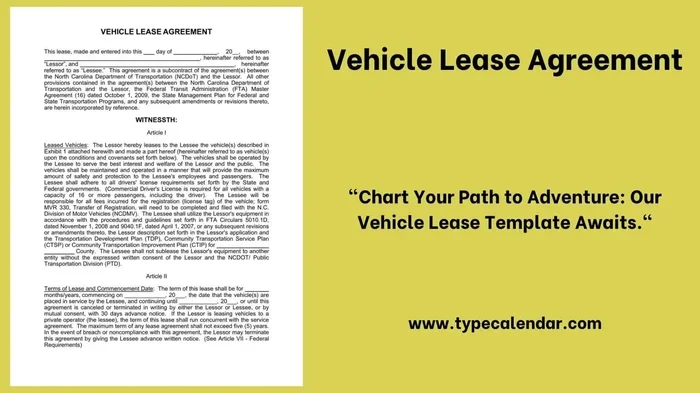
When you sign a lease, the early termination clause is buried in the fine print. Most people skip reading it. But this section outlines exactly what happens if you want out before the term ends. It usually includes a flat fee plus the remaining balance.
Some leases also charge a disposition fee at the end, which adds to the cost of returning the vehicle. Between early termination fees, disposition fees, and excess wear charges, the total cost of breaking or ending a lease can be surprisingly high.
Is There a Way Out Without Paying a Fortune?
Yes, but your options are limited. Some leasing companies allow lease transfers. This means you find someone else to take over your lease payments. The new person takes over the remaining term and payments. This can save you from early termination fees, but you need the leasing company’s approval.
Another option is to buy the car at lease end and then sell it privately. If the car is worth more than the residual value, you can pocket the difference. But this requires research and effort, and it does not always work out financially.
Excess Wear and Tear: You Pay for Normal Use
When you lease a car, you must return it in good condition. The lease agreement defines what “good condition” means. If the car shows more damage than allowed, you pay for repairs. This is called excess wear and tear, and it catches many lessees off guard.
Small dents, scratches, worn tires, and faded paint all count. Even a slightly damaged seat or a cracked dashboard can trigger a charge. The leasing company sends the car to their preferred repair shop, and the bill goes to you. These charges can range from a few hundred to several thousand dollars.
What Counts as Excess Wear?
Every lease company has different standards. But common items that count as excess wear include:
- Scratches deeper beyond the clear coat
- Dents or body damage
- Torn or stained upholstery
- Broken or missing parts
- Wheels and rims with curb damage
- Windshield cracks or chips
- Excessive tire wear
The key word is “excess.” Normal wear from everyday driving is usually fine. But it is often hard to tell where normal ends and excess begins. When you return the car, the inspector decides. And their decision is final.
How to Protect Yourself
The best way to avoid wear and tear charges is to maintain the car carefully. Get regular oil changes and detailing. Fix small issues before they become big problems. Use a quality car cover if you park outside. And consider purchasing gap insurance, which can help cover the difference between what you owe and what the car is worth.
You should also document the car’s condition at the start and end of the lease. Take photos and keep records. If the leasing company tries to charge you for pre-existing damage, you have proof to dispute the claim.
Lease vs Buy: A Side-by-Side Comparison
To truly understand the biggest downside to leasing a car, it helps to compare leasing with buying directly. Both options have pros and cons, but the long-term financial picture tells a clear story.
| Factor | Leasing | Buying |
|---|---|---|
| Monthly Payment | Lower | Higher |
| Ownership | None | Full ownership |
| Mileage Limits | Yes, strict caps | No limits |
| Upfront Cost | Lower down payment | Higher down payment |
| Long-Term Cost | Higher over time | Lower over time |
| Customization | Not allowed | Fully allowed |
| End of Term | Return or buy at preset price | Own the vehicle |
| Repair Costs | Covered under warranty | Owner’s responsibility |
| Equity Built | Zero | Full equity |
As you can see, leasing wins on short-term monthly costs. But buying wins on long-term value and ownership. The biggest downside to leasing a car becomes even clearer when you look at the big picture over many years.
Who Should Lease and Who Should Buy
Leasing makes sense for people who want a new car every few years and drive within mileage limits. It also works well for those who can write off lease payments for business purposes. If you enjoy the latest safety tech and features, leasing lets you upgrade regularly.
Buying is better for people who want long-term value, drive a lot of miles, or prefer the freedom to customize and keep their car as long as they want. If building equity matters to you, buying is the clear winner.
Common Mistakes People Make When Leasing a Car
Many leasing mistakes come from not understanding the contract. Here are the most common errors that cost people money:
Not Reading the Lease Agreement
The lease agreement is a long document. Most people skim it or skip it entirely. But the details about mileage caps, wear and tear standards, and early termination fees are all inside. Reading the agreement before signing can save you hundreds or thousands of dollars.
Underestimating Mileage Needs
People often choose a low mileage cap to keep the monthly payment low. But if they end up going over, the penalties are painful. Always estimate your annual mileage honestly and choose a cap that matches your real driving habits.
Skipping Gap Insurance
Gap insurance covers the difference between what you owe on the lease and what the car is actually worth. If the car gets totaled or stolen, your regular insurance only pays the car’s market value. Gap insurance fills the gap. Without it, you could owe thousands on a car you no longer have.
Ignoring Maintenance Requirements
Lease agreements require you to follow the manufacturer’s maintenance schedule. Skipping oil changes or tire rotations might save money short-term, but the leasing company can charge you for neglect at lease end. Keep up with all recommended service.
Expert Insights on Leasing
Financial advisors often warn against leasing as a long-term strategy. The main reason is simple: leasing is a payment with no endpoint. Every dollar you spend on lease payments goes to the leasing company, not toward building wealth.
That said, leasing is not all bad. For the right person with the right driving habits, it can be a convenient and affordable way to drive a new car. The key is understanding the trade-offs and making an informed decision based on your financial goals, not just the monthly payment number.
Before you sign any lease agreement, ask yourself this question: do I want to own a car, or do I just want to drive one? Your answer will guide you toward the right choice.
Key Takeaways
- No Ownership Equity: You make payments every month but never own the car, unlike a traditional car loan.
- Strict Mileage Caps: Most leases limit you to 10,000–15,000 miles per year, and going over costs a lot per mile.
- Expensive Early Termination: Breaking a lease early can cost thousands of dollars in penalties and fees.
- Wear and Tear Charges: You pay for any damage beyond normal use when you return the vehicle at lease end.
- Ongoing Costs Forever: Leasing means you will always have a car payment, with no payoff date in sight.
- Lower Upfront Cost: Despite the downsides, leases do require smaller down payments and lower monthly amounts.
Frequently Asked Questions
Is leasing ever worth it despite the downsides?
Yes, leasing can be worth it if you prefer driving new cars every few years, stay within mileage limits, and treat the lease as a short-term convenience rather than a long-term financial strategy. It works best for people who value lower monthly payments and the latest features over ownership equity.
Can I negotiate the terms of a car lease?
Absolutely. Many people do not realize that lease terms are negotiable, just like a car purchase. You can negotiate the capitalized cost, the money factor (which acts like an interest rate), and the residual value. Always negotiate before signing the lease agreement to get the best possible terms.
What happens if I return a leased car with too much damage?
The leasing company will charge you for excess wear and tear. They will assess the vehicle at lease end and itemize any damage beyond normal use. You can dispute charges you believe are unfair, but it is best to maintain the car well throughout the lease and document its condition from the start.
Does leasing a car affect my credit score?
Yes, leasing affects your credit just like a car loan does. Making on-time lease payments helps build your credit history. Missing payments or defaulting on the lease can hurt your score significantly. A lease is a financial obligation that shows up on your credit report.
What is the difference between a lease and a car loan?
A lease is a rental agreement where you pay to use the car for a set period and return it. A car loan is a borrowing agreement where you pay off the vehicle over time and own it at the end. The biggest difference is that a loan builds equity, while a lease does not.
Can I buy the car at the end of my lease?
Yes, most lease agreements include a buyout option. The leasing company sets a residual price in the contract, which is the amount you pay to purchase the vehicle at lease end. You can also negotiate the price, though it may be higher or lower than the residual value depending on the car’s market value.
Conclusion
The biggest downside to leasing a car comes down to one simple truth: you pay for something you never own. The monthly payments, the mileage restrictions, the early termination penalties, and the wear and tear charges all add up to a financial arrangement that benefits the leasing company more than the driver in the long run.
That does not mean leasing is always a bad choice. For the right person with the right circumstances, a vehicle lease can be a smart and convenient option. But you must go into it with your eyes wide open. Understand the lease terms, track your mileage, maintain the car properly, and never forget that every payment you make on a lease is money you will never get back.
Before you sign on the dotted line, weigh the pros and costs carefully. Compare leasing with buying. Calculate the total cost over five or ten years. And ask yourself whether the freedom of owning a car outright is worth more than the short-term convenience of a lower monthly payment. When you make that decision with clear eyes, you will choose the option that truly fits your financial life.
Frequently Asked Questions
What is What Is the Biggest Downside to Leasing a Car?
What Is the Biggest Downside to Leasing a Car is an important topic with many practical applications.