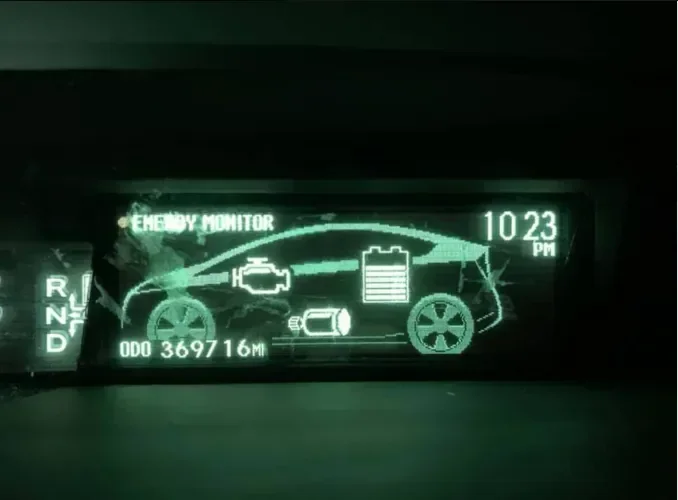
Can a Toyota Prius Last 300K Miles Without Breaking the Bank
A Toyota Prius can absolutely last 300K miles with proper care, and many owners have proven it. The hybrid powertrain is built for durability, and maintenance costs stay low compared to gas-only cars. With smart ownership habits, reaching the 300K mark is very achievable without breaking the bank.
Can a Toyota Prius really last 300K miles? The short answer is yes. The longer answer is that thousands of Prius owners have already done it, and the numbers back it up. When you combine a robust hybrid powertrain with low annual mileage and solid maintenance habits, the Toyota Prius becomes one of the most durable vehicles on the road today.
Many people assume that owning a car for 300,000 miles means spending a fortune on repairs. That might be true for some vehicles, but the Prius was designed differently. Its electric motor reduces strain on the gasoline engine, and the regenerative braking system cuts down on brake wear. These features work together to extend the life of nearly every major component. So if you are wondering whether Toyota Prius reliability holds up over the long haul, the evidence says it absolutely does.
The question of how many miles can a hybrid car go comes up often, and the Prius is the best example of a hybrid that was built to endure. Whether you are considering buying a used Prius with high mileage or planning to keep your current one for decades, this guide covers everything you need to know about pushing a Prius to 300K miles and beyond.
Key Takeaways
- Proven Longevity: Many Toyota Prius models have crossed the 300K-mile mark with routine maintenance and no major issues.
- Low Cost of Ownership: Hybrid systems reduce wear on brakes and engines, keeping repair bills surprisingly low over time.
- Battery Life Is Manageable: Hybrid batteries often last 150K to 200K miles, and replacement costs have dropped significantly.
- Maintenance Is Simple: Following a basic service schedule and using quality parts keeps your Prius running strong for years.
- Resale Value Holds Well: A well-maintained Prius with 200K+ miles still commands solid resale value in the used car market.
- Common Problems Are Fixable: Most issues found in high-mileage Priuses are minor and inexpensive to address.
- Fuel Savings Add Up: The Prius fuel economy means you save thousands of dollars in gas over 300K miles compared to a standard sedan.
📑 Table of Contents
Understanding the Toyota Prius Powertrain
How the Hybrid System Works
The Toyota Prius uses a combination of a gasoline engine and an electric motor to power the car. This setup is called a hybrid powertrain, and it is the secret behind the vehicle’s long life. The electric motor handles low-speed driving, which means the gas engine does not have to work as hard during city commutes. Less strain means fewer repairs over time.
When you accelerate harder, the gas engine kicks in to provide extra power. The system switches between the two seamlessly, so you barely notice it. This constant balancing act actually reduces overall wear because neither the engine nor the motor is always working at full capacity. The result is a drivetrain that simply lasts longer than a traditional combustion-only setup.
The Role of Regenerative Braking
One of the biggest contributors to Prius longevity is regenerative braking. In a normal car, your brake pads and rotors wear down every time you slow down. In a Prius, the electric motor acts as a generator during braking. It captures energy that would normally be lost as heat and sends it back to the battery. This means your actual brake components last much longer.
Many Prius owners report that their original brake pads last well over 100,000 miles. That is a huge savings compared to a conventional car where brake jobs might be needed every 30,000 to 40,000 miles. Over a 300K-mile lifespan, that difference adds up to thousands of dollars saved.
Common Myths About High-Mileage Priuses
There are a lot of misconceptions when it comes to high mileage Prius ownership. Let us clear up some of the most common ones so you can make an informed decision.
Myth 1: Hybrid Batteries Always Fail Before 200K Miles
This is probably the biggest myth surrounding Prius ownership. The truth is that Toyota hybrid batteries are designed to last well beyond 200,000 miles. Many owners have driven their Priuses past 300K miles without ever replacing the original battery pack. When battery failure does occur, it typically happens after 150K to 200K miles, and replacement costs have dropped to a more manageable range.
If you are worried about hybrid battery replacement cost, consider this: a new battery pack today costs significantly less than it did even five years ago. Plus, refurbished and rebuilt options are widely available, which can cut the cost even further.
Myth 2: High Mileage Means Constant Repairs
Another myth is that once a Prius hits a certain mileage, it starts needing constant repairs. In reality, the Prius is known for being one of the most reliable Toyota models ever made. The cars that do need frequent repairs are usually those that were neglected. A well-maintained Prius with 250K miles can run just as smoothly as one with 50K miles.
It is also worth noting that is a car with 250K miles bad is a common search, and the answer for a Prius is generally no. The vehicle’s design and component durability make it an exception to the rule that high mileage equals high problems.
Maintenance Schedule for a 300K-Mile Prius
Following the right maintenance schedule is the single most important factor in reaching 300K miles without major issues. Toyota designed the Prius with a straightforward service plan that keeps things simple and affordable.
Routine Maintenance Tasks
Here are the key maintenance tasks you should stay on top of:
- Oil Changes: Change your engine oil every 5,000 to 10,000 miles using quality synthetic oil. The Prius engine runs cleaner than a standard gas engine, but regular oil changes still matter.
- Coolant Flushes: The hybrid system generates its own heat, so keeping the coolant fresh prevents overheating and corrosion. Flush it every 50,000 miles.
- Brake Fluid: Replace brake fluid every 30,000 to 40,000 miles to keep the braking system responsive and safe.
- Transmission Fluid: The Prius uses a planetary transmission that needs fluid changes around every 60,000 miles. This is often overlooked but critical for longevity.
- Battery Inspection: Have your hybrid battery checked during every service visit. Catching a weak cell early can prevent bigger problems down the road.
What to Budget for Over 300K Miles
One of the biggest advantages of the Prius is the low cost of ownership. Here is a rough breakdown of what you might spend on maintenance over 300,000 miles:
| Service Item | Estimated Cost Over 300K Miles |
|---|---|
| Oil Changes | $1,500 – $2,500 |
| Brake Jobs (Pads and Rotors) | $600 – $1,200 |
| Hybrid Battery Replacement | $2,000 – $4,000 (if needed) |
| Transmission Service | $600 – $1,200 |
| Tires (3 Sets) | $2,400 – $3,600 |
| General Repairs and Miscellaneous | $1,500 – $3,000 |
| Total Estimated Maintenance | $8,600 – $15,500 |
Compare that to the cost of owning a gas-only sedan for 300K miles, and the Prius comes out ahead. The fuel savings alone can offset a significant portion of these maintenance costs. Over 300,000 miles, a Prius owner might save $5,000 to $10,000 in fuel compared to a similar-sized gas car.
Common Problems in High-Mileage Priuses
No car is perfect, and even the most reliable Toyota Prius will develop some issues as the mileage climbs. Knowing what to watch for helps you address problems before they become expensive.
1. Hybrid Battery Degradation
The most common issue in high-mileage Priuses is gradual battery degradation. You might notice a slight decrease in fuel economy or the battery state-of-charge dropping more often. This is normal and usually not a sign of immediate failure. Keeping the battery healthy through proper charging habits can slow this process significantly.
If you ever need to deal with battery issues, you should know that can you drive a Prius with a dead hybrid battery is a question many owners ask. The answer is that the car will typically still run on the gasoline engine alone, though performance and fuel economy will suffer. It is not ideal for long-term driving, but it gives you time to plan a repair.
2. 12-Volt Auxiliary Battery
The small 12-volt battery in a Prius sometimes gets overlooked, but it can cause problems when it dies. Symptoms include warning lights on the dashboard and the car refusing to start. Replacing this battery is inexpensive and easy, but neglecting it can leave you stranded. Check it every two years, especially in cold climates.
3. Brake Wear Sensors and Calipers
Because regenerative braking handles so much of the stopping power, the traditional brake components last longer. However, the brake wear sensors can sometimes fail prematurely, triggering false warnings. This is a minor and cheap fix, but it can be annoying if you do not know what is happening.
4. Power Control Unit Issues
Some older Prius models have experienced issues with the power control unit, which manages the flow of electricity between the battery and the motor. Symptoms include reduced power or the car going into a limited “limp mode.” This repair can be costly, but it is not common before the 200K-mile mark.
Tips for Maximizing Your Prius Lifespan
Want to make sure your Prius hits 300K miles and keeps running strong? Follow these practical tips that real-world Prius owners swear by.
Keep Up With Regular Service
The most important tip is simple: do not skip your scheduled maintenance. Even though the Prius is a low-maintenance vehicle, staying on top of oil changes, fluid flushes, and inspections prevents small problems from becoming big ones. Think of it as an investment that pays off in miles.
Drive Gently
Hard acceleration and aggressive driving wear out any car faster. The Prius is designed for efficient, smooth driving. When you treat it gently, the components last longer. This is especially true for the electric motor and the hybrid battery, which prefer steady, moderate driving patterns.
Keep the Car Clean and Protected
This might sound unrelated, but keeping your Prius clean and protected from the elements does more than preserve its looks. Regular washing prevents rust, and parking in a garage reduces exposure to extreme temperatures that can degrade the hybrid battery faster. A well-kept exterior also makes it easier to spot leaks or damage early.
Use Quality Parts
When it is time for repairs or replacements, choose quality parts over the cheapest option. OEM Toyota parts and reputable aftermarket brands last longer and perform better. Saving $20 on a part today could cost you $200 in labor and frustration later if that part fails prematurely.
Monitor Your Fluids
The hybrid system relies on several fluids, including coolant, brake fluid, and transmission fluid. Check them regularly and top them off as needed. Low fluid levels can cause overheating or increased wear on components that are expensive to replace.
Address Issues Promptly
If you notice a warning light, an unusual sound, or a drop in fuel economy, get it checked out right away. Ignoring small problems is the fastest way to turn a $100 repair into a $1,000 one. This is especially true for hybrid systems, where a small electrical issue can cascade into bigger problems if left unchecked.
Is a High-Mileage Prius Worth Buying Used?
If you are in the market for a used Prius with high mileage, you might be wondering whether it is a smart buy. The answer depends on the vehicle’s history and condition, but in general, a well-documented Prius with 200K or more miles can be an excellent value.
Start by getting a full vehicle history report. Look for records of regular oil changes, battery maintenance, and any past repairs. A Prius that has been serviced on time is far more likely to reach 300K miles without issues than one with a spotty maintenance history.
It is also worth asking whether is it worth keeping a car after 100K miles applies to your situation. For a Prius, the answer is usually yes. The vehicle’s reliability and low operating costs make it a smart long-term investment, even at higher mileage. Just make sure you are comfortable with the potential for a hybrid battery replacement down the road.
One thing to check is the condition of the brake system. Because the Prius uses regenerative braking, the physical brakes are used less, which is great for longevity. But when brake work is needed, make sure it is done properly. Also inspect the tires, as uneven wear patterns can indicate alignment or suspension issues that should be addressed early.
Finally, consider the Prius resale value. Even with 200K+ miles, a Prius in good condition holds its value well. The combination of reliability and fuel efficiency creates strong demand in the used car market, which means you can sell it for a reasonable price when you are ready to move on.
Final Thoughts
The Toyota Prius is one of the few vehicles that genuinely deserves the 300K-mile badge. Its hybrid system reduces wear on the engine and brakes, the maintenance costs stay manageable, and the overall build quality is excellent. Thousands of Prius owners have already proven that reaching 300,000 miles is not just possible, it is achievable without spending a fortune.
If you are already a Prius owner, sticking to the maintenance schedule and driving with care will take you there. If you are considering buying a used one, look for a well-documented vehicle and you will be setting yourself up for years of reliable, affordable driving. The Toyota Prius is not just a fuel-efficient car, it is a long-term companion that rewards careful ownership with incredible durability.
So the next time someone asks you whether a Prius can last 300K miles, you can confidently say yes. And when they ask about the cost, you can tell them it does not have to break the bank either. That is the real beauty of the Toyota Prius.
Frequently Asked Questions
Can you drive a Prius with a dead hybrid battery?
Yes, a Prius can run on its gasoline engine alone if the hybrid battery fails, but you will experience reduced power and much worse fuel economy. It is not a long-term solution, and you should plan for a battery replacement or repair as soon as possible.
How much does it cost to maintain a Prius over 300K miles?
Total maintenance costs for a Prius over 300,000 miles typically range from $8,600 to $15,500 depending on driving habits, climate, and whether major repairs like a hybrid battery replacement are needed. This is still lower than most gas-only vehicles over the same distance.
At what mileage do Prius hybrid batteries typically need replacing?
Most Toyota Prius hybrid batteries last between 150,000 and 200,000 miles before they need replacement. Some batteries last even longer with proper care, and replacement costs have decreased significantly in recent years.
Is a Toyota Prius with 250K miles a good buy?
A Prius with 250K miles can be an excellent buy if the vehicle has a clean maintenance history and no major issues. The Prius is known for its durability, and many models continue to run well well past the 250K-mile mark.
What is the most common problem with high-mileage Priuses?
The most common issue is gradual hybrid battery degradation, which shows up as reduced fuel economy or state-of-charge warnings. Other common problems include 12-volt battery failure and occasional power control unit issues, both of which are manageable with proper maintenance.
How does a Prius compare to a Honda Accord in terms of longevity?
Both the Toyota Prius and Honda Accord are known for exceptional longevity and can reach 300K miles with proper care. The Prius has the advantage of lower brake wear and fuel costs due to its hybrid system, while the Accord offers a more traditional driving experience. Both are excellent choices for long-term ownership.
=== CONCLUSION ===
The Toyota Prius proves that a hybrid car can last 300K miles without draining your wallet. With a durable hybrid powertrain, low maintenance costs, and proven reliability, the Prius stands out as one of the best long-term vehicles you can own. By following a consistent maintenance routine and addressing issues early, you give your Prius the best chance of hitting that impressive mileage milestone.
Whether you are already a proud Prius owner or thinking about buying one, the message is clear: a Toyota Prius is built to go the distance. The key is to take care of it, drive it smart, and enjoy the ride for hundreds of thousands of miles to come.