What Vans Can Fit an 8×4 Sheet of Plywood Without Cutting
Finding the right van to carry an 8×4 sheet of plywood without cutting is easier than you think. Full-size panel vans like the Ford Transit and Mercedes Sprinter offer the interior space needed for flat plywood transport. This guide breaks down van sizes, loading tips, and common mistakes so you can move your sheet goods safely and efficiently.
If you have ever tried to move a full sheet of plywood in a van, you know how frustrating it can be. The sheet is big, heavy, and awkward to handle. Many people end up cutting their plywood just to make it fit inside a smaller vehicle. But that wastes money and materials. The good news is that several vans can fit an 8×4 sheet of plywood without any cutting at all.
In this guide, we will show you exactly which vans work best for carrying a full 8×4 sheet. We will compare full-size vans, medium vans, and even pickup trucks. You will learn the right dimensions, loading techniques, and common mistakes to avoid. Whether you are a builder, a DIYer, or someone moving materials for a one-time project, this article will help you make the right choice.
The key to success is knowing your van options and understanding the actual interior cargo space. Not all vans are created equal. Some have long cargo areas that easily swallow an 8×4 sheet flat on the floor. Others are too short and force you to get creative. We will walk you through each option so you can pick the best vehicle for your needs with confidence.
Key Takeaways
- Full-size vans are the best choice: Models like the Ford Transit LWB and Mercedes Sprinter provide enough interior length for a full 8×4 sheet lying flat.
- Medium vans often require angled loading: Some panel vans can fit an 8×4 sheet diagonally, but this risks damage and is not always safe.
- Luton vans offer maximum cargo space: A Luton box van gives you extra height and length, making plywood transport effortless.
- Proper loading matters just as much as van size: Using the right straps, support, and loading technique prevents breakage and keeps you legal on the road.
- Avoid common mistakes like overhang and poor securing: These can lead to fines, accidents, and damaged materials.
- Pickup trucks can work with the right bed length: An extended cab pickup with an 8-foot bed can handle an 8×4 sheet with slight overhang.
- Know your van’s payload capacity: A full sheet of plywood weighs around 60-70 pounds, so make sure your van can handle the load safely.
📑 Table of Contents
- Understanding 8×4 Plywood Sheets
- What Vans Can Fit an 8×4 Sheet Without Cutting
- Full-Size Vans That Handle 8×4 Plywood
- Medium Vans and Their Capabilities
- How to Load and Secure an 8×4 Sheet Safely
- Common Mistakes When Transporting Plywood
- Comparison Table: Vans That Fit an 8×4 Sheet
- Expert Insights on Choosing the Right Van
- Key Takeaways
- Conclusion
- Frequently Asked Questions
Understanding 8×4 Plywood Sheets
Standard Plywood Dimensions
An 8×4 sheet of plywood measures 8 feet long and 4 feet wide. That is 96 inches by 48 inches. A standard sheet is also 0.75 inches thick. These dimensions are the industry standard for construction-grade plywood and sheet goods. Most hardware stores and timber yards sell plywood in this size because it fits on standard pallets and is easy to handle.
The weight of a full 8×4 sheet depends on the type of wood. A sheet of softwood plywood weighs around 55 to 70 pounds. Hardwood plywood can weigh even more, sometimes up to 80 pounds. This is important because your van also needs enough payload capacity to carry the weight safely.
Why You Need the Right Van
Trying to force an 8×4 sheet into a van that is too small can cause damage. The plywood may crack, splinter, or get scratched. You might also damage the van’s interior. Worse, an improperly secured sheet can become a safety hazard on the road. When you know what vans can fit an 8×4 sheet, you avoid all of these problems.
Choosing the right vehicle also saves you time. You will not need to make multiple trips or ask a friend with a bigger truck for help. You can load the sheet in one go, secure it properly, and drive to your destination with peace of mind.
What Vans Can Fit an 8×4 Sheet Without Cutting
Full-Size Panel Vans
Full-size panel vans are the gold standard for transporting 8×4 plywood. These vans have long cargo areas that easily accommodate a full sheet lying flat on the floor. The interior length of a full-size van typically ranges from 11 to 13 feet, which is more than enough for an 8-foot sheet.
Here are the most popular full-size vans that work well for this purpose:
- Ford Transit LWB: The long-wheelbase Transit offers up to 130 cubic feet of cargo space. An 8×4 sheet fits flat with room to spare.
- Mercedes Sprinter LWB: The Sprinter is known for its generous interior dimensions and smooth ride. It handles plywood sheets with ease.
- Volkswagen Crafter: The Crafter has one of the longest cargo areas in its class. It is a strong contender for heavy sheet goods.
- Fiat Ducato L2: A popular choice among tradespeople, the Ducato offers solid cargo space at a competitive price.
- Renault Master L2: This van provides a wide and long cargo area that suits plywood transport perfectly.
Luton and Box Vans
If you want maximum space, a Luton van is hard to beat. A Luton box van has an extended cargo area that sits above the cab. This gives you extra length and height. A full 8×4 sheet fits inside a Luton van with no problem at all. Many removal companies and builders use Luton vans specifically for carrying large sheet materials.
The interior height of a Luton van is typically around 5.5 to 6.5 feet. This means you can stack sheets on top of each other if needed. You could fit two or three sheets of 8×4 plywood inside a Luton van in a single trip.
Pickup Trucks with Extended Beds
Not everyone wants to drive a van. Pickup trucks can also work for carrying 8×4 plywood. However, you need the right bed length. A standard short-bed pickup will not fit a full sheet without significant overhang. An 8-foot bed pickup is the minimum you should consider.
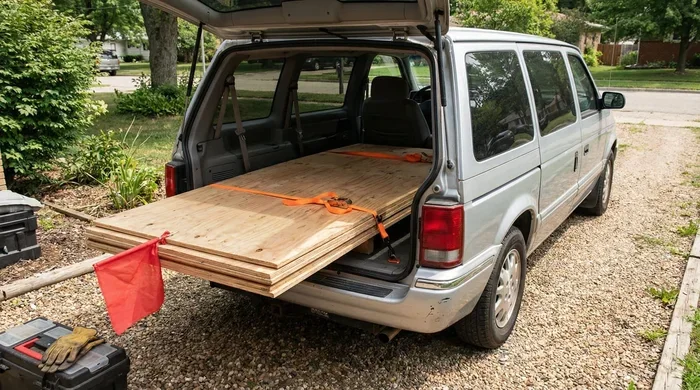
With an 8-foot bed, the plywood will stick out past the tailgate. You must secure it properly and follow local laws about load overhang. Some people use a roof rack or a trailer hitch extender to help manage the load. But for flat, hassle-free transport, a full-size van remains the better option.
Full-Size Vans That Handle 8×4 Plywood
Ford Transit LWB and Extra LWB
The Ford Transit is one of the most popular vans in the UK and Europe. The long-wheelbase (LWB) version has a cargo length of approximately 2.9 to 3.2 meters. This is plenty of space for an 8×4 sheet of plywood lying flat. The extra-long-wheelbase (XLWB) version offers even more room.
The Transit also has a wide cargo area, typically around 1.7 to 1.9 meters wide. This means you can lay the plywood sheet flat without worrying about it fitting side to side. The van’s payload capacity ranges from 1,000 to 1,400 kilograms depending on the model, which is more than enough for a single sheet of plywood.
Mercedes Sprinter LWB
The Mercedes Sprinter is a premium full-size van known for its reliability and cargo space. The LWB version offers a cargo area length of about 3.0 to 3.5 meters. An 8×4 plywood sheet fits comfortably inside. The Sprinter also has a high roof option, which gives you extra vertical clearance if you need to stack sheets.
One of the best things about the Sprinter is its smooth ride. The suspension system keeps your plywood sheets stable during transport. This reduces the risk of scratching or bending the material during your journey.
Volkswagen Crafter
The Volkswagen Crafter is another excellent full-size van for plywood transport. It has one of the longest cargo areas available, with lengths up to 3.5 meters in the LWB version. The wide body design means you can fit an 8×4 sheet flat without any diagonal tricks.
The Crafter also offers a high roof option, which adds valuable headroom. This makes loading and unloading much easier, especially if you are working alone and need to slide the sheet in by yourself.
Medium Vans and Their Capabilities
Can a Medium Van Fit an 8×4 Sheet?
Medium vans like the Ford Transit Custom or the VW Transporter are popular choices for everyday trades work. But can they fit an 8×4 sheet of plywood? The short answer is: it depends.
A medium van typically has a cargo length of around 2.3 to 2.6 meters. An 8×4 sheet is 2.44 meters long. So the sheet will barely fit, and only if you load it at an angle. Diagonal loading means the corners of the plywood will stick out past the sides of the van. This is risky and can damage both the sheet and the van.
Some people manage to fit an 8×4 sheet in a medium van by lowering the front seats and angling the sheet diagonally across the cargo area. But this is not ideal. The sheet can shift during driving, and it is harder to secure properly. For safe and clean transport, a full-size van is always the better choice.
When a Medium Van Simply Won’t Work
There are situations where a medium van just cannot handle an 8×4 sheet. If the van has a short wheelbase, the cargo area is even shorter. You will not be able to fit the sheet at all without cutting it. Even with a long-wheelbase medium van, diagonal loading is a hassle and a safety concern.
If you frequently transport plywood or other large sheet goods, investing in a full-size van or a Luton box van is the smart move. It saves you time, protects your materials, and keeps you safe on the road.
How to Load and Secure an 8×4 Sheet Safely
Loading Techniques
Loading an 8×4 sheet of plywood into a van requires some technique. Here is a step-by-step approach that works well:
- Lower all rear seats: This creates a flat, unobstructed loading area.
- Tilt the sheet vertically: Slide one edge into the van first, then lower it flat onto the floor.
- Use a loading ramp if needed: A simple plywood ramp can make it easier to slide heavy sheets into the van.
- Position the sheet near the front of the cargo area: This helps with balance and keeps the weight centered.
- Get help if the sheet is heavy: A full sheet of plywood can weigh up to 80 pounds. Two people make the job much safer and easier.
Securing the Load
Once the sheet is inside the van, you must secure it properly. A loose sheet of plywood is extremely dangerous while driving. Here are the best practices:
- Use ratchet straps: Loop straps around the sheet and anchor them to the van’s cargo tie-down points.
- Place the sheet against the front seats or a bulkhead: This prevents it from sliding forward during braking.
- Use soft padding between the sheet and van walls: This prevents scratches and damage to both the plywood and the vehicle.
- Check the load before every trip: Give the straps a tug to make sure they are tight and secure.
Quick Tips for Safe Plywood Transport
- Always wear gloves when handling plywood sheets to avoid splinters.
- Place a moving blanket or cardboard under the sheet to protect the van floor.
- Drive carefully and avoid sharp turns, especially when carrying a large flat load.
- Check local regulations on load overhang if any part of the sheet sticks out past the van.
- Consider using a van with a roller floor system for easier loading and unloading.
Common Mistakes When Transporting Plywood
Overloading the Van
One common mistake is ignoring the van’s payload capacity. A full 8×4 sheet of plywood weighs around 60 to 80 pounds. Add the weight of the sheet, any other materials, and your own tools, and you can quickly approach the van’s maximum load limit. Overloading affects handling, braking, and tire wear. It can also void your insurance if you are involved in an accident.
Always check your van’s payload rating in the owner’s manual or on the vehicle specification plate. Stay well within the limit to ensure safe driving.
Ignoring Overhang Rules
If you are using a pickup truck or a van with some overhang, you need to know the legal rules. In most places, a load can extend a certain distance past the rear of the vehicle. Exceeding this limit can result in fines and penalty points on your license.
Make sure any overhang is properly marked with a red flag or high-visibility marker. Secure the load so nothing can fall off during your journey. This protects other road users and keeps you on the right side of the law.
Forgetting to Protect the Sheet
Plywood sheets are vulnerable to scratches, dents, and moisture damage during transport. Many people forget to pad the edges and corners of the sheet. This leads to ugly marks and weak spots in the material.
Use moving blankets, foam padding, or even old towels to protect the plywood. If you are transporting sheets in wet conditions, cover them with a waterproof tarp. Keeping your materials in good condition means they will perform well when you start your project.
Comparison Table: Vans That Fit an 8×4 Sheet
| Van Model | Cargo Length | Fits 8×4 Flat? | Payload Capacity |
|---|---|---|---|
| Ford Transit LWB | ~3.2m | Yes | 1,000-1,400 kg |
| Mercedes Sprinter LWB | ~3.5m | Yes | 1,000-1,400 kg |
| VW Crafter LWB | ~3.5m | Yes | 1,000-1,500 kg |
| Fiat Ducato L2 | ~3.1m | Yes | 1,000-1,200 kg |
| Renault Master L2 | ~3.2m | Yes | 1,000-1,300 kg |
| Ford Transit Custom | ~2.6m | Diagonal only | 800-1,000 kg |
| VW Transporter T6 LWB | ~2.6m | Diagonal only | 700-900 kg |
Expert Insights on Choosing the Right Van
Experienced builders and tradespeople always recommend going with a full-size van when you need to transport 8×4 plywood regularly. A medium van might seem sufficient for a one-off job, but the diagonal loading method is impractical and risky. Over time, the scratches and damage to your materials will cost you more than the difference in van rental or purchase price.
If you are buying a van specifically for sheet goods transport, look for models with a cargo length of at least 3 meters. This gives you comfortable clearance on all sides of the plywood sheet. Also consider a van with a high roof option if you plan to carry multiple sheets at once.
Many rental companies offer full-size vans on a daily or weekly basis. If you only need to move plywood occasionally, renting a Ford Transit LWB or Mercedes Sprinter for a day is a cost-effective solution. You get the right vehicle without the commitment of a purchase.
One more thing to keep in mind is the van’s roof height. Some full-size vans have a standard roof that is about 1.9 meters tall, while high-roof versions go up to 2.3 meters or more. If you are carrying a sheet vertically (for example, if you are loading it through the rear doors), a high-roof van makes the process much easier and safer.
Also think about the van’s side doors. Sliding side doors on models like the Ford Transit and Mercedes Sprinter give you more flexibility when loading and unloading. You can approach the van from the side in tight spaces, which is a big advantage on crowded job sites.
Key Takeaways
- Full-size vans are the best choice: Models like the Ford Transit LWB and Mercedes Sprinter provide enough interior length for a full 8×4 sheet lying flat.
- Medium vans often require angled loading: Some panel vans can fit an 8×4 sheet diagonally, but this risks damage and is not always safe.
- Luton vans offer maximum cargo space: A Luton box van gives you extra height and length, making plywood transport effortless.
- Proper loading matters just as much as van size: Using the right straps, support, and loading technique prevents breakage and keeps you legal on the road.
- Avoid common mistakes like overhang and poor securing: These can lead to fines, accidents, and damaged materials.
- Pickup trucks can work with the right bed length: An extended cab pickup with an 8-foot bed can handle an 8×4 sheet with slight overhang.
- Know your van’s payload capacity: A full sheet of plywood weighs around 60-70 pounds, so make sure your van can handle the load safely.
Conclusion
Knowing what vans can fit an 8×4 sheet of plywood without cutting saves you time, money, and frustration. Full-size vans like the Ford Transit LWB, Mercedes Sprinter, and VW Crafter are your best options for flat, safe transport. These vans offer the cargo length, width, and height needed to carry a full sheet with ease.
Medium vans can work in a pinch, but diagonal loading is not ideal. If you transport plywood regularly, investing in a full-size van or a Luton box van is the smartest decision you can make. Always secure your load properly, protect the sheet from damage, and stay within your van’s payload limits.
Whether you are a professional builder or a weekend DIYer, choosing the right vehicle for your materials makes every job easier. Follow the tips in this guide, and you will move your 8×4 plywood sheets safely and efficiently every single time.
Frequently Asked Questions
What is the smallest van that can fit an 8×4 sheet of plywood flat?
The smallest van that can fit an 8×4 sheet flat is a full-size panel van with a cargo length of at least 2.5 meters. Models like the Ford Transit LWB or Fiat Ducato L2 meet this requirement. Medium vans like the Transit Custom can fit the sheet diagonally, but flat loading requires a longer cargo area.
Can I fit an 8×4 sheet in a Ford Transit Custom?
A Ford Transit Custom in its long-wheelbase form can fit an 8×4 sheet diagonally, but it will not fit flat without cutting. The cargo length of around 2.6 meters is just short of the 2.44-meter sheet length when loaded straight. For flat transport, you need the Transit LWB or XLWB version.
How much does a sheet of 8×4 plywood weigh?
A standard sheet of 8×4 softwood plywood weighs between 55 and 70 pounds. Hardwood plywood can weigh up to 80 pounds or more. Always check the weight rating of your van before loading heavy sheet materials to avoid exceeding the payload limit.
Do I need a special license to drive a van carrying plywood?
In most countries, a standard car license allows you to drive a van up to 3,500 kilograms. This covers most full-size panel vans. If you are renting a larger Luton van or a vehicle exceeding 3,500 kilograms, you may need a different license category. Always check the local regulations before renting or purchasing a larger vehicle.
Can I carry two sheets of 8×4 plywood in a full-size van?
Yes, most full-size vans can carry two sheets of 8×4 plywood stacked on top of each other. The combined weight of two sheets is around 120 to 160 pounds. Make sure your van’s payload capacity can handle the total load, and secure the sheets with ratchet straps to prevent shifting during transport.
What is the best way to protect plywood during van transport?
The best way to protect plywood is to use moving blankets or foam padding on the van floor and walls. Wrap the edges and corners of the sheet to prevent scratches. If you are transporting in wet weather, cover the sheets with a waterproof tarp secured tightly so it does not blow off during the drive.