What Should I Do If I Lose My Car Key Quick Steps to Take
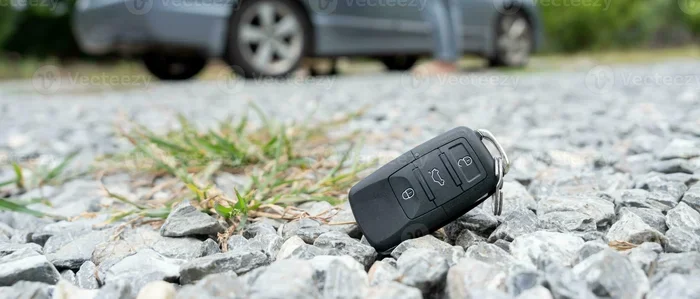
Losing your car key can happen to anyone, and it always feels like the worst timing. The most important thing is to stay calm and follow a clear plan. You should first check your pockets, bags, and home thoroughly, then contact a professional locksmith or your car dealer. Whether you need a car key replacement, a spare key, or key fob programming, there are fast solutions available. This guide walks you through every step to get back on the road quickly and safely.
Losing your car key is one of those moments that catches you off guard. You reach for your pocket or bag and it is just not there. That sinking feeling hits fast. Maybe you were at the grocery store, or maybe you just got home from work. Either way, the question running through your mind is the same: what now?
The good news is that losing your car key does not mean you are stuck forever. There are clear steps you can take right away to get back on the road. This guide covers everything you need to know. From immediate actions to long-term prevention, we have you covered. Let us walk through this together so you feel confident and prepared.
Key Takeaways
- Stay calm and search thoroughly first: retrace your steps and check common spots before assuming the key is gone forever.
- Call a licensed locksmith right away: they can help with car lockout, key cutting, and transponder key replacement on the spot.
- Check for a spare key before spending money: a backup key can save you hundreds of dollars.
- Know your replacement options: key fob replacement costs vary based on your car model and year.
- Prevent future loss with simple habits: use a key tracker, assign a key spot at home, and get a spare key made proactively.
- Roadside assistance can help in emergencies: services like AAA or your insurance provider may cover lockout and key replacement.
- Never attempt DIY lock picking: it can damage your ignition switch and vehicle security system.
📑 Table of Contents
What to Do Right When You Realize Your Car Key Is Lost
The first few minutes matter a lot. Panicking will not help you find the key. Instead, take a deep breath and follow these simple steps. Acting quickly and thoughtfully can save you time and money.
Retrace Your Steps
Think about where you went today. Walk through your routine in your mind. Did you stop for gas? Did you run into a store? Did you grab something from the trunk? Start from the last place you remember having the key and work forward from there.
Check the most obvious spots first. Look at your coat pockets, your bag compartments, and your car seats. Keys love to hide between couch cushions or under papers on your desk. Sometimes the key is closer than you think.
Search Common Loss Spots
Certain places are notorious for swallowing keys. Check these spots carefully:
- Between the couch or sofa cushions
- On the kitchen counter or dining table
- Inside your jacket or coat pockets
- In your gym bag or purse
- On the passenger seat or floor of your car
- Near the front door or entryway
- In the trash or recycling bin by accident
If you still cannot find it, do not keep searching endlessly. At some point, you need to move on to the next steps. The longer you wait, the more time someone else has to find it.
Secure Your Vehicle Immediately
This is a step many people overlook. If your key is gone and your car is unlocked, your vehicle is vulnerable. Try to get to a safe location first. If your car is still locked, that is a good sign. But if it is unlocked, consider parking in a well-lit area or even a garage if possible.
You should also think about your vehicle security. A lost key means someone could potentially access your car. If you have a car alarm or GPS tracker, make sure they are active. These tools add a layer of protection while you sort out the situation.
Call a Professional Locksmith for Help
Once you have accepted that the key is truly lost, the next smart move is to call a professional. A licensed emergency locksmith can handle almost any car lockout situation. They have the tools and skills to get you back in your car without causing damage.
Why a Locksmith Is Better Than a Dealership
Many people automatically call their car dealer when they lose a key. While dealers can help, they often charge more and take longer. A mobile locksmith can come to your location, whether you are at home, at work, or stranded on the side of the road.
Locksmiths also carry a wider range of key blanks and tools. They can handle transponder keys, key fobs, and even smart keys for newer vehicles. Most locksmiths can program a new key on the spot in under an hour.
What to Ask When You Call a Locksmith
Not all locksmiths are the same. When you call, ask these important questions:
- Are you licensed and insured?
- Do you service my car make and model?
- Can you handle key fob programming or transponder key cutting?
- What is your estimated arrival time?
- What are the upfront costs?
Getting these answers before the locksmith arrives helps you avoid surprises. It also ensures you are working with a legitimate professional who knows their stuff.
Cost Expectations for Locksmith Services
The cost of calling a locksmith varies. A simple car lockout service might cost between $50 and $100. If you need a new car key replacement, the price goes up. Standard keys are cheaper, while key fob replacement or smart key programming can cost anywhere from $100 to $400 or more.
Keep in mind that prices depend on your car model, the type of key, and the time of day. Emergency calls at night or on weekends often come with a premium. But paying a bit more for professional service is far better than risking damage to your car.
Check for a Spare Key Before Spending Money
Before you spend money on a replacement, check if you have a spare key. Many people have a backup key sitting in a drawer at home and forget about it. A spare key can save you a lot of time and money.
Where People Hide Their Spare Keys
Think about where you or a family member might have stored a spare. Common hiding spots include:
- A drawer in the hallway or office
- Inside a lockbox attached to the house
- With a trusted neighbor or family member
- In the glove box of the car (if someone else has access)
- In a jacket that is not currently in use
If you find your spare key, you are in luck. You can use it to drive your car and then decide whether to get the lost key replaced or simply deactivate it. Deactivating a lost key is important for security, especially with modern car immobilizer systems.
Limitations of Spare Keys
Here is something important to know. A spare key that is older might not have the same key fob functions as your current one. Some older spare keys only unlock the doors and start the ignition. They may not have remote start, trunk release, or panic button features.
Also, if your car uses a proximity key or smart key system, a spare key might need to be reprogrammed. This is where a locksmith or dealer comes in handy again.
Key Replacement Options and Costs
If you do not have a spare key, you will need to get a new one made. The type of key your car uses plays a big role in the replacement process and cost. Understanding your options helps you make the best decision.
Standard Mechanical Keys
Older cars often use simple mechanical keys. These are the most affordable to replace. A locksmith can cut a new key from the key code or by reading the lock cylinder. The cost is usually between $20 and $75 for the key itself, plus the service call fee.
These keys do not have any electronic components, so there is no programming involved. You just insert the new key and turn the ignition switch. Simple and straightforward.
Transponder Keys
Most cars made after the mid-1990s use transponder keys. These keys have a small chip inside the head that communicates with the car’s immobilizer system. If the chip does not match, the car will not start.
Replacing a transponder key costs more than a standard key. You need both the physical key cut and the chip programmed. A locksmith or dealer can handle this. Expect to pay between $100 and $250 for a transponder key replacement.
Key Fobs and Smart Keys
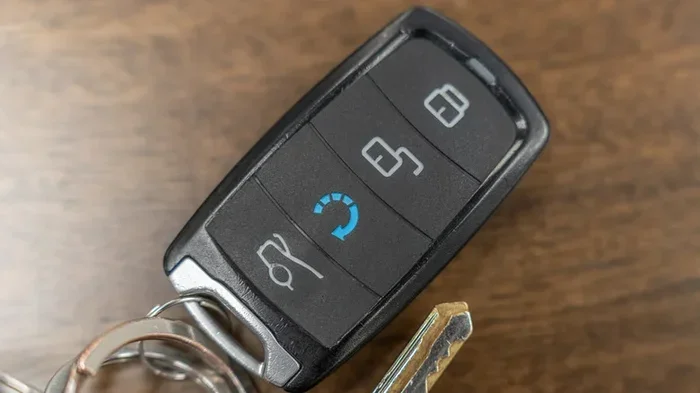
Modern vehicles often use keyless entry systems with push-button start. These smart keys or key fobs are the most expensive to replace. They contain complex electronics and need specialized programming.
The cost for a key fob replacement can range from $150 to $500 or more, depending on the vehicle. Some luxury brands charge even higher prices. However, many locksmiths now offer key fob programming services at a lower cost than dealers.
Comparison Table: Key Replacement Options
| Key Type | Avg. Cost | Programming Needed? | Typical Turnaround |
|---|---|---|---|
| Standard Mechanical | $20 – $75 | No | 10-20 minutes |
| Transponder Key | $100 – $250 | Yes | 30-60 minutes |
| Key Fob / Smart Key | $150 – $500+ | Yes | 30-90 minutes |
| Proximity Key | $200 – $600+ | Yes | 45-90 minutes |
As you can see, the type of key makes a big difference in cost and time. Always ask for a price estimate before committing to a replacement.
Preventing Future Key Loss
Once you get through the stress of a lost key, it is smart to take steps so it never happens again. Prevention is always easier and cheaper than replacement. A few simple habits can save you a lot of trouble down the road.
Create a Key Routine
Make it a habit to always put your keys in the same spot when you walk through the door. A key hook by the entrance, a bowl on the entryway table, or a drawer in the hallway all work well. The key is consistency. When you always do the same thing, you never have to think about it.
This small habit might seem silly, but it works. Over time, it becomes automatic. You will never again spend five minutes searching the house for your keys.
Use a Key Tracker Device
Key tracker devices like Tile or Apple AirTag are game changers. You attach one to your key ring and use your phone to locate the keys if they go missing. These little gadgets use Bluetooth to ping your phone and show you the last known location.
A key tracker costs between $20 and $40. That is nothing compared to the cost of a car key replacement. It is one of the best small investments you can make for peace of mind.
Get a Spare Key Made Proactively
Do not wait until you lose your only key to get a spare. Make a spare key as soon as possible and store it in a safe place. You can give the spare to a trusted family member or keep it in a lockbox at home.
Having a spare key on hand changes everything if you ever lose your primary key. You will not be stranded, and you will not need an emergency locksmith visit. It is one of the smartest things any car owner can do.
Avoid Key Chain Bulk
Heavy key chains put stress on the key and the ignition switch. Over time, this can cause the key to break inside the lock or ignition. Keep your car key separate from heavy keys. A lightweight key ring with just the essentials is much better for the longevity of your key.
Also, be careful with key duplication. Not all copy machines or key-cutting services produce an exact match. A poorly cut key can wear down over time and eventually fail. Always use a reputable locksmith for key cutting and duplication.
When to Call Roadside Assistance
Sometimes you need help right now, and a locksmith is not available immediately. In those cases, roadside assistance can be a lifesaver. Many car insurance policies, credit cards, and auto clubs include roadside service that covers lockouts and key replacement.
Check Your Insurance and Membership Benefits
Before you call a locksmith, check what is already covered. Your auto insurance policy might include lockout service or key replacement at no extra cost. Similarly, if you have a AAA membership or a credit card with roadside perks, you may get free or discounted help.
Call your provider and ask about your coverage. You might be surprised at what is already available to you. This can save you a significant amount of money, especially for key fob replacement or smart key programming.
What Roadside Assistance Typically Covers
Most roadside assistance plans include these services:
- Car lockout assistance
- Jump-start for a dead battery
- Towing to a nearby mechanic
- Flat tire changes
- Fuel delivery if you run out
- Minor key extraction if a key breaks in the lock
Not all plans cover full car key replacement, but many will pay for a lockout or a basic key. Check the fine print of your plan to understand exactly what is included.
Common Mistakes to Avoid When You Lose Your Car Key
There are a few mistakes that people commonly make when they lose their car key. Avoiding these can save you time, money, and frustration.
Do Not Try to Pick the Lock Yourself
It might be tempting to try a wire hanger or a lock-pick set you saw online. Do not do it. Modern car locks and ignition switches are complex. Forcing them open can cause expensive damage that costs far more than a locksmith call.
Leave the lock work to the professionals. A licensed locksmith has the right tools and training to handle your specific vehicle safely.
Do Not Wait Too Long to Act
The longer you wait after losing your key, the higher the risk. Someone else could find it and use it to access your car. Even if the key has a transponder chip, a determined person could still cause trouble.
Act quickly. Search thoroughly first, but then move on to calling a locksmith or checking your roadside assistance coverage. Speed matters when it comes to vehicle security.
Do Not Forget to Deactivate the Lost Key
If you find your lost key later or if someone else finds it, do not just start using it again. Modern cars with immobilizer systems need the lost key to be deactivated in the system. Otherwise, someone else could potentially start your car with that key.
Ask your locksmith or dealer to reprogram your vehicle security system so the old key no longer works. This small step protects you from theft.
Conclusion
Losing your car key is stressful, but it does not have to be a disaster. By staying calm and following the right steps, you can get back on the road quickly and safely. Start by searching carefully, then call a professional locksmith or check your roadside assistance coverage. If you have a spare key, you are already ahead of the game.
Understanding your car key replacement options and costs helps you make informed decisions. Whether you need a simple mechanical key, a transponder key, or a full key fob replacement, there is a solution for every budget and vehicle type.
Going forward, take steps to prevent this from happening again. Use a key tracker, create a key routine, and always keep a spare key in a safe place. These small habits make a huge difference. Losing a car key is never fun, but with the right knowledge, you can handle it like a pro.
Frequently Asked Questions
How much does it cost to replace a lost car key?
The cost depends on your car model and key type. A standard mechanical key costs $20 to $75, a transponder key costs $100 to $250, and a smart key or key fob can cost $150 to $500 or more. Always ask for a price estimate before proceeding.
Can a locksmith replace a car key on the spot?
Yes, most mobile locksmiths can cut and program a new key at your location. They carry the necessary tools and key blanks for a wide range of vehicles. This is often faster and cheaper than going to a dealer.
Will my insurance cover a lost car key replacement?
Some auto insurance policies cover lockout service or key replacement. Check with your provider to see what is included. Roadside assistance through AAA or your credit card may also help cover the cost.
How long does it take to get a new car key?
A standard key can be cut in 10 to 20 minutes. Transponder keys and key fobs take 30 to 90 minutes because they need programming. Smart keys and proximity keys may take up to 90 minutes depending on the vehicle.
What should I do if my key breaks off in the ignition?
Do not try to pull it out yourself. Call a locksmith who can safely extract the broken key and make a new one. Attempting to remove it yourself can damage the ignition switch and lead to costly repairs.
How can I prevent losing my car key in the future?
Create a key routine by always placing your keys in the same spot at home. Use a key tracker device, keep a spare key with a trusted person, and avoid heavy key chains that wear down your key over time.