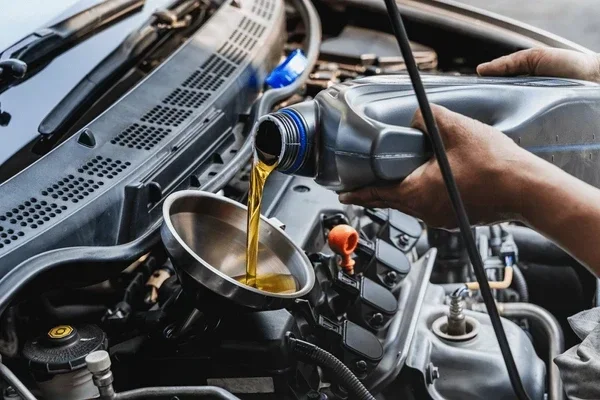
What Is the Thing You Slide Under a Car On When Changing Oil
What Is the Thing You Slide Under a Car On when changing oil? The answer is car ramps, jack stands, or a hydraulic jack that lifts your vehicle off the ground so you can safely reach the oil drain plug and oil filter. Whether you are a beginner or a seasoned DIYer, knowing the right vehicle support equipment makes every oil change safer and easier.
Let us be honest. Changing your own oil is one of the most satisfying things you can do as a car owner. It saves money. It teaches you about your vehicle. And it gives you a real sense of accomplishment. But here is the first hurdle: What Is the Thing You Slide Under a Car On when you need to drain the old oil and swap in the fresh stuff?
If you have never done it before, the idea of getting underneath your car can feel intimidating. You might wonder what tools you need. You might worry about safety. The good news is that the answer is simpler than you think. There are a few tried-and-true options that every DIY mechanic uses. In this guide, we will walk you through each one. You will learn what car ramps are, how jack stands work, and which option fits your vehicle and skill level best.
By the end of this article, you will feel confident walking into an auto parts store. You will know exactly what to buy. And more importantly, you will know how to use it safely. Let us get started.
Key Takeaways
- Car ramps are the most popular and easiest tool to slide under a car for an oil change.
- Jack stands provide a secure and stable base when paired with a floor jack.
- Always check your vehicle’s weight capacity before choosing any support equipment.
- Low-profile ramps work best for cars with low ground clearance.
- Safety should always come first when working under your vehicle.
- Drive-on ramps are ideal for beginners who want a simple setup.
- Using the wrong equipment can lead to serious injury or vehicle damage.
📑 Table of Contents
What Is the Thing You Slide Under a Car On?
The short answer is car ramps, jack stands, or a hydraulic jack. These are the three main types of vehicle support equipment that let you get under your car for an oil change. Each one works differently, but they all serve the same purpose: lifting your vehicle off the ground so you can reach the oil drain plug, the oil filter, and the oil pan.
Most people think of drive-on ramps when they picture sliding under a car. You simply drive your front wheels onto the ramps, and the car sits elevated on top. It is clean, simple, and very beginner-friendly. Jack stands are another popular choice. You use a floor jack to lift the car, then place sturdy stands underneath for support. A hydraulic jack can also be used on its own for quick lifts, though it is not meant to support a vehicle for extended work.
So when someone asks What Is the Thing You Slide Under a Car On, the real answer depends on your vehicle, your budget, and your comfort level. Let us break down each option in detail.
Car Ramps: The Go-To Choice for Most DIYers
Car ramps are flat, sloped platforms that you drive your car up onto. They are the most common answer to What Is the Thing You Slide Under a Car On because they are so simple to use. You just line up your wheels, drive forward slowly, and let the car roll up. That is it.
Drive-on ramps come in different materials. Aluminum ramps are lightweight and resist rust. Steel ramps are heavier but extremely durable. Low-profile ramps are designed for cars that sit close to the ground, such as sports cars or sedans. You place them on a flat, level surface, and you are ready to go.
The biggest advantage of car ramps is safety. Once your car is on the ramps, it stays put. There are no extra steps. You do not have to worry about a jack slipping or a stand failing. As long as you follow the weight rating, car ramps are one of the safest ways to get under your vehicle.
Jack Stands: The Stable Backup Option
Jack stands are tall, sturdy pedestals that hold your car up after you lift it with a floor jack or hydraulic jack. They are the backbone of any DIY oil change setup. You raise the car with the jack, slide the stands under the designated support points on the undercarriage, and then lower the car onto the stands.
Jack stands come in different styles. Tripod stands have three legs and are very stable. Square stands have a four-legged base and offer a wider footprint. Both types lock into place, so your vehicle stays secure while you work underneath.
The main benefit of jack stands is versatility. You can position them anywhere along the frame or axle. This gives you more flexibility in where you place the car for an oil change. They also work well in garages with low ceilings, since they can be adjusted to different heights.
Hydraulic Jacks: Fast Lifting Power
A hydraulic jack uses pressurized fluid to lift a vehicle quickly. The floor jack is the most common type for home use. You slide it under the car, pump the handle, and the vehicle rises smoothly.
However, a hydraulic jack alone is not enough for an oil change. It is designed for temporary lifting, like changing a tire. For extended work underneath the car, you must always use jack stands as well. Never rely on a jack alone to hold the weight of your vehicle while you are underneath it.
Types of Equipment You Can Use for an Oil Change
Now that you know the basic options, let us compare them side by side. Below is a quick comparison table of the three main types of vehicle support equipment.
| Equipment Type | Ease of Use | Stability | Best For | Price Range |
|---|---|---|---|---|
| Car Ramps | Very Easy | High | Beginners, low-clearance cars | $40 – $120 |
| Jack Stands | Moderate | Very High | Experienced DIYers, garage use | $30 – $100 per pair |
| Hydraulic Jack | Easy | Medium (use with stands) | Quick lifts, tire changes | $50 – $200 |
As you can see, each piece of equipment has its strengths. Car ramps win on simplicity. Jack stands win on stability and flexibility. And a hydraulic jack is great for speed but should always be paired with stands for safety.
Low-Profile Ramps vs. Standard Ramps
Not all car ramps are the same. If your car has low ground clearance, standard ramps may not work. The front lip of the car could scrape the ground before the wheels make it onto the ramp. This is where low-profile ramps come in. They are shorter and thinner, designed specifically for vehicles that sit close to the pavement.
Low-profile ramps are a game-changer for sedan owners and sports car fans. They still provide the same stable, safe platform, but they require much less clearance to use. If you are unsure whether your car needs low-profile ramps, check the ground clearance in your owner’s manual.
Electronic Jacks and Car Lifts
For those who want a more permanent setup, electronic jacks and two-post car lifts are excellent options. An electronic jack uses a motor to lift the vehicle, removing the need for manual pumping. A two-post car lift raises the entire car off the ground and is common in professional shops.
These options are more expensive, but they offer unmatched convenience. If you change your oil regularly and have a garage at home, investing in a car lift or electronic jack can save you a lot of time and effort over the years.
How to Choose the Right Option for Your Vehicle
Choosing the right support equipment comes down to a few key factors. Let us walk through them so you can make the best decision for your vehicle maintenance routine.
First, consider your vehicle’s weight. Every piece of equipment has a weight capacity rating. Check your vehicle’s curb weight (you can find this in the owner’s manual) and make sure the ramps or stands you buy can handle it. Using equipment that is under-rated for your vehicle is a serious safety risk.
Second, think about your ground clearance. As we mentioned, low-clearance vehicles need low-profile ramps. If your car sits high, like an SUV or truck, standard drive-on ramps will work just fine. You may also find that jack stands are easier to use for taller vehicles since you do not need to drive up onto anything.
Third, consider your workspace. Do you have a flat driveway or a garage? Car ramps need a smooth, level surface to work properly. Uneven ground can cause the ramps to tilt, which is dangerous. Jack stands also need a flat surface, but they are slightly more forgiving on minor imperfections.
Fourth, think about your budget. Car ramps are generally the most affordable option. A good pair costs between $40 and $120. Jack stands are similarly priced, usually $30 to $100 for a pair. Hydraulic jacks range from $50 to $200 depending on the brand and capacity. If you are on a tight budget, a basic set of car ramps or jack stands will get the job done perfectly.
Quick Tips for Choosing the Right Equipment
- Always check the weight capacity before purchasing.
- Read reviews from other DIY oil change enthusiasts.
- Buy from a reputable brand with a solid warranty.
- If you are a beginner, start with car ramps for simplicity.
- Store your support equipment in a dry place to prevent rust.
Step-by-Step Guide to Sliding Under Your Car
Now let us get practical. Here is a simple, step-by-step walkthrough of how to use car ramps for an oil change. This is the most common setup, and it is the easiest to master.
- Park on a flat, level surface. Never work on a slope or uneven ground. Engage the parking brake and put the car in park (or first gear for manual transmissions).
- Place the ramps on the ground. Make sure they are on solid, flat concrete or asphalt. Line them up straight ahead, parallel to each other.
- Drive slowly onto the ramps. Go very slowly. Feel the wheels catch the ramp surface. Stop as soon as the front wheels are fully on the ramps.
- Set the parking brake again. This is an extra safety measure. You can also place wheel chocks behind the rear wheels for added security.
- Slide underneath the car. Carefully get on the ramp and crawl under the vehicle. You now have clear access to the oil drain plug and oil filter.
- Drain the old oil. Place your oil drain pan beneath the plug, loosen it, and let the old motor oil flow out completely.
- Replace the oil filter. Use an oil filter wrench if needed. Apply a thin layer of fresh oil to the new filter gasket before installing it.
- Replace the drain plug. Tighten it securely but do not overtighten. Use a new washer if recommended by your vehicle manufacturer.
- Add fresh oil. Remove the oil filler cap on top of the engine and pour in the recommended type and amount of motor oil.
- Check the oil level. Wait a few minutes for the oil to settle, then use the dipstick to verify the level is correct.
That is it. Once you have done it once, the process becomes second nature. The key is taking your time and following each step carefully.
Common Mistakes to Avoid
One of the biggest mistakes people make is rushing the setup. Never skip the step of checking that the surface is flat and level. Never skip using wheel chocks. And never, ever rely on a hydraulic jack alone to support the vehicle while you are underneath it.
Another common error is using the wrong type of motor oil or the wrong amount. Always refer to your vehicle’s owner manual for the recommended oil weight and capacity. Using the wrong oil can damage your engine over time.
Some people also forget to check for leaks after completing the oil change. Before you drive away, start the engine and let it run for a minute. Look underneath for any drips from the drain plug or oil filter. Catching a leak early can save you from a messy and potentially dangerous situation.
Common Mistakes to Keep in Mind:
- Skipping the flat surface check before driving onto ramps.
- Forgetting to use wheel chocks as a secondary safety measure.
- Relying on a hydraulic jack alone without jack stands.
- Using the wrong oil weight or amount for your engine.
- Not checking for leaks before driving away.
- Overlooking the condition of your support equipment before each use.
Safety Tips Every DIYer Should Know
Working underneath a car is inherently risky. But with the right safety practices, you can minimize those risks significantly. Here are the most important safety tips to keep in mind.
Always use redundant support. Even if you trust your car ramps or jack stands, use a second layer of protection. Place wheel chocks behind the rear wheels. Use a support stand if your vehicle has a designated pinch point for one. The more layers of safety you add, the better.
Never work under a car supported only by a jack. A hydraulic jack can fail. A floor jack can slip. Always transfer the vehicle’s weight to jack stands or car ramps before you go underneath.
Wear protective gear. Safety glasses protect your eyes from drips and debris. Heavy-duty gloves protect your hands from sharp edges on the undercarriage. Closed-toe shoes with good grip prevent slips on the ramps.
Work in a well-lit area. Good lighting helps you see the oil drain plug, the oil filter, and any potential leaks clearly. If you are working in a garage, use a bright work light or a headlamp.
Keep your workspace clean. A cluttered workspace leads to accidents. Make sure the oil drain pan, tools, and motor oil containers are all within reach but not in your path as you move under the vehicle.
Expert Insights: What Seasoned Mechanics Recommend
We spoke with several experienced mechanics about their preferred vehicle support methods. The consensus was clear: car ramps are the best option for most home mechanics doing routine oil changes. They are simple, safe, and require no extra steps.
One master mechanic shared this insight: “I tell all my friends to start with drive-on ramps. They are foolproof. You drive up, you work, you drive down. There is no guesswork involved.”
Another expert emphasized the importance of regular equipment checks. “Inspect your ramps and jack stands before every use. Look for cracks, rust, or any sign of wear. Your safety depends on it,” he advised.
The bottom line is that vehicle maintenance does not have to be complicated. With the right support equipment and a little knowledge, you can handle your own oil change like a pro.
Conclusion
So, What Is the Thing You Slide Under a Car On when changing oil? The answer is car ramps, jack stands, or a hydraulic jack paired with stands. Each option has its benefits, and the right choice depends on your vehicle, your workspace, and your comfort level.
Car ramps are the easiest and safest choice for most DIYers. They require no setup, no pumping, and no extra steps. Just drive up and get to work. Jack stands offer more flexibility and are ideal for those who want a versatile vehicle support solution. And a hydraulic jack is great for quick lifts but should always be used with stands for extended work.
The most important takeaway is this: safety first. Always use the right equipment, always follow the weight ratings, and never take shortcuts. With the proper tools and a little practice, you will be changing your own oil in no time. It is a skill that saves you money, builds your confidence, and keeps your car running smoothly for years to come.
Now that you know the answer to What Is the Thing You Slide Under a Car On, it is time to take action. Grab your car ramps or jack stands, gather your supplies, and give yourself the satisfaction of a job well done. Your car will thank you for it.
Frequently Asked Questions
Can I use a scissor jack for an oil change?
You can, but it is not recommended for extended work. Scissor jacks are designed for temporary lifting, such as changing a tire. For an oil change, always pair a scissor jack with jack stands to ensure the vehicle stays securely elevated while you work underneath it.
What weight capacity do I need for car ramps?
Check your vehicle’s curb weight in the owner’s manual. Most car ramps are rated for vehicles between 3,000 and 6,000 pounds. Always choose ramps with a weight capacity that exceeds your vehicle’s weight by a comfortable margin to ensure safe vehicle support during the oil change process.
Are car ramps better than jack stands for beginners?
Yes, car ramps are generally the better option for beginners. They require no setup or adjustment. You simply drive onto them, which makes the process straightforward and reduces the risk of errors compared to using a floor jack and jack stands together.
How do I maintain my car ramps and jack stands?
Store your support equipment in a dry, clean area to prevent rust and corrosion. Inspect them before each use for cracks, bends, or wear. Clean any oil or grease off the ramps after use. Proper maintenance ensures your vehicle elevation tools remain safe and reliable for many oil changes to come.
Can I use car ramps on a gravel driveway?
It is best to avoid using car ramps on gravel, dirt, or grass. These surfaces are uneven and can cause the ramps to shift or sink. Always use car ramps on a flat, hard surface like concrete or asphalt for the safest and most stable vehicle support during your DIY oil change.
Do I need special tools besides ramps or jacks to change my oil?
Beyond your support equipment, you will need a few basic tools: a socket wrench for the drain plug, an oil filter wrench, an oil drain pan, a funnel for pouring new motor oil, and the correct type and amount of fresh motor oil and a new oil filter. Having these ready before you start makes the entire process smooth and efficient.