What Wastes the Most Gas in a Car and How to Fix It
What wastes the most gas in a car? The answer might surprise you. From aggressive driving and excessive idling to dirty air filters and underinflated tires, small issues add up fast. This guide breaks down the biggest fuel killers and shows you exactly how to fix them.
You fill up your tank, watch the needle drop, and wonder what on earth is going wrong. Gas prices keep climbing, and nobody wants to throw money away. So let us talk about what wastes the most gas in a car and how you can stop it today.
The truth is, most drivers lose fuel without even realizing it. It is not always the engine. Sometimes it is your habits. Other times, it is a tiny part that costs a few dollars to replace. Either way, the result is the same — you pay more at the pump than you need to.
This article covers the top fuel-wasting culprits. We will look at driving habits, car maintenance issues, and sneaky little problems that drain your tank. By the end, you will know exactly what to fix and how to save gas starting today.
Fuel efficiency matters for your wallet and the environment. When your car burns more gas than it should, it also sends more pollution into the air. So fixing these issues is a win-win. Let us dive in.
Key Takeaways
- Aggressive driving is the single biggest gas waster, wasting up to 33% more fuel on highways.
- Excessive idling burns fuel with zero miles gained, costing you money every minute.
- Underinflated tires create rolling resistance that forces your engine to work harder.
- Dirty air filters and bad spark plugs reduce engine efficiency significantly.
- Extra weight and roof racks increase drag and consume more fuel.
- Regular maintenance is the easiest way to protect your fuel economy.
- Small fixes like replacing a fuel cap or cleaning your fuel injector can make a big difference.
📑 Table of Contents
The Biggest Gas Wasting Culprits in Your Car
Your car has many parts working together. When one of them fails or gets neglected, your fuel consumption goes up. Here are the biggest offenders.
Excessive Idling
Letting your car sit running while parked is one of the simplest ways to waste gas. Your engine burns fuel even when you are not moving. A car idling for 10 minutes can use up to a quarter of a gallon. Over time, this adds up fast.
Many people leave their engines running in drive-through lines or while waiting for someone. Excessive idling also hurts your engine over time. It causes fuel buildup and increases wear on parts. The fix is simple — turn the engine off if you will be stopped for more than 30 seconds.
Underinflated Tires
This one shocks a lot of people. Tires that are low on air create more rolling resistance. That means your engine has to push harder to keep the car moving. Even tires that are just 5 PSI below the recommended level can reduce your gas mileage by up to 3%.
Check your tire pressure at least once a month. Use a simple gauge from any auto parts store. The correct PSI is listed on a sticker inside your driver door or in your owner manual. Keeping tires properly inflated is one of the easiest car maintenance tasks you can do.
Dirty Air Filters
Your engine needs clean air to run efficiently. A clogged air filter restricts airflow and makes the engine work harder. This directly impacts your fuel efficiency.
Most mechanics recommend replacing your air filter every 12,000 to 15,000 miles. But if you drive in dusty areas or on dirt roads, you may need to change it more often. The cost is usually under 30 dollars. That is a small price for better engine performance and improved fuel economy.
Bad Spark Plugs
Spark plugs ignite the fuel-air mixture in your engine cylinders. When they wear out or get fouled, they misfire. A single misfiring plug can reduce your fuel efficiency by a noticeable amount.
Spark plugs are cheap. A set usually costs between 15 and 50 dollars. Replacing them is one of the most overlooked fuel system maintenance tasks. If your engine runs rough or your check engine light is on, bad spark plugs could be the cause.
How Your Driving Habits Burn Fuel
You do not need a mechanic to fix bad driving habits. But you do need to be aware of them. Your driving habits have a massive impact on how much gas you use.
Aggressive Driving
Speeding, rapid acceleration, and hard braking are terrible for your fuel tank. According to the Department of Energy, aggressive driving can lower your fuel economy by up to 33% on highways and 5% in the city.
Here is what aggressive driving looks like in real life:
- Floor the accelerator from a stoplight
- Racing between cars on the highway
- Braking hard at the last second
- Weaving through traffic constantly
None of these habits save you meaningful time. They just burn fuel and wear out your brakes and engine faster. Smooth, steady driving is the best way to conserve fuel.
Speeding Above 60 MPH
Most cars get their best fuel efficiency around 50 to 60 miles per hour. Once you go above 60, aerodynamic drag increases rapidly. Your engine has to work much harder to push through the air.
Every 5 mph over 60 is like paying an extra 20 cents per gallon. On a long road trip, this can add up to several dollars per fill-up. Using cruise control on highways helps you maintain a steady speed and saves gas.
Rooftop Cargo and Extra Weight
Carrying stuff on your roof creates drag. A roof rack increases your car’s drag coefficient even when it is empty. If you are not using it, take it off.
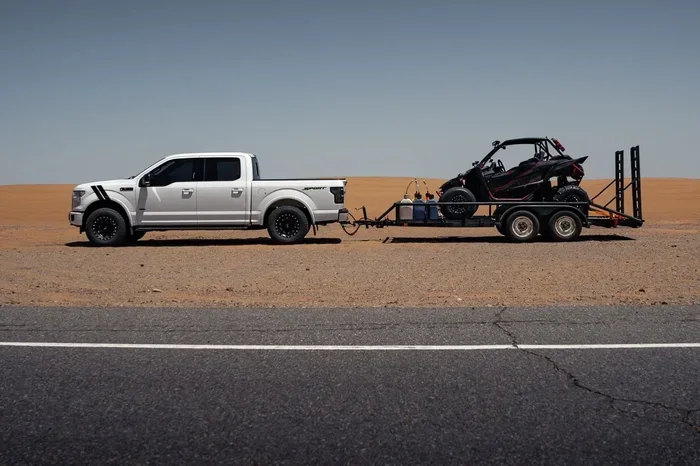
Extra weight inside the car matters too. Hauling around 100 pounds of gear can reduce your gas mileage by 1% or more. Keep your trunk clean and only carry what you need. Every little bit helps when you are trying to save fuel.
Maintenance Mistakes That Burn Money
Skipping routine car maintenance is one of the fastest ways to waste gas. Many drivers ignore small warning signs until they become expensive problems.
Neglecting the Oxygen Sensor
The oxygen sensor measures how much oxygen is in your exhaust. It tells the engine computer how to adjust the fuel mixture. When this sensor fails, your engine may run rich — meaning it uses too much fuel.
A bad oxygen sensor can slash your fuel economy by up to 40%. That is huge. The good news is that replacing one is not overly expensive. Most sensors cost between 50 and 250 dollars including parts and labor.
Dirty Fuel Injectors
Your fuel injector sprays fuel into the engine in a fine mist. Over time, these injectors can get clogged. When they do, the fuel spray pattern becomes uneven and your engine does not burn fuel efficiently.
Symptoms of dirty injectors include rough idling, poor acceleration, and lower engine performance. You can use a fuel additive to clean them. Or have a professional do a fuel system cleaning. Either way, it is worth the small investment.
Old or Wrong Motor Oil
Using the wrong grade of motor oil or going too long between changes increases engine friction. More friction means your engine works harder and uses more gas.
Always use the oil weight recommended by your car manufacturer. And do not skip oil changes. Fresh oil keeps your engine running smoothly and helps maintain good fuel efficiency.
A Loose or Damaged Gas Cap
This sounds almost too simple, but a loose fuel cap is a real gas waster. It allows fuel vapor to escape from your tank. It also triggers the check engine light on many modern cars.
If your gas cap is cracked or does not seal properly, replace it. A new cap costs less than 20 dollars. It is one of the cheapest and easiest fixes for fuel economy problems.
Cold Weather and Fuel Consumption
Cold weather naturally reduces your gas mileage. Your engine takes longer to reach operating temperature in winter. During that warm-up period, it runs less efficiently and uses more fuel.
Here are a few tips for cold weather driving:
- Avoid long warm-up idling sessions
- Use a block heater in very cold climates
- Keep your tires properly inflated — cold air lowers pressure
- Remove ice and snow from your car to reduce weight and drag
Using your AC in hot weather also affects fuel economy. However, at highway speeds, using the AC is more efficient than rolling down your windows. Open windows create drag that forces your engine to work harder.
How to Fix It: Simple Steps to Save Gas
Now that you know what wastes the most gas, here is how to fix it. These steps are easy and most cost very little.
Step 1: Adopt Gentle Driving Habits
Accelerate smoothly and avoid hard braking. Leave more space between you and the car ahead so you can coast to stops. This simple change can improve your fuel economy by 10% or more.
Step 2: Stay on Top of Maintenance
Follow your car’s maintenance schedule. Replace air filters, spark plugs, and oil on time. Have a mechanic check your oxygen sensor and fuel injector during regular service visits.
Step 3: Keep Tires Properly Inflated
Check tire pressure monthly. Inflate to the PSI listed on your driver door sticker. This one habit alone can improve your gas mileage by up to 3%.
Step 4: Reduce Weight and Drag
Remove roof racks when not in use. Clear out your trunk of unnecessary items. Every pound you remove helps your car use less fuel.
Step 5: Fix Warning Lights Promptly
If your check engine light comes on, do not ignore it. It could signal a problem that is hurting your fuel efficiency. Many auto parts stores will read the code for free.
When to See a Mechanic
Some fuel-wasting problems are easy to fix yourself. Others need professional help. You should see a mechanic if you notice any of these signs:
- Your check engine light stays on
- Your fuel economy drops suddenly
- Your engine runs rough or idles unevenly
- You smell fuel inside or outside the car
- You need to fill up much more often than usual
A trusted mechanic can diagnose hidden problems with your fuel system, engine performance, and emissions controls. Catching these issues early saves you money on gas and prevents bigger repairs later.
The Bottom Line
What wastes the most gas in a car? The answer is a combination of bad habits and neglected maintenance. Aggressive driving, excessive idling, underinflated tires, dirty filters, and failing sensors all take a toll on your fuel economy.
The good news is that most of these fixes are simple and affordable. You do not need to be a mechanic. You just need to pay attention and take action. Start by checking your tire pressure and driving more smoothly. Then work through the maintenance checklist.
Saving gas is not about one big fix. It is about many small changes that add up over time. Make these habits part of your routine, and you will notice the difference at the pump. Your wallet — and the environment — will thank you.
Frequently Asked Questions
What is the #1 thing that wastes gas in a car?
Aggressive driving is the number one gas waster. Rapid acceleration, speeding, and hard braking can reduce your fuel economy by up to 33% on highways. Driving smoothly and at steady speeds is the best way to save gas.
Does idling waste a lot of gas?
Yes, idling burns fuel without moving the car. An idling engine can use a quarter to a half gallon of fuel per hour. Turning off your engine when stopped for more than 30 seconds saves gas and reduces wear on your engine.
How much does low tire pressure affect gas mileage?
Underinflated tires can reduce your gas mileage by up to 3%. They create more rolling resistance, which forces the engine to work harder. Checking your tire pressure once a month is an easy way to protect your fuel economy.
Can a bad oxygen sensor waste gas?
Absolutely. A faulty oxygen sensor can lower your fuel economy by up to 40%. It causes the engine to run rich, burning more fuel than necessary. Replacing a bad oxygen sensor is a relatively inexpensive fix that pays for itself quickly.
Does using the AC waste more gas than rolling down windows?
At low speeds, rolling down windows uses less fuel. But at highway speeds, open windows create drag that reduces fuel efficiency. Using the AC at highway speeds is actually more efficient than having the windows down.
How often should I replace my air filter to save gas?
Most manufacturers recommend replacing the air filter every 12,000 to 15,000 miles. A dirty air filter restricts airflow and reduces engine performance. Changing it on schedule is a simple way to maintain good fuel economy.