What Does Towing Capacity Mean And Why You Should Know
Towing capacity is the maximum weight a vehicle can safely pull behind it using a trailer or other load. It is determined by the manufacturer based on engine power, frame strength, brakes, and suspension. Exceeding your towing capacity can cause accidents, damage your vehicle, and void your warranty. Understanding towing weight limits helps every driver stay safe and legal on the road. This guide breaks down everything you need to know about vehicle towing in simple, clear terms.
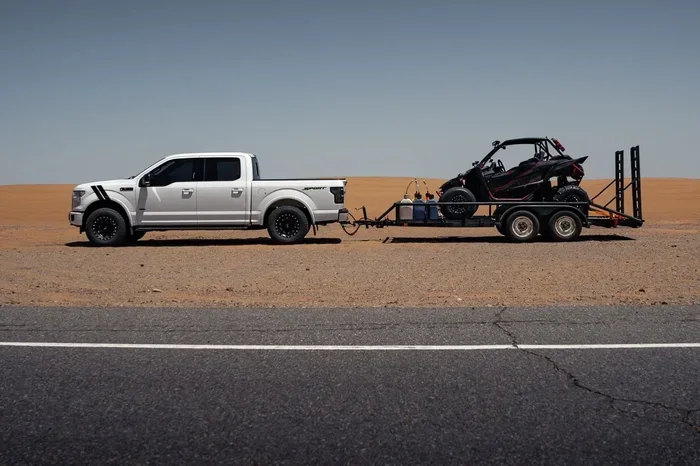
What does towing capacity really mean? If you have ever seen a truck hauling a boat or an SUV pulling a travel trailer, you have seen vehicle towing in action. But not every vehicle is built to pull the same amount of weight. That is where towing capacity comes in. It is the maximum weight your vehicle can safely pull behind it without causing damage or losing control.
Knowing your towing capacity is not just a nice-to-have. It is essential for your safety, your wallet, and the life of your vehicle. Whether you are hauling a small utility trailer or a large fifth-wheel camper, understanding your limits makes all the difference. This guide will walk you through everything you need to know, from the basic definition to real-world tips and common mistakes.
By the end of this article, you will feel confident about what towing capacity means, how it is measured, and how to stay within safe limits every time you hit the road. Let us get into it.
Key Takeaways
- Towing capacity is the max weight your vehicle can pull: It is set by the manufacturer and depends on many factors.
- Know your numbers: Gross vehicle weight rating, payload, and tongue weight all play a role.
- Exceeding limits is dangerous: It can lead to loss of control, brake failure, and serious accidents.
- Find your vehicle’s towing capacity in the owner’s manual: This is the most reliable source.
- Proper towing equipment matters: The right hitch, brakes, and wiring make towing safer.
- Common mistakes are easy to avoid: Overloading, ignoring tongue weight, and skipping maintenance cause most problems.
📑 Table of Contents
What Is Towing Capacity?
Towing capacity is the heaviest weight a vehicle can safely pull when connected to a trailer or another load. Manufacturers test every vehicle and assign a maximum towing capacity number. This number takes into account the engine, transmission, frame, brakes, suspension, and cooling system.
Think of it like a weight limit on a bridge. If you put too much weight on it, something will break. The same idea applies to your vehicle. When you exceed your towing limits, you put extra strain on the engine, transmission, brakes, and suspension. Over time, this can cause serious damage or even complete failure on the road.
Towing capacity is different from payload capacity. Payload is the weight your vehicle can carry inside itself, including passengers and cargo. Towing capacity is the weight you pull behind the vehicle. Both numbers matter, and both are listed in your owner’s manual.
Why Towing Capacity Varies Between Vehicles
Not all vehicles are created equal when it comes to vehicle towing. A compact car might have a towing capacity of 1,000 pounds or less. A full-size pickup truck can tow over 13,000 pounds. The difference comes down to several key factors:
- Engine power: Larger engines with more horsepower and torque can pull heavier loads.
- Frame and chassis design: Heavy-duty frames handle more towing force without bending or flexing.
- Brake system: Bigger brakes stop a loaded vehicle more effectively.
- Suspension: Heavy-duty suspension keeps the vehicle stable when towing weight.
- Cooling system: Towing generates a lot of heat. Better cooling systems prevent overheating.
- Axle ratio: The gear ratio in the rear axle affects how much pulling power the vehicle has.
When shopping for a vehicle and you plan to do some vehicle towing, always check the towing capacity before you buy. A towing package can add features like a stronger frame, better brakes, and a dedicated cooling system. This makes a big difference in what your vehicle can handle.
How Towing Capacity Is Measured
Towing capacity is measured in pounds or kilograms. The number you see in your owner’s manual or on the manufacturer’s website represents the maximum safe weight your vehicle can pull. But how do manufacturers arrive at this number? They run rigorous tests in controlled conditions.
Here is what goes into the calculation of towing capacity:
- Gross Vehicle Weight Rating (GVWR): This is the maximum total weight of your vehicle, including passengers, cargo, fuel, and the trailer tongue weight.
- Curb weight: This is the weight of the empty vehicle with standard fluids but no passengers or cargo.
- Powertrain capability: The engine, transmission, and drivetrain must be strong enough to handle the load.
- Brake capacity: The brakes must be able to stop the combined weight of the vehicle and trailer safely.
- Hitch and receiver strength: The towing equipment must be rated for the weight being pulled.
Manufacturers also factor in towing regulations and safety standards when setting these numbers. The result is a maximum towing capacity that is designed to keep you and others safe on the road.
Braked vs. Unbraked Towing Weight
One important distinction in towing capacity is between braked and unbraked weight. Braked towing weight refers to the maximum weight of a trailer that has its own brakes. These brakes activate when you press the brake pedal in your vehicle.
Unbraked towing weight is the maximum weight of a trailer without its own brakes. Because the trailer relies only on your vehicle’s brakes to stop, the unbraked towing weight limit is much lower. In most countries, the unbraked towing weight limit is around 750 kilograms or 1,650 pounds.
This is why larger trailers, like boat trailers and horse trailers, come equipped with their own braking systems. The towing safety benefits are significant. Always make sure your trailer has the right braking setup for the weight you are pulling.
Key Terms Every Driver Should Know
The world of vehicle towing has its own vocabulary. Understanding these terms helps you make sense of towing capacity numbers and stay safe. Here are the most important terms you should know.
Gross Vehicle Weight Rating (GVWR)
GVWR is the maximum total weight your vehicle can be, including itself, passengers, cargo, fuel, and the tongue weight of the trailer. You can usually find this number on a sticker inside the driver’s door frame. Staying under your GVWR is critical for safe towing.
Gross Combined Weight Rating (GCWR)
GCWR is the maximum combined weight of your vehicle and the trailer together. This number includes everything: the vehicle, all passengers, all cargo, the trailer, and everything inside the trailer. Your towing capacity must keep you under the GCWR limit.
Tongue Weight
Tongue weight is the downward force the trailer puts on the hitch ball. It typically should be about 10 to 15 percent of the total trailer weight. Too much tongue weight can make the rear of your vehicle sag, which affects steering and braking. Too little tongue weight can cause the trailer to sway dangerously.
Payload Capacity
Payload capacity is how much weight your vehicle can carry inside itself, including passengers and cargo. When you add tongue weight to your payload, you must stay within this limit. Overloading your payload is just as dangerous as exceeding your towing capacity.
Hitch Receiver
The hitch receiver is the part attached to the rear of your vehicle that connects to the trailer. Hitches come in different classes, from Class I (light duty) to Class V (heavy duty). The class determines how much towing weight the hitch can handle. Always match your hitch to your towing capacity.
Why Towing Capacity Matters for Safety
Towing safety should always be your top priority when pulling a trailer. Exceeding your towing capacity creates real dangers on the road. Here is why it matters so much.
Loss of Vehicle Control
When you tow more weight than your vehicle can handle, it becomes harder to control. The extra weight affects acceleration, braking, and turning. Your vehicle may feel sluggish or unresponsive. In emergency situations, this lack of control can lead to serious accidents.
Brake Failure and Overheating
Your brakes are designed to stop a specific weight. When you add a heavy trailer, the brakes work much harder. Over long trips, this can cause brake fade or even complete brake failure. The transmission and engine also overheat faster when they are working beyond their limits.
Suspension and Frame Damage
Excessive towing force can damage your suspension components, including shocks, springs, and control arms. The frame can flex or warp over time. These repairs are expensive and can compromise the structural integrity of your vehicle.
Voided Warranty
Most vehicle warranties do not cover damage caused by exceeding the stated towing capacity. If your transmission or engine fails because you were towing too much weight, the manufacturer may deny your claim. This can cost you thousands of dollars in repairs.
Expert Insight
Automotive engineers always design vehicles with a safety margin built into the towing capacity number. However, this margin is not infinite. Pushing your vehicle to its absolute limit on a regular basis wears out components faster and increases the risk of failure. The smartest approach is to stay well below the maximum rating whenever possible.
Legal and Insurance Implications
Many regions have towing regulations that specify maximum weights and equipment requirements. If you are stopped by law enforcement and found to be exceeding legal towing limits, you could face fines or penalties. Your insurance company may also deny a claim if they determine the towing weight exceeded what was safe or legal for your vehicle.
How to Find Your Vehicle’s Towing Capacity
Finding your vehicle’s towing capacity is easier than you might think. The information is readily available in several places. Here is where to look.
Owner’s Manual
Your vehicle’s owner’s manual is the best place to find the official towing capacity. Look for a section on towing or trailering. The manual will list the maximum towing weight, tongue weight limits, and any special requirements for towing.
Driver’s Door Jamb Sticker
Open your driver’s door and look for a sticker on the door frame. This sticker lists important weight information, including GVWR, payload capacity, and sometimes towing limits. This is a quick reference you can check anytime.
Manufacturer’s Website
Most automakers publish towing capacity specifications on their websites. You can search for your specific vehicle model and year. This is helpful if you do not have the manual handy.
Towing Package Brochure
If your vehicle came with a towing package, the brochure that came with it will list the specific towing limits for that configuration. Some vehicles have different towing capacities depending on the engine, axle ratio, and whether a towing package was installed.
Comparison Table: Towing Capacity by Vehicle Type
| Vehicle Type | Typical Towing Capacity | Common Trailer Types |
|---|---|---|
| Compact SUV | 1,000 – 3,500 lbs | Small utility trailers, bike racks |
| Mid-Size SUV | 3,500 – 5,500 lbs | Travel trailers, small boats |
| Full-Size Pickup Truck | 5,000 – 13,000 lbs | Large trailers, RVs, horse trailers |
| Full-Size SUV | 5,000 – 8,000 lbs | Travel trailers, boats |
| Heavy-Duty Truck | 10,000 – 35,000 lbs | Large RVs, equipment trailers |
These numbers are approximate and vary by model, engine, and configuration. Always check your specific vehicle for the exact maximum towing capacity.
Common Towing Mistakes and How to Avoid Them
Even experienced towers can make mistakes that put safety at risk. Here are the most common errors and how to avoid them.
Overloading the Trailer
The most common mistake is loading the trailer beyond its weight limit. Overloaded trailers are harder to control and put excessive strain on your vehicle. Always weigh your trailer with all cargo before hitting the road. Use a public weigh station or a portable scale to check the weight.
Ignoring Tongue Weight
As mentioned earlier, tongue weight should be 10 to 15 percent of the total trailer weight. Many people overlook this. If tongue weight is too high, the rear of your vehicle sags, reducing headlight visibility and affecting handling. If it is too low, the trailer may sway. Redistribute cargo to achieve the proper tongue weight.
Skipping Pre-Trip Inspections
Before every towing trip, inspect your towing equipment. Check the hitch connection, trailer lights, tire pressure, and brake function on the trailer. A quick inspection can prevent breakdowns and accidents. Make this a habit every single time.
Not Using the Right Hitch
Using a hitch that is not rated for your towing capacity is extremely dangerous. The hitch could fail under load, causing the trailer to detach. Always use a hitch that matches or exceeds your vehicle’s towing limits. When in doubt, consult a professional at an auto parts store or truck accessory dealer.
Forgetting About Wind and Road Conditions
Wind and road conditions affect towing safety more than many people realize. Crosswinds can push a trailer sideways. Mountain roads put extra strain on brakes. Wet or icy roads reduce traction. Adjust your driving speed and following distance when towing in challenging conditions.
Tips for Towing Safely and Responsibly
Safe towing comes down to preparation, knowledge, and common sense. Here are practical tips that every driver should follow when pulling a trailer.
Do a Pre-Trip Checklist
Before every trip, go through this checklist:
- Verify the trailer weight is within your towing capacity.
- Check that the hitch is securely connected and locked.
- Test all trailer lights, including brake lights and turn signals.
- Check tire pressure on both the vehicle and the trailer.
- Ensure the trailer brakes are functioning properly.
- Verify that all cargo is secured and evenly distributed.
- Check your mirrors for proper visibility around the trailer.
Drive Slower Than Normal
When you are towing, reduce your speed. Higher speeds create more wind resistance and put more stress on your vehicle and trailer. Most experts recommend driving 10 mph slower than normal when towing. This gives you more reaction time and reduces strain on your brakes.
Use Lower Gears on Hills
When driving uphill with a heavy trailer, use a lower gear to reduce strain on the engine and transmission. On descents, use engine braking by downshifting rather than riding the brakes. This prevents brake overheating and gives you better control.
Keep a Longer Following Distance
A loaded trailer takes longer to stop. Increase your following distance to give yourself more room to brake safely. A good rule of thumb is to double your normal following distance when towing.
Maintain Your Vehicle Regularly
Towing puts extra wear on your vehicle. Stay on top of maintenance, including oil changes, brake inspections, and transmission fluid checks. Regular maintenance keeps your vehicle in top shape for vehicle towing and extends the life of your drivetrain.
Invest in Quality Towing Equipment
Do not cut corners on towing equipment. A quality hitch receiver, trailer wiring harness, and weight distribution hitch can make a huge difference in safety and stability. Look for equipment that is rated for your specific towing weight and vehicle type.
Take a Towing Safety Course
If you are new to towing, consider taking a towing safety course. Many organizations and driving schools offer classes that cover hitching, loading, driving techniques, and emergency procedures. These courses build confidence and teach skills that can save lives.
Conclusion
Towing capacity is one of the most important specifications your vehicle has. It defines the safe limit of what you can pull behind you, and understanding it protects you, your passengers, and everyone else on the road. From gross vehicle weight rating to tongue weight and braked towing weight, every number matters when you are pulling a trailer.
The good news is that learning about towing capacity is straightforward. Check your owner’s manual, know your vehicle’s limits, and invest in proper towing equipment. Avoid common mistakes like overloading, ignoring tongue weight, and skipping inspections. With the right knowledge and preparation, vehicle towing can be a safe, enjoyable, and rewarding experience.
Whether you are hauling a boat to the lake, pulling a travel trailer on vacation, or transporting equipment for work, always respect your towing capacity. Stay within the limits, drive responsibly, and enjoy the peace of mind that comes from knowing you are doing things the right way. Safe travels to you and your trailer.
Frequently Asked Questions
What happens if I exceed my towing capacity?
Exceeding your towing capacity puts extreme strain on your engine, transmission, brakes, and suspension. It can cause loss of vehicle control, brake failure, and overheating. It may also void your vehicle warranty and lead to costly repairs. In many cases, exceeding limits is also illegal and can result in fines.
Can I increase my vehicle’s towing capacity?
You cannot change the factory-rated towing capacity of your vehicle. However, you can add a towing package that includes upgrades like a stronger hitch, better brakes, or a transmission cooler. These additions help you stay closer to your vehicle’s limits safely, but they do not change the official rating.
What is the difference between towing capacity and payload capacity?
Towing capacity is the maximum weight you can pull behind your vehicle on a trailer. Payload capacity is the maximum weight your vehicle can carry inside itself, including passengers and cargo. Both numbers are important and both are listed in your owner’s manual.
Do I need special brakes on my trailer?
If your trailer exceeds a certain weight, most regions require trailer brakes. Trailers over 1,500 to 3,000 pounds typically need their own braking system. Braked towing weight is higher than unbraked towing weight because the trailer’s brakes help stop the combined load.
How do I know if my hitch is rated for my towing capacity?
Check the hitch rating on the manufacturer’s label or documentation. Every hitch has a maximum weight rating, which should match or exceed your vehicle’s towing capacity. If you are unsure, ask a professional at an auto parts store or truck accessory dealer to help you choose the right hitch.
What is tongue weight and why does it matter?
Tongue weight is the downward force the trailer puts on the hitch ball. It should be about 10 to 15 percent of the total trailer weight. Proper tongue weight keeps your vehicle stable and prevents the trailer from swaying. Too much or too little tongue weight can cause dangerous handling problems while towing.