Where Are Part Numbers Located on Everyday Products
Finding part numbers on everyday products is easier than most people think. This guide shows you exactly where part numbers are located on vehicles, engines, and common automotive components. You will learn practical tips, decoding methods, and common mistakes to avoid when searching for part number locations.
Have you ever stared at a car part and wondered where on earth the part number is hidden? You are not alone. Where part numbers are located can be a mystery to many car owners and DIY mechanics. The truth is, manufacturers place these numbers in spots that are not always obvious. Sometimes they stamp them deep inside an engine. Other times, they hide them behind a removable cover or under a sticker. This guide will walk you through every common location so you never have to guess again.
Knowing where part numbers are located on everyday products saves you time and money. It helps you order the right replacement part the first time. It also makes warranty claims and recalls much simpler. Whether you are working on a sedan, truck, SUV, or even a small engine like a lawnmower, the principles stay the same. Let us dive in and explore the most common places you will find part numbers on vehicles and automotive parts.
Key Takeaways
- Engine parts: Part numbers are often stamped directly on the engine block, intake manifold, or near the cylinder head.
- Vehicle body panels: Look for stickers, plates, or stamps on door frames, hoods, and fenders for part and VIN numbers.
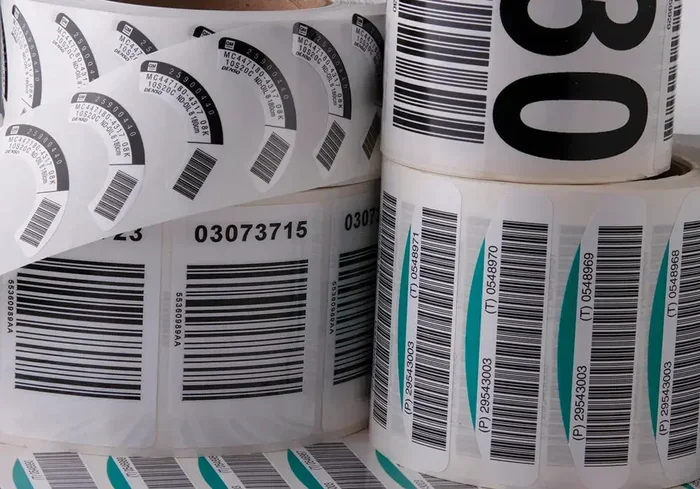
- Electrical components: Connectors, relays, and sensors usually have labels or barcodes showing the part number.
- Service manuals: Your vehicle service manual contains diagrams that show exact part number locations for every component.
- Online tools: Many manufacturers offer free part number lookup tools on their official websites.
- Cross-referencing: OEM and aftermarket part numbers often differ, so always verify the correct format before ordering.
📑 Table of Contents
- Why Knowing Where Part Numbers Are Located Matters
- Where Are Part Numbers Located on Vehicles
- Where Are Part Numbers Located on Common Automotive Components
- How to Decode a Part Number
- Tips for Finding Part Numbers Quickly
- Common Mistakes When Looking Up Part Numbers
- Expert Insights on Part Number Identification
- Conclusion
Why Knowing Where Part Numbers Are Located Matters
Part numbers are the unique identifiers for every component in a vehicle. Without them, ordering the correct replacement becomes a guessing game. Imagine walking into an auto parts store and saying, “I need a brake pad for my car.” The salesperson will ask for more details. The part number gives them exactly what you need. No confusion. No wasted trips.
Here are a few reasons why finding the right part number location is so important:
- Accurate ordering: The correct part number ensures you get the exact component designed for your vehicle.
- Warranty and recall tracking: Manufacturers use part numbers to identify affected parts during recalls or warranty work.
- Resale value: Having documented part replacements with correct numbers increases a vehicle’s resale credibility.
- DIY repairs: If you fix your own car, knowing how to read and find part numbers speeds up every repair job.
- Cross-referencing parts: You can compare OEM and aftermarket part numbers to find the best deal without sacrificing quality.
When you understand where part numbers are located, you take control of your vehicle maintenance. You stop depending on others to find basic information. That confidence changes the entire experience of owning and working on a car.
Where Are Part Numbers Located on Vehicles
Cars and trucks are full of hidden part numbers. Manufacturers follow certain patterns, but each brand has its own quirks. Let us look at the most common places you will find them.
On the Engine Block
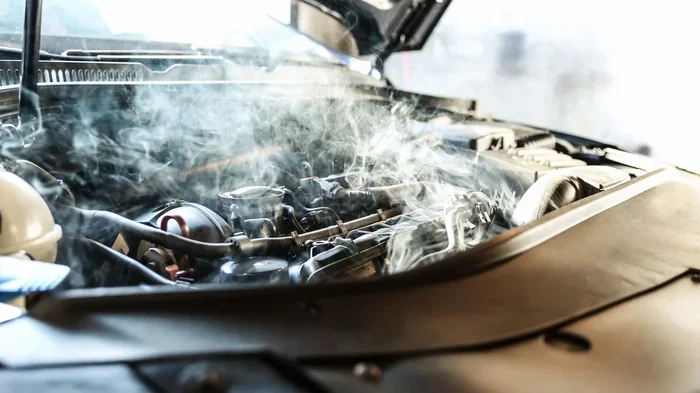
The engine block is one of the first places to check when asking where part numbers are located. Most engines have a metal plate or a stamped number near the front. On many vehicles, you will find it on the passenger side of the block, close to the cylinder head. Ford engines often stamp the part number on a pad just behind the accessory belt. GM engines typically place it on the rear of the block near the transmission bell housing.
Use a flashlight and look for raised or recessed characters. Sometimes grease or oil covers the area, so wipe it clean before searching. If the number is hard to read, try using a small brush and some brake cleaner. The engine part number usually includes a prefix that identifies the manufacturer and a suffix that tells you the specific application.
On the Vehicle Data Plate
Almost every vehicle has a data plate, sometimes called a nameplate or VIN plate. On most cars, you will find it on the driver’s side door jamb. Open the door and look for a small metal or paper sticker. This plate contains the VIN, the model year, the assembly plant code, and often several part numbers for major components.
Some vehicles also have a data plate under the hood. On older cars from the 1960s and 1970s, this plate is usually bolted to the inner fender or firewall. Newer vehicles might place it inside the door frame or on the instrument panel behind the steering wheel. Check your vehicle service manual to find the exact spot for your specific make and model.
On Body Panels and Trim Pieces
Body panels like fenders, hoods, and doors often carry their own part numbers. These are usually stamped into the metal or printed on a label riveted to the panel. On many vehicles, the hood part number is stamped on the underside of the hood near the front edge. Door panels sometimes have a sticker on the inside edge that lists the part number and the color code.
When replacing body panels, matching the part number ensures a proper fit. Even slight differences between part numbers can affect how a panel aligns with the rest of the vehicle. Always check both the driver and passenger sides, as some manufacturers used different part numbers for left-hand and right-hand components.
Where Are Part Numbers Located on Common Automotive Components
Beyond the vehicle itself, individual parts carry their own identifiers. Let us explore where to find part numbers on the most common automotive components.
On Alternators and Starters
Alternators and starters are easy to overlook, but they have clear part numbers. On most alternators, the part number is cast into the housing. Look at the back of the unit where the wiring connects. You will usually find a series of numbers and letters stamped or cast into the aluminum housing. Some newer alternators also have a label or sticker on the rear bracket.
Starters work the same way. The part number is often found on the solenoid housing or on the main body of the starter motor. If the number is worn away, you can also check the wiring harness connector, as some manufacturers label the connector itself with the part number.
On Water Pumps and Radiators
The water pump is another component where where part numbers are located matters a lot. On most engines, the part number is stamped on the pump housing. It is usually visible when you look at the front of the engine. Sometimes the number faces toward the back of the engine, so you may need to reach around or use a mirror to see it.
Radiators typically have a tag or sticker attached to one of the tanks. The tag includes the part number, the core size, and the inlet/outlet dimensions. If the sticker is missing, look for a number cast into the tank or stamped along the radiator core. Some aftermarket radiators also have a barcode label on the shipping box that matches the part number on the product.
On Electrical Connectors and Relays
Electrical parts can be tricky because they are small and often covered in dirt or corrosion. Relays usually have a part number printed on the top or side of the plastic casing. Look for a white or silver label that sits flush with the relay body. Connectors often have the part number molded directly into the plastic shell.
When working with electrical components, always disconnect the battery first. Once the power is off, you can safely inspect each connector and relay for its part number. Keep a small bag or container for the screws and clips so nothing gets lost during the process.
How to Decode a Part Number
Part numbers look like random strings of letters and numbers, but they actually follow a logical pattern. Once you understand the structure, reading them becomes much easier.
A typical OEM part number includes several sections. The first few characters usually identify the manufacturer or the part category. The middle section often indicates the specific component type. The suffix can tell you about the material, the revision, or the application. For example, a GM part number starting with “12345678” might break down as “1234” for the base part, “56” for the revision, and “78” for the specific vehicle application.
Aftermarket part numbers work differently. Companies like AC Delco, Bosch, and Denso use their own numbering systems. These often include a prefix that identifies the brand, followed by a series that matches the original equipment number. When searching for where part numbers are located on aftermarket parts, check the packaging, the part itself, and the catalog listing.
Here is a simple way to approach decoding:
- Step 1: Write down the full part number exactly as it appears.
- Step 2: Look up the manufacturer’s numbering guide online or in the service manual.
- Step 3: Break the number into sections and match each section to its meaning.
- Step 4: Use the decoded information to verify you have the right part for your vehicle.
Many online tools can help you decode part numbers for free. Just search for the manufacturer name followed by “part number decoder.” These tools break down each segment and explain what it means. They are especially helpful when you are comparing OEM and aftermarket numbers.
Tips for Finding Part Numbers Quickly
Finding part numbers does not have to be frustrating. With the right approach, you can locate them fast and move on to the actual repair or replacement work.
Start with your vehicle service manual. Every manual has a parts section that lists every component with its corresponding part number. The manual also shows diagrams that point you to the exact location of each part number on the vehicle. If you do not have a physical copy, most manufacturers offer digital versions on their websites or through dealer portals.
Use a good flashlight and a mirror. Many part numbers are in tight spaces where direct light and a straight view are impossible. A small mirror on an extendable stick can help you see numbers on the back of engine components or deep inside the engine bay. A phone flashlight works in a pinch, but a dedicated work light gives you much better visibility.
Clean the area before you look. Dirt, oil, and grime can completely hide a part number. A quick wipe with a cloth and some brake cleaner reveals numbers that have been obscured for years. This simple step saves a lot of frustration and guesswork.
Take photos of every part number you find. Use your phone to capture clear images. This creates a reference you can use later when ordering parts or discussing repairs with a mechanic. Label each photo with the part name and the date you found it. Over time, you build a personal database of part numbers for your vehicle.
Here are some quick tips to keep in mind:
- Always compare the part number on your old part with the number on the new part before installing.
- Check for multiple part numbers on a single component. Some parts have both an OEM number and a manufacturing date code.
- When in doubt, call the dealership parts department. They can look up part numbers using your VIN.
- Keep a small notebook or use a phone app to record part numbers as you find them.
- Verify the part number format. Some manufacturers use dashes, some do not. Always match the format exactly when searching online.
Common Mistakes When Looking Up Part Numbers
Even experienced car owners make mistakes when searching for part numbers. Avoiding these common errors saves time, money, and frustration.
The biggest mistake is confusing the part number with the VIN. The VIN identifies the vehicle. The part number identifies the component. They are completely different things. The VIN will not help you find the right alternator or water pump. You need the actual part number stamped on the component itself.
Another common error is ignoring the suffix. Part numbers often have suffixes that indicate a specific revision or application. Ordering a part without the suffix can result in getting the wrong version. Always include the full part number, including any letters or numbers after the main series.
Some people rely solely on the part number printed on the packaging of an aftermarket part. The packaging number might not match the actual part number on the component. Always verify the number stamped directly on the part before you install it.
Here is a list of mistakes to avoid:
- Assuming the part number on a used part is still correct even if it is worn or illegible.
- Ordering parts based on a part number from a different vehicle model or year.
- Ignoring left-hand and right-hand part number differences.
- Not checking for updated or revised part numbers that supersede older versions.
- Using a part number from an online forum without verifying it against the manufacturer’s catalog.
These mistakes are easy to make but easy to avoid with a little patience. Always double-check your work before placing an order or starting an installation.
Expert Insights on Part Number Identification
Professional mechanics and parts specialists have developed tricks over the years that make finding part numbers much easier. One of the most useful tips is to learn the common part number formats for your vehicle’s manufacturer. Each brand has a recognizable pattern once you have seen a few examples.
For instance, Ford part numbers typically follow a format like “C7AZ-12345-A,” where the first two characters indicate the decade, the third character shows the model year, and the letter after the dash identifies the engineering revision. Chevrolet and GM parts often use a similar but slightly different format. Learning these patterns helps you spot errors and verify that you have the correct number.
Another expert tip is to use the VIN to find the original part numbers for your vehicle. Most dealerships and many online parts retailers can pull up the original equipment part numbers using just the VIN. This is incredibly helpful when you need to verify a part number you found on an old component.
Dealership parts departments are an underused resource. They have access to proprietary databases that list every part number for your specific vehicle. You do not need to buy anything from them to ask a question. A quick phone call or email can confirm the correct part number and its exact location on your vehicle.
Finally, understand that some part numbers have been superseded. Manufacturers update parts over time, and the newer part number replaces the older one. When you find a part number on an older vehicle or an older part, there might be a newer revision available. Always ask the supplier if a superseding part number exists before placing your order.
Conclusion
Where part numbers are located follows patterns that become obvious once you know what to look for. From the engine block to the door jamb, from water pumps to electrical connectors, every component has a place where its unique identifier lives. The key is to be patient, use the right tools, and follow the guide we covered today.
Now you know how to find part numbers on vehicles, engines, and common automotive components. You understand how to decode them and avoid common mistakes. You have practical tips that will speed up every future repair or parts order. The next time you need to find a part number location on an everyday product, you will feel confident and prepared.
Start applying these techniques on your next project. Write down the part numbers you find. Compare them with catalog listings. Verify them before you order. These small habits make a huge difference in getting the right part the first time. Happy wrenching, and may your part numbers always be easy to find.
Frequently Asked Questions
What is the easiest way to find a part number on a vehicle?
The easiest way is to check the vehicle data plate on the driver’s side door jamb. This plate lists the VIN and often includes part numbers for major components. You can also look under the hood for stamps on the engine block or on individual components like the alternator and water pump.
Can I find part numbers using my VIN?
Yes, you can. Many dealerships and online parts retailers allow you to enter your VIN and retrieve the original equipment part numbers for your vehicle. This is especially helpful when you need to verify a part number you found on an old or worn component.
Why do part numbers sometimes have letters and dashes in them?
The letters and dashes in a part number are not random. They encode information about the manufacturer, the part category, the revision, and the specific vehicle application. Each segment of the number serves a purpose, and decoding it helps you confirm you have the right part.
Are OEM part numbers and aftermarket part numbers the same?
No, they are not the same. OEM part numbers are assigned by the original manufacturer. Aftermarket part numbers are assigned by the company that produces the replacement part. They often refer to the same component but use different numbering systems. Always verify which format you are using when searching or ordering.
What should I do if a part number is worn or illegible?
If a part number is worn away, try cleaning the area with brake cleaner and a soft brush. Use a flashlight and a small mirror to look for any remaining traces of the number. If you still cannot read it, take the part to a dealership or auto parts store and ask them to look it up using the component description and your vehicle information.
How often do manufacturers update part numbers?
Manufacturers update part numbers when they make design changes, improve materials, or address known issues. A superseding part number replaces the older version and may look slightly different. Always check with your supplier to see if a newer revision exists before ordering a part.