Here Is What to Do When Your Car Overheats and Shuts Off
When your car overheats and shuts off, staying calm is the most important first step. You need to pull over safely, turn off the engine, and let it cool down before checking anything. This guide walks you through every action you should take right away, from inspecting the coolant level to knowing when to call a mechanic. Understanding the common causes of overheating helps you prevent it from happening again. With the right knowledge, you can protect your engine and avoid expensive repairs.
Key Takeaways
- Pull over immediately: Driving while your car overheats and shuts off can cause permanent engine damage.
- Let the engine cool before opening anything: Hot coolant and steam can cause serious burns.
- Check the coolant level and radiator hose: These are the most common culprits behind overheating.
- Never ignore warning signs: A rising temperature gauge or steam from the hood means stop right away.
- Prevent future overheating: Regular maintenance of your cooling system keeps your car running smoothly.
- Know when to call a pro: Some overheating problems need a certified mechanic, not a DIY fix.
📑 Table of Contents
- Why Does a Car Overheats and Shuts Off?
- Immediate Steps to Take When Your Car Overheats
- Common Causes of Engine Overheating Explained
- How to Prevent Your Car From Overheating Again
- What Happens If You Keep Driving an Overheating Car?
- When to Call a Mechanic Instead of Fixing It Yourself
- Quick Tips for Handling Overheating on the Road
- Expert Insight: What Mechanics Wish Every Driver Knew
- Key Takeaways
- Conclusion
Why Does a Car Overheats and Shuts Off?
Your car has a cooling system that keeps the engine at the right temperature. When something goes wrong in that system, the engine gets too hot. Eventually, it may overheat and shut off on its own. This is your car’s way of protecting itself from worse damage.
Overheating can happen on hot days, in stop-and-go traffic, or during long drives. It does not always mean your car is old. Even new vehicles can face cooling problems if something is not right. The key is knowing what to do and how to respond fast.
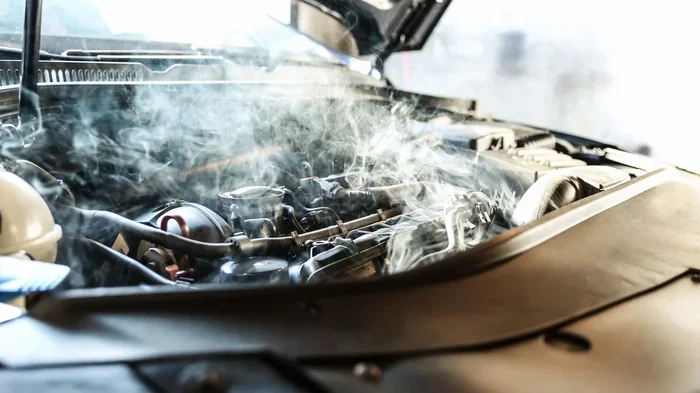
When a car overheats and shuts off, the engine temperature rises past safe limits. The cooling system fails to pull heat away from the engine. Steam may come from under the hood. The temperature gauge on your dashboard spikes into the red zone. At that point, the engine shuts down to avoid cracking the block or warping metal parts.
Understanding why this happens gives you a big advantage. You can spot trouble early. You can take the right steps quickly. And you can avoid costly repairs that come from ignoring warning signs. Let us walk through exactly what to do when this happens to you.
Common Reasons Your Engine Overheats
Several things can cause your car to overheat and shut off. Here are the most common ones:
- Low coolant level: Coolant absorbs heat from the engine. If the level drops too low, there is not enough to do its job.
- Coolant leak: A leak in the radiator hose, water pump, or radiator itself lets coolant escape over time.
- Thermostat failure: The thermostat controls coolant flow. If it sticks closed, coolant cannot reach the engine.
- Broken water pump: The water pump pushes coolant through the system. A failed pump means no circulation.
- Faulty radiator fan: The fan pulls air through the radiator at low speeds. If it stops working, heat builds up in traffic.
- Clogged radiator: Dirt, rust, or debris can block airflow or coolant flow through the radiator.
- Head gasket leak: A blown head gasket lets combustion gases into the cooling system, causing overheating.
Each of these issues needs a different fix. That is why knowing the steps to take right after your car overheats and shuts off is so important.
Immediate Steps to Take When Your Car Overheats
What you do in the first few minutes matters a lot. Acting fast can save your engine from serious harm. Here is exactly what to do, step by step.
Step 1: Pull Over Safely
As soon as you notice steam, a smell of hot coolant, or the temperature gauge climbing, find a safe place to stop. Pull onto the shoulder or into a parking lot. Turn on your hazard lights so other drivers can see you.
Do not keep driving. Even a few more minutes of driving with an overheating engine can cause the head gasket to fail or crack the engine block. The cost of those repairs goes way up fast.
Step 2: Turn Off the Engine
Once you are safely stopped, turn the engine off. Do not try to keep driving to the next exit. Let the engine rest. This stops the heat generation at the source.
If you have air conditioning on, turn it off too. The AC puts extra load on the engine and makes the overheating worse. Roll down your windows instead to stay cool.
Step 3: Wait for the Engine to Cool
This is the step most people skip, and it is dangerous. Do not open the hood right away. The engine and cooling system are under pressure and extremely hot. Wait at least 15 to 30 minutes before you touch anything under the hood.
Watch for the steam to stop. The temperature gauge should start dropping as the engine cools. Once there is no more steam and the engine feels less hot, you can carefully open the hood.
Step 4: Check the Coolant Level
After the engine cools down, open the hood and look at the coolant reservoir. The reservoir has a “min” and “max” line. If the coolant is below the min line, you have a leak or you have lost coolant somehow.
Do not open the radiator cap while the system is still hot. The pressurized hot coolant can spray out and cause severe burns. Only check or open the radiator cap once the engine is completely cool.
Step 5: Inspect for Visible Leaks
Look under your car for any puddles or drips. Coolant often looks green, orange, or pink and feels slippery. If you see a leak, you have found a likely cause of the overheating.
Also check the radiator hoses. If one is cracked, bulging, or disconnected, that is probably where the coolant escaped. A broken radiator hose is one of the most common reasons a car overheats and shuts off on the highway.
Step 6: Call for Help if Needed
If you cannot find the problem or the coolant level looks fine, call a tow truck or roadside assistance. Driving a car that has already overheated and shut off can make things worse. It is better to be safe than to blow up the engine.
Common Causes of Engine Overheating Explained
Now that you know what to do in the moment, let us dig deeper into why cars overheat in the first place. Understanding the root cause helps you prevent it from happening again.
Low or Leaking Coolant
Coolant is the lifeblood of your car’s cooling system. It flows through the engine, absorbs heat, and carries it to the radiator where it cools down. When the coolant level drops, there is not enough fluid to absorb heat. The engine temperature climbs fast.
Coolant leaks happen over time. Rubber hoses crack, the radiator develops pinholes, and the water pump seal wears out. Even a small leak can cause big problems if you do not notice it early. Check your coolant level regularly, especially before long trips.
Thermostat Problems
The thermostat is a small valve that opens and closes to control coolant flow. When the engine is cold, the thermostat stays closed to help it warm up fast. When the engine gets hot, the thermostat opens to let coolant flow through.
If the thermostat gets stuck closed, coolant cannot circulate. The engine heats up quickly and may overheat and shut off. Thermostat failure is common in older cars but can also happen in newer vehicles. Replacing a thermostat is usually an affordable fix.
Water Pump Failure
The water pump does exactly what its name suggests. It pumps coolant through the engine and radiator. Without a working water pump, the coolant sits still and the engine has no way to release heat.
Water pumps wear out over time. The bearing inside can fail, or the impeller can break. Signs of a failing water pump include coolant leaks near the front of the engine, whining noises, and steam coming from the engine area.
Radiator Fan Issues
The radiator fan pulls air through the radiator when you are driving slowly or sitting in traffic. At highway speeds, the air flowing through the radiator does most of the work. But at low speeds, the fan is essential.
If the fan motor fails or the fan relay goes bad, the radiator cannot cool the coolant properly. This is why many cars overheat in traffic on hot days. The engine is working hard but there is no airflow to cool it down.
Head Gasket Blowout
A head gasket sits between the engine block and the cylinder head. It keeps combustion gases in the cylinders and coolant in the cooling system. If the head gasket blows, combustion gases can enter the cooling system.
This creates air pockets that block coolant flow and cause the engine to overheat. A blown head gasket is one of the more serious and expensive overheating problems. Signs include white smoke from the exhaust, a milky look under the oil cap, and bubbles in the coolant reservoir.
How to Prevent Your Car From Overheating Again
Once you have dealt with an overheating situation, you do not want it to happen again. Prevention is much easier and cheaper than repair. Here are simple steps to keep your cooling system working well.
Check Coolant Levels Regularly
Make it a habit to check your coolant level once a month. You can do this when the engine is cool. Just look at the coolant reservoir and make sure the level is between the min and max lines.
If you find yourself adding coolant often, you have a leak somewhere. Do not just keep topping it off. Find and fix the leak before it causes bigger problems.
Inspect Hoses and Belts
Pop the hood every few weeks and look at the rubber hoses. Feel for cracks, bulges, or soft spots. Squeeze the hoses gently. If they feel mushy or brittle, it is time to replace them.
Also check the serpentine belt that drives the water pump. A loose or cracked belt can cause the water pump to stop working, which leads directly to overheating.
Keep the Radiator Clean
Your radiator needs good airflow to work properly. Over time, bugs, dirt, and debris can build up on the front of the radiator and block air from getting through.
You can gently hose down the front of the radiator when you wash your car. Do not use a pressure washer too close to the fins, as they can bend easily. Clean fins mean better airflow and better cooling.
Follow the Maintenance Schedule
Your car owner’s manual has a maintenance schedule. It tells you when to flush and replace the coolant. Old coolant loses its ability to absorb heat over time. Fresh coolant works much better at keeping the engine at the right temperature.
Most manufacturers recommend a coolant flush every 30,000 to 50,000 miles. Check your manual for the exact interval. Staying on top of this simple service goes a long way toward preventing overheating.
Watch the Temperature Gauge While Driving
Keep an eye on your temperature gauge during every drive. It should sit in the normal range, usually in the middle of the gauge. If you notice it creeping higher than usual, pull over and check things out.
Do not wait for steam or a shutdown. Catching a rising temperature early gives you time to address the problem before it becomes serious. A few minutes of attention can save you thousands in engine repairs.
What Happens If You Keep Driving an Overheating Car?
This is a question many drivers ask after their car overheats and shuts off. They wonder if they can just let it cool down and keep driving. The short answer is no. Here is why.
When the engine gets hot enough to shut off, internal parts have already been stressed. The metal expands under extreme heat. The head gasket may have started to fail. The cylinder walls may have warped slightly.
If you restart the engine and keep driving, you risk turning a small problem into a catastrophic one. A cracked engine block means the engine needs to be replaced entirely. Warped cylinder heads require expensive machining or replacement. Head gasket repairs alone can cost over a thousand dollars.
The safest thing to do is to have the car towed to a repair shop. Yes, it costs money for the tow. But it costs a whole lot less than a new engine. Trust me on this one. Let the professionals diagnose the problem.
When to Call a Mechanic Instead of Fixing It Yourself
Some overheating problems are simple enough to handle on your own. Others need a trained mechanic. Here is how to tell the difference.
You can handle minor issues yourself. Topping off coolant, replacing a cracked radiator hose, or swapping out a thermostat are doable DIY jobs. If you have basic tools and a little mechanical knowledge, these fixes are well within reach.
But call a mechanic right away if you notice any of these signs:
- The engine temperature gauge keeps climbing even after you add coolant.
- You see white smoke coming from the exhaust.
- There is a knocking or tapping sound coming from the engine.
- The oil looks milky or frothy under the oil cap.
- Your car overheats again shortly after you fixed the coolant level.
- You smell a sweet, syrupy odor that does not go away.
These signs point to serious engine problems. A professional mechanic has the tools and experience to diagnose and fix them properly. Do not try to be a hero with a blown head gasket or a cracked engine block. That will only make things worse and cost you more money.
Quick Tips for Handling Overheating on the Road
Here are some fast tips to remember the next time your car overheats and shuts off:
- Stay calm. Panic leads to bad decisions. Take a breath and follow the steps.
- Turn on the heat. This sounds backwards, but blasting the heater pulls heat away from the engine. It can buy you a few extra minutes.
- Do not open the radiator cap while hot. Seriously. The pressurized coolant can cause severe burns.
- Keep water in your trunk. In an emergency, you can add water to the coolant reservoir to get to the nearest repair shop. Water is not a long-term fix, but it works in a pinch.
- Know your route. Familiarize yourself with nearby auto parts stores and repair shops. If you are on a long road trip, this knowledge is invaluable.
- Keep your phone charged. You may need to call for roadside assistance. A dead phone makes that impossible.
Expert Insight: What Mechanics Wish Every Driver Knew
Experienced mechanics see the results of ignored overheating problems every single day. Here is what they want you to know.
“The biggest mistake drivers make is ignoring the temperature gauge,” says a longtime auto shop owner. “They see it climbing and just keep driving. By the time the engine shuts off, the damage is already done. The longer you wait, the worse it gets.”
Another mechanic adds that regular cooling system flushes are underrated. “People change their oil but forget about the coolant. Old coolant loses its properties. Fresh coolant keeps the engine running at the right temperature and prevents corrosion inside the system.”
Their advice is simple. Pay attention to your car. Do not ignore warning signs. And when something feels off, get it checked out. A small repair today can save you from a total engine replacement tomorrow.
Key Takeaways
- Act fast when your car overheats and shuts off: Pull over, turn off the engine, and wait for it to cool.
- Check the coolant level and look for leaks: These are the most common causes of overheating.
- Never drive an overheating car: It can cause catastrophic engine damage that costs thousands to repair.
- Prevent future problems with regular maintenance: Coolant flushes, hose inspections, and temperature gauge checks keep your car healthy.
- Know your limits: Some fixes are DIY-friendly, but serious overheating problems need a professional mechanic.
- Keep emergency supplies in your car: Extra coolant, water, and a charged phone can save you in a pinch.
Conclusion
Dealing with a car that overheats and shuts off is stressful. But knowing what to do turns a scary moment into a manageable situation. You now have the steps to take right away, the knowledge to understand what caused the problem, and the prevention tips to keep it from happening again.
The most important thing to remember is this: do not ignore overheating. Your engine is the heart of your car. When it overheats, it is telling you something is wrong. Listen to it. Pull over, cool down, and investigate. If you are not sure what to do, call a professional.
Taking quick action protects your engine and your wallet. Regular maintenance keeps your cooling system strong and reliable. And a little attention goes a long way toward making sure your car stays running smoothly for years to come. Stay safe out there, and keep your eyes on that temperature gauge.
Frequently Asked Questions
Can I drive my car after it overheats and shuts off?
No, you should not drive your car after it overheats and shuts off. The engine has already been stressed, and restarting it may cause more damage. Have the car towed to a repair shop instead. Driving it could turn a small repair into a major engine replacement.
How long should I wait before opening the hood after my car overheats?
Wait at least 15 to 30 minutes before opening the hood. The engine, coolant, and metal parts are extremely hot and under pressure. Opening the hood too soon can cause hot steam or coolant to spray out and burn you. Wait until the engine feels cool to the touch and there is no more steam.
What should I put in my car if the coolant is low?
If the coolant is low, you can add a 50/50 mix of coolant and distilled water. In an emergency, plain water will work temporarily. However, water does not protect against freezing or boiling as well as proper coolant. Get to a store or mechanic as soon as possible to fill up with the right mixture.
How much does it cost to fix an overheating car?
The cost depends on what caused the overheating. A simple radiator hose replacement might cost 50 to 150 dollars. A thermostat fix could run 100 to 300 dollars. But a blown head gasket or cracked engine block can cost 1,000 to 4,000 dollars or more. That is why early action matters so much.
Does air conditioning cause a car to overheat?
Air conditioning puts extra load on the engine, which can make overheating worse. If your car is already running hot, turn off the AC and turn on the heater instead. The heater helps pull heat away from the engine. But a working AC system on its own should not cause overheating in a healthy car.
How often should I check my coolant level?
Check your coolant level once a month and before any long road trips. You should also have the cooling system inspected during regular oil changes. Most mechanics will check the coolant level and condition as part of a routine service. Staying on top of this simple habit prevents most overheating problems.