Why Is My Hybrid System Not Working And What To Do
Your hybrid system may stop working for several reasons, from a degraded battery to a faulty inverter. Understanding these issues early can save you time, money, and stress. This guide walks you through the most common causes, practical fixes, and maintenance tips to keep your car running smoothly.
You turn the key or press the start button, and nothing happens. Your hybrid system just sits there, silent and unresponsive. It is a frustrating moment, especially when you depend on your car every single day. Whether you drive a Toyota Prius, a Honda Insight, or any other hybrid vehicle, this kind of failure can throw your whole routine off track.
The good news is that most hybrid system problems are fixable. You do not need to be a mechanic to understand what is going wrong. This guide breaks down the most common reasons your hybrid system stops working and gives you clear steps to get back on the road. We will cover warning signs, root causes, do-it-yourself fixes, and professional solutions. By the end, you will feel confident tackling the issue head-on.
Let us be real for a second. Hybrid cars are more complex than regular gasoline vehicles. They combine an electric motor, a high-voltage battery, and a traditional engine into one powertrain. When one part fails, it can affect everything else. That is why understanding your car is so important. The more you know, the better you can protect your investment.
Key Takeaways
- Point 1: A failing hybrid battery is the number one reason your hybrid system stops working properly and needs attention fast.
- Point 2: Warning lights like the check engine light and battery warning light should never be ignored on any hybrid vehicle.
- Point 3: Simple at-home checks such as resetting the battery and checking fluid levels can resolve minor hybrid car problems.
- Point 4: Regular hybrid maintenance including service schedules and driving habits prevents most system failures.
- Point 5: Hybrid repair costs vary widely, so always get a professional diagnosis before committing to expensive fixes.
- Point 6: Using onboard diagnostics and hybrid system checks helps you catch problems early and avoid costly repairs.
📑 Table of Contents
Common Signs Your Hybrid System Is Failing
Your car usually gives you plenty of warning before a major breakdown. The trick is knowing what to look for. Many drivers ignore early signs because they seem minor. But catching problems early can save you hundreds of dollars in hybrid repair cost and prevent bigger damage down the line.
Warning Lights You Should Never Ignore
Your dashboard is your best friend when it comes to diagnosing issues. If you see any of these lights, pay attention right away:
- Check Engine Light – This is the most common warning on any vehicle. On a hybrid, it often points to an issue with the hybrid system or the electric motor.
- Battery Warning Light – This signals trouble with your hybrid battery. It could mean the battery is degrading or there is a charging problem.
- Red Triangle Warning – Found on many Toyota hybrids, this means something serious needs immediate attention.
- Ready Light Not Coming On – If your car does not show the ready light, the hybrid system may not be engaging at all.
Do not wait for these lights to go away on their own. They rarely do. Each warning is your car asking for help. Ignoring them almost always makes the problem worse.
Unusual Sounds and Smells
Your hybrid car should run fairly quietly when the electric motor is doing the work. So any strange noise is worth investigating. Here are sounds and smells to watch for:
- Grinding or whirring noises – These often come from the electric motor or regenerative braking system wearing down.
- Hissing sounds – This could mean a fluid leak near the hybrid cooling system.
- Burning smell – Overheating components or leaking fluids can produce a sharp odor. Pull over safely and turn off the engine.
- Clicking when starting – This might indicate a weak high-voltage battery that cannot deliver enough power.
Trust your senses. You know your car better than anyone. If something sounds or smells off, get it checked. Small problems become big expenses fast when left alone.
Top Reasons Why Your Hybrid System Stops Working
Now let us get into the heart of the matter. Why does a hybrid system fail in the first place? The causes are varied, but some are much more common than others. Understanding these root causes helps you take the right action.
Degraded Hybrid Battery
The hybrid battery is the heart of your hybrid vehicle. Over time, it loses its ability to hold a full charge. This degradation is completely normal and expected. Most hybrid batteries last between eight and ten years before showing significant wear.
When the battery degrades, you will notice several symptoms:
- Reduced fuel efficiency and lower fuel economy
- The car runs more on the gasoline engine than the electric motor
- Difficulty starting or the car not reaching ready mode
- Warning lights related to the battery or powertrain
Extreme temperatures make battery degradation worse. Both very hot and very cold climates shorten battery life. If you live in a harsh climate, pay extra attention to your battery health.
Faulty Inverter or Power Control Module
The hybrid inverter converts DC power from the battery into AC power for the electric motor. The power control module manages how energy flows between the battery, motor, and engine. When either of these fails, your hybrid system cannot function properly.
Common signs of inverter or module failure include:
- The car shifts into limp mode and limits speed
- Error codes related to power delivery show up during a hybrid system check
- The electric motor does not engage at all
- You notice a drop in overall performance
These components are expensive to replace, which is why early detection matters so much. A simple hybrid system check at a trusted shop can catch inverter issues before they become total failures.
Issues With the Electric Motor
The electric motor works alongside the gasoline engine to power your car. When it starts to fail, you lose the benefits of electric driving entirely. Motor problems can stem from worn brushes, internal short circuits, or contamination from moisture.
Watch for these signs of motor trouble:
- Unusual humming or grinding during electric-only driving
- Loss of power when accelerating
- The car reverts entirely to gasoline mode without warning
- Error messages about the motor on your dashboard display
Motor issues are less common than battery problems, but they still happen. Regular hybrid maintenance helps keep the motor in good shape for years.
Cooling System Failures
Your hybrid cooling system keeps the battery, inverter, and motor at safe operating temperatures. When the cooling system fails, overheating damages sensitive components quickly. This is one of the most overlooked causes of hybrid system failure.
Signs your cooling system is not working properly:
- The temperature gauge reads higher than normal
- You notice coolant leaks under the car
- The car shuts down unexpectedly to protect itself
- Performance drops during hot weather or heavy driving
Check your coolant levels regularly. This is a simple task that many owners skip. A few minutes of attention can prevent a very expensive repair bill.
How To Diagnose Hybrid System Problems
Before you rush to the repair shop, there are steps you can take to narrow down the problem. Diagnosing the issue yourself can save time and money. It also helps you communicate better with your mechanic.
Using Onboard Diagnostics
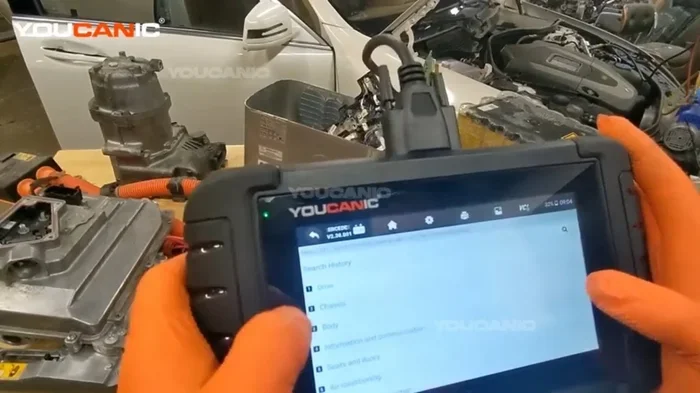
Every modern hybrid vehicle has an onboard diagnostics system, often called OBD-II. This system stores error codes whenever something goes wrong with the hybrid system. You can access these codes using a simple diagnostic scanner.
Here is how to use one:
- Find your OBD-II port. It is usually under the dashboard on the driver side.
- Plug in your diagnostic scanner or code reader.
- Turn the ignition to the on position (do not start the engine).
- Read the error codes displayed on the scanner.
- Look up the codes online or in your vehicle manual to understand what they mean.
Common codes related to hybrid car problems include P0A80 (hybrid battery replace), P0AA6 (hybrid system voltage issue), and P0E0A (power inverter malfunction). These codes give you a clear starting point for your investigation.
When To Call a Professional
Not every problem is DIY-friendly. High-voltage components in a hybrid vehicle carry serious risks if handled incorrectly. You should always call a professional for:
- Any work involving the high-voltage battery or wiring
- Diagnosing inverter or power control module faults
- Issues with the transmission or transmission fluid that affect the powertrain
- Any situation where the car shuts down unexpectedly while driving
Certified hybrid technicians have the training and equipment to handle these systems safely. Do not put yourself at risk. Know your limits and seek expert help when needed.
Step-by-Step Fixes You Can Try At Home
Some hybrid system issues are simple enough to fix yourself. These at-home solutions address the most common and least dangerous problems. Always disconnect the high-voltage battery before doing any hands-on work under the hood.
Resetting the Hybrid Battery
A reset can clear minor glitches and get your hybrid system working again. This is one of the easiest fixes you can try:
- Turn off the engine and remove the key from the ignition.
- Disconnect the 12-volt auxiliary battery (not the high-voltage battery).
- Wait at least five minutes for the system to fully power down.
- Reconnect the 12-volt battery and turn the ignition back on.
- Wait for the ready light to appear before starting to drive.
This simple reset clears temporary error codes and resets the hybrid system controller. Many owners report that this fixed their hybrid car problems immediately. It is always worth trying before spending money on repairs.
Checking Fluid Levels
Fluids play a critical role in how your hybrid car operates. Low or dirty fluids can cause all sorts of issues with the powertrain and hybrid system. Here are the fluids to check:
- Coolant – Keeps the battery and motor from overheating. Check the reservoir level monthly.
- Transmission fluid – Essential for smooth gear shifts in hybrid vehicles. Change it according to your service schedule.
- Brake fluid – The regenerative braking system relies on the hydraulic brakes as a backup. Low brake fluid affects both systems.
- Windshield washer fluid – Not directly related to the hybrid system, but keeping all fluids topped off is good practice.
Make checking fluids a habit. It takes just a few minutes and can prevent a surprising number of problems.
Hybrid System Maintenance Tips To Prevent Future Issues
The best way to deal with a broken hybrid system is to prevent it from breaking in the first place. Regular maintenance keeps your hybrid vehicle running at peak fuel efficiency and extends the life of every component.
Regular Service Schedule
Follow your manufacturer recommended service schedule without skipping appointments. A typical hybrid maintenance schedule includes:
- Battery health check every 12 months or 15,000 miles
- Coolant flush every two years
- Transmission fluid change every 30,000 to 60,000 miles
- Brake inspection every 6 months
- Full hybrid system check during annual service visits
Sticking to this schedule catches small issues before they grow. Think of it as insurance against unexpected breakdowns.
Driving Habits That Protect Your System
How you drive has a real impact on the health of your hybrid system. A few smart habits go a long way:
- Avoid extreme temperatures when possible – Park in shaded areas during summer and use a garage in winter to protect your battery.
- Use regenerative braking – This feature recharges your battery while slowing down. Smooth, gradual braking maximizes the benefit.
- Do not let the car sit for weeks – Regular use keeps the battery charged and the powertrain lubricated.
- Avoid fully draining the battery – Try to keep your charge level between 20 and 80 percent for optimal battery health.
- Drive smoothly – Aggressive acceleration and hard braking put extra strain on both the electric motor and the gasoline engine.
These habits are easy to adopt. Over time, they make a huge difference in how long your hybrid system lasts and how well it performs.
How Much Does Hybrid System Repair Cost?
Cost is always a concern when something breaks on your car. Hybrid repairs can be expensive because of the specialized components involved. But the exact cost depends entirely on what is wrong.
Average Repair Costs By Problem
Here is a rough breakdown of what you might expect to pay for common hybrid system repairs:
- Hybrid battery replacement – $2,000 to $8,000 depending on the vehicle model and battery type
- Inverter or power control module replacement – $1,500 to $4,000
- Electric motor repair – $1,000 to $3,500
- Cooling system repair – $300 to $1,200
- Minor diagnostic work and resets – $100 to $300
These are national averages in the United States. Your actual cost may be higher or lower depending on your location, the specific vehicle, and the shop you choose. Always ask for a detailed estimate before any work begins.
Is It Worth Repairing or Replacing?
This is a question every hybrid owner faces at some point. As a general rule, if the repair cost is less than half the value of your car, repair makes sense. If your vehicle is older and the repair is very expensive, it may be time to consider a replacement.
Also keep in mind that many hybrid batteries now come with warranties of eight to ten years. Check your warranty before paying for a battery replacement. You may already be covered.
Conclusion
A failing hybrid system does not have to be a disaster. Most problems are fixable, especially when you catch them early. From degraded batteries to cooling system failures, the causes are well understood and the solutions are within reach.
Start by paying attention to warning lights and unusual sounds. Use onboard diagnostics to identify error codes. Try simple at-home fixes like resetting the battery and checking fluid levels. And most importantly, keep up with regular hybrid maintenance to prevent problems before they start.
Your hybrid vehicle is a smart investment. With the right care and attention, it will reward you with years of reliable, efficient driving. Take action today, and your car will thank you tomorrow.
Frequently Asked Questions
What causes a hybrid system to stop working suddenly?
The most common cause is a degraded or failed hybrid battery. Other sudden failures include a faulty inverter, a blown fuse in the high-voltage system, or a problem with the power control module. Sometimes a simple reset of the hybrid system clears the issue and gets you back on the road.
How much does it cost to fix a hybrid system problem?
Hybrid repair cost varies widely depending on the issue. A simple diagnostic might cost $100 to $300, while a full battery replacement can run $2,000 to $8,000. Always get a detailed estimate from a certified technician before approving any work on your hybrid vehicle.
Can I drive my hybrid car if the hybrid system warning light is on?
You can usually drive a short distance, but it is not recommended. The warning light means something is wrong with the hybrid system, and continuing to drive could cause more damage. Have the car towed or get a hybrid system check as soon as possible to avoid costly repairs.
How long does a hybrid battery last before needing replacement?
Most hybrid batteries last between eight and ten years or around 100,000 to 150,000 miles. Extreme temperatures, aggressive driving, and skipping maintenance can shorten this lifespan. Regular hybrid maintenance helps your battery last as long as possible.
Is it safe to work on the hybrid system myself?
You can perform basic checks like resetting the system and checking fluid levels. However, the high-voltage battery and wiring carry dangerous levels of electricity. Always leave repairs involving the hybrid inverter, motor, or battery to certified professionals for your safety.
What is regenerative braking and how does it affect the hybrid system?
Regenerative braking is a system that captures energy during braking and stores it back in the hybrid battery. It is a key feature of every hybrid vehicle. When the regenerative braking system wears out, you may notice reduced battery charging, increased brake pad wear, and a drop in overall fuel efficiency.
=== SEO Title ===
Why Is My Hybrid System Not Working And What To Do
=== Meta Title ===
Why Is My Hybrid System Not Working? Fix It Now
=== URL Slug ===
why-is-my-hybrid-system-not-working