Why Is My Cruise Control Staying On and How to Fix It Now
Your cruise control staying on can be caused by a stuck cancel switch, a faulty brake light switch, or a malfunctioning vehicle speed sensor. These issues are more common than you think, and most have simple fixes you can do at home. This guide walks you through every possible cause, step-by-step solutions, and safety tips to get your cruise control system back to normal.
Have you ever been on a long drive and noticed that your cruise control just won’t turn off? It can be a little scary. You press the brake pedal, but the system keeps holding your car at the same speed. You try hitting the cancel button, and nothing happens. This is a real problem, and it happens more often than most drivers realize.
A cruise control staying on when you want it off is not just annoying. It can also be dangerous. If the system doesn’t respond when you need to slow down, you could lose control of the vehicle. The good news is that most causes are easy to find and fix. In this article, we will walk you through every reason why this happens and show you exactly how to solve it.
Whether you drive a sedan, truck, or SUV, the cruise control system works the same way. It uses sensors, switches, and a control module to keep your car moving at a set speed. When one part fails, the whole system can act up. Let’s dig into the details so you can get back to safe, stress-free driving.
Key Takeaways
- Stuck cancel switch: A dirty or broken cancel switch is one of the most common reasons cruise control stays engaged.
- Brake light switch failure: If your brake lights don’t turn on properly, the cruise control may not disengage when you press the pedal.
- Faulty vehicle speed sensor: A bad speed sensor can send wrong signals and keep the cruise control system active.
- Tripped fuse or wiring issue: A blown cruise control fuse or damaged wiring can cause strange behavior.
- Simple resets often work: Many cruise control staying on problems are fixed by a quick reset or fuse replacement.
- Safety first: If your cruise control won’t turn off, pull over safely and address the issue before driving again.
📑 Table of Contents
- How Your Cruise Control System Works
- Common Reasons Why Cruise Control Stays On
- Diagnosing a Cruise Control That Won’t Turn Off
- Step-by-Step Fixes You Can Do at Home
- Preventing Cruise Control Problems Before They Start
- When to See a Mechanic for Cruise Control Issues
- Safety Risks of Cruise Control Staying On
- Key Takeaways
- Final Thoughts on Cruise Control Staying On
How Your Cruise Control System Works
Before we talk about why cruise control stays on, it helps to understand how it works. Think of your cruise control like a helper that keeps your foot off the gas pedal. You set a speed, and the system takes over. It uses a few key parts to do this job.
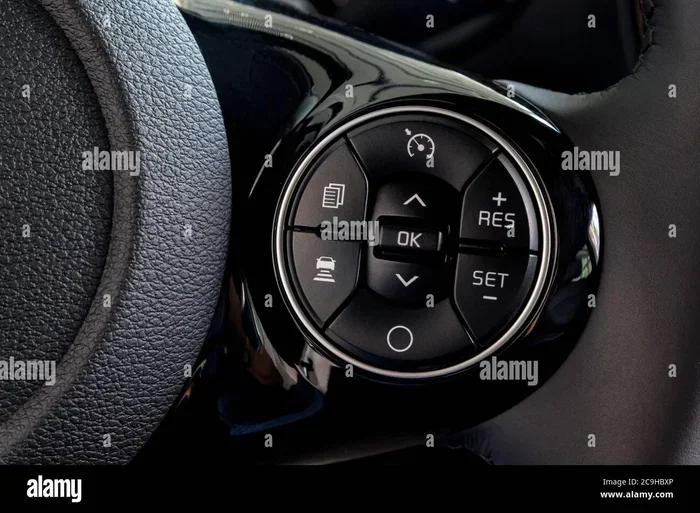
The main parts include the cruise control switch on your steering wheel, the vehicle speed sensor, the throttle cable, and the cruise control module. When you press the resume button, the system remembers your last speed and brings the car back up to it. When you hit the cancel switch or tap the brake pedal, the system shuts off.
The Role of the Brake Pedal
Your brake pedal is one of the most important parts of the cruise control system. When you press the brake, it sends a signal to the cruise control module to disengage. This is a safety feature built into every car. If the brake light switch is not working right, the system may not get that signal. That is one of the top reasons cruise control staying on happens.
What Is the Cancel Switch?
The cancel switch is usually on the steering wheel or the stalk near the steering column. When you press it, the cruise control turns off. Over time, this switch can get dirty or worn out. A stuck cancel switch means the system never gets the “turn off” command. This is a very common cause of cruise control malfunction.
Common Reasons Why Cruise Control Stays On
There are several reasons why your cruise control might not turn off. Some are simple fixes. Others need a bit more attention. Let’s look at the most common ones.
1. Stuck or Dirty Cancel Switch
The cancel switch is the most common culprit. Dust, dirt, and grime can build up around the switch over time. This can make it stick or stop working properly. When the switch is stuck, the cruise control system thinks you want it to stay on. Even if you press the button, it may not respond.
You might also notice that the cruise control warning light stays on the dash. This is a clear sign that the switch is not sending the right signal. Cleaning the switch or replacing it is usually an easy fix.
2. Faulty Brake Light Switch
Your car has a brake light switch that does two jobs. It turns on your brake lights when you press the pedal. It also tells the cruise control module to disengage. If this switch is bad, the cruise control might not know you are trying to slow down.
You can check this yourself. Ask someone to press the brake pedal while you look at the rear lights. If the brake lights don’t come on, the switch is likely the problem. Replacing a brake light switch is cheap and quick.
3. Bad Vehicle Speed Sensor
The vehicle speed sensor tells the cruise control module how fast you are going. If this sensor fails, it can send wrong signals to the system. The cruise control might stay on even when you are not moving at the set speed. You may also see a check engine light on your dashboard.
A bad speed sensor can affect more than just cruise control. It can also mess up your speedometer and transmission shifting. If you notice cruise control not working along with a shaky speedometer, the sensor is likely the issue.
4. Cruise Control Fuse Blown
Every car has a fuse box with fuses for different systems. The cruise control system has its own fuse. If this fuse blows, the system can act strange. Sometimes it stays on, and sometimes it won’t turn on at all.
Check your owner’s manual to find the cruise control fuse location. Pull the fuse out and look at it. If the metal strip inside is broken, you need a new fuse. This is one of the easiest cruise control diagnosis steps you can do at home.
5. Wiring or Electrical Issues
Wiring problems can cause all kinds of cruise control issues. A wire that is frayed, corroded, or disconnected can send wrong signals to the cruise control module. This is more common in older cars or vehicles that have been in accidents.
Look under the hood for any wires that look damaged or loose. You can also check the connectors near the throttle body and the cruise control module. Sometimes a simple reconnection fixes the problem right away.
6. Cruise Control Module Failure
The cruise control module is the brain of the system. It takes in signals from the speed sensor, the switches, and the brake pedal. If the module itself fails, it can cause all kinds of problems. The cruise control might stay on, not respond, or turn on and off randomly.
Module failure is less common than the other causes on this list. But it does happen, especially in high-mileage vehicles. If none of the other fixes work, the module might need to be replaced or reprogrammed.
7. Throttle Cable or Actuator Problems
The throttle cable connects the cruise control system to the engine. When the system is active, it pulls on the cable to control your speed. If the cable is stuck or the actuator is failing, the cruise control might not release. You may feel the throttle staying open even when you take your foot off the pedal.
This is a more serious issue that should be handled by a professional. A stuck throttle cable can be a safety risk if not fixed quickly.
8. Adaptive Cruise Control Sensor Issues
Many newer cars have adaptive cruise control. This system uses radar or cameras to keep a safe distance from the car ahead of you. If the sensor for this system gets dirty or fails, it can cause the cruise control to stay on or behave oddly.
You might notice the adaptive cruise control warning light on the dash. A dirty sensor cover or a faulty radar unit can trigger this. Cleaning the sensor area is a good first step before assuming the worst.
Diagnosing a Cruise Control That Won’t Turn Off
Now that you know the common causes, let’s talk about how to diagnose the problem. A little detective work can save you a lot of time and money.
Step 1: Check the Dashboard Warning Lights
Start by looking at your dashboard. Is the cruise control warning light on? Is the check engine light flashing? These lights give you clues about what is going wrong. A steady cruise control light usually means the system is active. A blinking light often points to a fault in the system.
Step 2: Try the Basic Reset
Before you dig deeper, try a simple reset. Turn the car off, wait 30 seconds, and turn it back on. This clears temporary glitches in the cruise control system. Many drivers are surprised at how often this fixes the problem. It is always worth trying first.
Step 3: Test the Brake Pedal and Cancel Switch
Press the brake pedal firmly and see if the cruise control turns off. If it does not, the brake light switch or the cancel switch might be bad. Try pressing the cancel button several times. If the switch feels sticky or loose, that is a strong clue.
Step 4: Check the Fuses
Open your fuse box and look for the cruise control fuse. Compare it to the diagram in your owner’s manual. A blown fuse is an easy fix and costs just a few dollars. Keep spare fuses in your car at all times.
Step 5: Use an OBD2 Scanner
If the basic steps don’t help, grab an OBD2 scanner. This tool plugs into your car’s diagnostic port and reads error codes. You can find the codes related to cruise control and speed sensors. Many auto parts stores will scan your car for free if you ask nicely.
Step-by-Step Fixes You Can Do at Home
Some cruise control problems are easy to fix yourself. Here are the steps you can take right now.
Fix 1: Clean the Cancel Switch
Spray a small amount of electrical contact cleaner onto the cancel switch. Press it several times to work the cleaner into the mechanism. Wipe away any grime with a clean cloth. This simple step fixes many cases of cruise control staying on. Do this every few months to keep the switch working smoothly.
Fix 2: Replace the Brake Light Switch
The brake light switch is usually located near the top of the brake pedal arm. Unplug the old switch, remove the mounting bolt, and install the new one. It costs around 10 to 30 dollars. This is one of the cheapest and most effective cruise control fixes you can do.
Fix 3: Replace a Blown Fuse
Find the cruise control fuse in your owner’s manual. Pull it out with a fuse puller or a pair of needle-nose pliers. Insert a new fuse with the same amp rating. This takes less than five minutes and costs almost nothing.
Fix 4: Reset the Cruise Control System
Disconnect the car battery for 15 minutes. This resets the cruise control module and clears any temporary error codes. Reconnect the battery and test the system. This fix works well for intermittent cruise control problems that come and go.
Quick Tip: Always turn off the cruise control manually before starting any repair work. This keeps you safe while you work on the car.
Preventing Cruise Control Problems Before They Start
The best way to deal with cruise control staying on is to prevent the problem in the first place. A little regular maintenance goes a long way.
Keep Your Switches Clean
Dust and dirt are the enemies of your cruise control switches. Wipe down the steering wheel controls and the cancel switch every few weeks. Use a soft cloth with a little electronics cleaner. This keeps the contacts clean and prevents sticking.
Check Fuses During Oil Changes
Make it a habit to check your fuses every time you get an oil change. A quick visual inspection can catch a blown fuse before it causes bigger problems. Keep a spare set of fuses in your glove box.
Watch for Warning Signs
If your cruise control starts acting funny, don’t ignore it. A slight delay in disengaging or a flickering warning light can point to an early problem. Catching small issues early saves you from bigger repairs later.
Drive Smart
Avoid using cruise control in heavy traffic, rain, or icy conditions. These are situations where you need full control of your speed. Using cruise control in bad weather puts extra stress on the system and increases the risk of malfunction.
When to See a Mechanic for Cruise Control Issues
Not every cruise control problem is a DIY fix. Some issues need the skills of a trained mechanic. Here are the signs that it is time to visit a shop.
If you have tried the basic fixes and the cruise control still stays on, get professional help. If you see a check engine light along with cruise control problems, the issue could be deeper. A mechanic can run a full cruise control diagnosis and find the root cause.
Also see a mechanic if you notice any of these signs. The throttle cable feels stuck or rough. The cruise control module makes clicking sounds. The speed sensor gives inconsistent readings. These are not problems you want to ignore. A failing cruise control system can lead to unsafe driving conditions.
Cost is another factor. A simple fuse or switch replacement costs very little. But if the cruise control module needs replacing, the bill can be higher. The average cost for a module replacement ranges from 200 to 600 dollars depending on your car model. Labor costs vary by location. Always ask for a diagnostic fee upfront before committing to repairs.
When you do visit a mechanic, be ready to describe the problem clearly. Tell them when the cruise control stays on, what you have tried, and any warning lights you have seen. This helps them diagnose the issue faster and saves you money.
Safety Risks of Cruise Control Staying On
Driving with cruise control that won’t turn off is a real safety risk. The system keeps the engine pushing the car forward at the set speed. If you need to slow down quickly, you have to manually override it. This takes precious seconds in an emergency.
In wet or slippery conditions, a stuck cruise control can cause the wheels to spin. This leads to loss of traction and potential accidents. Always turn off cruise control manually if you feel the road conditions are unsafe. Your safety comes first, no matter what the system is doing.
If you ever find yourself in a situation where the cruise control will not disengage, stay calm. Pump the brake pedal firmly. Shift the car into neutral. This disconnects the engine from the wheels and slows the car down. Pull over safely and turn off the ignition.
Key Takeaways
- Stuck cancel switch: A dirty or broken cancel switch is one of the most common reasons cruise control stays engaged.
- Brake light switch failure: If your brake lights don’t turn on properly, the cruise control may not disengage when you press the pedal.
- Faulty vehicle speed sensor: A bad speed sensor can send wrong signals and keep the cruise control system active.
- Tripped fuse or wiring issue: A blown cruise control fuse or damaged wiring can cause strange behavior.
- Simple resets often work: Many cruise control staying on problems are fixed by a quick reset or fuse replacement.
- Safety first: If your cruise control won’t turn off, pull over safely and address the issue before driving again.
Final Thoughts on Cruise Control Staying On
A cruise control staying on is a frustrating and potentially dangerous problem. But it is almost always fixable. The most common causes are a stuck cancel switch, a bad brake light switch, or a blown fuse. These are repairs you can often handle yourself with basic tools and a little patience.
Remember to stay calm if the cruise control won’t disengage while you are driving. Use the brake pedal, shift to neutral, and pull over safely. Once you are stopped, work through the diagnostic steps in this guide. Start with the simple fixes and move to more advanced checks if needed.
Regular maintenance keeps your cruise control system in great shape. Clean your switches, check your fuses, and pay attention to warning lights. These small habits prevent most cruise control problems before they start. Your car is a big investment, and keeping it running well is worth the effort.
Now you have the knowledge to tackle this problem head-on. Don’t let a stubborn cruise control ruin your next road trip. Grab your tools, follow the steps in this guide, and get back to enjoying a smooth, safe drive.
Frequently Asked Questions
Why does my cruise control stay on even when I press the brake pedal?
This usually means your brake light switch is faulty. The switch tells the cruise control module to disengage when you press the brake. If it is not working, the system never gets the signal to turn off. Replacing the brake light switch is a quick and affordable fix.
Can a blown fuse cause cruise control to stay on?
Yes, a blown cruise control fuse can cause the system to behave strangely. It may stay on, not respond to buttons, or turn on and off randomly. Check the fuse box and replace the fuse if it is blown. This is one of the easiest cruise control diagnosis steps you can do.
Is it safe to drive with cruise control staying on?
It is not safe. A cruise control that won’t disengage takes away your ability to quickly slow down. In an emergency, every second counts. If your cruise control stays on, turn it off manually or pull over safely and address the issue before continuing your drive.
How much does it cost to fix cruise control staying on?
The cost depends on the cause. A fuse replacement costs under 10 dollars. A brake light switch costs 10 to 30 dollars. A cancel switch or speed sensor may run 50 to 150 dollars. A cruise control module replacement can cost 200 to 600 dollars including labor. Always get a quote before committing to repairs.
Can I fix cruise control staying on myself?
Yes, many causes are easy to fix at home. Cleaning the cancel switch, replacing a fuse, or swapping out a brake light switch are simple tasks. You only need basic tools and a few minutes. If the problem involves the cruise control module or wiring, it is best to see a professional mechanic.
What should I do if the cruise control won’t turn off while driving?
Stay calm and press the brake pedal firmly. Shift the car into neutral to disconnect the engine from the wheels. Pull over safely and turn off the ignition. Once stopped, check the cancel switch, brake light switch, and fuses. These are the most common causes of cruise control staying on while driving.