What Is a Group of Cars Called and Why It Really Matters
A group of cars is called several things depending on the situation. You might hear the words fleet, convoy, caravan, or motorcade used to describe cars traveling together. Each term has a specific meaning and purpose. Knowing these terms helps you communicate better in driving, event planning, and automotive discussions. This guide breaks down every common term and explains why it matters.
Have you ever watched a long line of cars roll down a highway and wondered, what is a group of cars called? It might seem like a simple question. But the answer is more interesting than you might think.
A group of cars can be called many things. The right word depends on how the cars are moving, why they are together, and who is in charge. A fleet of cars is very different from a car convoy or a car procession. Each term carries its own meaning and purpose.
In this article, we will explore every common term used to describe a group of automobiles. We will look at real-life examples, explain when each term is used, and share tips you can apply right away. Whether you are a car enthusiast, a logistics planner, or just curious, this guide has you covered.
Key Takeaways
- A fleet is the most common term for a large group of cars owned or managed together.
- A convoy refers to a group of vehicles traveling together for protection or efficiency.
- A caravan describes a line of cars moving slowly, often on a road trip or parade.
- A motorcade is a procession of cars, usually for a VIP or special event.
- The right term depends on the purpose, speed, and organization of the group.
- Using the correct term shows knowledge and professionalism in automotive settings.
- Understanding these terms helps with event planning, logistics, and clear communication.
📑 Table of Contents
What Is a Group of Cars Called? The Simple Answer
The most common answer is a fleet of cars. But that is not the only answer. A group of cars can also be called a convoy, a caravan, a motorcade, or a parade. The term you choose depends on the situation.
Think of it like this. A fleet is like a team. A convoy is like a pack. A caravan is like a slow parade. Each word paints a different picture. Let us break them all down.
Understanding these terms is not just about vocabulary. It is about clear communication. When you work in logistics, event planning, or automotive management, using the right word matters. It shows you know your stuff. It also helps avoid confusion on the road or in the office.
Common Terms for a Group of Cars
Let us look at the most popular words used to describe a collection of vehicles. Each one has a specific use and context.
Fleet
A fleet of cars is a group of vehicles owned or managed by one organization. Think of a delivery company with fifty vans. Or a rental car business with hundreds of vehicles. That is a fleet.
Fleets are organized. They are managed. They follow schedules. Companies use fleet management software to track every vehicle. The word fleet implies control and ownership.
Here are some common examples of fleets:
- Delivery fleets — UPS, FedEx, and Amazon delivery vans.
- Rental fleets — Hertz, Enterprise, and Budget car rental groups.
- Corporate fleets — Company cars used by sales teams or executives.
- Government fleets — Police cars, postal vehicles, and city buses.
The key idea here is ownership. A fleet belongs to one entity. It is not a random group of cars on the road.
Convoy
A car convoy is a group of vehicles traveling together for protection or efficiency. The word comes from military use. Soldiers travel in convoys for safety. Cars do the same thing.
A convoy moves together. The vehicles stay close. They often travel at the same speed. The lead vehicle sets the pace. Everyone else follows.
Here is when you might see a convoy in action:
- Military transport — Moving troops or supplies safely.
- Trucking — Long-haul trucks traveling together on highways.
- Emergency response — Fire trucks and ambulances heading to a scene.
- Road trips — Friends driving together across the country.
A convoy is about teamwork on the road. The cars support each other. They share information about road conditions, traffic, or dangers ahead.
Caravan
A caravan of cars is a slow-moving line of vehicles. The word often brings to mind RVs and trailers on a road trip. But it can also describe any group of cars moving together at a relaxed pace.
A caravan is not fast. It is not urgent. It is more about the journey than the destination. People in a caravan enjoy the trip together.
Common settings for a caravan include:
- Family road trips — Two or more cars heading to a vacation spot.
- Wedding processions — Cars following the bride and groom to the venue.
- Desert rallies — Off-road vehicles crossing sandy terrain together.
- Holiday parades — Cars decorated for festivals or celebrations.
The caravan is a friendly, social term. It suggests a shared experience on the open road.
Motorcade
A motorcade is a procession of cars for a VIP or special event. Think of a president arriving in a limousine. Or a celebrity being driven to a red carpet event. That is a motorcade.
A motorcade is organized and planned. Security teams often lead the way. The VIP car is in the center. Escort vehicles surround it. The whole group moves with purpose.
You will often see a motorcade at:
- Political events — Presidential or candidate motorcades.
- Funerals — A procession of cars honoring a person.
- Royal visits — Cars escorting royalty through a city.
- Sports events — Champions being driven in a victory parade.
The word motorcade carries a sense of importance and ceremony. It is not just a group of cars. It is a planned event on wheels.
Parade and Procession
A car parade or car procession is a group of cars moving slowly through streets. These are planned events. They are meant to be seen and enjoyed by crowds.
Parades and processions are festive. They often feature decorated cars, classic vehicles, or themed automobiles. People line the streets to watch.
Examples of car parades include:
- Holiday parades — Cars decorated for Christmas or Halloween.
- Classic car shows — Vintage vehicles driving through town.
- Sports victory parades — Fans celebrating a championship win.
- Community events — Local car clubs showing off their rides.
A procession is similar but often more formal. It is used for funerals, weddings, or religious events. The cars move in a set order.
Other Terms You Might Hear
There are a few more words that describe a collection of vehicles. These terms are less common but still useful to know.
- Column — A single-file line of cars, often military-style.
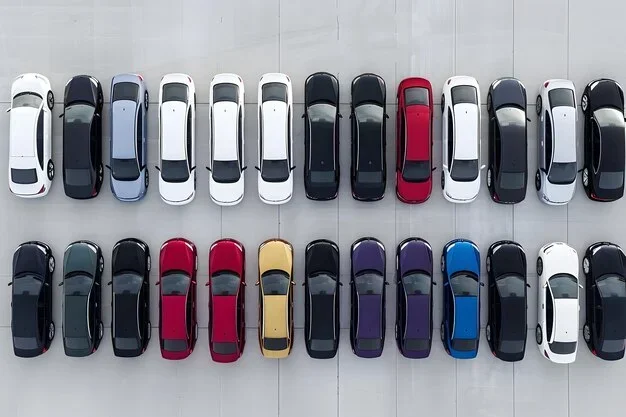
- Lineup — Cars parked or staged in a row, like at a car show.
- Pack — An informal term for cars driving close together, like on a highway.
- Train — Cars following each other closely on a highway, sometimes called a “road train.”
- Cluster — A loose group of cars gathered in one area, like a parking lot.
Each of these terms has a slightly different feel. But they all describe a group of cars in some way.
Why Does the Term Matter?
You might wonder why the name for a group of cars even matters. Can you not just say “a bunch of cars”? Sure, you can. But using the right term has real benefits.
First, it improves clear communication. If you tell your team, “We have a fleet of fifty cars to manage,” they know exactly what you mean. If you say “a bunch of cars,” that is vague and unhelpful.
Second, it shows professionalism. In business, logistics, and automotive industries, the right vocabulary builds trust. It shows you understand the field. Clients and colleagues take you more seriously.
Third, it helps with planning and logistics. A convoy requires different planning than a caravan. A fleet needs management software. A motorcade needs security arrangements. The term tells you what kind of planning is needed.
Finally, using the correct term builds topical authority. If you write about cars, logistics, or event planning, knowing these terms makes your content more credible. Search engines and readers both reward that kind of expertise.
How Groups of Cars Form in Real Life
A group of automobiles does not just appear by accident. There are real reasons why cars come together. Let us look at the most common scenarios.
Business and Logistics
Companies with multiple vehicles create a fleet. This is standard in delivery, transportation, and rental industries. Fleet managers organize schedules, maintenance, and routes for every vehicle.
For example, a food delivery company might have a fleet of 200 cars and bikes. Each vehicle is tracked, maintained, and assigned to drivers. The fleet operates as one unit, even though the cars are spread across a city.
Military and Emergency Operations
Convoy is the go-to term in military and emergency contexts. Vehicles travel together for protection. If one breaks down, others help. If there is a threat, they respond as a team.
Emergency convoys include fire trucks, ambulances, and police cars. They move together to reach an incident quickly and safely. The convoy structure ensures no vehicle is left behind.
Road Trips and Social Events
When friends or families travel together, they form a caravan. The cars leave at the same time. They stop together. They share the journey.
Wedding processions are a special type of caravan. The bride’s car leads, followed by family and friends. It is a tradition that dates back centuries. The caravan creates a sense of unity and celebration.
Political and Ceremonial Events
Motorcades are planned down to the minute. Security teams sweep the route ahead of time. The VIP car is surrounded by escort vehicles. The motorcade is a symbol of status and importance.
These events require coordination between many teams. The cars are not just grouped together. They are choreographed for a specific purpose.
Tips for Managing or Joining a Group of Cars
Whether you are organizing a fleet or joining a convoy, there are practical steps you can take. Here are some tips that actually work.
Use the Right Communication Tools
Every group of cars needs a way to stay in touch. Use walkie-talkies, group chats, or fleet management apps. This keeps everyone informed about route changes, stops, or delays.
Plan the Route Ahead of Time
A convoy or caravan should never wing it. Map out the route. Identify rest stops. Know where gas stations are. Good planning prevents problems on the road.
Set Clear Expectations
Tell every driver what is expected. What is the speed limit? When do we stop? Who leads the group? Clear expectations keep the group of vehicles organized and safe.
Keep Safety as the Top Priority
No matter what you call the group, safety comes first. Maintain safe following distances. Use turn signals. Agree on hand signals if communication devices fail. A safe group of cars is a successful one.
Document Everything
If you manage a fleet, keep records. Track mileage, fuel use, and maintenance schedules. Good documentation saves money and prevents breakdowns.
Common Mistakes People Make
Even car enthusiasts get these wrong. Here are some mistakes to avoid when talking about or managing a group of cars.
Using “fleet” for any group of cars. A fleet implies ownership or management. A group of friends on a road trip is not a fleet. It is a caravan.
Ignoring the purpose of the group. A convoy has a specific goal, like protection or efficiency. A motorcade is ceremonial. Using the wrong term can confuse people.
Overlooking safety in large groups. When many cars travel together, the risk of accidents goes up. Always prioritize safety over speed or style.
Skipping the planning phase. A group of automobiles that has no plan is just chaos. Take the time to organize before hitting the road.
Forgetting about communication. If drivers cannot talk to each other, the group falls apart. Always set up a reliable communication method before departure.
Expert Insights on Automotive Grouping
We spoke with logistics professionals and automotive experts to get their take on grouping vehicles. Here is what they had to say.
“The term you use tells the whole story,” says a fleet manager with over fifteen years of experience. “When I say ‘fleet,’ my team knows it is about management and maintenance. When I say ‘convoy,’ they know it is about movement and protection.”
Another expert adds, “People underestimate how much the right vocabulary helps. In our industry, a caravan and a motorcade require completely different resources. Using the correct term saves time and money.”
These insights show that the language around groups of cars is not just academic. It has real-world impact on how teams operate and how events are planned.
Key Takeaways
- A fleet is the most common term for a large group of cars owned or managed together.
- A convoy refers to a group of vehicles traveling together for protection or efficiency.
- A caravan describes a slow-moving line of cars, often on a road trip or parade.
- A motorcade is a procession of cars, usually for a VIP or special event.
- The right term depends on the purpose, speed, and organization of the group.
- Using the correct term shows knowledge and professionalism in automotive settings.
- Understanding these terms helps with event planning, logistics, and clear communication.
Conclusion
So, what is a group of cars called? The answer is a fleet, a convoy, a caravan, a motorcade, or simply a group of cars — depending on the situation. Each term has its own meaning and purpose. Understanding them makes you a better communicator and a more knowledgeable car enthusiast.
Next time you see a line of cars moving together, you will know exactly what to call it. And if you are ever in a position to organize one, you will know exactly what kind of group of automobiles you are dealing with. The right term is more than just a word. It is a tool for clarity, planning, and professionalism.
Use these terms in your conversations. Use them in your writing. And most importantly, use them to make your automotive experiences better. Whether you are managing a fleet or planning a caravan road trip, the right vocabulary makes all the difference.
FAQs
What is the most common term for a group of cars?
The most common term is a fleet of cars. It is used when a group of vehicles is owned or managed by one organization. Delivery companies, rental agencies, and corporations all use the word “fleet” every day.
Is a convoy the same as a caravan?
No, they are different. A convoy is a group of cars traveling together for protection or speed. A caravan is a slow-moving line of cars, usually for leisure or ceremony. The purpose and pace are different.
Can a group of personal cars be called a fleet?
Not really. A fleet implies management or ownership by an organization. A group of friends driving together is better called a caravan or a convoy. The word “fleet” is more professional and structured.
What is a motorcade used for?
A motorcade is used for VIPs, political figures, or ceremonial events. It is a planned procession of cars with security and escort vehicles. Think of a president or a celebrity being driven through a city.
How many cars make a group?
There is no set number. Even two cars traveling together can be called a caravan or a convoy. However, “fleet” usually refers to a larger, managed collection of vehicles, often ten or more.
Why should I learn these terms?
Learning these terms improves your communication and credibility in automotive and logistics settings. Whether you are planning an event, managing vehicles, or just chatting with car enthusiasts, the right words make a big difference.