How Many Cars Does Maserati Actually Produce Per Year
Maserati produces roughly 30,000 to 50,000 vehicles per year, making it a boutique luxury brand with a very low output compared to mass-market automakers. Their production is carefully controlled to maintain exclusivity, quality, and brand prestige. Maserati’s annual production numbers reflect its position as a niche Italian luxury manufacturer owned by Stellantis.
This is a comprehensive guide about How Many Cars Does Maserati Make Per Year.
Key Takeaways
- Low Volume Production: Maserati makes far fewer cars than brands like Toyota or Ford, typically between 30,000 and 50,000 units annually.
- Focus on Exclusivity: The brand deliberately limits output to preserve its luxury status and brand mystique.
- Stellantis Ownership: Maserati is part of the Stellantis group, which helps fund and support its production operations.
- Key Models Drive Output: The Grecale SUV, GranTurismo coupé, and MC20 supercar are the main contributors to annual production numbers.
- Production Has Grown: Maserati’s annual output has increased in recent years thanks to new model launches and renewed brand investment.
- Maintenance Matters: Owning a Maserati means staying on top of upkeep, including oil changes and engine care.
[FEATURED_IMAGE_PLACEHOLDER]
How Many Cars Does Maserati Actually Produce Per Year
Maserati is one of the most exciting names in the luxury car world. The Italian brand has been turning heads for nearly a century. But here is a question many car fans ask: how many cars does Maserati actually produce per year? The answer might surprise you. Maserati does not build millions of vehicles. Instead, it focuses on a carefully managed, low-volume approach. This strategy keeps the brand rare and desirable.
In this article, we will dive deep into Maserati’s annual production numbers. We will look at the models they build, how their output has changed over time, and what their future plans look like. Whether you are a Maserati fan or just curious about luxury car production, this guide covers everything you need to know about Maserati’s annual production numbers.
Understanding Maserati’s Production Scale
When we talk about how many cars Maserati makes per year, we are talking about a brand that operates on a very different scale than mainstream automakers. Maserati is not trying to sell millions of cars. It is selling a lifestyle, a feeling, and a piece of Italian engineering artistry.
Why Maserati Keeps Production Low
There are several reasons Maserati limits its annual output. First, luxury car branding depends on scarcity. When a car is rare, it feels more exclusive. Buyers want to stand out, and a low-production car helps them do that. Second, Maserati focuses on quality over quantity. Building fewer cars allows the brand to pour more attention into each unit. Third, Maserati operates within the Stellantis group, which includes brands like Ferrari, Alfa Romeo, and Jeep. This partnership gives Maserati access to shared technology and platforms without needing to produce at massive volumes.
Compare this to brands like Toyota or Ford, which produce millions of cars each year. Maserati’s approach is the opposite. It is a boutique manufacturer that treats every vehicle like a handcrafted piece of art.
Current Annual Production Numbers
So, what are the actual numbers? Maserati’s annual production has hovered around 30,000 to 50,000 units in recent years. This number fluctuates based on model demand, new launches, and market conditions. For context, Ferrari produces around 8,000 to 10,000 cars per year, while Lamborghini makes roughly 8,000 as well. Maserati sits in a slightly higher tier, but it is still far below mass-market brands.
In 2023, Maserati reported a notable increase in global sales. The launch of new models like the Grecale SUV and the refreshed GranTurismo helped drive this growth. The brand sold more cars than it had in several years, signaling strong consumer interest in Maserati’s latest lineup.
The Models That Drive Maserati’s Output
Every car that rolls off Maserati’s production line belongs to a specific model family. Understanding these models helps explain where the brand’s annual production numbers come from. Let us break down the key players.
Maserati Grecale
The Grecale is Maserati’s compact luxury SUV. It has become one of the brand’s best-selling models in recent years. The Grecale comes in several trims, including the base GT, the Folgore electric version, and the powerful Trofeo variant. Because SUVs are in high demand globally, the Grecale has helped boost Maserati’s overall production numbers significantly.
The Grecale Folgore is especially interesting. It is Maserati’s first fully electric SUV, and it represents the brand’s push toward electrification. As more buyers look for electric luxury SUVs, the Grecale Folgore is expected to play a big role in Maserati’s future output.
Maserati GranTurismo
The GranTurismo is a classic Maserati coupé with a long and storied history. The latest generation, launched in 2023, features a sleek design and a powerful V6 engine. The GranTurismo is a grand tourer, built for long, comfortable drives with style and performance.
This model appeals to buyers who want a luxury sports car without the extreme price tag of a Ferrari or Lamborghini. The GranTurismo helps Maserati reach a broader audience while maintaining its premium positioning.
Maserati MC20
The MC20 is Maserati’s supercar flagship. It is a mid-engine, two-seat coupe that packs a serious punch. The MC20 features a proprietary 3.0-liter twin-turbo V6 engine that produces over 600 horsepower. This car is built for speed and performance enthusiasts.
However, the MC20 is produced in very limited numbers. Maserati does not need to build thousands of these cars. The MC20 serves more as a halo product that raises the brand’s profile and generates excitement. Its low production volume is by design.
Maserati Quattroporte
The Quattroporte is Maserati’s full-size luxury sedan. It has been a cornerstone of the brand’s lineup for decades. The latest Quattroporte offers a blend of elegance, comfort, and performance. It competes with the BMW 7 Series, Mercedes-Benz S-Class, and Audi A8.
The Quattroporte appeals to executives and luxury car buyers who want a refined, powerful sedan. While it is not the highest-selling Maserati model, it remains an important part of the brand’s identity and production mix.
Maserati Levante
The Levante was Maserati’s first-ever SUV, and it helped the brand tap into the booming luxury SUV market. The Levante comes in several trims, including the Trofeo with a powerful V8 engine. While newer models like the Grecale have taken over some of the spotlight, the Levante still contributes to Maserati’s annual production.
Many Maserati Levante owners appreciate the blend of SUV practicality and sports car performance. It is a unique offering in the luxury SUV segment.
How Maserati’s Production Compares to Other Luxury Brands
To truly understand Maserati’s production scale, it helps to compare it with other luxury and exotic car brands. The table below shows a side-by-side look at annual production numbers for several well-known brands.
- Maserati: 30,000 to 50,000 units per year
- Ferrari: 8,000 to 10,000 units per year
- Lamborghini: 8,000 to 10,000 units per year
- Porsche: 300,000+ units per year
- Bentley: 15,000 to 20,000 units per year
- Rolls-Royce: 6,000 to 8,000 units per year
- BMW: 2 million+ units per year (all brands)
As you can see, Maserati sits in a unique spot. It produces more cars than Ferrari and Lamborghini but far fewer than Porsche or BMW. This middle ground allows Maserati to maintain a sense of exclusivity while still reaching a wider audience than the ultra-rare brands.
When you compare Maserati to Porsche, the difference is stark. Porsche sells over 300,000 cars annually, while Maserati sells a fraction of that. But Maserati does not try to compete on volume. It competes on emotion, design, and heritage.
The Role of Stellantis in Maserati’s Production
Maserati is owned by Stellantis, one of the world’s largest automotive groups. Stellantis was formed in 2021 through the merger of Fiat Chrysler Automobiles and PSA Group. The group includes brands like Fiat, Jeep, Peugeot, Citroën, Dodge, Chrysler, Alfa Romeo, and, of course, Maserati.
Shared Platforms and Technology
Being part of Stellantis gives Maserati access to shared platforms and technology. For example, the Grecale shares its platform with the Alfa Romeo Stelvio and other Stellantis SUVs. This sharing helps reduce development costs and allows Maserati to focus its resources on refining the driving experience and maintaining luxury standards.
Stellantis also provides financial backing and strategic direction. The group has invested heavily in Maserati’s future, including plans for electric and hybrid vehicles. This support is essential for a brand that cannot rely on massive sales volumes to fund its operations.
Future Production Plans
Maserati has ambitious plans for the coming years. The brand aims to go fully electric by 2030, with every model offering an electric or hybrid variant. This shift will require significant changes to production facilities and processes.
The Grecale Folgore is just the beginning. Future Maserati models, including a potential electric version of the Quattroporte and GranTurismo, will follow. These new models are expected to increase Maserati’s annual production as the brand expands its electric lineup.
Stellantis has also invested in upgrading Maserati’s manufacturing plants. The Maserati factory in Modena, Italy has received significant investments to support new production techniques and quality standards. These upgrades will help the brand meet growing demand while maintaining its reputation for excellence.
What Maserati’s Production Numbers Mean for Buyers
If you are considering buying a Maserati, understanding the brand’s production scale can help you make a smarter decision. Here are some key takeaways for potential buyers.
Exclusivity and Resale Value
Because Maserati produces fewer cars, each vehicle tends to hold its value better than mass-market alternatives. Low production numbers create scarcity, and scarcity drives demand in the used car market. If you buy a Maserati new, you are less likely to see a steep drop in value compared to some other luxury brands.
Maintenance and Ownership Costs
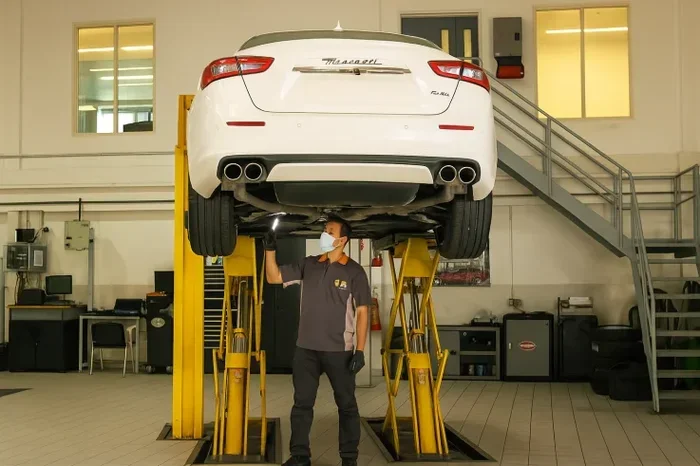
Owning a Maserati comes with responsibilities. These are luxury vehicles with complex engineering, and they need proper care. Regular oil changes are essential. It matters where you get your oil changed, and using quality products helps protect the engine. Many owners prefer specialized shops that understand Italian luxury cars and their unique needs.
Repair costs can also be higher than average. Parts may take longer to source, and not every mechanic is qualified to work on Maserati vehicles. However, proper maintenance goes a long way in preventing costly repairs down the road.
Insurance Considerations
Car insurance for a Maserati can be more expensive than for a mainstream vehicle. The car’s value, repair costs, and theft risk all factor into insurance premiums. It is important to shop around for the best coverage and understand what your policy includes. Some insurance policies cover engine damage from mechanical failures, while others do not. Knowing the details before you need a claim can save you a lot of headaches.
Fuel and Range
Maserati vehicles are performance-oriented, and that means they consume fuel at a higher rate than economy cars. A full tank of gas will not last as long as it would in a compact sedan. Understanding your car’s fuel capacity and range helps you plan trips and avoid running low. The Grecale Folgore, being fully electric, offers a different experience with no gas needed at all, making it an attractive option for daily driving.
Maserati’s Production Philosophy and Brand Identity
Maserati’s approach to production is deeply tied to its brand identity. The company was founded in 1914 in Bologna, Italy, and its DNA has always been about passion, performance, and Italian craftsmanship. Unlike brands that prioritize market share and volume sales, Maserati prioritizes the experience of driving and owning one of its cars.
The brand’s logo, the trident, is inspired by the Fountain of Neptune in Bologna’s Piazza Maggiore. It symbolizes strength, elegance, and nobility. Every Maserati car is designed to embody these qualities. From the roar of the engine to the feel of the leather interior, every detail is intentional.
This philosophy means that Maserati will likely never produce millions of cars per year. The brand would lose its soul if it tried. Instead, it will continue to operate as a low-volume luxury manufacturer that values quality, exclusivity, and driving pleasure above all else.
Maserati’s Global Reach
While Maserati’s production numbers are modest, its global reach is significant. The brand sells cars in North America, Europe, Asia, and the Middle East. The United States is Maserati’s largest market, followed by Europe and China. Global demand for luxury vehicles continues to grow, and Maserati is well-positioned to capture a share of that growth.
The brand’s presence in key markets helps drive its production decisions. When a particular model performs well in a specific region, Maserati may increase output of that model. This responsive approach allows the brand to adapt to market trends without overproducing.
Common Mistakes Maserati Buyers Make
If you are new to the Maserati world, there are a few common mistakes to avoid. First, do not underestimate the cost of ownership. Luxury cars require premium fuel, specialized maintenance, and sometimes costly repairs. Second, do not skip regular service intervals. Staying on top of oil changes, brake inspections, and tire rotations keeps your car running smoothly and prevents expensive problems.
Third, do not assume all Maserati models are the same. The Grecale, GranTurismo, MC20, and Quattroporte are very different cars with different purposes. Take the time to test drive each model and understand what fits your lifestyle. Finally, do not neglect the importance of proper insurance coverage. A luxury car needs protection that matches its value.
Quick Tips for Maserati Owners
- Stick to the maintenance schedule: Follow the factory-recommended service intervals to keep your car in top shape.
- Use quality parts: Genuine Maserati parts or high-quality alternatives help maintain performance and reliability.
- Store properly: Keep your Maserati in a dry, climate-controlled space when possible to protect the paint and interior.
- Drive with care: These cars are built for performance, but gentle driving habits extend the life of engine and transmission components.
- Stay informed: Keep up with Maserati recalls and service bulletins to address any issues early.
Conclusion
So, how many cars does Maserati actually produce per year? The answer is around 30,000 to 50,000 units, with fluctuations based on model demand and market conditions. Maserati’s low-volume production strategy is a deliberate choice that preserves the brand’s exclusivity, quality, and Italian heritage.
The brand’s current lineup, including the Grecale, GranTurismo, MC20, Quattroporte, and Levante, drives its annual output. With Stellantis’s support and a clear roadmap toward electrification, Maserati is poised for continued growth. The future of Maserati production looks bright, with new electric models and refreshed existing lineup on the horizon.
Whether you are a current Maserati owner or considering your first purchase, understanding the brand’s production scale gives you valuable context. Maserati is not about numbers. It is about passion, performance, and the art of driving. And that is exactly what makes it one of the most beloved luxury car brands in the world.
Frequently Asked Questions
How many cars does Maserati sell per year?
Maserati sells approximately 30,000 to 50,000 cars per year, depending on model demand and market conditions. The brand has seen growth in recent years thanks to new model launches and increased global demand for luxury vehicles.
Why does Maserati produce so few cars compared to other brands?
Maserati deliberately limits its production to maintain exclusivity and brand prestige. The brand focuses on quality over quantity, and its low-volume approach helps keep each vehicle rare and desirable. This strategy is common among luxury and exotic car manufacturers.
What is Maserati’s best-selling model?
The Maserati Grecale has become one of the brand’s best-selling models in recent years. Its combination of luxury, performance, and SUV practicality appeals to a broad range of buyers. The GranTurismo and Quattroporte also contribute significantly to annual sales.
Will Maserati increase production in the future?
Maserati plans to increase production as it expands its electric lineup. The brand aims to go fully electric by 2030, and new models like the Grecale Folgore are expected to drive higher annual output. Stellantis’s investment in Maserati’s manufacturing facilities also supports future growth.
Does Maserati’s low production affect resale value?
Yes, Maserati’s low production numbers generally help resale value. Scarcity creates demand in the used car market, and Maserati vehicles tend to depreciate more slowly than some mass-market luxury brands. Proper maintenance and care also play a big role in preserving value.
How does Maserati’s production compare to Ferrari’s?
Maserati produces significantly more cars than Ferrari. Ferrari makes around 8,000 to 10,000 units per year, while Maserati produces between 30,000 and 50,000. Both brands are Italian luxury manufacturers, but Ferrari focuses on ultra-exclusive, ultra-expensive vehicles, while Maserati targets a slightly broader luxury market.
Frequently Asked Questions
What is How Many Cars Does Maserati Make Per Year?
How Many Cars Does Maserati Make Per Year is an important topic with many practical applications.