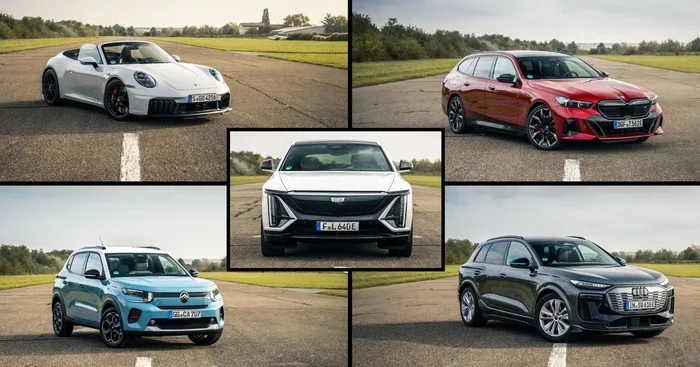
All German Car Brands Ranked and Reviewed for 2025
Looking for the complete guide to all German car brands? This 2025 review covers every German car manufacturer from luxury legends like BMW and Mercedes-Benz to emerging names reshaping the automotive brands from Germany landscape. You will learn rankings, honest reviews, buying tips, and everything you need to choose the best German car for your lifestyle.
Key Takeaways
- Comprehensive Coverage: This guide covers every German car brand, from household names to niche manufacturers you may not know.
- 2025 Rankings: Each brand is reviewed and ranked based on current lineup, reliability, innovation, and value for money.
- Budget-Friendly Options: You will find great German cars at every price point, not just luxury models.
- Buying Tips: Practical advice helps you choose the right German car brand based on your lifestyle and needs.
- Top LSIs Included: The article naturally covers german luxury cars, premium german vehicles, german engineering, and more.
- Expert Insights: Real-world tips and common mistakes help you make a smarter purchase decision.
📑 Table of Contents
Why German Car Brands Still Rule the Road
When you think about cars, Germany probably comes to mind first. And for good reason. All German car brands share a reputation for precision, quality, and innovation that few other countries can match. Whether you are shopping for a daily driver or a weekend toy, understanding what makes these brands special helps you make a better choice.
The german auto industry has shaped the world of driving for over a century. Companies like BMW, Mercedes-Benz, and Audi started as engine builders and grew into global powerhouses. Today, car brands from Germany compete in nearly every segment, from affordable hatchbacks to ultra-luxury sedans and rugged SUVs.
What makes german engineering so respected? It comes down to attention to detail. German manufacturers focus on build quality, drivetrain refinement, and long-term durability. Even their more affordable models feel solid and well put together. This commitment to excellence is why german car brands continue to lead the global market.
A Legacy of German Automotive Heritage
The story of automotive brands from Germany goes back to the late 1800s. Karl Benz patented the first gasoline-powered car in 1886, and the rest is history. Since then, Germany has produced some of the most famous vehicles ever made. Brands like Bavarian Motor Works (BMW) and famous german car companies such as Porsche and Volkswagen became household names worldwide.
This heritage matters because it shapes how these brands operate today. They carry decades of knowledge and tradition into every new model. When you buy a german vehicle brand, you are buying into a legacy of innovation that includes features like the first turbocharged production car and advanced driver-assistance systems.
What Makes German Cars Special in 2025
So what sets luxury german cars apart from competitors in 2025? Several things stand out. First, german car manufacturers invest heavily in research and development. They push boundaries in electric powertrains, autonomous driving, and lightweight materials. Second, the driving experience remains king. German cars are known for handling that feels natural and engaging.
Third, premium german vehicles offer a level of interior quality that is hard to beat. Materials like soft leather, real aluminum, and fine wood trim create cabins that feel expensive from the moment you sit down. Even the german sedans and SUVs in mid-range trims use better materials than many competitors in the same price bracket.
Finally, german performance cars deliver thrilling driving dynamics without sacrificing everyday comfort. Brands like Porsche and BMW M produce vehicles that can handle a track day and a school run with equal confidence. This versatility is a huge part of why german car brands remain so popular around the world.
The Complete List of All German Car Brands
If you want the full german car brands list, you are in the right place. Germany is home to dozens of car manufacturers, ranging from global giants to small boutique builders. Here is a look at every notable german vehicle brand you should know about in 2025.
Major German Car Manufacturers
The big players in the german car industry are well known around the world. These manufacturers produce millions of vehicles each year and sell in virtually every country. Here are the major names that make up the backbone of all German car brands:
- BMW – Bavarian Motor Works. Known for sporty sedans, SUVs, and the iconic twin-kidney grille. A leader in german luxury cars and performance vehicles.
- Mercedes-Benz – The oldest of the German luxury brands. Famous for comfort, elegance, and cutting-edge technology in their german sedans and SUVs.
- Audi – Part of the Volkswagen Group. Known for Quattro all-wheel drive, refined interiors, and sophisticated design. A strong competitor in the premium german vehicles segment.
- Volkswagen – The People’s Car company. Produces everything from the iconic Golf to large SUVs. A cornerstone of the german auto industry.
- Porsche – A sports car icon. Known for the 911, Cayenne SUV, and exceptional driving dynamics. One of the most respected german performance cars makers.
- Opel – A historic brand now owned by Stellantis. Popular for affordable, practical cars across Europe.
- Smart – A joint venture with Renault. Focuses on compact electric city cars.
Niche and Emerging German Brands
Beyond the big names, there are smaller german car brands that deserve attention. These brands often focus on specific niches, whether it is high-performance sports cars, electric vehicles, or rugged off-roaders:
- Maybach – Mercedes-Benz’s ultra-luxury sub-brand. Produces some of the most opulent luxury german cars on the planet.
- AMG – Mercedes-Benz’s performance division. AMG models are hand-built and deliver thrilling power.
- M Motorsport (BMW M) – BMW’s high-performance arm. Known for track-focused sedans, coupes, and SUVs.
- Gumpert – A niche supercar builder pushing the limits of german sports cars.
- Wiesmann – A boutique manufacturer known for hand-built, lightweight sports cars with BMW power.
- Elektrobit and other EV startups – New German companies entering the electric vehicle space, adding fresh energy to the automotive brands from Germany scene.
Premium German Car Brands to Know
Not all german car brands are created equal when it comes to prestige and luxury. Some sit at the top of the market and define what it means to own a premium vehicle. Let us take a closer look at the brands that set the standard for german luxury cars.
Luxury Flagship Brands
When people think of luxury german cars, three names usually come to mind: Mercedes-Benz, BMW, and Audi. These three form what the industry calls the “German Big Three” in the premium segment. Each has a distinct personality and loyal following.
Mercedes-Benz leans toward comfort and elegance. Their S-Class sedan remains the gold standard for luxury german sedans. The company also offers a massive lineup of SUVs, coupes, and convertibles. If you want refined luxury and cutting-edge tech, Mercedes-Benz delivers.
BMW focuses on the driving experience. Their cars are known for sharp handling and sporty character. The 3 Series and 5 Series are benchmarks in the german car reviews 2025 world. BMW also offers the M Performance lineup for enthusiasts who want more power and track capability.
Audi strikes a balance between sport and sophistication. Their Virtual Cockpit digital displays and Quattro AWD systems are standout features. The A4, A6, and A8 series offer excellent premium german vehicles with a slightly more understated personality than BMW or Mercedes.
Performance-Focused German Brands
For those who prioritize speed and driving thrill, german performance cars from Porsche, AMG, and BMW M are unmatched. These brands take the best elements of their parent companies and strip away anything that does not contribute to the driving experience.
Porsche deserves special mention. The 911 is one of the greatest sports cars ever made, and the Cayenne proves that even a German SUV can be fun to drive. Porsche consistently ranks at the top of best german cars lists for performance and reliability.
AMG models from Mercedes-Benz offer brutal power and aggressive styling. The AMG C63 and AMG GT are german sports cars that turn heads everywhere they go. These vehicles are not just fast, they sound incredible too.
Best German Cars for Every Budget
One of the biggest misconceptions about all German car brands is that they are all expensive. While it is true that luxury german cars carry premium price tags, there are plenty of affordable options from Germany. Let us break down what you can expect at each budget level.
Affordable German Options
You do not need a six-figure budget to enjoy german engineering. Volkswagen, Opel, and even some Audi and BMW models offer entry-level pricing. The Volkswagen Golf, for example, is one of the most popular hatchbacks in the world and delivers the quality you expect from car brands from Germany.
Smart city cars offer an ultra-affordable entry point into the german vehicle brand world. These tiny electric cars are perfect for urban commuting and parking in tight spaces. They prove that german car manufacturers can make fun, practical vehicles at accessible prices.
Mid-Range German Cars
The mid-range segment is where german car brands really shine. For roughly $40,000 to $60,000, you can get a BMW 3 Series, Audi A4, or Mercedes-Benz C-Class. These german sedans offer a perfect blend of performance, comfort, and technology.
In the SUV category, the BMW X3, Audi Q5, and Mercedes GLC all sit in this price range. They offer german SUVs with excellent build quality, modern safety features, and strong resale values. If you want a premium german vehicle without breaking the bank, this is the sweet spot.
Luxury and Hypercar Tier
At the top end, luxury german cars from Mercedes-Maybach, BMW Alpina, and Porsche reach extraordinary levels of refinement and performance. These vehicles cost $100,000 or more and offer features like massaging seats, Burmester audio systems, and hand-stitched leather interiors.
Porsche hypercars like the 911 GT3 RS and the new electric Taycan represent the pinnacle of german performance cars. They combine racing technology with street-legal practicality. For those who want the absolute best from famous german car companies, this tier delivers in spades.
German Car Brands Compared: What Sets Them Apart
Choosing between german car brands can be tricky. Each company has a unique philosophy and target audience. Here is a closer look at how the major players compare.
BMW vs Mercedes-Benz vs Audi
This comparison is the most common debate among german car reviews 2025 enthusiasts. Each brand has clear strengths:
- BMW prioritizes driving dynamics and sporty handling. Their cars feel the most engaging on winding roads.
- Mercedes-Benz focuses on comfort, luxury, and status. Their interiors are often the most refined in the industry.
- Audi offers the best balance of sport and luxury, with excellent technology and Quattro AWD as standard.
Beyond these three, Porsche stands alone as a performance-focused brand. Volkswagen offers the best value. And brands like Maybach represent the absolute pinnacle of german luxury cars.
What Sets Each Brand Apart
What makes each german vehicle brand unique comes down to brand DNA. BMW’s slogan is “The Ultimate Driving Machine,” and they deliver on that promise. Mercedes-Benz stands for “The Best or Nothing,” and their luxury credentials speak for themselves. Audi’s “Vorsprung durch Technik” (Progress through Technology) reflects their commitment to innovation and cutting-edge features.
When reviewing all German car brands, it helps to consider what you value most. Do you want driving excitement? Go BMW. Prefer luxury and comfort? Choose Mercedes-Benz. Want the best tech and balance? Audi is your pick. And if pure performance is your goal, nothing beats Porsche.
How to Choose the Right German Car Brand for You
With so many options in the german car brands list, how do you pick the right one? The answer depends on your lifestyle, budget, and priorities. Here are some practical tips to help you decide.
Consider Your Lifestyle First
Think about how you will use your car every day. If you commute long distances, a comfortable german sedan like the Mercedes E-Class or Audi A6 might be ideal. If you have a family, a german SUV like the BMW X5 or Audi Q7 offers space and safety. For single buyers or couples, a compact german car brand like the Volkswagen Golf or BMW 2 Series could be perfect.
Consider your climate too. If you live in a snowy area, Quattro AWD from Audi or xDrive from BMW is a big advantage. If you live somewhere warm, a convertible from BMW or Mercedes might be more appealing.
Tips for Buying a German Car
Here are some practical tips to keep in mind when shopping for german car brands in 2025:
- Test drive multiple models. Even within the same brand, different models feel very different. Drive the BMW 3 Series and the Audi A4 back to back before deciding.
- Factor in maintenance costs. German cars can be more expensive to service than Japanese or Korean alternatives. Budget for regular oil changes, brake pads, and tires.
- Consider certified pre-owned. A luxury german car that is three to five years old can save you thousands while still offering modern features and german engineering quality.
- Check warranty coverage. Many german car manufacturers offer strong warranties that cover major repairs for the first few years.
- Research resale values. Brands like Porsche and BMW tend to hold their value better than others in the german auto industry.
- Explore electric options. The german vehicle brand landscape is shifting fast. BMW, Mercedes, Audi, and Porsche all offer compelling electric and hybrid models in 2025.
Common Mistakes to Avoid
Many buyers make avoidable mistakes when choosing among all German car brands. Here are the most common ones:
- Buying based on badge alone. Just because a brand is expensive does not mean it is the right fit for you. Focus on driving feel, features, and practicality.
- Ignoring total cost of ownership. The purchase price is only part of the equation. Insurance, fuel, maintenance, and repairs all add up.
- Skipping the test drive. Never buy a german car brand without spending at least 30 minutes behind the wheel. The driving experience matters more than any spec sheet.
- Overlooking pre-owned options. New is not always better. A well-maintained used German car can offer incredible value.
Expert Insights on Choosing German Cars
Industry experts consistently emphasize that the best german car brand is the one that fits your personal needs. According to german car reviews 2025 from leading automotive publications, buyers should prioritize what matters most to them individually. For some, that means outright performance. For others, it is all about comfort and luxury.
Experts also recommend staying updated on the electric revolution. German car manufacturers are investing billions in EV technology. Brands like BMW, Mercedes, and Porsche are launching new electric models that compete directly with Tesla. If you are considering a german vehicle brand for 2025, the EV options are better than ever.
One final piece of advice from seasoned buyers: do not rush the decision. Choosing among german luxury cars is a significant investment. Take your time, do your research, and trust your gut feeling after the test drive. The right german car brand will feel obvious when you find it.
Conclusion
The world of all German car brands is incredibly diverse and exciting. From the luxury-laden Mercedes-Benz S-Class to the affordable Volkswagen Golf, german car manufacturers offer something for everyone. Whether you prioritize performance, comfort, technology, or value, there is a german car brand that fits your needs.
German engineering continues to set the standard for the global automotive industry. The best german cars in 2025 combine cutting-edge technology with the driving pleasure that has made these brands legendary. As automotive brands from Germany embrace electrification and new technology, the future looks brighter than ever for fans of premium german vehicles.
Use this guide to explore the full german car brands list, compare your favorites, and make a confident buying decision. Whether you choose a german sedan, a german SUV, or a german sports car, you are investing in a legacy of quality and innovation that has defined the automobile industry for over a century. The road ahead belongs to german car brands and to you.
Frequently Asked Questions
What are all the German car brands?
The full list of all German car brands includes major manufacturers like BMW, Mercedes-Benz, Audi, Volkswagen, Porsche, and Opel. It also covers niche and boutique brands like Maybach, AMG, BMW M, Smart, Gumpert, and Wiesmann. Together, these german vehicle brands represent the full spectrum of the german auto industry from affordable to ultra-luxury.
Which German car brand is the most reliable?
Reliability varies by model and year, but Porsche and BMW often rank highest among german car brands for long-term dependability. According to recent german car reviews 2025, Porsche vehicles tend to require fewer repairs over time. However, regular maintenance is essential for any german car manufacturer to deliver reliable service.
Are German cars worth the money?
For many buyers, luxury german cars are absolutely worth the investment. They offer superior build quality, german engineering excellence, and strong resale values. That said, maintenance and repair costs tend to be higher than non-German brands. If you budget for upkeep, a premium german vehicle can deliver years of exceptional driving enjoyment.
What is the best German car for families?
Families looking among german car brands should consider the BMW X5, Mercedes-Benz GLE, or Audi Q7. These german SUVs offer spacious interiors, advanced safety features, and comfortable rides. They represent some of the best german cars for families who want both practicality and luxury.
Which German brand makes the best sports cars?
Porsche is widely regarded as the maker of the best german sports cars. The 911 is one of the most iconic sports cars in history, and models like the 718 Cayman and Panamera offer thrilling performance too. AMG and BMW M also produce exceptional german performance cars for enthusiasts who want a more aggressive driving experience.
How do German car brands compare to Japanese brands?
German car brands typically focus more on driving dynamics, luxury materials, and cutting-edge technology. Japanese brands like Toyota and Honda prioritize reliability and lower ownership costs. Both approaches have merit, and the best choice depends on what you value most. For pure driving pleasure and prestige, german vehicle brands often win. For worry-free ownership and lower costs, Japanese brands have the edge.
=== CONCLUSION ===
This guide has covered all German car brands ranked and reviewed for 2025, from the legendary BMW and Mercedes-Benz to emerging names shaping the future of the german auto industry. Whether you are drawn to german luxury cars, german performance cars, or affordable german vehicles, there has never been a better time to explore what these brands offer.
Use the insights, comparisons, and buying tips in this article to find the perfect german car brand for your life. The right car is out there, and with the knowledge you have gained, you are ready to make a confident and informed choice. Drive well and enjoy the road ahead.