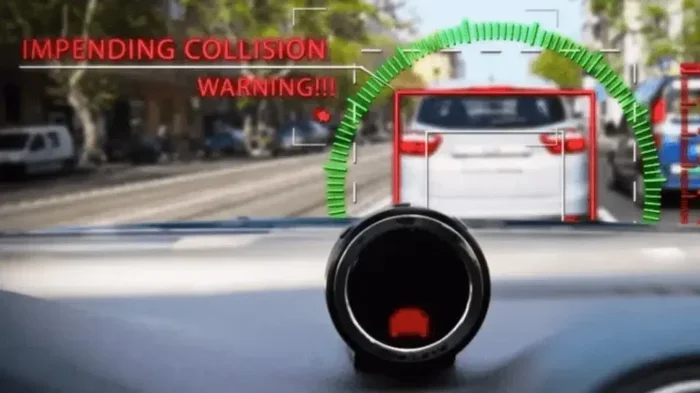
What Triggers an Automatic Collision Notification System
An automatic collision notification system activates when sensors detect a sudden impact, rapid deceleration, or airbag deployment in your vehicle. These smart safety features instantly alert emergency services and share your GPS location, helping first responders reach you faster after a crash. Understanding what triggers these alerts can help you stay safe and make the most of your vehicle’s life-saving technology.
Every year, thousands of lives are saved because someone hit a button or a system kicked in automatically after a car crash. But what exactly causes that alert to fire? Automatic collision notification is a vehicle safety feature designed to detect serious impacts and reach out for help without any action from the driver or passengers.
These systems use a mix of sensors, software, and cellular connections to monitor your vehicle at all times. When something goes wrong, they spring into action faster than most people could even reach for their phone. The goal is simple: get help to the scene of an accident as quickly as possible.
In this guide, we will walk through exactly what triggers an automatic collision notification, how the technology works behind the scenes, and what you can do to make sure your system is ready. Whether you drive a new car with built-in safety tech or are considering an aftermarket device, this article covers everything you need to know.
Key Takeaways
- Impact sensors and accelerometers are the primary triggers that detect sudden force during a crash.
- Airbag deployment often serves as a secondary trigger that confirms a serious collision.
- GPS location sharing sends your exact position to emergency dispatchers automatically.
- Built-in and aftermarket systems both offer collision alert features with slight differences.
- Testing your system regularly ensures it works when you need it most.
- False alarms can happen but knowing how to handle them prevents unnecessary disruptions.
- Automatic crash response can cut emergency response times significantly.
📑 Table of Contents
- How Automatic Collision Notification Systems Work
- Common Triggers That Activate Crash Alerts
- What Happens After a Collision Notification Is Sent
- Vehicles That Offer Automatic Collision Notification
- How to Set Up and Test Your Collision Notification System
- Limitations and Common Mistakes
- The Future of Crash Detection Technology
- Conclusion
How Automatic Collision Notification Systems Work
Automatic collision notification systems are part of a broader category called vehicle telematics. Telematics combines telecommunications and informatics to send and receive data from your car. Think of it as a small computer inside your vehicle that constantly watches for danger.
These systems rely on several components working together. There are impact sensors, a central control module, a cellular connection, and sometimes a dedicated emergency button. When the sensors detect a serious event, the control module processes the data and sends a signal to an emergency response center.
The Brain Behind the Alert
At the heart of every automatic collision notification system is a control module. This small computer receives data from multiple sensors in real time. It analyzes the force, direction, and type of impact within milliseconds.
Once the module determines that a crash has occurred, it triggers the alert process. This includes sending your vehicle identification, GPS coordinates, and crash details to an emergency dispatch center. The whole process happens in seconds, often before you even realize what happened.
Sensors That Make It All Possible
Your vehicle contains several types of sensors that feed data into the automatic collision notification system. Accelerometers measure sudden changes in speed. Crash sensors detect the force of impact. Some advanced systems also use gyroscopes to track vehicle rotation during a rollover.
These sensors work together to build a picture of what happened during a collision. The system does not just look at one data point. It combines multiple readings to determine whether the event is serious enough to warrant an alert.
Common Triggers That Activate Crash Alerts
Not every bump or jolt will set off your automatic collision notification. The system is designed to distinguish between everyday driving events and actual crash scenarios. Understanding the common triggers can help you know what to expect.
High-Impact Collisions
The most common trigger is a high-impact collision. This includes front-end crashes, rear-end collisions, and side impacts. When the force of the crash exceeds a certain threshold, the sensors send a signal to the control module.
Manufacturers set different thresholds for different vehicles. A small sedan might trigger at a lower force level than a large truck. The system is calibrated to match the typical safety features of each car model. This helps reduce false alarms while still catching real emergencies.
Airbag Deployment as a Trigger
In many vehicles, airbag deployment acts as a secondary trigger for automatic collision notification. If the airbags deploy, the system knows that the crash was severe enough to require emergency help.
The airbag control module sends a signal to the notification system when bags deploy. This serves as a confirmation that the crash is serious. Even if the initial sensor reading was borderline, airbag deployment pushes the alert over the threshold.
Sudden Deceleration Events
Rapid deceleration is another key trigger. When your vehicle slows down very quickly in a short time, the accelerometer picks this up. The system compares the deceleration rate to normal braking patterns.
If the deceleration is far beyond what normal braking would produce, the system flags it as a potential crash. This is especially useful in situations where airbags might not deploy but the collision is still serious, such as low-speed impacts with significant vehicle deformation.
Rollover Detection
Some advanced automatic collision notification systems include rollover detection. Gyroscopes and sensors track the vehicle’s orientation in real time. If the car rolls over, the system triggers an alert immediately.
Rollover crashes are among the most dangerous types of accidents. Having a system that can detect and report them adds a critical layer of protection. This feature is especially common in SUVs and taller vehicles with a higher center of gravity.
What Happens After a Collision Notification Is Sent
Once the trigger fires, a well-orchestrated chain of events begins. Understanding this process can ease your mind and help you feel more confident in your vehicle’s safety features.
Emergency Services Response
After the automatic collision notification is sent, a trained agent at an emergency response center receives the alert. They review the crash data, including the severity of the impact and the location of the vehicle.
The agent then contacts local emergency services and dispatches police, firefighters, or paramedics to the scene. In many cases, they also try to reach you by phone or through the vehicle’s audio system to check on your condition. This two-way communication can be a lifesaver.
GPS Location Sharing
One of the most valuable features of automatic collision notification is GPS location sharing. Even if you cannot speak or are unconscious, the system sends your exact coordinates to responders.
This is especially helpful in rural areas or unfamiliar locations where describing your position might be difficult. The GPS data is transmitted alongside the crash alert, giving emergency teams the information they need to find you fast.
Quick Tips
- Keep your GPS enabled at all times for accurate location sharing.
- Store emergency contacts in your vehicle’s system if possible.
- Know your system’s activation method so you can verify it is working.
Vehicles That Offer Automatic Collision Notification
Not all cars come with automatic collision notification built in. Many newer vehicles include this feature as part of a broader safety package. Let us look at the different options available.
Built-In Manufacturer Systems
Several car manufacturers offer their own collision notification systems. General Motors includes OnStar with built-in crash response. BMW offers BMW Assist with automatic emergency call features. Mercedes-Benz has mbrace, and Ford provides SYNC with emergency assistance.
These built-in systems are integrated directly into the vehicle’s electronics. They work seamlessly with the car’s sensors and do not require a smartphone connection. However, they often come with a subscription fee after the initial trial period.
Aftermarket Crash Detection Devices
If your older vehicle does not have a built-in system, you can still get automatic collision notification through aftermarket devices. Companies like Garmin, Apple, and various telematics providers offer crash detection features through plug-in devices or smartphone apps.
Aftermarket systems vary in quality and reliability. Some rely on your smartphone’s sensors, while others use dedicated hardware installed in the car. It is important to research and choose a reputable brand that has been tested for accuracy.
Built-In vs Aftermarket Comparison
| Feature | Built-In Systems | Aftermarket Devices |
|---|---|---|
| Integration with vehicle sensors | Full integration | Limited or none |
| GPS accuracy | High (vehicle-grade) | Depends on device |
| Monthly cost | Often subscription-based | Varies by provider |
| Installation required | None | Plug-in or professional install |
| Reliability | Very high | Moderate to high |
| Works without smartphone | Yes | Some require phone |
How to Set Up and Test Your Collision Notification System
Having a automatic collision notification system is only helpful if it works properly. Setting it up correctly and testing it regularly ensures it will function when you need it most.
Checking Your Vehicle Settings
Start by reviewing your vehicle’s owner manual or settings menu. Most manufacturers include a section dedicated to safety and emergency features. Look for options related to crash detection, emergency calling, and location sharing.
Make sure all relevant settings are turned on. Some systems are enabled by default, while others require you to opt in. If you are unsure, contact your dealer or check the manufacturer’s website for guidance specific to your model.
Keeping Your System Updated
Software updates play a big role in keeping your automatic collision notification system reliable. Manufacturers often release updates that improve sensor accuracy and fix bugs.
Check for updates regularly, especially after purchasing a used vehicle. Some systems update automatically over the cellular connection, while others require a visit to a service center. Keeping your system current ensures it uses the latest safety algorithms.
Expert Insight
Automotive safety experts recommend testing your crash notification system at least once every six months. Many manufacturers offer a test mode that simulates an alert without actually contacting emergency services. Use this feature to verify that your system is functioning correctly.
Limitations and Common Mistakes
While automatic collision notification systems are incredibly effective, they are not perfect. Understanding their limitations helps you set realistic expectations and avoid common mistakes.
When Systems May Fail to Trigger
There are situations where an automatic collision notification system might not activate. Very low-speed impacts may not exceed the force threshold needed to trigger an alert. Minor fender-benders with little vehicle deformation often fall below the detection level.
System malfunctions can also prevent alerts from firing. If the control module has a software error or a sensor is damaged, the system may not work correctly. This is another reason regular testing and maintenance are so important.
False Alarms and How to Handle Them
False alarms happen from time to time. Hitting a deep pothole, driving over a speed bump too fast, or experiencing a sudden jolt can sometimes trick the sensors into thinking a crash occurred.
If you accidentally trigger a false alarm, do not ignore it. Contact the emergency response center immediately to let them know there is no real emergency. This prevents wasted resources and ensures the system remains trusted for real events.
Common Mistakes to Avoid
- Ignoring system alerts even when you think they are false.
- Disabling the system to avoid subscription fees without a backup plan.
- Failing to update software after purchasing a vehicle.
- Assuming your phone app replaces a dedicated vehicle system.
- Not informing passengers that the system is active.
The Future of Crash Detection Technology
The world of automatic collision notification is evolving fast. Automakers and tech companies are constantly finding new ways to make crash detection smarter and more reliable. The future promises systems that can detect not just the crash itself but also the severity and the types of injuries likely to result.
Artificial intelligence is playing a bigger role in crash detection. Machine learning algorithms can analyze crash patterns and improve detection accuracy over time. Some systems are being developed that can predict an imminent collision and pre-activate safety measures before impact even occurs.
Integration with smart city infrastructure is another exciting development. In the future, your vehicle might communicate directly with traffic systems, hospitals, and emergency dispatch centers. This could reduce response times even further and help first responders prepare for the specific type of crash before they arrive.
Wearable technology also holds promise. Imagine a system that not only detects a crash but also monitors your vital signs and shares health data with paramedics. This level of integration could transform how emergency responders treat accident victims in the critical first minutes after a crash.
The bottom line is that automatic collision notification technology is getting better every year. If you own a vehicle with this feature, take advantage of it. If you are shopping for a new car, consider crash detection as an essential safety feature worth having.
Conclusion
Automatic collision notification systems are one of the most important safety innovations in modern vehicles. They use a combination of impact sensors, accelerometers, airbag deployment signals, and GPS technology to detect crashes and alert emergency services automatically.
The triggers that activate these systems include high-impact collisions, sudden deceleration, airbag deployment, and rollover events. Each trigger is carefully calibrated to distinguish real crashes from everyday driving events. Understanding what activates your system helps you trust it when it matters most.
Take the time to set up, test, and maintain your automatic collision notification system. Keep your software updated, check your settings regularly, and know what to do if a false alarm occurs. These small steps can make a enormous difference in an emergency.
Your vehicle’s safety features are designed to protect you and your loved ones. By understanding how they work and keeping them in good shape, you ensure they will be there for you when you need them most.
Frequently Asked Questions
What is an automatic collision notification system?
An automatic collision notification system is a vehicle safety feature that detects serious crashes and automatically sends an alert to emergency services. It uses sensors, GPS, and cellular connections to share your location and crash details without any input from the driver.
Does every new car have automatic collision notification?
Not every new car includes this feature, but many modern vehicles offer it as part of a safety package. Manufacturers like GM, BMW, Mercedes, and Ford include crash response systems in their newer models. Check with your dealer or review the vehicle specifications before purchasing.
Can I use my smartphone instead of a built-in system?
Yes, some smartphones offer crash detection features that work similarly to built-in systems. Apple and Samsung both include accident detection in their latest phones. However, a dedicated vehicle system is generally more reliable because it integrates directly with your car’s sensors.
What should I do if my system triggers a false alarm?
If your automatic collision notification system triggers a false alarm, contact the emergency response center right away to let them know there is no real emergency. Most systems have a cancel or test mode that you can use to prevent unnecessary dispatches.
Is there a monthly cost for automatic collision notification?
Many built-in systems require a subscription after a free trial period. The cost varies by manufacturer and plan. Aftermarket devices also have varying costs. Some newer vehicles include multi-year complimentary trials, so check what is included with your purchase.
How can I make sure my crash notification system is working?
Most manufacturers offer a test mode that lets you verify the system without contacting real emergency services. Test your system at least twice a year, keep your software updated, and review your vehicle settings to confirm all features are enabled.