Everything You Need to Know About 80 Percent Window Tint
80 percent window tint is a lightly tinted auto tint that allows 80% of visible light to pass through your car windows. It offers great UV protection, reduces glare, and keeps your cabin cooler without making your windows too dark. This level of tint is one of the most popular choices for drivers who want a subtle look with real benefits.
If you have been looking into car window tinting, you have probably come across the term 80 percent window tint. But what does it actually mean? Simply put, 80 percent window tint is a type of window film that allows 80 percent of visible light to pass through your car windows. It is one of the lightest tint levels available, making it a popular choice for drivers who want a subtle upgrade without going too dark.
Whether you are looking to reduce solar heat, block harmful UV rays, or just add a touch of style to your ride, 80 percent window tint delivers. In this guide, we will walk you through everything you need to know. We will cover the benefits, legality, installation process, and common mistakes to avoid. By the end, you will know if this tint level is the right fit for your vehicle.
So let us dive in and break down all the details of 80 percent window tint. No jargon, no fluff – just clear, helpful information you can use right away.
Key Takeaways
- 80 percent window tint lets in 80% of light, keeping your car bright while still offering protection.
- UV protection and heat rejection are two major benefits that make this tint level a smart choice for daily driving.
- Tint laws vary by state, so always check your local regulations before tinting your windows.
- Professional installation ensures a bubble-free, long-lasting finish that looks great from day one.
- 80 percent tint works well on side windows and rear windows in most vehicles without reducing visibility.
- Maintenance is simple – just use gentle cleaners and soft cloths to keep your tint looking sharp for years.
📑 Table of Contents
What Is 80 Percent Window Tint?
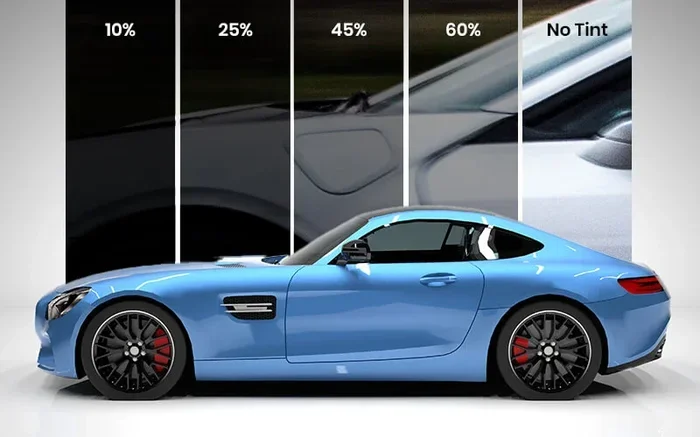
Before you buy any tint, it helps to understand what the number actually means. The percentage refers to the visible light transmission, or VLT, of the film. VLT measures how much light passes through the tinted window. A higher number means more light gets in. An 80 percent window tint allows 80 percent of light to pass through and blocks 20 percent.
This is considered a very light tint. For comparison, a 50 percent tint blocks half the light, and a 5 percent tint (often called “limo tint”) blocks 95 percent. 80 percent window tint is barely noticeable from the outside, which makes it ideal for people who want the benefits of tinting without a dramatic change in appearance.
How VLT Works
The VLT rating is printed on every tint film roll. When your installer applies the film to your side windows or rear window, the combined VLT includes both the film and the factory tint that may already be on your glass. Most new cars have a slight factory tint on the rear and side windows. So the final visible light transmission after applying an 80 percent window tint might be slightly lower than 80 percent.
Keep this in mind when choosing your tint. If your car already has a factory tint of around 75 percent VLT, adding an 80 percent film will bring the total down a bit. Your installer can help you calculate the final VLT so you stay within legal limits.
Types of 80 Percent Tint Film
Not all tint films are the same. There are a few main types you will encounter when shopping for an 80 percent window tint:
- Dyed film: This is the most basic and affordable option. It uses a dye layer to absorb heat and reduce glare. It works well for light tint levels like 80 percent.
- Metallic film: This type has tiny metallic particles that reflect heat. It offers better heat rejection than dyed film but can sometimes interfere with cell phone signals.
- Ceramic film: This is the premium option. Ceramic tint blocks heat and UV rays without interfering with electronics. It is more expensive but delivers the best performance.
- Carbon film: A mid-range choice that offers good heat rejection and a matte finish. It does not fade as quickly as dyed film.
For an 80 percent window tint, dyed and carbon films are the most common choices. They offer a clean, subtle look at an affordable price point.
Benefits of 80 Percent Window Tint
You might wonder why anyone would choose such a light tint. The answer is simple: 80 percent window tint offers a range of real benefits without the downsides of darker films. Here is why so many car owners are choosing this level.
UV Protection
One of the biggest advantages of any tint is UV protection. The sun’s ultraviolet rays can cause skin damage and fade your car’s interior over time. Even a light 80 percent window tint blocks a significant amount of UV radiation. This helps protect your skin during long drives and keeps your dashboard and seats from cracking and fading.
Think of it as sunscreen for your car. You might not feel the sun’s rays right away, but they are doing damage every time you drive. A good window film with UV blocking properties adds a layer of defense that your factory glass simply does not provide.
Heat Rejection and Comfort
Nobody likes getting into a hot car on a summer day. 80 percent window tint helps reduce solar heat buildup inside your vehicle. While it is not as effective as a darker tint, it still makes a noticeable difference in your cabin temperature.
On a 90-degree day, untreated windows can turn your car into an oven. With 80 percent tint, the interior stays several degrees cooler. This means less reliance on your air conditioning, which can improve fuel economy over time. It is a small change that adds up to real comfort.
Glare Reduction
Driving with harsh sunlight or bright headlights in your rearview mirror is dangerous and uncomfortable. 80 percent window tint reduces glare reduction significantly. You will notice less eye strain during long drives, especially on sunny days or at night when other cars have their high beams on.
Better visibility means safer driving. Less glare lets you focus on the road instead of squinting against the sun. This is one of the most practical benefits of even a light tint level.
Privacy Without the Dark Look
While 80 percent window tint is not a true privacy tint, it does add a thin layer of obscurity. People outside cannot see into your car as clearly as they could through untinted glass. This is enough to deter casual snooping but still lets you see out with ease.
If you want more privacy, you might consider a darker tint on the rear windows. But for a balanced look that keeps your car feeling open and airy, 80 percent is a great starting point.
Is 80 Percent Window Tint Legal?
The legality of auto tint varies widely depending on where you live. Tint laws are set at the state level in the United States, and they differ from country to country. Before you tint your windows, you need to know the rules in your area.
Understanding State Regulations
Most states allow 80 percent window tint on side windows and rear windows because it is so light. In fact, many states do not even regulate tint above 70 percent VLT. This makes 80 percent one of the safest legal choices in almost every jurisdiction.
However, the windshield tint rules are different in most places. Many states only allow tint on the top portion of the windshield, often called the AS-1 line. Applying any tint below this line on the windshield could get you a ticket, even if it is an 80 percent film.
What Happens If You Break Tint Laws?
Driving with illegal tint can result in fines, failed inspections, and even orders to remove the tint. The penalties vary by state but are never worth the risk. Always check your local state regulations before getting your windows tinted. A reputable installer will know the laws and can guide you on what is legal for your vehicle.
If you are unsure, ask your installer to provide the VLT rating of the film they use. This way, you can verify that your legal tint meets all requirements before you leave the shop.
80 Percent Tint vs. Other Tint Levels
Not all tint levels are created equal. Each percentage has its own strengths and trade-offs. Here is how 80 percent window tint compares to other popular options.
| Tint Level | VLT | Darkness | UV Protection | Heat Rejection | Best For |
|---|---|---|---|---|---|
| 90 Percent | 90% | Very Light | Minimal | Low | Subtle factory tint boost |
| 80 Percent | 80% | Light | Good | Moderate | Balanced protection and style |
| 50 Percent | 50% | Medium | Very Good | Good | All-around daily driving |
| 35 Percent | 35% | Dark | Excellent | Very Good | Style and comfort |
| 5 Percent | 5% | Very Dark | Excellent | Maximum | Maximum privacy and heat rejection |
As you can see, 80 percent window tint sits in the sweet spot between no tint and darker films. It offers meaningful benefits without making your car too dark. If you want a noticeable upgrade but still want to see clearly, 80 percent is an excellent choice.
Darker tints like 35 percent or 5 percent provide superior heat rejection and privacy. But they also reduce visibility more and may not be legal on all windows in every state. Always weigh your priorities when choosing a window tint percentage.
How Is 80 Percent Window Tint Installed?
Installing 80 percent window tint is a fairly straightforward process, but the results depend heavily on how it is done. You have two main options: professional installation or a DIY approach.
Professional Installation
Going with a professional installation is the best way to ensure a clean, bubble-free finish. A skilled installer will clean your windows thoroughly, cut the film to exact measurements, and apply it using specialized tools and techniques. The whole process usually takes one to two hours for a full set of windows.
Professional installers also have access to high-quality films that you may not find in a DIY tint kit. They can recommend the best film type for your needs and budget. Most professional installations come with a warranty, which gives you peace of mind if any issues arise later.
DIY Tint Kit
If you are handy and want to save money, a DIY tint kit can work well for an 80 percent window tint. These kits come with pre-cut film pieces and application solution. You simply spray the window, lay the film in place, and squeegee out the bubbles.
However, DIY installation has its risks. Common problems include tint bubbles, misaligned cuts, and dust trapped under the film. These issues are more likely with a DIY approach, especially if you are a first-timer. If you do go the DIY route, practice on a junk window first and follow the kit instructions carefully.
How Long Does Installation Take?
A professional installation typically takes one to two hours for all windows. A DIY job might take longer, especially if you are learning as you go. Either way, plan for the windows to stay closed for at least two to three days after installation. This allows the film to cure properly and prevents tint peel or shifting.
Common Mistakes and Expert Tips
Even a light tint like 80 percent window tint can cause problems if you do not take the right precautions. Here are common mistakes to avoid and tips from the experts.
Common Mistakes
- Ignoring state laws: Always verify your local tint laws before purchasing. What is legal in one state may not be legal in another.
- Skipping the warranty: Cheap tint without a warranty is a gamble. Invest in a quality film with a documented tint fading and tint bubble warranty.
- Choosing the wrong film type: Not all films perform the same. A dyed 80 percent film will not reject heat as well as a ceramic one, even at the same VLT.
- Tinting in cold weather: Film adhesion suffers in low temperatures. Ideally, get your tint installed in a climate-controlled shop during mild weather.
- Rolling windows down too soon: Wait at least three to five days before rolling your windows down after installation. This prevents the film from shifting or peeling.
Expert Tips for Long-Lasting Tint
Want your 80 percent window tint to look great for years? Follow these simple tips:
- Use a microfiber cloth when cleaning your tinted windows. Harsh scrubbers can scratch the film surface.
- Avoid ammonia-based cleaners. Ammonia breaks down the tint adhesive over time. Use a mild, ammonia-free glass cleaner instead.
- Park in the shade when possible. Excessive heat can accelerate tint fading and reduce the lifespan of your film.
- Inspect your tint once a year for signs of peeling, bubbling, or discoloration. Catching problems early makes repairs easier and cheaper.
- Choose ceramic or carbon film for the best infrared rejection and longevity, even at the 80 percent level.
Taking care of your auto tint is simple but makes a big difference. A little maintenance goes a long way toward keeping your windows looking sharp and performing well.
Conclusion
80 percent window tint is one of the best options for car owners who want a practical, subtle upgrade. It blocks harmful UV rays, reduces solar heat, cuts glare, and adds a touch of style to your vehicle. With its light tint level, it stays within legal limits in most areas and works well on both side windows and rear windows.
Whether you choose professional installation or a DIY approach, the key is to pick a quality film and take care of it over time. Follow the tips in this guide, check your local tint laws, and you will enjoy your new tint for years to come. 80 percent window tint is a win-win for style, comfort, and protection.
Frequently Asked Questions
Can I tint my windshield with 80 percent film?
Most states do not allow any tint below the AS-1 line on the windshield. Even though 80 percent is very light, it is still considered a tint. Check your local regulations before applying any film to your windshield. In many cases, you can tint the top few inches of the windshield, but full windshield tint is usually not permitted.
How long does 80 percent window tint last?
A quality 80 percent window tint can last anywhere from five to ten years with proper care. Ceramic and carbon films tend to last longer than dyed films. The lifespan also depends on how well you maintain the tint and how much direct sunlight your car gets on a regular basis.
Does 80 percent window tint affect night driving visibility?
Not significantly. Because 80 percent tint allows most light to pass through, it has minimal impact on night driving visibility. You should still be able to see clearly in low-light conditions. If you notice any reduction in visibility, it may be due to factory tint already on your glass combined with the aftermarket film.
Can I install 80 percent tint myself?
Yes, you can use a DIY tint kit for an 80 percent tint. However, professional installation is recommended for the best results. DIY kits are affordable and work well for light tints, but they require patience and careful application to avoid tint bubbles and alignment issues.
Is 80 percent tint good for heat rejection?
While it is not the most effective level for heat rejection, 80 percent window tint still provides moderate heat reduction. For better performance, consider a ceramic film at the 80 percent VLT level. Ceramic tint offers superior infrared rejection even at lighter tint percentages.
Will 80 percent tint fade over time?
All tint films experience some degree of tint fading over time, but the rate depends on the film quality. Dyed films fade faster, while ceramic and carbon films resist fading much better. Choosing a high-quality film with a good warranty will help prevent premature tint peel and discoloration.
=== URL SLUG ===
/80-percent-window-tint-explained
=== SEO TITLE ===
Everything You Need to Know About 80 Percent Window Tint
=== META TITLE ===
80 Percent Window Tint: Everything You Need to Know