Alaska Window Tint Law Guide Everything You Need to Know
The Alaska Window Tint Law sets clear rules for how dark and reflective your car windows can be. Sedans, SUVs, and vans each have specific VLT limits you must follow. This guide covers every rule, exemption, penalty, and tip so you can tint your windows the right way.
Alaska window tint law rules can feel confusing at first. Whether you own a sedan, SUV, or van, you need to know the legal limits. The Alaska Window Tint Law sets clear rules for how dark your car windows can be. These rules protect drivers, passengers, and police officers. They also keep your vehicle safe and legal on the road.
This guide breaks down every key rule you need to know. You will learn about VLT percentages, tint reflection limits, and medical exemptions. We also cover penalties for breaking the law. By the end, you will feel confident about your tint choices.
Let us walk through the Alaska Window Tint Law step by step. No jargon. No confusion. Just clear, practical info you can use right away.
Key Takeaways
- Know Your VLT Limits: Sedans and SUVs have different legal tint darkness levels for front and rear windows.
- Windshield Rules Are Strict: Only the top few inches of the windshield can be tinted in most cases.
- Medical Exemptions Exist: You can get a special allowance if you have a qualifying medical condition.
- Tint Tickets Are Expensive: Violating Alaska tint laws can lead to fines and forced removal.
- Certification Matters: Always choose a licensed tint installer who follows state rules.
- Right Film Makes a Difference: Picking the right car window film helps with UV protection and heat rejection.
📑 Table of Contents
What Are the Alaska Window Tint Law Rules?
The Alaska Window Tint Law controls how much light can pass through your car windows. The main measure is called Visible Light Transmission, or VLT. This is the percentage of light that goes through your window film. Lower VLT means darker tint. Higher VLT means lighter tint.
Understanding Visible Light Transmission
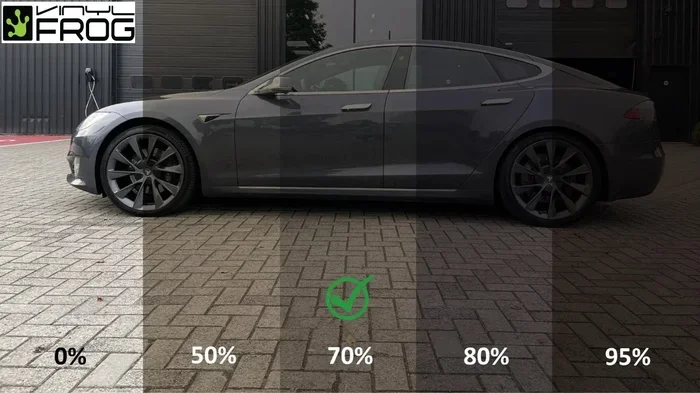
VLT is the most important part of any tint law. It tells you how dark a film is. For example, a film with 50% VLT lets in half the light. A film with 5% VLT lets in very little light. Alaska sets different VLT limits for different windows and vehicle types.
Here is a simple way to think about it. The front side windows need to let in more light. This helps the driver see clearly. The rear windows can often be darker. This gives passengers more privacy and comfort.
Tint Reflection and Glare Rules
Alaska also has rules about tint reflection. Some window films reflect light. This can reduce glare and heat. But too much reflection can blind other drivers. The Alaska Window Tint Law limits how reflective your tint can be.
Both the front and rear side windows must stay below a certain reflection level. Metallic or mirrored-looking films are often not allowed. Always check with your tint installer before choosing a reflective film. They can help you pick a car window film that looks great and stays legal.
VLT Limits for Different Vehicle Types
Not all vehicles follow the same rules. Sedans, SUVs, and vans each have their own legal tint limits. The Alaska Window Tint Law treats these vehicle types differently. Let us break it down by vehicle type.
Tint Rules for Sedans
For sedans in Alaska, the rules are straightforward. The front windshield can have a non-reflective tint on the top few inches. This strip must be above the manufacturer’s AS-1 line. The front side windows must allow more than 70% of light through. This means the VLT must be above 70%.
The rear side windows and rear windshield can be darker. There is no minimum VLT limit for these windows on sedans. You can use very dark films on the back seats. This is great for privacy and heat control.
Tint Rules for SUVs and Vans
SUVs and vans have slightly different rules under the Alaska Window Tint Law. The front windshield follows the same rule. You can tint the top few inches above the AS-1 line.
The front side windows on SUVs and vans must also allow more than 70% VLT. The rear side windows and rear windshield can be as dark as you want. There is no minimum VLT requirement for the back windows on these vehicles.
Here is a quick comparison table to help you understand the differences.
| Vehicle Type | Front Windshield | Front Side Windows | Rear Side Windows | Rear Windshield |
|---|---|---|---|---|
| Sedan | Non-reflective, top only | Over 70% VLT | No limit | No limit |
| SUV / Van | Non-reflective, top only | Over 70% VLT | No limit | No limit |
As you can see, the front windows have the strictest rules. The back windows give you more freedom. Always double-check the latest Alaska tint regulations before you tint your vehicle.
Windshield and Side Mirror Tint Rules
The windshield and side mirrors have their own set of rules. These rules are important for safety. A dark or poorly placed tint can block your view of the road. This can be dangerous in Alaska’s harsh weather conditions.
Windshield Tint Restrictions
The front windshield has the tightest restrictions. You can only tint the top portion of the windshield. This strip must be above the AS-1 line set by the manufacturer. In most cases, this means the top 5 inches or so.
No tint film is allowed below the AS-1 line on the windshield. This rule ensures the driver has a clear view of the road ahead. It also helps police officers see inside your vehicle during traffic stops. The Alaska Window Tint Law is clear on this point.
Quick Tip: When you visit a tint installer, ask them to measure your AS-1 line first. This ensures you stay within the legal limit from day one.
Side Mirror Requirements
If your rear windows are tinted dark, you may need to add side mirrors. Alaska law requires both side mirrors if the rear window tint blocks your view. This is a safety rule that makes sense. Dark rear windows can hide cars, pedestrians, and obstacles behind you.
Make sure your vehicle window tinting plan includes mirror checks. A good tint installer will advise you on this before they start the job.
Medical Exemptions and Special Allowances
Not everyone can follow the standard tint rules. Some people have medical conditions that make them sensitive to sunlight. The Alaska Window Tint Law allows for medical exemptions in these cases.
Who Qualifies for a Medical Exemption?
People with certain skin conditions or light-sensitive disorders may qualify. Conditions like lupus, porphyria, or severe photosensitivity can make normal sun exposure dangerous. For these individuals, darker window tint can be a medical necessity.
You will need a doctor’s note or prescription to apply. The note must explain your condition and why darker tint is needed. This is not something you can skip or fake. Alaska takes medical exemptions seriously to prevent abuse.
How to Apply for an Exemption in Alaska
To get a medical exemption, you need to follow a few steps. First, visit your doctor and get a written statement. Second, submit the statement to the Alaska Department of Motor Vehicles. Third, wait for approval before you get your windows tinted.
Once approved, you will receive a special permit. This permit allows you to use tint that is darker than the standard legal limit. Keep this permit in your vehicle at all times. If you get stopped by police, you will need to show it.
Common Mistakes: Many people tint their windows first and then apply for an exemption. This can lead to a tint violation and a ticket. Always get approval before you tint.
Tint Certification, Installers, and Penalties
Choosing the right tint installer and understanding the penalties are key parts of the Alaska Window Tint Law. You want to do this right the first time. A bad tint job can cost you money and cause legal trouble.
Tint Certification and Installer Rules
Alaska does not require tint film manufacturers to certify their products. However, working with a reputable tint installer is still very important. A good installer knows the local rules and will help you choose a legal film.
Ask your installer about the VLT of the film they use. They should be able to tell you the exact percentage. If they cannot or will not tell you, that is a red flag. Always get a receipt or certificate that lists the film type and VLT.
Expert Insight: A licensed tint installer will also know about tint certification requirements. They can help you avoid common mistakes that lead to tint tickets.
Penalties for Violating Alaska Tint Laws
Breaking the Alaska Window Tint Law comes with real consequences. The most common penalty is a fine. Fines for tint violations can range from a few hundred to over a thousand dollars. The exact amount depends on the severity of the violation.
In some cases, you may be ordered to remove the tint. This means you pay for the film and the removal. That is money you could have saved by following the rules in the first place.
Here are some penalties you should know about:
- Fine for illegal tint darkness: Can range from $100 to $500 or more.
- Fine for reflective tint: Violating reflection rules can also result in fines.
- Forced removal order: You may be required to remove non-compliant tint.
- Repeated violations: Multiple offenses can lead to higher fines and bigger problems.
A tint ticket can also affect your vehicle registration in some cases. It is simply not worth the risk. Always follow the state tint law and work with a trusted professional.
Tips for Choosing the Right Tint Film
Now that you know the rules, let us talk about picking the right film. The right car window film does more than just look good. It can block UV rays, reduce heat, and keep your car cooler in summer.
Best Tint Films for Alaska Weather
Alaska has long, dark winters and bright summer days. Your tint film should handle both. In summer, you want a film that blocks solar heat and UV rays. This keeps your car cool and protects your skin.
In winter, you still want good visibility. A film with high VLT on the front windows helps with this. Look for films that offer both UV protection and solar heat rejection. These are the features that matter most in Alaska’s climate.
Here are some practical tips for choosing your film:
- Choose a ceramic film: It blocks heat well without making your windows too dark.
- Ask about UV protection: Good films block up to 99% of harmful UV rays.
- Consider your budget: Quality films cost more but last longer and perform better.
- Check the warranty: A good tint installer will offer a warranty on their work.
Common Mistakes to Avoid When Tinting
Many people make avoidable mistakes when tinting their windows. Here are the most common ones to watch out for.
First, buying film that is too dark. It might look cool, but it is illegal. Second, ignoring the windshield rules. Tinting below the AS-1 line will get you a ticket. Third, skipping the medical exemption paperwork if you need one.
Fourth, choosing a cheap tint installer who does not know the law. A poor installation can lead to bubbles, peeling, and poor visibility. Fifth, not keeping your exemption paperwork in the car if you have one.
Avoiding these mistakes will save you time, money, and stress. Always do your research before you tint your windows.
Conclusion
The Alaska Window Tint Law is clear once you understand the basics. You need to follow VLT limits for your specific vehicle type. The front windows have stricter rules than the rear windows. Windshield tinting is limited to the top strip above the AS-1 line.
If you have a medical condition, you can apply for an exemption. Always work with a licensed tint installer who knows the rules. Avoid dark or reflective films that do not meet the legal limits. And remember, a tint ticket is not worth the risk.
Take the time to learn the rules before you tint. Pick the right car window film for your needs and your vehicle. Follow the Alaska tint regulations and you will enjoy your new tint for years to come. Stay legal, stay safe, and enjoy the ride.
Frequently Asked Questions
What is the legal VLT limit for front side windows in Alaska?
The front side windows on both sedans and SUVs must have a VLT of over 70%. This means the film must let in more than 70% of visible light. If your film is darker than this, it is not legal and can result in a fine.
Can I tint my windshield in Alaska?
Yes, but only the top few inches above the manufacturer’s AS-1 line. No tint film is allowed below this line on the windshield. This rule keeps the driver’s view clear and meets the Alaska Window Tint Law requirements.
Do I need a medical exemption for dark tint on my rear windows?
No, rear windows on sedans, SUVs, and vans can be as dark as you want without an exemption. Medical exemptions are only needed if you want front windows tinted darker than the legal limit due to a health condition.
How much is a tint ticket in Alaska?
Fines for tint violations in Alaska can range from $100 to over $500 depending on the severity. You may also be ordered to remove the illegal tint. Repeated violations can lead to higher fines and additional penalties.
Do I need both side mirrors if my rear windows are tinted?
Yes, if your rear window tint blocks your rear view, Alaska law requires both side mirrors. This is a safety rule to ensure you can see behind your vehicle clearly while driving.
Can I apply a reflective or mirrored tint in Alaska?
No, reflective or mirrored tints are generally not allowed under the Alaska Window Tint Law. The law limits how reflective your tint can be. Always choose a non-reflective film to stay legal and avoid a tint ticket.