How Do You Get a Key Out of the Ignition If It Breaks
A broken key stuck in the ignition is frustrating but fixable. You can often remove it at home using simple tools like needle-nose pliers, super glue, or a jiggling technique. This guide walks you through every method, explains when to see a professional, and shares tips to prevent it from happening again.
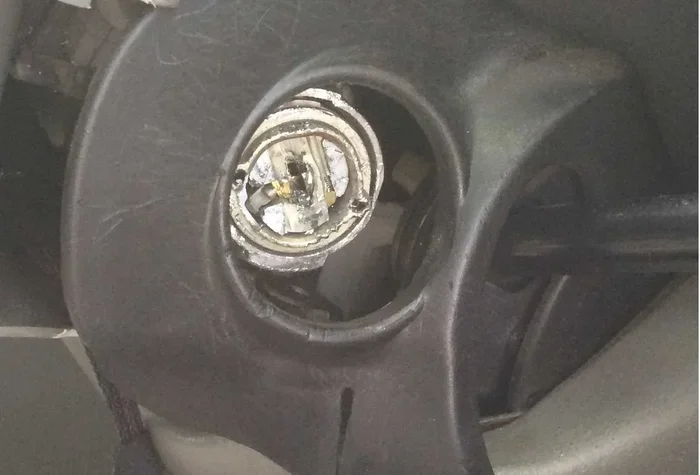
You turn the key to start your car, and suddenly — nothing. The key is stuck. Maybe it broke off inside the ignition. Maybe it just won’t budge. Either way, you’re standing there with a partial or fully broken key in the ignition, and your heart sinks.
Here’s the good news. You can usually get a broken key out without calling a tow truck or spending hundreds of dollars. This guide gives you practical, step-by-step methods to remove a stuck or broken ignition key. We also cover when to call a professional and how to stop this from happening again.
Whether your key snapped clean off or it’s just jammed and won’t turn, you’ll find the right approach here. Let’s get into it.
Key Takeaways
- Stay calm: Panicking can make the situation worse. Most broken keys can be removed with patience and the right method.
- Try DIY first: Methods like using pliers, the super glue trick, or jiggling the steering wheel often work without professional help.
- Know when to call a pro: If the key is deeply stuck or you risk damaging the ignition cylinder, a locksmith is your best bet.
- Prevent future breaks: Regular key maintenance and avoiding force can keep your key from snapping in the ignition.
- Don’t use harmful tools: Avoid poking around with sharp objects that could scratch or damage the ignition lock cylinder.
📑 Table of Contents
- Why Do Keys Break in the Ignition?
- How to Get a Broken Key Out of the Ignition
- When Should You Call a Professional?
- Can You Prevent Keys from Breaking in the Ignition?
- Common Mistakes to Avoid When Removing a Broken Key
- What Happens If You Leave a Broken Key in the Ignition?
- How to Remove a Broken Key from Specific Car Brands
- Frequently Asked Questions
- Final Thoughts
Why Do Keys Break in the Ignition?
Understanding why keys break helps you prevent it. Ignition keys endure a lot of wear over time. They go in and out hundreds of times. The internal pins and springs inside the lock cylinder take a beating every single day.
Here are the most common reasons a key breaks in the ignition:
- Worn-down key teeth: Old keys lose their shape. The grooves become shallow, and the key can’t engage the pins properly.
- Applying too much force: Forcing a stiff key — especially in cold weather when locks freeze — can snap it.
- Dirty or dry lock cylinder: Dirt, dust, and lack of lubrication create friction. That friction weakens the key over time.
- Weak key material: Older keys made from lower-quality metal are more prone to snapping.
- Steering wheel lock engagement: When the steering wheel locks, it puts pressure on the key. Trying to turn it against that pressure can break the key.
If you’ve ever had a key stuck in ignition situation before, you know how stressful it can be. The good thing is that knowing the cause helps you choose the right removal method.
How to Get a Broken Key Out of the Ignition
There are several methods you can try at home. Start with the simplest one and work your way down the list. Each method targets a different situation, so pick the one that matches your problem.
Method 1: The Jiggling Technique
This is the first thing you should try. Sometimes the broken half of the key is just slightly stuck and can wiggle free.
- Grip the broken part of the key sticking out of the ignition.
- Try gently jiggling it up and down and side to side.
- While jiggling, try to pull it straight out.
- Do not yank hard. Use slow, steady pressure.
If the key fragment moves even a little bit, you may be able to pull it out completely. This method works best when the key broke near the top and part of it is still sticking out enough to grab.
Method 2: Using Needle-Nose Pliers
If the jiggling method doesn’t work, grab a pair of needle-nose pliers. These give you a tight grip on small pieces.
- Find the broken piece sticking out of the ignition.
- Open the pliers and position the tips around the key fragment.
- Grip firmly but gently.
- Pull straight out while wiggling slightly.
Tip: If the broken piece is flush with the surface, this method won’t work. You’ll need to try a different approach. Also, be careful not to push the key fragment deeper into the cylinder.
Method 3: The Super Glue Trick
Yes, super glue. This sounds strange, but it works surprisingly well. The idea is to bond the broken key piece to something you can pull with.
- Apply a small drop of super glue to the top of the broken key fragment.
- Press a flat tool — like a toothpick or a small flathead screwdriver — onto the glue.
- Hold it steady for 30 to 60 seconds until the glue sets.
- Gently pull the tool and key fragment out together.
Important: Use very little glue. If it gets inside the lock cylinder, it can cause more problems. This method works best when the key piece is sticking out enough for you to reach it.
Method 4: Using Tweezers or Small Claw Tool
If the broken key is sitting just below the surface, a pair of fine-tipped tweezers or a small claw extraction tool can do the job.
- Look closely at the ignition hole. Can you see the edges of the broken key?
- Slide the tweezers or claw tool into the hole carefully.
- Try to grip the key fragment from the sides.
- Pull gently straight out.
This method requires good lighting and a steady hand. If you can’t see well, use your phone flashlight. Don’t shove tools around blindly — you could push the key deeper or scratch the cylinder.
Method 5: The Pin Technique
This method uses a small pin or paperclip to push the lock pins back so the key can slide out.
- Straighten a small paperclip or safety pin.
- Look for the small holes or slots around the ignition lock cylinder.
- Insert the pin into one of those holes gently.
- Press inward to release the lock pins.
- While holding the pins back, try to pull or jiggle the key out.
Not all ignition cylinders have accessible pin holes. Check your specific lock before trying this. If it doesn’t work, move on to the next method.
When Should You Call a Professional?
DIY methods work great in many cases. But sometimes, a broken key in the ignition needs a professional touch. You should call a locksmith or mechanic if:
- The key is broken off completely below the surface and you can’t grip it.
- You’ve tried multiple methods and the key won’t budge.
- The ignition lock cylinder feels damaged or swollen.
- You notice metal shavings or debris inside the lock.
- The steering wheel is locked and you can’t unlock it.
- You’re worried about causing more damage to your car.
A professional locksmith has specialized tools like key extraction kits and ignition pullers. They can remove the broken piece quickly and safely. In many cases, they can also replace the ignition cylinder on the spot.
If you have a modern car with a keyless ignition system, the situation might be different. Some keyless systems use a hidden mechanical key slot for emergencies. If your keyless car can run without the key, you may have more options. But a broken physical key still needs proper removal to avoid ignition damage.
How Much Does Key Extraction Cost?
Key extraction costs vary. A locksmith typically charges between $50 and $150 for a simple extraction. If the ignition cylinder needs replacement, the cost goes up. A full ignition cylinder replacement can range from $150 to $400 depending on your vehicle make and model.
Some dealerships offer key replacement services too. If you’re wondering whether dealerships replace key fob batteries for free, the answer is usually yes for basic services. But ignition key extraction is more involved and may not be free.
Can You Prevent Keys from Breaking in the Ignition?
Absolutely. Prevention is always better than repair. Here are simple steps to keep your key from breaking off in the ignition:
- Lubricate your lock cylinder: Use a graphite-based lubricant or silicone spray. Apply it a few times a year to keep things moving smoothly.
- Don’t force the key: If the key won’t turn, don’t push harder. Stop and check if the steering wheel is locked. Try wiggling the wheel while turning the key.
- Replace worn keys: If your key looks thin, shiny, or the teeth are worn down, get a new copy made. A fresh key is much stronger.
- Keep the key clean: Wipe your key regularly. Dirt and grime can build up on the teeth and cause jamming.
- Avoid hanging heavy keychains: Extra weight puts stress on the key shaft. Use a lightweight keychain.
- Check for steering wheel lock: Before turning the key, make sure the steering wheel isn’t locked. This is one of the most common reasons keys get stuck.
Regular key maintenance goes a long way. A little care now can save you a lot of hassle later.
What About Key Fob Batteries?
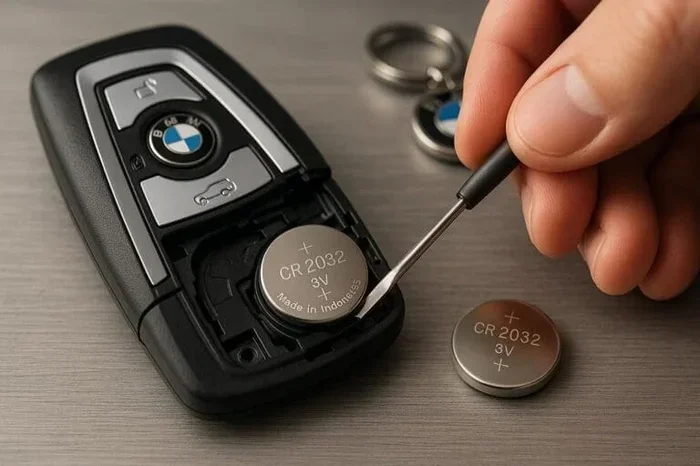
Modern cars often use key fobs instead of traditional keys. If your key fob battery dies, you might not be able to start the car. But a dead fob battery is different from a broken key in the ignition. A dead battery means the car won’t start at all. A broken key means part of the key is physically stuck inside the lock.
If you’re dealing with a fob that won’t work, replacing the battery is usually easy. You can do it yourself in most cases. Just make sure you buy the right battery type for your fob model.
Common Mistakes to Avoid When Removing a Broken Key
When you’re frustrated and your key is stuck, it’s easy to make mistakes. Here are things you should never do:
- Don’t use a hammer or sharp tools: Hitting the key or poking it with sharp objects can damage the ignition cylinder permanently.
- Don’t push the key deeper: Every time you jam something into the ignition, you risk pushing the broken piece further in.
- Don’t use too much super glue: Excess glue can seep into the lock mechanism and create a bigger problem.
- Don’t ignore a stuck key: Leaving a broken key in the ignition can lead to a completely locked ignition cylinder that needs full replacement.
- Don’t try to start the car with the broken key: This can damage the starter motor and ignition switch, leading to expensive repairs.
These mistakes happen all the time. Stay patient and work through the methods one at a time.
What Happens If You Leave a Broken Key in the Ignition?
Leaving a broken key in the ignition is risky. Here’s what can happen over time:
- The lock cylinder can seize up: Debris from the broken key can clog the internal pins.
- The ignition switch can fail: A stuck key puts pressure on the switch, which can burn it out.
- You may not be able to turn the key at all: Even if the broken piece is small, it can block the remaining key from turning.
- Steering lock issues: Some cars won’t release the steering lock until the key is fully removed.
If you’ve already left a broken key in the ignition for a while, get it removed as soon as possible. The longer it stays, the more damage it can cause.
Can a Dead Battery Cause Key Problems?
Sometimes the issue isn’t the key itself but the car battery. A weak or dead battery can cause the ignition to feel unresponsive. If you’ve noticed your key turning but the car won’t start, a dead car battery could be the culprit. It’s worth checking the battery before assuming the key is the problem.
How to Remove a Broken Key from Specific Car Brands
Different car brands have slightly different ignition systems. Here are some brand-specific tips:
Toyota and Lexus
Toyota and Lexus vehicles often have a straightforward ignition lock cylinder. The jiggling method and pliers work well for most Toyota models. If you own a Toyota hybrid, note that a hybrid can sometimes run without the battery, but a broken physical key still needs removal from the ignition slot.
Ford and General Motors
Ford and GM ignitions often have a removable lock cylinder. This makes key extraction easier since you can pull the entire cylinder out and work on it separately.
Honda and Acura
Honda ignitions can be sensitive. The lock pins are small and easily damaged. Use extra caution with any extraction method. If you’re unsure, it’s best to go straight to a locksmith.
Frequently Asked Questions
Can you pull a broken key out of the ignition with pliers?
Yes, if enough of the key is sticking out, needle-nose pliers can grip it and pull it out. Just be gentle and pull straight out. If the key is flush with the surface, pliers won’t work, and you’ll need a different method.
Does super glue really work to remove a broken key?
It does. A small drop of super glue on the broken key piece, pressed onto a flat tool like a toothpick, can bond the two together long enough to pull the key out. Just be very careful not to use too much glue or let it drip into the lock cylinder.
What should you do if the key breaks off completely inside the ignition?
If no part of the key is visible, try the pin technique to release the lock pins. If that doesn’t work, call a locksmith. They have specialized extraction tools that can reach deep into the cylinder without causing damage.
Can a broken key damage the ignition cylinder?
Yes, if left too long or if you try rough extraction methods. Metal fragments, glue residue, or scratches from improper tools can all damage the cylinder. This is why gentle, methodical approaches are always best.
How do you unlock the steering wheel to remove a stuck key?
Gently wiggle the steering wheel left and right while trying to turn the key. The steering wheel lock is one of the most common reasons a key gets stuck. Unlocking the wheel often releases the key immediately.
Is it cheaper to extract a broken key or replace the ignition cylinder?
Extraction is almost always cheaper. A locksmith will charge $50 to $150 for extraction. Replacing the entire ignition cylinder can cost $150 to $400 or more, depending on your vehicle. Always try extraction first.
Final Thoughts
A broken key in the ignition is one of those problems that feels huge in the moment but is usually fixable. Whether you use the jiggling method, needle-nose pliers, super glue, or a combination of techniques, you have a good chance of getting it out yourself.
If those methods don’t work, don’t hesitate to call a locksmith. They handle this every day and can fix it quickly. And once you’ve solved the problem, take steps to prevent it from happening again. Lubricate your lock, replace worn keys, and never force a key that won’t turn.
Your ignition is a precision part of your car. Treat it with care, and it will keep working smoothly for years to come.
If you’re dealing with other car key issues, check out our guide on driving your Toyota without the key fob for more helpful tips. And if you’re curious about how long your car can run without certain components, we’ve got answers to those questions too.