Car Windshield Replacement Signs You Need One Today
Your car windshield is more than just a window, it is a vital safety component that keeps you protected on the road. Ignoring damage can lead to serious safety risks and costly repairs down the line. This guide covers the car windshield replacement signs you need to watch for, the costs involved, and expert tips to make the right choice. Whether you have a small chip or a deep crack, knowing when to act can save your life.
Your windshield does a lot more than just keep the wind out. It supports your car’s roof, helps airbags deploy correctly, and gives you a clear view of the road. When your windshield gets damaged, it is not just a cosmetic issue. It is a safety problem that needs attention fast.
Many drivers put off fixing a cracked or chipped windshield because they think it is minor. But small damage can spread quickly, especially with temperature changes and road vibrations. The longer you wait, the worse it gets. And in many cases, a simple repair turns into a full car windshield replacement.
This article will walk you through the top car windshield replacement signs you need to watch for. We will cover how to tell the difference between a repairable chip and a crack that needs full replacement. You will also learn about costs, insurance coverage, and how to pick the right installer. By the end, you will know exactly what to do if your windshield gets damaged.
Key Takeaways
- Visibility Matters: Any crack or chip that blocks your view is a clear signal to replace your windshield immediately.
- Size and Location Count: Chips larger than a quarter or cracks longer than three inches usually need full replacement.
- Cost Varies: Car window replacement cost ranges from $100 to $400 depending on your vehicle and glass type.
- Insurance Can Help: Many insurance policies cover windshield replacement with no deductible.
- ADAS Calibration Is Critical: Modern vehicles need sensor recalibration after a new windshield is installed.
- OEM vs Aftermarket: OEM glass offers the best fit and safety, but aftermarket options are more affordable.
- Timing Is Key: Delaying replacement can worsen damage and compromise your vehicle’s structural integrity.
📑 Table of Contents
- What Is Car Windshield Replacement and Why It Matters
- Top Car Windshield Replacement Signs You Should Never Ignore
- Windshield Repair vs Replacement: How to Decide
- What Happens During a Car Windshield Replacement
- Car Windshield Replacement Cost and Insurance Tips
- How to Choose the Right Windshield and Installer
- Preventing Windshield Damage in the Future
- Key Takeaways
What Is Car Windshield Replacement and Why It Matters
Car windshield replacement means removing your damaged windshield and installing a new one. This is different from a simple repair, which fills in a chip or small crack. Replacement is needed when the damage is too big or in a bad spot to fix safely.
Your windshield is made of laminated safety glass. This means it has two layers of glass with a plastic layer in between. When it breaks, it holds together instead of shattering into sharp pieces. This design protects you in a crash and supports the roof of your car.
How Your Windshield Keeps You Safe
Most people do not realize how important the windshield is for safety. It provides up to 30 percent of your car’s structural strength in a rollover accident. It also helps the front airbag deploy in the right direction. If your windshield is cracked or weakened, it cannot do its job properly.
A damaged windshield can also affect your driving visibility. Even a small crack in your line of sight can blind you for a split second. That is enough time to miss a pedestrian, a stop sign, or another car. This is why understanding car windshield replacement signs is so important for every driver.
Top Car Windshield Replacement Signs You Should Never Ignore
Knowing the warning signs of a bad windshield can save you from a dangerous situation. Here are the most common signals that it is time for a replacement.
1. Cracks That Spread Across the Glass
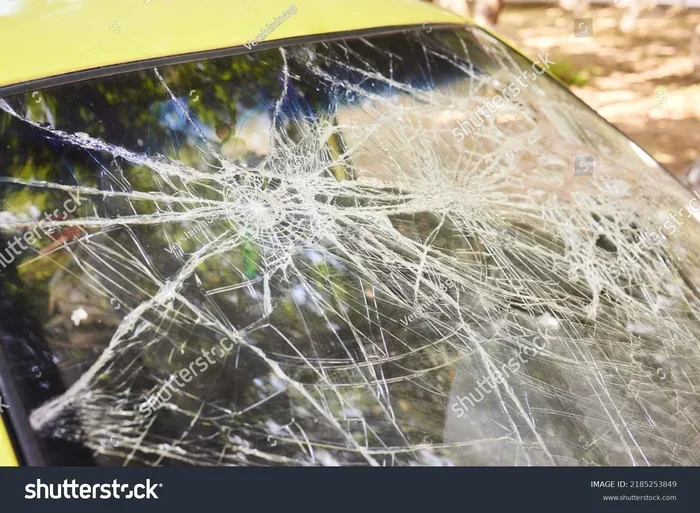
A small crack can start from a tiny rock chip. But over time, it can grow longer and longer. If you notice a crack spreading across your windshield, you need to act fast. Once a crack goes beyond three inches, repair is usually not an option. Full car windshield replacement becomes the only safe choice.
Temperature changes make cracks worse. Heat from the sun expands the glass, and cold contracts it. This cycle stresses the crack and causes it to grow. Even parking your car in direct sunlight can speed up this process.
2. Chips Larger Than a Quarter
A rock chip is common on any road. Small chips can often be repaired. But if the chip is bigger than a quarter, it usually cannot be fixed. Large chips weaken the whole windshield and can turn into cracks at any time.
If you see a chip in the driver’s direct line of sight, do not wait. Even if it seems small, it can scatter light and create glare. This affects your driving visibility and makes nighttime driving dangerous.
3. Damage in the Driver’s Line of Sight
This is one of the most important car windshield replacement signs. If any damage sits right in the area you look through when driving, it needs to be replaced. You should be able to see clearly through the center of the glass at all times.
Even a tiny bubble or distortion in your line of sight can be dangerous. It can make it hard to judge distances, read road signs, or spot hazards. Do not take chances with your vision on the road.
4. Multiple Chips or Cracks
One chip might be repairable. But when you have several chips or multiple cracks, the windshield is compromised. Each damage point weakens the glass further. When damage appears in different spots, replacement is almost always the safest option.
Multiple points of damage also make the windshield more likely to shatter in a collision. Your safety glass is designed to hold together, but too many cracks can cause it to break apart.
5. Glass That Feels Weak or Spongy
Run your finger gently along the edge of the windshield. If you feel any soft spots or the glass moves slightly when you press on it, the seal is broken. A damaged windshield seal lets moisture and dirt get inside the car.
A weak seal also means the windshield cannot support the roof properly. In a rollover accident, a poorly sealed windshield can pop out and fail to provide structural support. This is a serious safety risk that requires immediate replacement.
6. Water Leaks Inside the Car
If you notice water dripping inside your car after it rains, your windshield seal may be failing. A broken seal is one of the clearest car windshield replacement signs. Water can damage your interior, cause mold, and short out electrical components.
Water leaks also mean the windshield is not properly bonded to the frame. This affects the structural strength of your car. Do not ignore water leaks, even if they seem small.
7. Distorted or Wavy Vision Through the Glass
If the glass looks wavy or you see reflections that look distorted, something is wrong. This can happen when the windshield has been replaced poorly in the past or when the glass has shifted. Distorted vision makes it hard to drive safely, especially at high speeds.
Sometimes this happens after a bad repair or when the adhesive was not applied correctly. If your vision through the windshield is not clear and straight, get it checked by a professional right away.
Windshield Repair vs Replacement: How to Decide
Not every damaged windshield needs full replacement. Sometimes a simple repair is enough. Here is how to know the difference.
When Repair Is Enough
Auto glass repair works well for small rock chips and short cracks. If the damage is smaller than a quarter, not in the driver’s direct line of sight, and there are fewer than three spots, repair is usually a good option.
Repair is also faster and cheaper. A typical rock chip repair takes about 30 minutes and costs between $50 and $100. It can stop the damage from spreading and buy you time before you need a full replacement.
When Replacement Is the Only Option
You need a full replacement when the crack is longer than three inches, the chip is bigger than a quarter, or the damage is in the driver’s line of sight. Damage near the edge of the windshield also usually requires replacement because the edge supports the entire glass.
Multiple cracks or chips also mean replacement is the safest choice. And if the damage has been there for a long time, dirt and moisture may have gotten inside, making repair impossible.
| Factor | Repair | Replacement |
|---|---|---|
| Damage Size | Smaller than a quarter | Larger than a quarter or crack over 3 inches |
| Location | Outer edge, away from driver view | In driver’s line of sight or near edges |
| Number of Damages | One or two spots max | Three or more spots or multiple cracks |
| Cost | $50 to $100 | $100 to $400+ |
| Time | 30 minutes | 1 to 2 hours |
| Safety | Good for minor damage | Restores full structural strength |
| Insurance Coverage | Usually covered | Usually covered |
What Happens During a Car Windshield Replacement
If you have decided that replacement is needed, it helps to know what to expect. The process is straightforward when done by a professional.
Step 1: Inspection and Measurement
The technician will first inspect the damage and confirm that replacement is necessary. They will measure your windshield to find the exact size. Every car has a different windshield shape, so precision matters.
They will also check for any ADAS sensors or rain sensors near the windshield. Modern cars have advanced driver assistance systems built into or near the glass. These need special attention during replacement.
Step 2: Removing the Old Windshield
The old windshield is carefully removed using special tools. The technician will cut away the old urethane adhesive that bonds the glass to the frame. This step requires skill and care to avoid damaging the car’s frame or interior.
Once the old glass is out, the area is cleaned thoroughly. Any old adhesive residue is removed so the new windshield bonds properly.
Step 3: Installing the New Windshield
The new windshield is placed into the frame and bonded with fresh urethane adhesive. This adhesive creates a strong seal that holds the glass in place and provides structural support. The technician makes sure the fit is snug and even all the way around.
After installation, the adhesive needs time to cure. Most technicians advise you to wait at least one hour before driving. Full curing can take up to 24 hours. During this time, avoid slamming doors or putting pressure on the new glass.
Step 4: ADAS Calibration
If your car has ADAS features like lane departure warning or automatic emergency braking, the sensors need to be recalibrated after a new windshield is installed. This step is critical for your safety. Without proper calibration, these systems may not work correctly.
Many reputable shops offer ADAS calibration as part of the replacement service. Make sure to ask about this when you book your appointment.
Car Windshield Replacement Cost and Insurance Tips
The car window replacement cost varies depending on several factors. Understanding these factors can help you budget and avoid surprises.
Average Cost Breakdown
On average, a car windshield replacement costs between $100 and $400. The wide range depends on your vehicle type, the glass quality, and where you live. Here is a quick look at what affects the price.
- Vehicle Type: Compact cars cost less to replace. Trucks, SUVs, and luxury vehicles have larger or curved windshields that cost more.
- Glass Type: OEM glass costs more but fits perfectly and meets the original manufacturer’s standards. Aftermarket glass is cheaper but may vary in quality.
- Special Features: Windshields with rain sensors, heated glass, or built-in antennas cost more to replace.
- Location: Prices are higher in big cities and areas with a high cost of living.
- Labor Costs: Experienced technicians may charge more, but they also do a better and safer job.
Does Insurance Cover Windshield Replacement?
Most comprehensive auto insurance policies cover windshield replacement with no deductible. This is one of the best parts of having full coverage. Check with your insurance provider to confirm your specific policy details.
Some insurance companies even offer glass repair as a standalone add-on. If you have this coverage, you can get your windshield fixed or replaced at little to no cost to you. Always file a claim before paying out of pocket.
Quick Tips to Save Money
- Get quotes from at least three different shops before deciding.
- Ask if the shop offers a lifetime warranty on their work.
- Check if your insurance covers OEM glass or only aftermarket.
- Some shops offer mobile service, which saves you time and sometimes money.
- Do not let a shop upsell you on features you do not need.
How to Choose the Right Windshield and Installer
Choosing the right glass and installer is just as important as knowing when to replace your windshield. A bad installation can lead to leaks, noise, and even safety failures.
OEM vs Aftermarket Glass
OEM stands for Original Equipment Manufacturer. This means the glass is made by the same company that supplied your car when it was new. OEM glass matches the exact specifications of your original windshield. It fits perfectly, has the right tint, and meets all safety standards.
Aftermarket glass is made by third-party manufacturers. It is more affordable and still meets safety standards. However, the fit may not be as perfect, and the tint shade might differ slightly. For most drivers, aftermarket glass is a solid choice that saves money without sacrificing safety.
What to Look for in an Installer
- Check for certifications like Auto Glass Safety Council (AGSC) or ASE certification.
- Read online reviews and ask for recommendations from friends.
- Ask if they use OEM or certified aftermarket glass.
- Make sure they offer ADAS calibration if your car has advanced safety features.
- Ask about the warranty on both the glass and the installation work.
- Confirm they use proper urethane adhesive and follow manufacturer curing times.
Common Mistakes to Avoid
One of the biggest mistakes drivers make is choosing the cheapest option without checking quality. A low price might mean low-quality glass or poor installation. Another common mistake is skipping ADAS calibration. This can cause your safety systems to malfunction, putting you at risk.
Do not let a technician rush the job either. Proper adhesive curing time is essential for a strong bond. If you drive too soon after replacement, the windshield may not be secure. Always follow the technician’s aftercare instructions carefully.
Expert Insight: According to auto safety professionals, a properly installed windshield can take up to 24 hours to fully bond. During this time, keep your car in a garage if possible and avoid high-pressure car washes. This ensures the adhesive cures correctly and your windshield stays securely in place.
Preventing Windshield Damage in the Future
Once you have invested in a new windshield, you want to keep it in great shape. Here are some simple tips to prevent future damage.
- Keep a Safe Distance: Stay far behind trucks and construction vehicles. Rocks and debris kicked up by other vehicles are the number one cause of windshield chips.
- Avoid Extreme Temperature Swings: Do not blast your car’s AC on high immediately after driving in hot weather. Let the glass adjust slowly to prevent stress cracks.
- Park Smart: Park in a garage or shaded area when possible. Extreme heat weakens existing chips and can cause cracks to spread.
- Fix Small Chips Fast: A tiny chip can turn into a big crack within days. Address small damage immediately to avoid full replacement.
- Use Quality Wipers: Worn wipers can scratch your windshield over time. Replace them every six to twelve months for the best protection.
Key Takeaways
- Spot Damage Early: The sooner you notice car windshield replacement signs, the safer and cheaper the fix will be.
- Do Not Ignore Small Chips: Small damage can spread fast and turn into a problem that requires full replacement.
- Know When to Replace vs Repair: Use the size, location, and number of damages to decide if repair is enough or if you need a new windshield.
- Budget for the Cost: Car windshield replacement costs typically range from $100 to $400, and most insurance plans cover it.
- Pick a Qualified Installer: Certification, warranty, and proper ADAS calibration make all the difference in a safe and lasting replacement.
- Take Care of Your New Glass: Follow aftercare instructions and adopt preventive habits to protect your windshield for years to come.
Car windshield replacement is not something you should put off. Your windshield is a key part of your car’s safety system. When you see the signs, act quickly. Whether it is a spreading crack, a large chip, or a broken seal, getting it fixed on time keeps you and your passengers safe. Choose a trusted installer, check your insurance coverage, and do not wait until small damage becomes a big problem.
Staying informed about car windshield replacement signs gives you the power to make smart decisions. A clear, intact windshield means better visibility, stronger structural support, and peace of mind every time you hit the road. Take care of your windshield today, and it will take care of you tomorrow.
Frequently Asked Questions
How long does a car windshield replacement take?
Most replacements take about one to two hours from start to finish. The actual installation usually takes around 30 to 60 minutes. However, you should wait at least one hour before driving and up to 24 hours for the adhesive to fully cure.
Can I drive immediately after a windshield replacement?
No, you should wait at least one hour before driving. The urethane adhesive needs time to set and bond properly. Driving too soon can cause the windshield to shift or the seal to fail, which is a serious safety risk.
Does car insurance cover windshield replacement?
Most comprehensive insurance policies cover windshield replacement with no deductible. This includes both OEM and aftermarket glass options. Check with your insurance provider to confirm your specific coverage details.
How much does a car windshield replacement cost?
The cost typically ranges from $100 to $400 depending on your vehicle type, glass quality, and location. Luxury vehicles and those with special features like rain sensors or ADAS may cost more. Insurance often covers the full cost.
What is the difference between OEM and aftermarket windshield glass?
OEM glass is made by the original manufacturer and matches your car’s exact specifications. Aftermarket glass is made by third-party manufacturers and is more affordable. Both meet safety standards, but OEM offers a perfect fit and consistent quality.
Do I need ADAS calibration after a windshield replacement?
Yes, if your vehicle has ADAS features like lane departure warning or automatic braking, the sensors need recalibration after a new windshield is installed. This ensures your safety systems work correctly and is an essential part of modern windshield replacement.
=== CONCLUSION ===
Your windshield is one of the most important safety features in your car. Recognizing the car windshield replacement signs early can protect you, your passengers, and others on the road. From cracks and chips to water leaks and distorted vision, each warning signal deserves your attention. Do not wait until a small problem becomes a dangerous one.
Whether you need a simple repair or a full car windshield replacement, acting quickly is always the right choice. Understand the costs, check your insurance, and pick a qualified installer who follows proper safety standards. With the right care and attention, your new windshield will keep you safe for many miles to come. Stay alert, stay informed, and never ignore the signs your windshield is giving you.