How Do You Take Windshield Wipers Off Without Any Hassle
Removing your windshield wipers is simpler than most people think. You only need a few basic tools and about five minutes per blade. This guide walks you through the entire windshield wiper removal process step by step, so you can replace or store your blades with confidence.
Windshield wipers are one of those car parts we tend to ignore until they start chattering, skipping, or leaving streaks across the glass. When that happens, the thought of removing them can feel intimidating. But here is the good news: taking windshield wipers off is one of the easiest maintenance tasks you can do at home. You do not need a mechanic, and you definitely do not need an expensive toolkit.
Whether you are swapping out old rubber blades, storing your car for the season, or just curious about how the mechanism works, this guide has you covered. We will walk through every step in plain language. By the end, you will feel confident tackling this job on your own. Let us get into it.
Key Takeaways
- No special tools required: Most wiper removal jobs need only your hands and maybe a flat-head screwdriver.
- Know your connector type: Different wiper arms use different clips — hook, pin, or side-lock.
- Never pull the blade away from the glass: This can crack the windshield or damage the wiper arm.
- Replace wipers every 6 to 12 months: Worn blades reduce driving visibility and strain your wiper motor.
- Turn off the ignition first: Safety always comes first before touching any car component.
- Store removed blades properly: Keep them in a dry place to extend their life if you are not replacing them right away.
📑 Table of Contents
- Understanding Your Windshield Wipers
- Tools You Will Need to Remove Windshield Wipers
- Step-by-Step Guide to Removing Windshield Wipers
- Common Mistakes to Avoid When Removing Windshield Wipers
- When Should You Replace Your Windshield Wipers?
- Maintaining Your Wiper Blades for Longevity
- Should You Get Your Wipers Checked During a Service Visit?
- Key Takeaways
- Conclusion
Understanding Your Windshield Wipers
Before you grab anything, it helps to know what you are working with. Windshield wiper systems look simple, but they involve a few key parts that work together every time you flip that switch.
How Wiper Blades Work
Each wiper blade attaches to a metal arm that pivots from the base of the windshield. When you activate the wipers, a small motor turns the pivot, and the arm swings back and forth across the glass. The rubber blade pressed against the glass clears rain, snow, and debris. The whole system relies on tension and friction. Knowing this helps you understand why the wiper blade removal process is gentle and deliberate.
The connector where the blade meets the arm is the most important part to understand. This is where you will be working. There are three main types of connectors, and they each release differently. We will cover all three in the steps below.
Types of Wiper Blades
Not all wiper blades are the same. Here is a quick breakdown of the most common types you will encounter:
- Conventional wipers: These have a metal frame with rubber strips attached. They are the most common and the easiest to remove.
- Beam wipers: Also called bracketless wipers. They use a single piece of flexible rubber with no exposed metal frame. They look sleek and perform well in snow.
- Hybrid wipers: A blend of conventional and beam designs. They offer a low profile and good durability.
The type of blade you have does not change the removal process much. The connector type matters far more than the blade style. So do not worry if you are not sure which type you have. We will show you how to handle each one.
Tools You Will Need to Remove Windshield Wipers
Here is the best part: you probably already have everything you need. Most wiper maintenance tasks require very little in terms of equipment.
Do You Need Special Tools?
For the vast majority of vehicles, the answer is no. You can remove windshield wipers with your bare hands in most cases. However, having a few items nearby makes the job smoother:
- A clean cloth or towel to protect the windshield
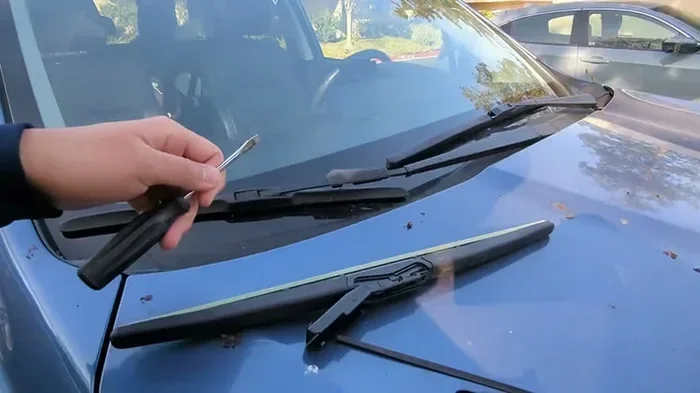
- A flat-head screwdriver (only if your connector is stubborn)
- Your new replacement blades, if you are swapping them out
- Gloves to keep your hands clean and protected
If you are wondering whether you need a specific tool for the job, the answer is almost always no. Some older vehicles use a locking pin that requires a small flat-head screwdriver to release. But even then, the tool is basic and inexpensive. If you want a deeper dive into whether any tools are needed at all, check out our guide on whether you need a tool to change windshield wipers.
Step-by-Step Guide to Removing Windshield Wipers
Now that you know what you are dealing with, let us walk through the actual removal process. Follow these steps carefully, and you will have both wipers off in under ten minutes.
Step 1: Turn Off the Ignition
Safety first. Make sure your car is completely off and the keys are out of the ignition. If you leave the ignition on, the wiper motor could activate unexpectedly. This can cause injury or damage to the wiper arm or even your windshield. Take the extra two seconds to turn everything off before you start.
Step 2: Lift the Wiper Arm Away from the Glass
Gently lift the wiper arm away from the windshield. Do this slowly and with control. The wiper arm has a spring under tension, and if you let it snap back, it can crack the glass or scratch the windshield surface. Place a folded towel between the arm and the glass to cushion it while you work.
This is a small precaution that saves you from costly repairs. A cracked windshield is no joke, and it is entirely preventable with this simple step.
Step 3: Locate the Connector
Look closely at the point where the wiper blade meets the arm. You will see a small clip, button, or latch mechanism. This is the connector. It holds the blade in place. The design varies by vehicle, so take a moment to identify which type you are dealing with.
Here are the three connector types you might encounter:
- Hook-slide connector: A U-shaped hook with a sliding latch. Common on many Toyota, Honda, and Ford models.
- Pin connector: A small pin or tab that you push or pull to release the blade. Found on many older vehicles.
- Side-lock connector: A side button or lever that you press to unlock the blade. Common on newer European models.
Step 4: Release the Connector
This is the moment where the blade comes free. Here is how to handle each connector type:
- Hook-slide: Slide the latch toward the base of the arm while simultaneously pulling the blade upward. The blade will slide off the hook.
- Pin connector: Push the pin inward or pull it outward (depending on your model) while wiggling the blade gently. It will pop free.
- Side-lock: Press the side button or lever and pull the blade upward. It should release without much force.
Never force the blade off. If it does not release with gentle pressure, double-check that you have found and activated the correct release mechanism. Forcing it can damage the wiper arm or the connector.
Step 5: Repeat for the Second Wiper
Once the first blade is off, repeat the same process for the second wiper. The steps are identical. Lift the arm, locate the connector, release it, and slide the blade off.
Note: On some vehicles, the driver and passenger wipers use different connector types. So do not assume the second one will work the same way. Take a moment to inspect it before you start pulling.
Step 6: Remove the Rear Wiper (If Applicable)
If your vehicle has a rear windshield wiper, the removal process is very similar. Lift the arm, find the connector, and release it. The only difference is that rear wiper arms are often shorter and the connector may be slightly different in design. The same release principles apply, though.
Step 7: Store or Replace the Blades
With both blades removed, you have two options. If you are replacing them, simply unbox the new blades and follow the installation steps in reverse. If you are storing the old blades, wrap them in a clean cloth and place them in a dry area. Avoid leaving them in direct sunlight or in a damp garage, as this degrades the rubber.
Common Mistakes to Avoid When Removing Windshield Wipers
Even though this is a simple task, people make mistakes that can cost them time and money. Here are the most common errors and how to avoid them.
Letting the Wiper Arm Snap Back
This is the number one mistake. The wiper arm is under spring tension. If you let go of it suddenly, it will slam against the windshield. This can chip or crack the glass. Always hold the arm gently and lower it back down slowly when you are done working.
Forcing the Connector
Every connector has a specific release method. If you do not know what it is, do not guess. Forcing the blade off can break the connector, bend the wiper arm, or damage the blade itself. Take a few extra minutes to look up your vehicle model and identify the correct release method.
Forgetting to Turn Off the Wipers
It sounds obvious, but people forget. If the wipers are still in the “on” position, they may activate the moment you lift the arm off the glass. This can cause the motor to strain or the blade to jerk unexpectedly. Always make sure the wipers are fully off before you start.
Using the Wrong Replacement Blades
If you are removing wipers to replace them, make sure you buy the correct size. Wiper blade sizes vary even between the same vehicle model and year. Check your owner manual or look up the size online before you purchase. Using the wrong size means poor contact with the glass and streaky visibility.
When Should You Replace Your Windshield Wipers?
Knowing when to replace your wipers is just as important as knowing how to remove them. Worn-out wipers do a poor job of clearing your windshield, and that directly impacts your driving visibility. Here are the signs that it is time for new blades:
- Streaking: The blades leave visible streaks of water or grime across the glass.
- Chattering: The wipers make a squeaking or chattering noise as they move.
- Skipping: The blade lifts off the glass in certain spots, leaving dry patches.
- Cracked or split rubber: Visible damage to the rubber edge of the blade.
- Age: If it has been more than six months since your last replacement, it is probably time.
Most experts recommend replacing wiper blades every six to twelve months. The rubber degrades over time from exposure to sun, rain, and temperature changes. If you live in a climate with harsh winters or intense sun, you may need to replace them more frequently.
If you prefer not to do the job yourself, you can always visit a quick-lube shop. Many Jiffy Lube locations offer wiper blade replacement as part of their standard service menu. It is a quick and affordable option if you do not want to get your hands dirty.
Maintaining Your Wiper Blades for Longevity
Once you have new wipers installed, you want them to last as long as possible. Proper maintenance makes a big difference. Here are some simple tips to keep your blades in great shape:
- Clean the windshield regularly: A clean glass surface reduces friction on the rubber blade. Wipe down your windshield when you fill up your gas tank.
- Lift the wipers in winter: During freezing weather, lift the wiper arms away from the glass. This prevents the rubber from freezing to the windshield and tearing when you turn them on.
- Wipe the blades with a damp cloth: Every few weeks, wipe down the rubber edge of each blade to remove accumulated dirt, oil, and debris. This keeps them gliding smoothly.
- Avoid using wipers on a dry windshield: Running wipers on a dry glass surface wears out the rubber prematurely. Always use wiper fluid before engaging the wipers.
- Check the wiper fluid level: Low wiper fluid means you are more likely to run the wipers dry, which damages both the blades and the glass.
These small habits add up over time and can extend the life of your wiper blades by several months. They also improve your driving visibility every time you use the wipers.
Should You Get Your Wipers Checked During a Service Visit?
Many car owners do not think about their wipers until they fail in the middle of a rainstorm. A proactive approach can save you from that stressful situation. During routine maintenance visits, ask your service advisor to inspect the wiper blades and arms.
If you take your car to a dealership for regular service, they can check the wipers as part of a broader inspection. Dealerships typically include a multi-point inspection that covers wiper condition along with other essential components like brakes, fluids, and tires. This is a great way to stay on top of maintenance without having to remember to check yourself.
Key Takeaways
- No special tools needed: You can remove most windshield wipers with your hands and maybe a flat-head screwdriver.
- Know your connector type: Hook, pin, or side-lock — each releases differently, so identify yours first.
- Protect the windshield: Always place a towel between the wiper arm and the glass to prevent cracks or scratches.
- Replace blades every 6 to 12 months: Worn wipers reduce driving visibility and can strain the wiper motor.
- Maintain your blades: Regular cleaning and proper winter storage extend the life of your wipers significantly.
- Professional help is always an option: If you prefer not to DIY, quick-lube shops and dealerships can handle wiper replacement for you.
Conclusion
So, how do you take windshield wipers off? The answer is: carefully, methodically, and with very little effort. You now know the three main connector types, the step-by-step removal process, and the common mistakes to avoid. This is a skill that saves you time and money every time you need to swap out old blades.
Windshield wiper maintenance is one of those small tasks that makes a huge difference in your daily driving experience. Clear visibility means safer drives, especially during rainy season or winter storms. Do not wait until your wipers are failing to take action.
Grab your replacement blades, follow the steps in this guide, and you will have fresh wipers on in no time. Your windshield — and your peace of mind — will thank you. Now that you know how easy this job is, there is no reason to put it off any longer.
Frequently Asked Questions
Can I remove windshield wipers without any tools?
Yes, in most cases you can remove windshield wipers without any tools at all. The majority of vehicles use hook-slide or side-lock connectors that release with your bare hands. You only need a flat-head screwdriver if your vehicle uses a pin connector or a particularly stubborn latch. Keep a towel handy to protect the windshield while you work.
How long does it take to remove windshield wipers?
It typically takes about three to five minutes per wiper blade. So for both front wipers, you are looking at under ten minutes total. The rear wiper may take slightly less time since the mechanism is usually simpler. Once you have done it a couple of times, you will get even faster.
Is it safe to remove wipers with the engine running?
No, it is not safe. Always turn off the engine and remove the keys before removing windshield wipers. If the ignition is on, the wiper motor could activate unexpectedly, which may cause the arm to snap against the windshield or injure your hand. Safety should always come first with any car maintenance task.
What happens if I let the wiper arm snap back against the windshield?
The wiper arm is under strong spring tension. If you let it snap back freely, it can crack or chip your windshield. This type of damage can be expensive to repair and may even require a full windshield replacement. Always lower the arm gently and place a towel between the arm and the glass as a cushion.
Can I leave my windshield wipers up in the winter?
Yes, lifting the wiper arms away from the windshield during freezing weather is a smart practice. It prevents the rubber blade from freezing to the glass, which can tear the rubber when you turn the wipers on. Just make sure you lower them back down before driving, as raised wipers can obstruct your view or get damaged by road debris.
How do I know which size wiper blades to buy?
You can find the correct wiper blade size in your vehicle owner manual. You can also check the size printed on the old blade or look it up online using your car make, model, and year. Buying the right size ensures proper contact with the windshield and optimal clearing performance. Wrong-sized blades will streak and skip, defeating the purpose of replacing them.