Can You Jump-Start a Car With a Bad Alternator Safely
Yes, you can jump-start a car with a bad alternator, but it comes with important risks. A jump-start gives your battery a temporary boost, but a failing alternator won’t keep it charged. Driving with a bad alternator can damage your electrical system and leave you stranded again.
You turn the key, and nothing happens. Your car won’t start, and you wonder if a jump-start will fix it. But then you remember something. Your alternator has been acting up. Maybe the headlights dimmed last week. Maybe the dashboard light flickered. Now you’re stuck asking a simple question. Can you jump-start a car with a bad alternator?
The short answer is yes. You can jump-start a car with a bad alternator. But the longer answer matters more. A jump-start is only a temporary fix. It does not repair a failing alternator. And driving with a bad alternator can cause more damage. In this article, we’ll walk through everything you need to know. We’ll cover the risks, the steps, and when to stop jump-starting and start replacing parts.
Whether you’re dealing with a dead battery right now or trying to prevent future problems, this guide has you covered. Let’s break it down in plain, simple terms.
Key Takeaways
- Jump-starting works temporarily: A bad alternator doesn’t prevent you from jump-starting your car. The battery provides the initial power to crank the engine.
- You cannot drive far on a jump-start alone: Without a working alternator, your battery will drain quickly, and you’ll be stuck again soon.
- Watch for warning signs: Dim headlights, dashboard warnings, and frequent dead batteries signal a failing alternator.
- Safety matters: Follow proper jump-start procedures to avoid damaging your car’s electrical system or causing injury.
- Replace when needed: A bad alternator needs replacement, not just a jump-start. Ignoring it leads to bigger repair costs.
- Check your battery health: A jump-start won’t fix a battery that’s already damaged from a bad alternator.
- Get professional help: When in doubt, let a mechanic diagnose the real problem and recommend the right fix.
📑 Table of Contents
- What Does an Alternator Do?
- Can You Jump-Start a Car With a Bad Alternator?
- Warning Signs Your Alternator Is Failing
- How to Jump-Start a Car Safely
- What Happens After a Jump-Start With a Bad Alternator?
- When to Replace Your Alternator Instead of Jump-Starting
- Common Mistakes People Make With a Bad Alternator
- Expert Insights on Alternator Failure
- Key Takeaways
- Conclusion
What Does an Alternator Do?
Before we answer the main question, let’s understand the alternator’s role. Many car owners confuse the battery and the alternator. They think both do the same job. But they don’t.
Your car battery provides the initial power to start the engine. It sends a burst of electricity to the starter motor. That’s what cranks the engine and gets it running. Once the engine is on, the alternator takes over.
The alternator charges the battery while you drive. It also powers all the electrical components in your car. Think of the lights, the radio, the power windows, and the dashboard instruments. All of these rely on the alternator to function. Without a working alternator, your car runs only on battery power. And battery power runs out fast.
The alternator works through a simple process. The engine turns a belt. That belt spins a rotor inside the alternator. This spinning motion creates electrical energy. That energy flows to the battery and the rest of the car. It’s a continuous cycle. The engine runs, the alternator charges, the battery stays full.
So when the alternator fails, this cycle breaks. The battery tries to do all the work alone. And it can’t keep up for long.
Can You Jump-Start a Car With a Bad Alternator?
Here’s the core question. Can you jump-start a car with a bad alternator? The answer is yes, technically. A jump-start doesn’t care about the alternator’s condition. It only needs a working battery on the donor vehicle and good jumper cables. The process sends power from one battery to another. That power cranks the engine and gets it running.
But here’s the catch. A jump-start does not fix the alternator. It doesn’t charge the battery either. It just gives your battery enough juice to start the car one more time. Once the engine is running, the car relies on the alternator to keep things going. If the alternator is bad, the battery drains fast. You might make it ten minutes. Maybe thirty. But eventually, the engine will stall again.
Think of it like this. Jump-starting is like borrowing a cup of water when you’re dying of thirst. It helps for a moment. But it doesn’t solve the root problem. You still need a working well. In this case, the well is your alternator.
What Happens During a Jump-Start?
When you connect jumper cables, power flows from the good battery to the dead one. The dead battery gets just enough voltage to turn the starter motor. The engine fires up. At this point, the alternator should kick in and take over. But if the alternator is bad, it can’t do its job. The battery tries to compensate. And it quickly loses charge.
Some drivers try to drive around after a jump-start. They hope the alternator will kick in. But with a bad alternator, that won’t happen. The battery keeps draining with every electrical component you use. The radio, the lights, the air conditioning. All of these pull power from the battery. Without the alternator to recharge it, the battery dies again.
Is It Safe to Jump-Start a Car With a Bad Alternator?
Jump-starting itself is safe if you follow the right steps. The danger isn’t in the jump-start process. The danger is what happens after. Driving a long distance with a bad alternator can hurt your car. Here’s why.
First, the battery can die completely. Once the battery is dead, you won’t be able to restart the car. You’ll be stranded on the side of the road. Second, a bad alternator can send irregular voltage to your electrical system. This can damage sensitive electronics. Your car’s computer, sensors, and infotainment system can all suffer. Third, driving on a nearly dead battery can cause the battery to overheat. In rare cases, this leads to a battery leak or even a fire.
So is it safe? The jump-start itself is fine. Driving far with a bad alternator is not.
Warning Signs Your Alternator Is Failing
You don’t want to find out your alternator is bad when you’re already stranded. Catching the warning signs early saves you time and money. Here are the most common symptoms of a failing alternator.
Dim or Flickering Lights
Your headlights, dashboard lights, or interior lights may dim or flicker. This happens because the alternator isn’t producing steady power. The lights depend on consistent voltage. A bad alternator can’t deliver that.
Dashboard Warning Lights
Most modern cars have a battery or alternator warning light on the dashboard. It usually looks like a battery shape. If this light comes on while you’re driving, don’t ignore it. It’s a clear signal that the charging system isn’t working properly.
Dead Battery Repeatedly
If you find yourself jump-starting your car every few days, the alternator might be the culprit. A bad alternator can’t keep the battery charged. So the battery dies again and again. Many people mistake this for a bad battery. But the real problem is often the alternator.
Strange Noises
A failing alternator can make grinding or whining sounds. These noises come from worn bearings inside the alternator. If you hear something unusual from the engine bay, get it checked.
Electrical Problems
Power windows moving slowly, the radio cutting out, or the air conditioning losing power. All of these can point to a weak alternator. The electrical system isn’t getting enough voltage to work properly.
Battery Corrosion
Corroded battery terminals can mimic alternator problems. But corrosion often worsens when the alternator fails. A bad alternator can cause overcharging or undercharging. Both conditions lead to corrosion buildup on the terminals.
Pay attention to these signs. Catching a bad alternator early prevents a dead battery and a stranded afternoon.
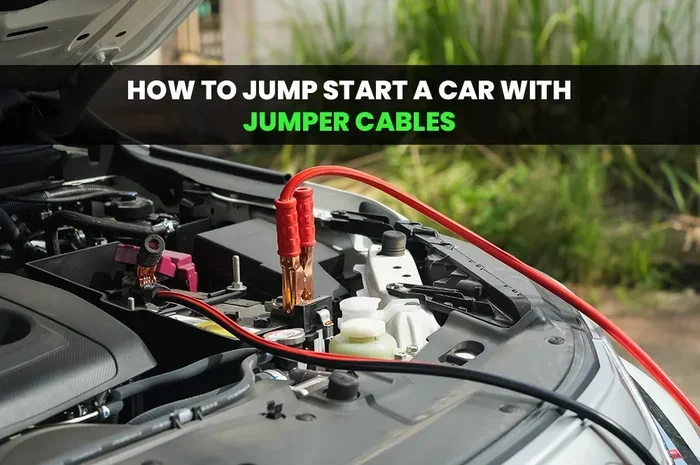
How to Jump-Start a Car Safely
If you’re dealing with a dead battery and a suspect alternator, you need to know the right jump-start procedure. Doing it wrong can damage your car or hurt you. Follow these steps carefully.
What You’ll Need
- A donor vehicle with a working battery
- Jumper cables (preferably heavy gauge)
- Safety glasses
- Gloves
- A flat, stable parking spot for both cars
Step-by-Step Process
Step 1. Park both cars close together. Make sure they don’t touch. Turn off the engines and all electrical components in both vehicles.
Step 2. Connect the red jumper cable to the positive terminal of the dead battery. Look for a plus sign or a red cover.
Step 3. Connect the other red clamp to the positive terminal of the donor battery.
Step 4. Connect the black jumper cable to the negative terminal of the donor battery.
Step 5. Connect the other black clamp to an unpainted metal surface on the dead car’s engine block. Never connect it directly to the dead battery’s negative terminal. This reduces the risk of sparks near the battery.
Step 6. Start the donor car. Let it run for a few minutes. This gives the dead battery some charge.
Step 7. Try starting the dead car. If it doesn’t start right away, wait another minute or two. Then try again.
Step 8. Once the car starts, remove the cables in reverse order. Black first, then red. Be careful not to let the clamps touch each other.
Step 9. Let the car run for at least fifteen minutes. This gives the battery some charge. But remember, with a bad alternator, this charge won’t last long.
Quick Tips for a Safe Jump-Start
- Never let the jumper cable clamps touch each other once connected.
- Check the battery for cracks or leaks before jump-starting.
- Wear safety glasses to protect your eyes from sparks.
- Don’t jump-start a frozen battery. It could explode.
- Keep the donor car running throughout the process.
What Happens After a Jump-Start With a Bad Alternator?
You’ve jump-started the car. The engine is running. Now what? This is where things get tricky with a bad alternator.
Right after a jump-start, the car might seem fine. The engine runs smoothly. The lights work. The radio plays. But underneath, the battery is already losing charge. Without a working alternator, there’s no way to recharge it.
Most cars can run for fifteen to thirty minutes on battery power alone. But that’s under ideal conditions. If you’re using the headlights, the radio, or the air conditioning, the battery drains even faster. In some cases, the car stalls within ten minutes.
The best thing to do after a jump-start is to drive directly to a mechanic. Don’t take a long drive. Don’t run errands. Head straight to a repair shop. The alternator needs to be tested and likely replaced.
If you can’t get to a mechanic right away, turn off all unnecessary electrical systems. Roll up the windows. Turn off the radio. Kill the air conditioning. These small steps reduce the drain on the battery. They might buy you a few extra minutes on the road.
But don’t count on getting far. A bad alternator means the battery will die again soon. Plan for a tow if needed.
When to Replace Your Alternator Instead of Jump-Starting
Jump-starting a car with a bad alternator is a temporary fix at best. There comes a point when you need to stop jump-starting and start replacing the part. Here’s how to know when that time has come.
Frequent Dead Batteries
If you’ve jump-started your car more than twice in a week, the alternator is probably failing. A healthy alternator keeps the battery charged between drives. If it can’t do that, replacement is the answer.
Voltage Test Results
A mechanic can test your alternator with a multimeter. A healthy alternator produces between 13.8 and 14.2 volts when the engine is running. If the reading is below 13 volts, the alternator isn’t charging properly. If it’s above 15 volts, it’s overcharging. Both situations mean the alternator needs attention.
Visible Damage
Check the alternator for physical damage. Look for frayed wires, burnt smells, or a whining noise. These are clear signs the alternator is failing. No amount of jump-starting will fix these issues.
Cost Considerations
Replacing an alternator costs between 300 and 800 dollars on average. The part itself ranges from 100 to 350 dollars. Labor adds another 200 to 450 dollars. Compare that to the cost of a new battery, which runs around 100 to 200 dollars. If you keep replacing batteries because of a bad alternator, you’ll spend more in the long run.
It’s smarter to replace the alternator once and fix the root cause. A new alternator can last for many years. It keeps your electrical system running smoothly and your battery healthy.
Common Mistakes People Make With a Bad Alternator
When drivers discover their alternator is bad, they make a few common mistakes. Avoiding these can save you time, money, and a lot of frustration.
Mistake 1: Assuming It’s Just a Dead Battery
Many people replace the battery without checking the alternator. If the alternator is bad, the new battery will die too. Always test both components before buying replacements.
Mistake 2: Driving Long Distances After a Jump-Start
Some drivers think a jump-start fixes everything. They drive to work, run errands, and go grocery shopping. With a bad alternator, every trip drains the battery further. You might make it to work, but getting home could be a different story.
Mistake 3: Ignoring Dashboard Warning Lights
That battery or alternator warning light is there for a reason. Ignoring it leads to bigger problems. Address warning lights immediately.
Mistake 4: Using Cheap Jumper Cables
Thin, cheap jumper cables can overheat during a jump-start. They also transfer power poorly. Invest in heavy-gauge cables that handle the electrical load safely.
Mistake 5: Not Turning Off All Electrical Loads
After a jump-start, some drivers immediately turn on the AC, the radio, and the heated seats. All of these pull power from the battery. With a bad alternator, that power has nowhere to come from. Turn off everything unnecessary and drive straight to a repair shop.
Expert Insights on Alternator Failure
Experienced mechanics see a lot of alternator-related calls every month. Here’s what the professionals want you to know.
Most alternators fail gradually, not overnight. The diodes inside the alternator wear out over time. The voltage regulator weakens. The bearings grind down. All of these lead to a slow decline in performance. Catching the early signs gives you time to plan the repair.
Mechanics also emphasize the importance of the drive belt. The alternator relies on a belt connected to the engine to spin. If the belt is loose, worn, or broken, the alternator won’t work. Before replacing the alternator, a good mechanic always checks the belt first.
Another expert tip: parasitic draw. Some car owners have electrical components that draw power even when the car is off. A faulty alternator can worsen this problem. A parasitic draw test helps identify hidden power drains that kill your battery overnight.
Finally, mechanics recommend regular maintenance checks. A simple charging system test during an oil change can catch alternator problems early. It costs very little and saves you from unexpected breakdowns.
Key Takeaways
- Jump-starting works temporarily: A bad alternator doesn’t prevent you from jump-starting your car. The battery provides the initial power to crank the engine.
- You cannot drive far on a jump-start alone: Without a working alternator, your battery will drain quickly, and you’ll be stuck again soon.
- Watch for warning signs: Dim headlights, dashboard warnings, and frequent dead batteries signal a failing alternator.
- Safety matters: Follow proper jump-start procedures to avoid damaging your car’s electrical system or causing injury.
- Replace when needed: A bad alternator needs replacement, not just a jump-start. Ignoring it leads to bigger repair costs.
- Check your battery health: A jump-start won’t fix a battery that’s already damaged from a bad alternator.
- Get professional help: When in doubt, let a mechanic diagnose the real problem and recommend the right fix.
Conclusion
So can you jump-start a car with a bad alternator? Yes, you can. But you should think of it as a temporary bridge, not a permanent solution. A jump-start gives your car enough power to start and get you to a repair shop. It doesn’t fix the alternator or keep your battery charged for the long haul.
Understanding how your car’s charging system works helps you make smarter decisions. The alternator and the battery work together. When one fails, the other suffers. A bad alternator drains your battery. A weak battery makes the alternator work harder. It’s a cycle that leads to more breakdowns and higher repair costs.
If you’ve been jump-starting your car frequently, don’t ignore the pattern. Get your alternator tested. Replace it if needed. The small investment now saves you from bigger headaches later. And the next time you turn the key, your car will start right up and keep running.
Stay proactive with your car maintenance. Check the charging system regularly. Watch for warning signs. And when something feels off, don’t wait. Address it now. Your wallet and your peace of mind will thank you.
Frequently Asked Questions
Can a bad alternator ruin a new battery?
Yes, a bad alternator can ruin a new battery quickly. If the alternator undercharges the battery, the battery never gets fully charged. Over time, this damages the battery cells. A new battery will die much faster than normal with a failing alternator.
How long can I drive with a bad alternator after a jump-start?
You might drive for fifteen to thirty minutes after a jump-start. But this depends on how many electrical systems you’re using. Turn off everything unnecessary and drive directly to a repair shop. Don’t take a long trip.
What causes an alternator to fail?
Common causes include worn bearings, failed diodes, a bad voltage regulator, and age. A loose or worn drive belt can also cause alternator problems. Sometimes, electrical overload from aftermarket accessories stresses the alternator beyond its limits.
Do I need a new alternator or just a jump-start?
If the alternator is truly bad, you need a replacement. A jump-start only provides temporary power. A mechanic can test the alternator with a multimeter. If the voltage output is too low or too high, replacement is the right choice.
Can jump-starting damage a car with a bad alternator?
The jump-start process itself is unlikely to cause damage if done correctly. However, driving with a bad alternator after a jump-start can harm your electrical system. Irregular voltage can damage sensors, the car’s computer, and other sensitive components.
How much does it cost to replace an alternator?
On average, alternator replacement costs between 300 and 800 dollars. The part ranges from 100 to 350 dollars, and labor runs from 200 to 450 dollars. Prices vary based on your car’s make, model, and year. Always get a quote before committing to the repair.