How Much Should Four Used Tires Cost You Right Now
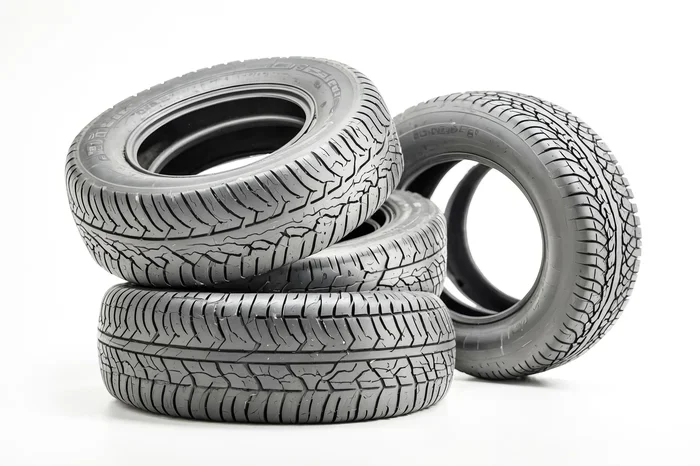
Four used tires should typically cost between $100 and $400 total, depending on brand, size, and condition. Buying used tires can save you up to 50% compared to new tires, but you need to know what to look for. This guide covers used tire pricing, safety checks, and smart buying tips to help you make the best decision.
Let’s talk about something every car owner deals with at some point: tire replacement. Whether you got into a fender bender, noticed uneven wear, or just need to save money, used tires can be a smart choice. But here’s the big question — how much should four used tires cost?
The answer isn’t as simple as picking a number from a hat. Used tire pricing depends on several factors like tire size, brand, tread depth, and where you shop. Some people walk away with a great set for under $200. Others pay closer to $400 or more. It all comes down to what you need and what you’re willing to accept.
This guide breaks down everything you need to know about used tire costs. We’ll cover fair pricing, where to find the best deals, what to inspect before buying, and common mistakes to avoid. By the end, you’ll feel confident making a smart decision on your next set of tires.
Key Takeaways
- Average Price Range: Four used tires typically cost between $100 and $400, depending on size and brand.
- Safety First: Always check tread depth, sidewall condition, and tire age before buying used tires.
- Best Places to Buy: Discount tire shops, online marketplaces, and salvage yards offer the best deals on used tires.
- Know When to Replace: If your tires are worn or unsafe, replacing them with quality used tires is smarter than driving on bad tires.
- Maintenance Matters: Regular tire rotation and inspection help your used tires last longer and perform better.
- Avoid Common Mistakes: Don’t buy used tires with cracks, bulges, or low tread depth no matter how cheap they seem.
📑 Table of Contents
How Much Should Four Used Tires Cost?
The short answer? Most sets of four used tires fall somewhere between $100 and $400. But that range is wide because so many factors come into play. Let’s break down what drives the price.
Factors That Affect Used Tire Pricing
Several things determine how much you’ll pay for a set of second-hand tires. Understanding these factors helps you know if a deal is actually good or if you’re about to overpay.
- Tire Size: Larger tires like those on trucks and SUVs cost more than standard sedan tires. A set of 20-inch tires will set you back more than a set of 16-inch tires.
- Brand Name: Premium brands like Michelin, Goodyear, and Bridgestone hold their value better, even as used tires. Budget brands may be cheaper but might not last as long.
- Tread Depth: Tires with deeper tread cost more because they have more life left. A tire with 8/32nds of tread is worth more than one with 4/32nds.
- Tire Age: Even if a tire looks fine, older tires can be dangerous. Tires over six years old usually sell for less, and for good reason.
- Condition: Tires with even wear, no cracks, and no repairs will always cost more than tires that need work.
- Where You Buy: A tire shop might charge a bit more than a private seller, but you often get a warranty and peace of mind.
Average Used Tire Prices by Size
Here’s a rough idea of what to expect based on common tire sizes. Keep in mind that prices vary by region and availability.
- Compact/Sedan Tires (15-16 inch): $25 to $75 per tire, or $100 to $300 for a set of four.
- Mid-Size Tires (17-18 inch): $40 to $100 per tire, or $160 to $400 for a set of four.
- Truck/SUV Tires (20-22 inch): $75 to $150 per tire, or $300 to $600 for a set of four.
As you can see, the cost of used tires scales with the size of the tire. If you drive a compact car, you can often find a solid set for well under $200. If you have a larger vehicle, expect to spend a bit more.
Where to Buy Used Tires
Not all places to buy used tires are created equal. Some offer great prices but no guarantees, while others cost a little more but give you protection. Let’s explore your options.
Discount Tire Shops
Local discount tire shops are often the best place to find quality budget tires. These shops buy used tires in bulk, inspect them, and sell them at fair prices. Many shops also offer a limited warranty on used tires, which is a huge plus.
You can usually walk in, browse their selection, and walk out the same day. Prices at discount shops tend to be right in the middle of the range — not the cheapest, but not overpriced either.
Online Marketplaces
Websites like Craigslist, Facebook Marketplace, and OfferUp are full of used tires for sale. The upside is that you can often find cheap tires from people who just replaced their set. The downside is that you take the risk on your own.
When buying online, always ask for photos of the tread, sidewalls, and date codes. Meet in a safe public place and inspect the tires thoroughly before handing over any money. This is especially important if you’re buying from a private seller.
Salvage Yards and Tire Recycling Centers
Salvage yards sometimes have tires pulled from vehicles that were totaled or scrapped. These can be real bargains, but you need to know what you’re looking for. Tire condition at salvage yards can be all over the map.
If you go this route, bring a flashlight and a gauge. Check every tire carefully. The savings can be significant, but so is the risk if you end up with a bad set.
Auto Parts Stores
Stores like O’Reilly, AutoZone, and Advance Auto Parts sometimes carry used or refurbished tires. These tend to be more expensive than other options, but they come with the backing of a known retailer. If you value customer service and returns, this might be worth the extra cost.
What to Check Before Buying Used Tires
This is the most important part of buying used tires. A cheap set that looks good on the outside might be dangerous on the inside. Here’s exactly what to inspect before you buy.
Check the Tread Depth
Tread depth is the #1 thing to check. New tires typically start with about 10/32nds of tread. For safe driving, you want at least 4/32nds of tread remaining. Anything below 3/32nds is getting dangerous and should be replaced soon.
You can use a tread gauge for an exact measurement. Or you can do the classic penny test: insert a penny into the tread with Lincoln’s head upside down. If you can see all of Lincoln’s head, the tread is too worn.
Look at the Sidewalls
The sidewall is the side of the tire that faces outward. Run your hand along it and look closely for any cracks, bulges, or cuts. Sidewall damage can cause a blowout, which is extremely dangerous at highway speeds.
Small scuffs and scrapes are normal and usually harmless. But any visible damage to the sidewall means you should pass on that tire.
Check the Tire Age
Every tire has a DOT code on the sidewall that tells you when it was manufactured. The last four digits represent the week and year. For example, “2519” means the tire was made in the 25th week of 2019.
Tires over six years old should raise a red flag, even if they look fine. Rubber degrades over time, and older tires are more prone to failure. If you find tires that are 8+ years old, it’s best to keep looking.
Look for Uneven Wear Patterns
Uneven wear can tell you a lot about how the previous owner maintained their vehicle. If the tires are worn more on one side, it could indicate alignment problems. Center wear suggests the tires were always overinflated. Edge wear points to underinflation.
Slight uneven wear is normal and usually not a dealbreaker. But severe uneven wear means the tires may not last long, even after you install them.
Check for Repairs and Plugs
Some tire repairs are perfectly fine, but others are red flags. A professional plug or patch repair from a reputable shop is usually acceptable. But if you see a string of plugs, or a repair on the sidewall, that tire should be avoided.
Repairs on the sidewall are especially risky because that area flexes constantly while driving. A failed sidewall repair can lead to a sudden loss of air and a dangerous situation on the road.
Are Used Tires Worth It?
This is a fair question, and the answer depends on your situation. Let’s look at the pros and cons of buying used tires versus going with new ones.
The Pros of Buying Used Tires
- Significant Savings: Used tires can cost 50% less than new tires. That’s real money in your pocket.
- Good for Short-Term Use: If you need tires to get you through a few months before a bigger purchase, used tires are perfect.
- Decent Quality Available: Many used tires have plenty of tread life left. You’re not necessarily getting “worn out” rubber.
- Better for the Environment: Reusing tires keeps them out of landfills and reduces the demand for new tire production.
The Cons of Buying Used Tires
- No Warranty (Sometimes): Some sellers don’t offer any warranty, which means you eat the cost if something goes wrong.
- Unknown History: You don’t always know how the previous owner drove or maintained the tires.
- Shorter Lifespan: Even good used tires won’t last as long as new tires because they already have miles on them.
- Safety Risks: Poorly maintained used tires can be dangerous if you don’t inspect them properly.
When Used Tires Make Sense
Used tires are a great choice if you’re on a tight budget, need a temporary set, or drive a vehicle that doesn’t require premium tires. They also make sense if you find a set with plenty of tread and a clean history.
However, if you drive long distances regularly, carry heavy loads, or drive in harsh weather conditions, you might want to invest in new tires instead. Safety should always come first.
When New Tires Are the Better Choice
There are times when new tires are the smarter investment. If you need tires for a long road trip, drive in areas with heavy rain or snow, or want the peace of mind that comes with a full warranty, new tires are the way to go.
Also, keep in mind that tire safety is not something to cut corners on. Bad tires affect your handling, braking, and overall safety on the road. If you’re ever in doubt, it’s better to spend a little more on new tires.
How to Make Your Used Tires Last Longer
Once you’ve bought your set of used tires, you want to get every last mile out of them. Proper maintenance goes a long way in extending the life of any tire set.
Rotate Your Tires Regularly
Tire rotation helps ensure even wear across all four tires. Most experts recommend rotating your tires every 5,000 to 8,000 miles. This simple habit can add thousands of miles to the life of your used tires.
If you’re not sure how to rotate your tires, many tire shops will do it for a small fee. Some shops even do it for free if you bought the tires from them.
Keep Your Tires Properly Inflated
Underinflated tires wear out faster on the edges of the tread, while overinflated tires wear out in the center. Check your tire pressure at least once a month and keep it at the level recommended by your vehicle manufacturer.
You can find the recommended pressure on a sticker inside the driver’s door or in your owner’s manual. A good tire gauge costs just a few dollars and can save you a lot of money in the long run.
Get Regular Wheel Alignments
A bad alignment can eat through your tires surprisingly fast. If you notice your car pulling to one side or your tires wearing unevenly, get an alignment check right away.
While an alignment costs $50 to $100 at most shops, it can save you hundreds of dollars in premature tire wear. Think of it as an investment in your tire lifespan.
Store Tires Properly When Not in Use
If you have a set of seasonal tires or spare tires, store them properly. Keep them in a cool, dry place away from direct sunlight. UV rays and heat break down rubber faster, which shortens the life of your tires.
Also, if you store tires mounted on rims, keep them inflated to the proper pressure. If you store them unmounted, stack them flat rather than standing them upright to prevent flat spots.
Common Mistakes People Make When Buying Used Tires
Even with the best intentions, people make mistakes when buying second-hand tires. Here are the most common ones to avoid.
Buying Based on Price Alone
The cheapest set of tires isn’t always the best deal. If you buy four tires for $80 and they only last 5,000 miles, you’re actually paying more per mile than if you’d spent $200 on tires that last 20,000 miles. Always consider the value, not just the price tag.
Ignoring the DOT Code
Many buyers skip checking the tire age. This is a big mistake. Old tires can be dangerous even if they have plenty of tread. Always check the DOT code before you buy, and walk away from tires that are more than six years old.
Skipping the Inspection
Don’t buy tires without inspecting them in person. Photos online can hide cracks, repairs, and uneven wear. If you’re buying from a shop, ask if you can examine the tires yourself before making a decision.
Not Matching Tire Sizes
All four tires need to be the same size, brand, and model for safe driving. Mixing different tire sizes can cause handling problems, uneven wear, and damage to your drivetrain. Always double-check that the tires you’re buying match your vehicle’s specifications.
Forgetting About Installation Costs
The price of the tires themselves isn’t the only cost. Installation, balancing, and disposal fees for your old tires can add $50 to $100 to your total bill. Factor these costs into your budget before you shop.
Final Thoughts
So, how much should four used tires cost? The honest answer is that there’s no single right number. But with the information in this guide, you’re now equipped to evaluate any deal and decide if it’s worth your money.
Used tires can save you a significant amount of money while still keeping you safe on the road — as long as you buy smart and inspect carefully. Whether you find a great set at a discount shop or score a deal from a private seller, the key is knowing what to look for and what to avoid.
Remember that tire safety should always come first. No amount of savings is worth risking your safety or the safety of others on the road. Take your time, do your research, and don’t be afraid to walk away from a deal that doesn’t feel right.
With the right set of used tires, proper maintenance, and a little bit of knowledge, you can get many more miles out of your vehicle without breaking the bank. Happy tire shopping!
Frequently Asked Questions
Is it safe to drive on used tires?
Yes, it can be safe as long as the tires have sufficient tread depth, no sidewall damage, and are less than six years old. Always inspect used tires carefully before purchasing and installing them on your vehicle.
How long do used tires last after purchase?
It depends on the tread depth and condition at the time of purchase. On average, quality used tires with 6/32nds or more of tread can last between 10,000 and 25,000 miles with proper care and regular rotation.
Can I put used tires on a front-wheel-drive car?
Yes, but it’s important to put the better tires on the front axle for front-wheel-drive vehicles. This helps with traction and prevents premature wear. Always match the size and type across all four tires.
Do used tires come with a warranty?
Some tire shops offer a limited warranty on used tires, but private sellers usually do not. Check with the seller before buying and get any warranty terms in writing if possible.
What is the penny test for tire tread?
The penny test is a quick way to check tread depth. Insert a penny into the tread groove with Lincoln’s head upside down. If you can see all of Lincoln’s head, your tread is too worn and the tire needs to be replaced.
How do I find the right tire size for my car?
You can find your tire size on the driver’s side door jamb sticker, in your owner’s manual, or on the sidewall of your current tires. The size is listed as a series of numbers like 205/55R16, which tells you the width, aspect ratio, and rim diameter.
=== CONCLUSION ===
Finding the right set of four used tires doesn’t have to be stressful or expensive. With fair used tire pricing typically ranging from $100 to $400, there are solid options for almost every budget and vehicle type. The key is knowing what to look for, where to shop, and how to avoid common pitfalls that can turn a good deal into a bad one.
Inspect every tire carefully, check the age and condition, and never sacrifice safety for a lower price. A well-chosen set of used tires can serve you well for thousands of miles while keeping money in your pocket. Take your time, ask questions, and trust your instincts when evaluating a set of second-hand tires. Your wallet and your safety will both thank you.