How Do You Revive A Hybrid Battery And Get It Going
Knowing how do you revive a hybrid battery can save you hundreds of dollars and extend your vehicle’s life. A fading hybrid battery doesn’t always mean a full replacement. You can try simple techniques like battery cycling, cell balancing, and temperature management to restore performance. This guide walks you through every method, from DIY fixes to professional solutions, so you can make an informed decision.
Your hybrid car has been a reliable companion. But one morning, you notice the battery light flickering on the dashboard. Panic sets in. Before you call the dealer and brace for a massive bill, take a breath. There are real ways to bring your hybrid battery back to life.
How do you revive a hybrid battery is one of the most searched questions among hybrid owners. The good news? You have options. Some are simple and free. Others require a bit more effort or investment. Either way, understanding your battery is the first step toward fixing it.
Hybrid batteries are different from regular car batteries. They handle much more responsibility. They power the electric motor, store energy from regenerative braking, and help your engine run efficiently. When they start to fade, your fuel economy drops and your car feels sluggish. This guide covers everything you need to know about hybrid battery revival.
Key Takeaways
- Reviving a hybrid battery is often possible: You don’t always need an expensive replacement. Several methods can restore lost capacity and performance.
- Early detection matters: Recognizing warning signs early gives you the best chance of successful battery revival.
- Multiple revival methods exist: From simple driving habits to advanced cell balancing, options suit different budgets and skill levels.
- Prevention is key: Regular maintenance and good charging habits keep your hybrid battery healthy for years.
- Know when to replace: Sometimes revival efforts aren’t enough, and a full replacement becomes the smarter choice.
- Professional help adds value: Certified technicians have tools and expertise that DIY methods can’t match.
📑 Table of Contents
- Understanding Your Hybrid Battery
- Signs That Your Hybrid Battery Needs Revival
- Methods To Revive A Hybrid Battery
- Step-By-Step Battery Revival Process
- Preventing Future Battery Problems
- When To Replace Instead Of Revive
- How Much Does It Cost To Replace A Hybrid Battery?
- How Long Does A Hybrid Battery Revival Last?
- Conclusion
Understanding Your Hybrid Battery
Before you dive into revival methods, you need to understand what’s inside your hybrid battery. Knowledge makes the process less scary and more manageable.
What Makes Up A Hybrid Battery
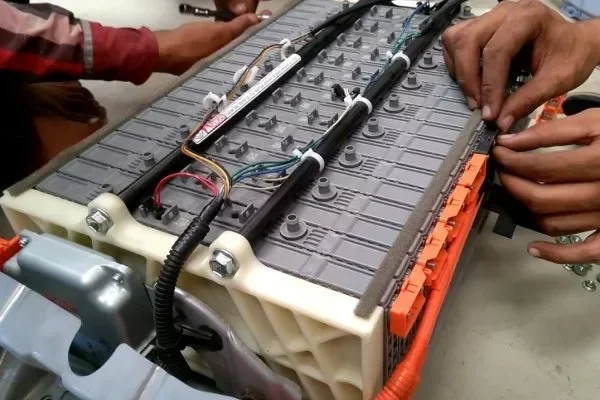
Most hybrid cars use either nickel-metal hydride (NiMH) or lithium-ion (Li-ion) cells. These cells work together in a pack. Each cell stores and releases electrical energy. The battery management system (BMS) monitors every cell. It ensures balanced power output and safe operation.
A typical hybrid battery pack contains hundreds of individual cells. When even a few cells start to fail, the whole pack suffers. That’s why hybrid battery health depends on the weakest cell, not the strongest one.
How Hybrid Batteries Degrade Over Time
Every battery has a lifespan. Most hybrid batteries last between 8 and 15 years. But degradation varies based on driving habits, climate, and maintenance. Hot weather accelerates battery wear. Short trips don’t give the battery enough time to fully recharge. Over time, capacity drops and voltage imbalances develop.
The hybrid battery lifespan also depends on how often you use electric-only mode. Frequent deep discharges stress the cells. Gradual, moderate use tends to preserve battery health longer.
Signs That Your Hybrid Battery Needs Revival
Catching the warning signs early gives you the best shot at revival. Don’t ignore these red flags.
Warning Lights And Dashboard Alerts
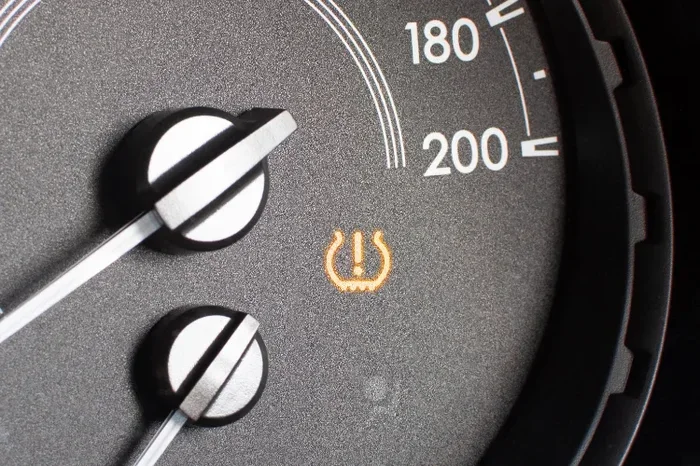
The most obvious sign is the check engine light or a dedicated hybrid warning light. Your dashboard might display a red or yellow battery icon. Some vehicles show a “Service Hybrid System” message. These alerts mean the battery management system has detected a problem.
If you see any of these warnings, don’t ignore them. Driving with a failing battery can cause further damage to the electric motor or the engine.
Decreased Fuel Economy
One of the biggest benefits of a hybrid is fuel savings. When the battery fades, you lose that advantage. You might notice you’re visiting the gas station more often. The electric motor isn’t assisting the engine as it should. This puts more load on the gas engine and burns more fuel.
Track your fuel economy over time. A sudden drop of 15 to 20 percent often signals battery trouble.
Reduced Electric Driving Range
Many hybrids can drive short distances on electric power alone. If your car barely moves before the gas engine kicks in, the battery is struggling. You might notice this most in stop-and-go traffic or when backing into a parking spot.
Strange Noises Or Vibrations
A healthy hybrid battery operates quietly. If you hear humming, clicking, or buzzing sounds from the battery area, pay attention. Some owners report vibrations through the console or seats. These can indicate failing cells or internal damage.
Can You Still Drive With A Bad Hybrid Battery?
Many owners wonder if they can keep driving when the battery weakens. The answer depends on your vehicle. Some hybrids switch to gas-only mode when the battery fails completely. Others go into “limp mode” and limit speed. Check your owner’s manual for guidance.
You can still drive a hybrid car if the battery dies in many cases, but it won’t run efficiently. You’ll get poor mileage and reduced power. It’s not a long-term solution. Address the battery issue as soon as possible.
Methods To Revive A Hybrid Battery
Several techniques can help restore a fading hybrid battery. Some work better for specific problems. Let’s explore the most effective methods.
Method 1: Battery Cycling
Battery cycling means fully charging and then fully discharging the battery in a controlled way. This process helps recalibrate the battery management system. It can also rebalance cells that have drifted out of alignment.
Here’s how to do it:
- Drive your car on a highway for 20 to 30 minutes to warm up the battery.
- Turn off all accessories and let the car idle.
- Allow the battery to discharge slowly until the car shuts off.
- Then charge it back to full using a compatible charger or by driving.
- Repeat this cycle 3 to 5 times over several days.
This method works best for mild capacity loss. It won’t fix physically damaged cells, but it can restore performance when voltage imbalance is the issue.
Method 2: Cell Balancing
Each cell in your hybrid battery should carry the same voltage. Over time, some cells fall behind. This creates an imbalance that reduces overall pack performance. Cell balancing corrects this difference.
Professional shops use dedicated balancers that measure each cell’s voltage. They then redistribute energy to weaker cells. Some advanced DIY enthusiasts use a multimeter to check individual cell voltages manually. However, this requires technical knowledge and safety precautions.
If you’re not comfortable working with high-voltage battery systems, leave cell balancing to a professional. The risks of electric shock are real.
Method 3: Temperature Management
Heat is a hybrid battery’s worst enemy. Excessive heat accelerates chemical degradation inside the cells. Keeping your battery cool can slow this process and sometimes even revive slightly weakened cells.
Here are practical tips:
- Park in shaded areas whenever possible.
- Use a battery cooling pad if your vehicle supports one.
- Avoid charging the battery immediately after heavy driving.
- Let the car idle for a few minutes before driving in hot weather.
Cold weather also affects battery performance. In winter, the battery may seem weaker than it actually is. A full charge cycle in moderate temperatures can restore winter performance.
Method 4: Deep Charge With A Smart Charger
A smart charger delivers a controlled, low-current charge over an extended period. This gentle approach can revive cells that have developed sulfation or crystal buildup. The slow charging process helps break down these deposits and restore capacity.
Look for a charger specifically designed for hybrid batteries. Standard car battery chargers deliver too much current and can damage the delicate cells. A smart charger typically costs between $50 and $150 and is a worthwhile investment for hybrid owners.
Method 5: Software Reset And Recalibration
Sometimes the problem isn’t physical. The battery management software can lose its calibration. A software reset often fixes this. You can perform a reset by disconnecting the 12-volt auxiliary battery for 15 to 30 minutes.
After reconnecting, let the hybrid system run through its self-check. The battery management system will recalibrate itself based on current conditions. This simple trick works surprisingly often for mild issues.
Step-By-Step Battery Revival Process
Ready to try reviving your battery? Follow this step-by-step process for the best results.
Step 1: Diagnose The Problem
Start by connecting an OBD-II scanner to your vehicle. Look for error codes related to the hybrid battery. Common codes include P0A80 (replace hybrid battery pack) or P0A7F (battery cell voltage imbalance). Write down all the codes you find.
If you don’t have a scanner, many auto parts stores offer free diagnostic checks. They can read the codes for you and point you in the right direction.
Step 2: Check The 12-Volt Auxiliary Battery
Here’s a tip many people miss. A weak 12-volt battery can cause hybrid battery problems. The 12-volt battery powers the hybrid system’s electronics. If it’s low, the system can’t communicate properly with the main battery pack.
Check the voltage of your 12-volt battery. It should read 12.6 volts or higher when fully charged. Replace it if it’s below 12.2 volts.
Step 3: Perform A Full Discharge And Recharge Cycle
Follow the battery cycling method described earlier. This step alone resolves the issue for many hybrid owners. Be patient and complete all 3 to 5 cycles over the course of a week.
Step 4: Monitor Results
After completing the revival process, track your fuel economy for two weeks. Check the dashboard for any remaining warning lights. Use the OBD-II scanner again to see if error codes have cleared.
If the battery shows improvement but still struggles, move on to more advanced methods like cell balancing or professional servicing.
Step 5: Seek Professional Help If Needed
If DIY methods don’t work, it’s time to visit a qualified technician. They have access to specialized diagnostic equipment and can perform deep cell analysis. A professional can tell you exactly which cells are failing and whether the pack is worth saving.
Many owners ask, can you service a Lexus at Toyota? Yes, Toyota dealerships service Lexus vehicles too. They have the expertise and tools for hybrid battery diagnostics across both brands.
Preventing Future Battery Problems
Revival is great, but prevention is even better. Simple habits can keep your hybrid battery healthy for years.
Drive Regularly And Consistently
Hybrid batteries thrive on regular use. Short, infrequent trips don’t give the battery enough time to cycle fully. Aim for at least 20 to 30 minutes of driving daily. This keeps the cells active and balanced.
Avoid Extreme Temperatures When Possible
Both extreme heat and extreme cold stress the battery. Park indoors when you can. In very hot climates, consider a battery cooling fan or shade cover. In cold climates, a garage or heated parking space helps maintain battery health.
Keep The Battery Between 20 And 80 Percent Charge
Constantly charging to 100 percent or draining to empty shortens battery life. Try to keep your charge level between 20 and 80 percent for daily driving. This range puts the least stress on the cells.
Use Regenerative Braking Wisely
Regenerative braking recharges the battery while you slow down. It’s one of the smartest features of any hybrid. Smooth, early braking maximizes energy recovery. Aggressive, late braking wastes energy as heat.
Schedule Regular Maintenance Checks
Include hybrid battery checks in your regular maintenance schedule. A technician can spot early warning signs before they become serious problems. Many dealers offer complimentary battery health checks during oil changes.
When To Replace Instead Of Revive
Revival methods work wonders for mild to moderate battery issues. But sometimes, the damage is too severe. Here’s how to know when replacement is the better choice.
Multiple Failed Cells
If the diagnostic scan reveals that several cells have failed, revival probably won’t help. Replacing individual cells is possible but expensive and time-consuming. A full pack replacement often makes more sense financially.
Physical Damage
If the battery pack has been involved in a collision or shows visible swelling, internal damage is likely. Physical damage to battery cells is irreversible. Replacement is the only safe option.
Battery Age And Mileage
Hybrid batteries typically last 8 to 15 years or 100,000 to 150,000 miles. If your battery is near or past these limits, revival might only buy you a little more time. Consider the cost of revival versus replacement before investing.
Cost Considerations
Revival methods range from free (cycling) to a few hundred dollars (professional cell balancing). A full hybrid battery replacement costs between $1,000 and $6,000 depending on the vehicle. Weigh the revival costs against the replacement price. If revival costs more than half the replacement price, replacement is usually the smarter investment.
Also keep in mind that you can still drive a Toyota hybrid without the battery in gas-only mode, though efficiency drops significantly. But a new battery restores that efficiency and peace of mind.
How Much Does It Cost To Replace A Hybrid Battery?
The cost varies widely by vehicle make and model. Popular hybrids like the Toyota Prius have more affordable replacement options because more aftermarket support exists. Luxury hybrids tend to cost more due to specialized parts and labor.
Here’s a rough cost breakdown:
- DIY revival methods: $0 to $150
- Professional battery refurbishment: $500 to $1,500
- New OEM battery pack: $2,000 to $6,000
- Remanufactured battery pack: $1,000 to $3,000
Remanufactured packs are a popular middle-ground option. They undergo testing and rebuilding to meet factory standards. Many owners report excellent results with remanufactured batteries at a fraction of the new price.
How Long Does A Hybrid Battery Revival Last?
This is a common question. A successful revival can extend battery life by 2 to 5 years depending on the method used and the battery’s overall condition. Battery cycling and software resets tend to provide shorter relief. Professional cell balancing and refurbishment offer longer-lasting results.
Remember that a revived battery won’t perform exactly like a new one. You may notice a slight reduction in electric-only range. But for most owners, the improvement is significant enough to delay replacement for years.
Many owners also ask, how long does it take for a hybrid to pay for itself? A revived battery keeps your hybrid running efficiently, preserving the fuel savings that make hybrid ownership worthwhile. A failed battery that gets replaced with a new one only adds to that payoff timeline.
Conclusion
How do you revive a hybrid battery is a question with a hopeful answer. You have multiple paths to explore, from simple DIY cycling to professional cell balancing. The key is to act early. Catching battery problems in their early stages gives you the best chance of a successful revival.
Start with the simplest methods. Check your 12-volt battery. Try a discharge-recharge cycle. Monitor the results. If those don’t work, escalate to professional diagnostics and cell balancing. And if the battery is truly beyond saving, replacement is always an option.
Your hybrid battery is the heart of your vehicle’s efficiency. Taking care of it pays off in fuel savings, smoother driving, and a longer vehicle lifespan. Don’t wait until your hybrid can barely move. Act today and give your battery the best chance at a second life.
Whether you choose to revive or replace, the goal is the same: keep your hybrid running strong and efficient for years to come. The knowledge you’ve gained from this guide puts you ahead of most hybrid owners. Use it wisely and your battery will thank you.
Frequently Asked Questions
Can You Drive A Hybrid If The Battery Dies Completely?
In most cases, yes. Many hybrids switch to gas-only mode when the battery fails. However, your fuel economy will drop significantly and the car may enter limp mode with reduced power. It’s not a permanent solution. You should address the battery issue promptly to avoid further damage to the electric motor or engine.
How Long Does A Hybrid Battery Revival Take?
Simple methods like battery cycling take a few days to a week. Software resets take about an hour. Professional cell balancing or refurbishment typically requires one to three days at a shop. The timeline depends on the method you choose and the severity of the battery problem.
Is It Worth Reviving A Hybrid Battery Or Replacing It?
If the battery is moderately degraded, revival is often worth trying first. The cost is much lower than replacement. However, if multiple cells have failed or the battery is very old, replacement may be the better long-term investment. A professional diagnostic can help you decide.
Can You Revive A Hybrid Battery At Home?
Yes, several methods can be done at home. Battery cycling and software resets require no special tools. Just drive the car normally and let it discharge fully before recharging. However, working directly on the high-voltage battery pack should only be done by trained professionals due to safety risks.
How Can I Tell If My Hybrid Battery Is Failing?
Watch for decreased fuel economy, reduced electric driving range, dashboard warning lights, strange noises from the battery area, and difficulty holding a charge. An OBD-II scanner can also reveal battery-related error codes. Catching these signs early gives you the best chance of successful revival.
Does Cold Weather Affect Hybrid Battery Performance?
Yes, cold weather temporarily reduces battery capacity and power output. In winter, you may notice reduced electric-only range and slower acceleration. These effects are usually temporary. A full charge cycle in moderate temperatures often restores normal performance. Keeping the battery warm by parking in a garage also helps.