How Do I Turn Off the Tire Pressure Warning Light on My Car
The tire pressure warning light can be frustrating, but it is usually easy to fix. This guide shows you how to turn off the tire pressure warning light on your car by checking your air pressure, resetting the system, and fixing common issues. Whether the light stays on after you fix your tires or flashes due to a sensor problem, we cover the solutions you need.
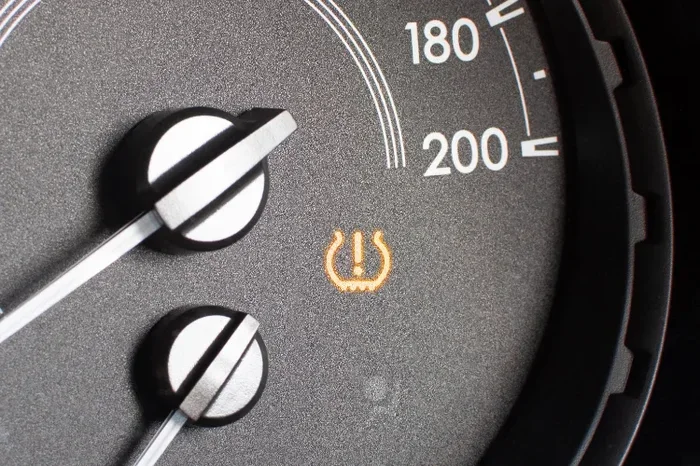
Have you ever started your car and noticed a weird horseshoe-shaped symbol with an exclamation mark glowing on your dashboard? That is your tire pressure warning light, and it means something is off with your tire pressure monitoring system, or TPMS for short. It is one of those dashboard warning lights that can really stress you out, especially when you are not sure what to do next.
The good news is that you do not need to be a mechanic to handle this. In most cases, the fix is simple and takes just a few minutes. This article walks you through exactly how to turn off the tire pressure warning light on your car, step by step. We will cover the common causes, the reset process, and when you should actually visit a mechanic. By the end, you will feel confident tackling this issue on your own.
So let us get into it and get that annoying light off your dashboard for good.
Key Takeaways
- Check your tire pressure first: The most common reason for the warning light is low air pressure in one or more tires.
- Reset the TPMS after fixing: Once you inflate your tires to the proper level, you need to reset the tire pressure monitoring system.
- Cold weather can trigger the light: Temperature drops cause air inside tires to contract, which may activate the warning even if your tires are fine.
- A faulty sensor can cause false alarms: If the light stays on after you fix your tires, the tire pressure sensor itself may need replacement.
- Driving on low pressure is risky: Ignoring the light can lead to uneven tire wear, reduced fuel economy, and dangerous blowouts.
- You can often reset the light yourself: Most cars allow you to perform a TPMS reset using the dashboard controls or a reset button.
📑 Table of Contents
What Does the Tire Pressure Warning Light Mean?
The tire pressure warning light is part of your car’s TPMS, which stands for tire pressure monitoring system. This system uses sensors inside each tire to measure the air pressure in tires and alert you when something is wrong. When the light turns on, it means one or more tires are below the recommended pressure level.
There are two ways this light can appear. Sometimes it looks like a flat tire symbol with an exclamation mark in the center. Other times, it may show the letters TPMS. Both mean the same thing: your tire pressure is not where it should be.
Here are the most common reasons the tire pressure warning light comes on:
- One or more tires are underinflated: This is the number one cause. Even a small drop in pressure can trigger the light.
- Temperature changes: Cold weather causes the air inside your tires to shrink, which lowers the pressure.
- A slow leak: A tiny puncture or a loose valve stem can let air out slowly over time.
- A faulty TPMS sensor: Sometimes the sensor itself malfunctions and gives a false reading.
- You recently changed your tires: After swapping tires or rotating them, the system may need a reset.
If you see this light, do not ignore it. Driving with low tire pressure is not safe and can reduce your fuel efficiency. It also causes uneven wear on your tires, which means you will need replacements sooner than you should. If you are wondering whether you can keep driving with this light on, check out our article on Can I Drive With Low Tire Pressure for more details.
How to Check Your Tire Pressure
Before you try to reset the light, you need to make sure your tires actually have the right amount of air. This is the most important first step. Here is how to do it properly.
Find Your Recommended Tire Pressure
Every car has a recommended tire pressure level printed somewhere easy to find. Look for a sticker on the driver’s side door frame. It is usually on the door edge or the B-pillar. You can also check your owner’s manual. The number is measured in PSI, which stands for pounds per square inch.
Do not use the number printed on the tire itself. That number is the maximum pressure the tire can handle, not the recommended pressure for your specific vehicle.
Use a Tire Pressure Gauge
A tire pressure gauge is a simple tool you can buy at any auto parts store for just a few dollars. Here is how to use it:
- Remove the valve cap from the tire.
- Press the gauge firmly onto the valve stem.
- Read the number on the gauge.
- Compare it to the recommended PSI for your vehicle.
Check all four tires, including the spare if your car has one. If any tire is low, use an air compressor to fill it up to the recommended level. Most gas stations have air pumps you can use for a small fee or sometimes for free.
Once all your tires are at the right pressure, you are ready to reset the light. If you want to learn more about checking your tire pressure from the dashboard screen, read our guide on Can You Check Tire Pressure On Dashboard.
How to Turn Off the Tire Pressure Warning Light
Now that your tires are properly inflated, it is time to reset the tire pressure warning light. The exact steps vary depending on your car make and model, but the general process is similar for most vehicles.
Method 1: Use the Dashboard Controls
Many modern cars let you reset the TPMS right from the dashboard or infotainment screen. Here is the general process:
- Start your car and make sure it is parked.
- Navigate to the vehicle settings menu on your dashboard.
- Look for a section called Tire Pressure, TPMS, or Vehicle Maintenance.
- Select the option to reset or calibrate the TPMS.
- Drive your car for a few miles. The light should turn off once the system recalibrates.
Method 2: Use the TPMS Reset Button
Some vehicles have a dedicated TPMS reset button. This is usually located under the steering column, near the driver’s door, or inside the glove box. Here is what to do:
- Turn the ignition to the ON position but do not start the engine.
- Press and hold the TPMS reset button until the warning light blinks three times.
- Start the car and drive for about 20 minutes at speeds above 20 mph.
- The light should turn off once the system completes its recalibration.
Method 3: Disconnect the Battery
If the other methods do not work, you can try disconnecting the car battery for a few minutes. This resets the entire electrical system, including the TPMS. Here is how:
- Turn off your car and remove the keys from the ignition.
- Open the hood and locate the negative battery terminal.
- Use a wrench to loosen the cable and disconnect it.
- Wait for about 10 to 15 minutes.
- Reconnect the cable and tighten it back in place.
- Start your car and check if the light is off.
This method works well but also resets other settings like your radio presets and clock. Keep that in mind before you try it.
Common Reasons the Light Comes Back On
If you have reset the light but it keeps coming back, there is an underlying issue you need to address. Here are the most common culprits.
Slow Tire Leak
A slow leak is one of the sneapest problems. You might not even notice the tire is losing air because it happens gradually over days or weeks. Common causes of a slow leak include:
- A small nail or screw stuck in the tread.
- A damaged or corroded valve stem.
- A poor seal between the tire and the rim.
- A cracked tire sidewall.
If you keep losing air, take your car to a tire shop and ask them to check for leaks. They can plug a small puncture or replace a damaged valve stem quickly and affordably.
Faulty TPMS Sensor
Each tire has a TPMS sensor inside it that sends pressure readings to your car’s computer. These sensors have batteries that typically last about five to ten years. When the battery dies, the sensor stops working and the light comes on.
A faulty sensor can also give incorrect readings. If you have confirmed that all your tires are properly inflated but the light still stays on, the sensor is likely the problem. Replacing a TPMS sensor usually costs between 50 and 100 dollars per sensor, depending on your car model.
Temperature Changes
Did you know that a sudden drop in temperature can trigger the tire pressure warning light? When the air outside gets cold, the air inside your tires contracts and the pressure drops. This is especially common in fall and winter. A 10-degree drop in temperature can reduce your tire pressure by about 1 PSI.
The fix is simple: add air to your tires until they reach the recommended PSI. The light should turn off after you reset the system.
When to See a Mechanic
Most of the time, you can handle the tire pressure warning light yourself. But there are situations where professional help is the right call.
You should visit a mechanic if:
- The light flashes and then stays on constantly, which often indicates a sensor malfunction.
- You cannot find the source of the air leak after checking all four tires.
- Your TPMS sensor needs replacement and you are not comfortable doing it yourself.
- The light comes back on immediately after you reset it.
- You notice visible damage to your tires like bulges, cracks, or punctures.
Ignoring the warning light for too long can lead to serious safety issues. Low tire pressure affects your car’s handling, braking distance, and stability. It also increases the risk of a blowout, especially at highway speeds. If you are ever unsure about what the light means, it is always better to get a professional inspection.
Some people confuse the tire pressure light with the engine management light. If your check engine light is on instead, you might want to read about Can You Clear The Engine Management Light to understand the difference and how to address it.
Quick Tips to Prevent the Tire Pressure Warning Light
Prevention is always easier than fixing a problem. Here are some simple habits that can help you avoid the tire pressure warning light in the future:
- Check your tire pressure monthly: Make it a routine to check all four tires once a month. It only takes about five minutes.
- Check before long trips: Always verify your tire pressure before a road trip or a long drive.
- Keep a tire pressure gauge in your car: Having your own gauge means you can check anytime, anywhere.
- Check tire pressure when the tires are cold: Driving heats up the air inside the tires, which can give you a false reading. Check before you drive or wait at least three hours after driving.
- Replace valve stems when needed: Old valve stems can crack and leak air. They are cheap to replace and can save you from recurring pressure issues.
- Keep your tires properly rotated: Regular tire rotation helps maintain even wear and consistent pressure across all tires.
Key Takeaways
- Always check your tire pressure first: Before resetting anything, make sure your tires are inflated to the recommended PSI using a reliable gauge.
- Reset the TPMS after inflating: Use your dashboard controls, the TPMS reset button, or the battery disconnect method to clear the warning.
- Cold weather commonly triggers the light: Temperature drops reduce air pressure inside tires, so check your pressure more often in winter.
- A faulty sensor may need replacement: If the light persists even with correct tire pressure, the TPMS sensor battery may be dead or the sensor may be damaged.
- Do not ignore the light: Driving on underinflated tires is dangerous and costly. It reduces fuel economy and increases the risk of blowouts.
- Prevent future issues with regular checks: A simple monthly tire pressure check can save you from repeated warning lights and expensive tire repairs.
Conclusion
Dealing with a tire pressure warning light does not have to be stressful. In most cases, the fix is straightforward: check your tire pressure, inflate to the proper level, and reset the system. Whether you use the dashboard controls, the reset button, or the battery disconnect method, you can handle this yourself in less than 15 minutes.
The key is to act quickly when the light comes on. Ignoring it can lead to unsafe driving conditions and costly tire damage. Make it a habit to check your tire pressure regularly, and you will rarely have to deal with this annoying light again.
Remember, your car’s TPMS is there to protect you. It is a simple system designed to keep you safe on the road. When the light comes on, treat it as a helpful reminder rather than a headache. With the right knowledge and a few basic tools, you can turn off the warning and get back on the road with confidence.
If you ever find yourself unsure about what your dashboard lights mean, take a moment to research or visit a trusted mechanic. Staying proactive about your car’s maintenance is the best way to avoid surprises and keep your vehicle running smoothly for years to come.
Frequently Asked Questions
Can I drive my car if the tire pressure warning light is on?
It is not recommended to drive with the tire pressure warning light on for an extended period. Low tire pressure can affect your handling and increase the risk of a blowout. If you must drive a short distance, keep your speed low and get to a gas station to check your tire pressure as soon as possible.
How much does it cost to replace a TPMS sensor?
Replacing a TPMS sensor typically costs between 50 and 100 dollars per sensor, including parts and labor. Some vehicles may cost more depending on the sensor type and your car model. It is a relatively affordable repair that keeps your tire pressure monitoring system working properly.
Why does my tire pressure light come on in cold weather?
Cold weather causes the air inside your tires to contract, which lowers the air pressure. A temperature drop of just 10 degrees can reduce your tire pressure by about 1 PSI. This is completely normal and usually goes away once you add air to your tires and reset the system.
How do I know if my TPMS sensor battery is dead?
A dead TPMS sensor battery usually triggers a specific warning message on your dashboard, not just the general tire pressure light. If the light stays on even after you confirm all tires are properly inflated, the sensor battery may need replacement. Most TPMS batteries last between five and ten years.
Can I reset the tire pressure light myself without a mechanic?
Yes, in most cases you can reset the tire pressure light yourself using your car’s dashboard controls or the TPMS reset button. Simply inflate your tires to the recommended pressure and follow the reset steps for your specific vehicle model. If the light keeps coming back, there may be an underlying issue that needs professional attention.
What should my tire pressure be?
Your recommended tire pressure is listed on a sticker on the driver’s side door frame or in your owner’s manual. It is usually between 30 and 35 PSI for most passenger cars. Always check your specific vehicle’s recommendation rather than relying on the number printed on the tire sidewall.


