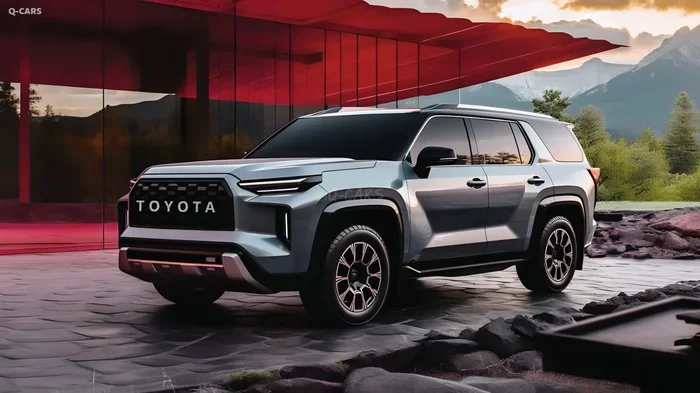
Do Toyota Sequoias Hold Their Value Better Than Expected
Toyota Sequoias are widely known for holding their value remarkably well compared to many full-size SUVs on the market. The combination of Toyota reliability, strong brand loyalty, and high demand in the used market makes the Toyota Sequoia one of the best vehicles for preserving your investment. Whether you are buying new or considering a used model, understanding the Toyota Sequoia depreciation curve helps you make a smarter purchase decision.
When you spend big money on a truck or SUV, one of the first questions that hits your mind is simple: will this thing hold its value?
The Toyota Sequoia has earned a reputation that goes beyond just looking good on the road. This full-size SUV has been a staple in the Toyota lineup since 2000, and it continues to turn heads in the used market. So do Toyota Sequoias hold their value better than most people expect?
The short answer is yes. But like any vehicle, the Toyota Sequoia resale value depends on several factors that every buyer and owner should understand. In this guide, we will walk you through everything you need to know about how much your Toyota Sequoia is worth over time, what affects its depreciation, and how it stacks up against the competition.
Key Takeaways
- Strong Value Retention: Toyota Sequoias typically lose only 30-40% of their value over five years, which is well above average for full-size SUVs.
- Reliability Drives Demand: The Toyota reputation for durability keeps used Sequoia prices high in the resale market.
- Trim Level Matters: Higher trims like the Platinum and Limited tend to hold value better than base models.
- Maintenance Plays a Role: Keeping up with Toyota Sequoia maintenance schedules helps protect resale value.
- Competitive Advantage: The Sequoia often outperforms rivals like the Chevy Tahoe and Ford Expedition in value retention.
- Fuel Economy and Capability: The balance of towing capacity and everyday usability keeps the Sequoia desirable for many buyers.
📑 Table of Contents
Understanding Toyota Sequoia Depreciation
Depreciation is the silent killer of vehicle value. Every car loses value the moment you drive it off the lot. But not all vehicles lose value at the same speed.
The average new SUV depreciates by about 50% over five years. The Toyota Sequoia, however, tends to stay well ahead of that curve. Most Toyota Sequoia models lose around 30% to 40% of their original value after five years of ownership. That is a big advantage in the world of Toyota vehicle depreciation rates.
Why Does the Sequoia Depreciate Slower?
Several reasons explain why the Toyota Sequoia holds value so well:
- Toyota Brand Reliability: Buyers trust Toyota. The brand has built a reputation for building vehicles that last. This trust translates directly into stronger resale numbers.
- High Demand in the Used Market: Full-size SUVs like the Sequoia are always in demand. Families need space, and the Sequoia delivers with its spacious interior and third-row seating.
- Limited Production Runs: Toyota does not flood the market with Sequoias the way some brands do with their trucks. Scarcity helps maintain value.
- Strong Towing and Hauling Capability: The Sequoia offers serious towing capacity, which attracts buyers who need a workhorse SUV.
Understanding Toyota Sequoia depreciation helps you plan your purchase. If you buy used, you already benefit from the steepest part of the depreciation curve. If you buy new, you will still see slower value loss than most competitors.
Toyota Sequoia Resale Value by Year
Let us look at how the Toyota Sequoia resale value changes over time. These numbers give you a realistic picture of what to expect.
Year-by-Year Breakdown
Here is a general look at how a new Toyota Sequoia loses value over time:
- Year 1: Expect about 15% to 20% depreciation. The biggest drop happens in the first year.
- Year 2: Another 10% to 15% loss. The curve starts to flatten.
- Year 3: Depreciation slows to around 8% to 10%. Your Sequoia has lost roughly 35% of its original value.
- Year 5: Total depreciation typically lands between 30% and 40%. This is excellent for a full-size SUV.
- Year 10: Well-maintained Sequoias can retain 45% to 55% of their original value. This is outstanding.
These numbers can vary based on trim level, mileage, condition, and location. A Toyota Sequoia Platinum trim with low mileage will always fetch more than a base model with high miles.
Factors That Impact Toyota Sequoia Value
Not every Sequoia holds its value the same way. Several key factors determine how well your vehicle retains its worth.
Trim Level and Features
The Toyota Sequoia comes in several trim levels, including the SR5, Limited, Platinum, and the new Platinum Reserve. Higher trims come with premium features like leather seating, advanced infotainment systems, and enhanced safety technology.
Buyers in the used market are willing to pay more for these extras. A Platinum trim Sequoia will generally hold its value better than an SR5 because of the added luxury and features. If you are planning to sell or trade in your vehicle one day, investing in a higher trim can pay off.
Mileage and Condition
This one is obvious but important. Lower mileage always means better resale value. A Sequoia with 40,000 miles will command a much higher price than one with 120,000 miles.
But condition matters just as much as mileage. A well-cared-for Sequoia with 80,000 miles can be worth more than a neglected one with 50,000 miles. Here are some tips to protect your value:
- Keep up with all scheduled Toyota Sequoia maintenance tasks.
- Address mechanical issues promptly.
- Keep the interior clean and free of damage.
- Store the vehicle in a garage when possible.
- Avoid modifications that narrow the buyer pool.
Market Demand and Trends
The SUV market fluctuates based on fuel prices, economic conditions, and consumer preferences. During periods when gas prices are high, large SUVs like the Sequoia sometimes see a dip in demand. But Toyota’s reputation helps buffer these effects.
The Sequoia has also benefited from the growing trend of families choosing larger SUVs over minivans. With its three-row seating and robust capability, the Sequoia appeals to a wide range of buyers. This broad appeal supports strong Toyota Sequoia market value across different economic conditions.
How the Sequoia Compares to Competitors
To truly understand the Toyota Sequoia value retention, you need to see how it stacks up against the competition. Let us compare the Sequoia to a few popular full-size SUVs.
Toyota Sequoia vs Chevy Tahoe
The Chevy Tahoe is one of the Sequoia’s closest rivals. Both offer spacious interiors, strong towing, and three-row seating. But when it comes to holding value, the Toyota Sequoia generally comes out ahead.
Tahoes tend to depreciate faster, losing around 45% to 50% of their value over five years. The Sequoia’s superior Toyota vehicle depreciation resistance gives it a clear edge. Buyers consistently prefer the Toyota reliability factor over the Chevy brand when it comes to long-term value.
Toyota Sequoia vs Ford Expedition
The Ford Expedition is another strong competitor. It offers a luxurious interior and modern technology features. However, Ford vehicles in general tend to depreciate faster than Toyotas.
The Expedition loses value at a similar rate to the Tahoe. The Sequoia’s slower depreciation means you will get more money back when it is time to sell. This is one of the biggest financial advantages of choosing a Toyota over many domestic competitors.
Toyota Sequoia vs Toyota Tundra
Since both the Sequoia and the Toyota Tundra are Toyota products, they share some similarities in value retention. The Tundra has also improved its reputation for reliability over the years.
However, the Sequoia often holds its value slightly better because SUVs tend to have broader appeal than trucks. Families who might not need a truck will still consider a Sequoia, which expands the buyer pool for used models. You can learn more about how Toyota Tundras are dependable and how that relates to overall Toyota value retention in our detailed guide on Toyota truck reliability.
Tips to Maximize Your Toyota Sequoia’s Value
Whether you already own a Sequoia or are planning to buy one, there are concrete steps you can take to protect your investment.
1. Follow the Maintenance Schedule
Toyota includes a detailed maintenance schedule with every new Sequoia. Following it is one of the best ways to ensure your vehicle stays in top shape. Regular oil changes, tire rotations, and brake inspections keep the vehicle running smoothly and signal to future buyers that it was well cared for.
If you want to understand the long-term ownership costs, check out our article on whether Toyota Sequoias are expensive to maintain. Keeping maintenance costs predictable helps you budget and protect your resale value.
2. Keep Records Organized
When you go to sell your Sequoia, buyers will ask for service records. Having a complete log of every oil change, repair, and inspection builds confidence. It shows that you treated the vehicle as an investment, not just a convenience.
3. Avoid Modifications
Custom wheels, lifted suspensions, and aftermarket exhaust systems might look cool, but they can limit your buyer pool. Most used SUV buyers prefer stock vehicles. They want to know exactly what they are getting without surprises.
4. Drive Responsibly
Harsh driving accelerates wear on the engine, transmission, and suspension. Gentle driving not only extends the life of your Sequoia but also keeps it in better condition for the resale market. This is especially important for maintaining strong Toyota Sequoia reliability scores over time.
5. Choose Popular Colors and Trims
Neutral colors like white, black, and silver tend to sell faster and for more money. If you are buying new, consider choosing a trim level that appeals to a wide audience. The Limited and Platinum trims consistently hold value better than the base SR5.
The Toyota Sequoia’s Long-Term Reliability Factor
One of the biggest reasons the Sequoia holds value is its proven track record for longevity. Many Sequoias clock well over 200,000 miles with proper care. This kind of durability is rare in the SUV world.
Buyers looking for a used full-size SUV often prioritize reliability above all else. They do not want to deal with constant repairs. The Toyota reputation for building long-lasting vehicles makes the Sequoia a top choice in the used market. To understand more about how Toyota vehicles perform over time, you can explore our article on at what mileage Toyotas start having problems for a deeper look at long-term ownership.
The Sequoia’s reliability also means lower repair costs over the life of the vehicle. This is a major selling point for used buyers who want a capable SUV without the financial burden of frequent repairs. When buyers know they are getting a vehicle that will last, they are willing to pay closer to the asking price. This dynamic directly supports stronger Toyota Sequoia resale value numbers.
Toyota Reliability and Brand Loyalty
Toyota has spent decades building one of the strongest brand loyalties in the automotive industry. Owners of Toyota vehicles tend to stay loyal to the brand. This loyalty creates a consistent demand for used Toyotas, including the Sequoia.
When you compare the Sequoia to vehicles from brands with weaker reliability reputations, the difference in value retention becomes clear. The Toyota Sequoia reliability factor is not just a marketing slogan. It is backed by years of real-world data and owner satisfaction surveys.
Additionally, Toyota vehicles tend to have lower ownership costs overall. From insurance to repairs to fuel, the Sequoia costs less to own than many competitors. These lower costs make the Sequoia even more attractive to used buyers, which supports higher resale prices.
Is a Toyota Sequoia Worth the Investment?
After looking at all the factors, the answer becomes clear. The Toyota Sequoia is one of the best full-size SUVs for preserving your money. Its combination of reliability, capability, and strong brand demand creates a vehicle that holds value remarkably well.
If you are buying new, you will enjoy slower depreciation than almost any competitor. If you are buying used, you get a vehicle that has already lost its steepest value drop while still offering years of reliable service. Either way, the Toyota Sequoia value proposition is hard to beat.
The key is to take care of the vehicle. Follow the maintenance schedule, keep records, and drive responsibly. These simple steps ensure that your Sequoia continues to hold its value for years to come. For additional peace of mind, you might also want to read our piece on whether Toyota Tundras are dependable to get a broader picture of Toyota truck and SUV reliability.
The Toyota Sequoia is not just a vehicle. It is a smart financial choice for anyone who values long-term ownership satisfaction and strong resale returns.
Frequently Asked Questions
How fast does a Toyota Sequoia depreciate?
A Toyota Sequoia typically depreciates by about 30% to 40% over five years. This is significantly slower than the average full-size SUV, which loses around 50% in the same timeframe. The Sequoia’s strong reliability and brand loyalty help it retain value better than most competitors.
What Toyota Sequoia trim holds value best?
The Platinum and Limited trims tend to hold their value the best. These higher-end trims come with premium features that buyers in the used market are willing to pay more for. The SR5 base model still holds value well, but not as strongly as the top trims.
Can I improve my Toyota Sequoia’s resale value?
Yes. Following the maintenance schedule, keeping detailed service records, avoiding modifications, and driving responsibly all help protect resale value. Keeping the vehicle clean and in good mechanical condition makes a big difference when it is time to sell.
How does the Toyota Sequoia compare to other full-size SUVs in value retention?
The Sequoia generally holds its value better than the Chevy Tahoe and Ford Expedition. Toyota’s reputation for reliability gives it a clear advantage in the used market. Buyers trust Toyota vehicles to last longer, which supports stronger resale prices.
Is it better to buy a new or used Toyota Sequoia for value?
Buying used is often the better financial move if you want to avoid the steepest depreciation. A three-year-old Sequoia has already lost its biggest value drop and will continue to depreciate at a slower rate. However, buying new gives you the latest features and a full warranty.
What is the average Toyota Sequoia resale value after 10 years?
A well-maintained Toyota Sequoia can retain 45% to 55% of its original value after 10 years. This is exceptional for a full-size SUV. Regular maintenance and low mileage are the biggest factors that determine how much value a 10-year-old Sequoia keeps.
=== CONCLUSION ===
The Toyota Sequoia stands out as one of the best full-size SUVs when it comes to holding value. From its strong reliability reputation to its broad appeal among families and truck-capable buyers, the Sequoia consistently outperforms many competitors in the used market.
Understanding Toyota Sequoia depreciation and the factors that influence resale value empowers you to make smarter buying and ownership decisions. Whether you choose a new or used model, following proper maintenance practices and keeping records will pay off when it is time to sell or trade in.
If you are considering a Toyota Sequoia, you are making a choice that protects your investment. The Toyota Sequoia resale value story is one of the strongest in the full-size SUV segment. Take care of your vehicle, and it will take care of you for years to come.